
The Water Cycle Explained: How Water Moves Through Earth, Air, and Life

All About the Water Cycle: How Does It Work?
Water is always moving. It falls as rain, flows through rivers, soaks into the ground, rises into the air, gathers in clouds, and eventually returns to land and ocean again. This continuous movement is called the water cycle, also known as the hydrologic cycle.
The water cycle helps explain where our water comes from, why rainfall matters, how groundwater is replenished, and why water conservation is so important. Even though water may feel ordinary when it comes from the tap, every glass is connected to a much larger natural system.
This guide explains how the water cycle works, the major stages involved, how water moves through land and atmosphere, and how human activity can affect this essential process.
What Is the Water Cycle?
The water cycle is the natural process that moves water around Earth. Water changes form and location as it travels between oceans, lakes, rivers, soil, groundwater, ice, clouds, and the atmosphere.
Water can exist as a liquid, solid, or gas. It may appear as ocean water, rain, snow, ice, groundwater, water vapor, or clouds. These forms are constantly changing as water absorbs or releases heat.
The cycle does not have a true beginning or end. Water can evaporate into the atmosphere, fall back to Earth as precipitation, soak into the ground, run into streams, or return to the ocean. Then the process continues again.
Why the Water Cycle Matters
The water cycle supports life on Earth. It helps move freshwater through ecosystems, replenishes lakes and rivers, supports plants, refills groundwater, and helps regulate weather and climate.
Although Earth has a large amount of water, only a small portion is available as freshwater for people, animals, plants, and agriculture. Most of Earth’s water is saltwater in the oceans. Much of the remaining freshwater is stored in ice, glaciers, or deep underground.
That makes the water cycle especially important. It keeps freshwater moving through the environment and makes water available in different forms.
Key Facts About Earth’s Water
- About 71% of Earth’s surface is covered by water.
- Most of Earth’s water is saltwater found in oceans and seas.
- Only a small portion of Earth’s water is freshwater.
- Freshwater is found in glaciers, ice caps, groundwater, rivers, lakes, wetlands, soil, and the atmosphere.
- Water can move quickly through rivers and clouds, but it can also remain stored for long periods in oceans, ice, and underground aquifers.
- The water cycle is powered mainly by energy from the sun.
How the Water Cycle Works

The sun warms the surface of oceans, lakes, rivers, soil, and plants. As water absorbs heat, some of it changes into water vapor and rises into the atmosphere. This process is called evaporation.
Water vapor cools as it rises. When it cools enough, it condenses into tiny droplets that form clouds. As more droplets gather, they may become heavy enough to fall as rain, snow, sleet, or hail. This is called precipitation.
Once water returns to Earth, it may flow across the land, soak into the ground, collect in rivers and lakes, or eventually return to the ocean. Some water is taken up by plants and released back into the air through transpiration.
The Main Stages of the Water Cycle

The water cycle includes several connected stages. These stages often occur simultaneously in different places around the world.
- Evaporation
- Transpiration
- Sublimation
- Condensation
- Precipitation
- Interception
- Infiltration
- Runoff
- Collection
Evaporation

Evaporation happens when liquid water changes into water vapor. This occurs when the sun heats water in oceans, lakes, rivers, puddles, wetlands, and soil.
Evaporation is one of the main ways water enters the atmosphere. Warm temperatures, sunlight, wind, and dry air can increase the rate of evaporation. When the air is already very humid, evaporation may slow because the air is holding more moisture.
Most evaporation on Earth comes from oceans because they cover such a large portion of the planet. However, evaporation also happens from lakes, rivers, soil, and wet surfaces after rain.
Why Evaporation Is Important
Evaporation transfers water from Earth’s surface into the atmosphere. Without evaporation, clouds and precipitation would not form in the same way. Evaporation also helps cool local environments because water absorbs heat as it changes into vapor.
Transpiration

Transpiration is the release of water vapor from plants. Plants absorb water through their roots, move it through their stems, and release some of it through tiny openings in their leaves called stomata.
This process may be invisible, but it plays an important role in moving water from soil into the atmosphere. Forests, grasslands, crops, and gardens all contribute to transpiration.
The combined movement of water through evaporation and transpiration is called evapotranspiration. Scientists often use this term when studying water movement in landscapes, farms, forests, and watersheds.
Sublimation
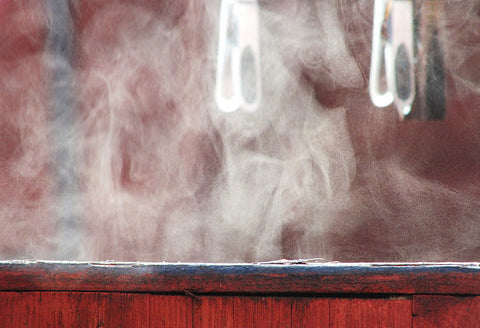
Sublimation occurs when ice or snow changes directly into water vapor without first becoming liquid water. This can happen in cold, dry, windy, or high-altitude environments.
You may notice this when snow slowly disappears even when temperatures remain below freezing. Strong sunlight, dry air, and wind can help snow and ice move directly into the atmosphere as vapor.
Condensation

Condensation happens when water vapor cools and changes back into liquid droplets. This is how clouds form.
A familiar example is the moisture that appears on the outside of a cold glass on a warm day. The water did not leak through the glass. It came from water vapor in the air, which cooled and condensed on the cold surface.
In the atmosphere, water vapor condenses around tiny particles such as dust, salt, or smoke. As more droplets gather, clouds become larger and more visible.
Why Condensation Is Important
Condensation turns invisible water vapor into visible clouds, fog, and mist. Without condensation, water vapor would not gather into droplets that can later fall as precipitation.
Precipitation

Precipitation occurs when water falls from the atmosphere back to Earth. It can appear as rain, snow, sleet, hail, or freezing rain.
Cloud droplets are very small at first. As they join together, they become heavier. Eventually, gravity pulls them down toward Earth as precipitation.
Precipitation refills lakes, rivers, streams, wetlands, reservoirs, snowpack, and groundwater. It also supports forests, farms, gardens, and wildlife.
How Precipitation Is Measured
Precipitation is usually measured in inches or millimeters. Rain gauges measure how much liquid water falls during a given period. Snowfall can also be measured and converted into its water equivalent.
Interception
Interception happens when rain or snow is caught by trees, leaves, plants, buildings, or other surfaces before reaching the ground.
Some intercepted water evaporates back into the atmosphere. Some drips down to the ground later. Forests and vegetation can slow the movement of water, reduce erosion, and influence how much water soaks into the soil.
Infiltration

Infiltration is the process of water soaking into the ground. After rain or snowmelt, some water moves downward through soil and porous rock.
Some infiltrated water stays near the surface, where plant roots can use it. Some travel deeper and become groundwater. Groundwater is stored in underground layers of soil, sand, gravel, and rock called aquifers.
Groundwater can move slowly underground and may eventually return to streams, lakes, springs, wetlands, or the ocean.
Runoff
Runoff is water that flows over land instead of soaking into the ground. Runoff often happens when rain falls faster than the ground can absorb it or when surfaces such as pavement, roofs, and compacted soil prevent infiltration.
Runoff flows into storm drains, streams, rivers, lakes, and oceans. In natural landscapes, plants and soil slow runoff. In urban areas, runoff can move quickly because roads, sidewalks, rooftops, and parking lots do not absorb much water.
Runoff can also carry sediment, oil, fertilizers, pesticides, litter, and other materials into waterways. This is one reason stormwater management is so important in cities and neighborhoods.
Collection

Collection is the stage where water gathers in oceans, lakes, rivers, reservoirs, wetlands, glaciers, snowpack, and groundwater. From there, water may evaporate, flow, freeze, soak into the ground, or continue traveling through the cycle.
Because the ocean holds most of Earth’s water, much of the cycle begins and ends there. However, every lake, stream, soil layer, plant, cloud, and aquifer is part of the same connected system.
The Water Cycle and Climate
The water cycle plays a major role in climate and weather. It affects humidity, rainfall, storms, temperature, drought, snowpack, and the movement of heat around the planet.
When water evaporates, it absorbs heat and cools the surrounding area. When water vapor condenses, it releases heat. This heat transfer helps shape weather patterns and influences local and global climate.
Areas with more moisture often have higher humidity and more frequent rainfall. Drier areas may receive less precipitation and rely more heavily on groundwater, snowmelt, or imported water supplies.
How Humans Affect the Water Cycle
Human activity can change how water moves through the environment. Cities, farms, dams, wells, roads, buildings, and land-use changes all influence the natural movement of water.
Urbanization

Urban areas often include large amounts of pavement, concrete, rooftops, and compacted ground. These surfaces reduce infiltration and increase runoff. As a result, rainwater may flow quickly into storm drains rather than soak into the soil.
Urban runoff can also carry dirt, oil, lawn chemicals, litter, and other materials into local waterways. Thoughtful stormwater design, green spaces, rain gardens, and permeable surfaces can help reduce these impacts.
Deforestation

Forests help slow rainfall, support infiltration, reduce erosion, and return moisture to the atmosphere through transpiration. When trees are removed, the local water cycle can change.
Deforestation may increase runoff, reduce soil moisture, affect streamflow, and contribute to erosion. Replanting trees and protecting natural vegetation can help support healthier watersheds.
Agriculture and Irrigation

Agriculture depends on water. Irrigation helps crops grow in areas that do not receive enough rainfall, but it also changes how water moves through rivers, groundwater, and soil.
Efficient irrigation, soil management, crop selection, and careful fertilizer use can help reduce water waste and protect nearby waterways.
Groundwater Use
Groundwater is an important resource for homes, farms, and communities. When groundwater is withdrawn faster than it is replenished, water levels can decline. This can affect wells, springs, streams, wetlands, and local ecosystems.
Water conservation, recharge protection, and responsible land management can help support groundwater resources over time.
The Water Cycle and Climate Change

Climate change can influence the water cycle by changing temperature, evaporation, precipitation patterns, snowpack, and extreme weather. Warmer air can hold more moisture, which may contribute to heavier rainfall events in some regions.
At the same time, higher temperatures can increase evaporation and dry out soils more quickly, which may worsen drought conditions in other areas. These changes can affect water availability, farming, ecosystems, and community water planning.
Why Can a Warmer Climate Lead to Heavier Rain?
Warmer air can hold more water vapor. When the right weather conditions occur, that extra moisture can be released as heavier rain or snow. This does not mean every place becomes wetter. Instead, rainfall patterns may become less predictable, with some areas seeing more intense storms and others facing longer dry periods.
How Can Climate Change Contribute to Drought?
Higher temperatures can increase evaporation from soil, lakes, and reservoirs. When rainfall is limited, faster evaporation can dry out soil and vegetation. This can increase stress on farms, gardens, forests, and water supplies.
What About Storms?
Warmer ocean water can provide more energy and moisture for some storms. This may contribute to heavier rainfall and stronger storm impacts in certain regions. Coastal communities may also face additional challenges from storm surge and sea-level rise.
What About Wildfires?
When drought, heat, and dry vegetation combine, wildfire risk can increase. Wildfires can then affect the water cycle by changing soil conditions, reducing vegetation, increasing runoff, and sending ash or sediment into waterways after rain.
Why Understanding the Water Cycle Helps at Home
The water cycle may seem like a science lesson, but it connects directly to everyday life. It affects the water we drink, the food we grow, the rain that fills reservoirs, the health of rivers and lakes, and the way communities plan for the future.
Understanding the water cycle can help families appreciate why water conservation matters. Small choices such as fixing leaks, using water-efficient fixtures, planting climate-appropriate landscaping, and reducing unnecessary water use all support a healthier relationship with water.
Simple Ways to Support a Healthy Water Cycle
- Use water thoughtfully at home.
- Fix leaks promptly.
- Choose water-efficient appliances and fixtures when possible.
- Plant trees, shrubs, and native plants that support soil health.
- Reduce unnecessary lawn watering.
- Use mulch to help soil retain moisture.
- Keep chemicals, oil, and waste out of storm drains.
- Support local watershed protection efforts.
- Learn where your household water comes from.
Everyday Drinking Water and the Water Cycle
The water cycle renews water naturally, but water can still pick up unwanted substances as it moves through soil, runoff, pipes, and local infrastructure. This is one reason many households choose point-of-use filtration for daily drinking water.
A countertop gravity-fed filtration system can be a practical option for drinking water, cooking, coffee, tea, and filling reusable bottles. Berkey water filter systems are designed for everyday countertop use and can help improve the taste and quality of drinking water, depending on the filter elements used.
Home filtration does not replace the need to protect rivers, lakes, wetlands, groundwater, or public water infrastructure. It simply gives households another way to manage the water they drink and use every day.
FAQ: All About the Water Cycle
What is the water cycle?
The water cycle is the continuous movement of water on, above, and below Earth’s surface. It includes processes such as evaporation, condensation, precipitation, runoff, infiltration, and groundwater movement.
What powers the water cycle?
The water cycle is powered mainly by energy from the sun. Solar energy drives evaporation, while gravity helps water fall as precipitation and move through rivers, streams, and underground systems.
Why is the water cycle important?
The water cycle renews freshwater sources, supports rainfall, replenishes groundwater, moves nutrients, shapes weather, and supports plants, animals, and people.
How do humans affect the water cycle?
Humans affect the water cycle through urban development, deforestation, agriculture, groundwater pumping, dams, irrigation, pollution, and changes in land use.
Does the water cycle clean water?
Natural processes can help reduce some impurities, but the water cycle does not remove every unwanted substance. Pollution prevention, responsible land use, water treatment, and home filtration can all play roles in water quality.
Related Articles
- Ways to Keep Our Water Clean
- A Guide to Water Conservation
- Everything You Need to Know About Wastewater
- Source Water Protection
- About Hydropower
- Water Resources of the United States
- Water Science Experiments and Activities
- Properties and Measurements of Water
Final Thoughts
The water cycle is one of Earth’s most important natural systems. It moves water through oceans, air, land, soil, plants, rivers, and underground aquifers. It shapes weather, supports ecosystems, replenishes freshwater, and makes life possible.
Water may move through the cycle again and again, but the freshwater available for daily use is limited. By understanding how the water cycle works, we can better appreciate the value of water and make wiser choices at home, in our communities, and for the environment.