
Wastewater Explained: How It Is Treated, Reused, and Why It Matters

Wastewater is part of everyday life, even though most people rarely think about it. Every time water goes down a sink, shower, washing machine, dishwasher, or toilet, it becomes wastewater. Businesses, schools, restaurants, factories, farms, and storm drains also produce or collect wastewater in different forms.
Managing wastewater properly is essential for public health, clean waterways, responsible water use, and environmental protection. When wastewater is collected, treated, and reused wisely, communities can reduce pollution, support ecosystems, and make better use of limited water resources.
This guide explains what wastewater is, where it comes from, how it is treated, why treatment matters, and how wastewater reuse is becoming an important part of modern water planning.
What Is Wastewater?
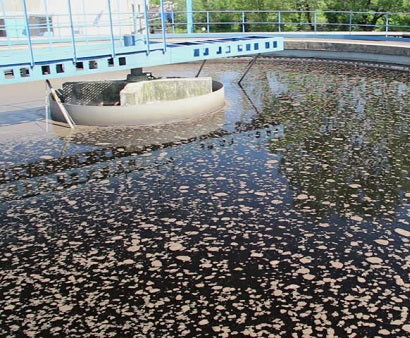
Wastewater is water that has already been used and is no longer clean enough to return directly to the environment without proper handling. It may come from homes, businesses, industries, farms, or stormwater runoff.
In a household, wastewater includes water from:
- Kitchen sinks
- Bathroom sinks
- Showers and bathtubs
- Toilets
- Washing machines
- Dishwashers
Stormwater can also become wastewater when rainwater runs over roads, parking lots, lawns, rooftops, and industrial areas. As it moves, it can pick up oil, soil, fertilizer, litter, road salt, and other materials before entering drains, streams, rivers, or treatment systems.
Why Wastewater Management Matters
Wastewater management is important because water does not disappear after we use it. It continues moving through homes, pipes, treatment plants, rivers, lakes, groundwater, and eventually back into the water cycle.
Proper wastewater treatment helps communities:
- Protect rivers, lakes, beaches, and groundwater
- Reduce pollution entering natural waterways
- Support fish, wildlife, and aquatic habitats
- Protect public spaces used for recreation
- Reuse water for irrigation, industry, and other approved uses
- Reduce pressure on freshwater supplies
Wastewater treatment is not only about removing what people can see. It also helps manage nutrients, organic matter, sediment, chemicals, and other materials that can affect water quality and the environment.
Common Types of Wastewater
Wastewater can be grouped into several major categories. Each type has different characteristics and may require different treatment steps.
Domestic Wastewater

Domestic wastewater comes from homes and apartments. It includes water from sinks, showers, laundry, dishwashing, and toilets. This is the type of wastewater most people interact with daily.
Domestic wastewater is usually carried through sewer lines to a municipal wastewater treatment plant. Homes outside city sewer systems may use septic systems instead.
Municipal Wastewater

Municipal wastewater includes domestic wastewater plus water from schools, restaurants, offices, public buildings, and other community facilities. In many cities, stormwater may also enter the wastewater system, especially in older combined sewer systems.
Municipal systems are designed to collect wastewater from many properties and treat it before discharge or reuse.
Industrial Wastewater

Industrial wastewater comes from manufacturing, food processing, energy production, mining, chemical production, and other commercial operations. Because each industry uses water differently, industrial wastewater can vary widely in quality and composition.
Some facilities treat their wastewater on-site before sending it to a municipal system or discharging it under permit. Others may need specialized treatment equipment depending on what the water contains.
Stormwater Runoff
Stormwater runoff is rain or melted snow that flows across surfaces rather than soaking into the ground. In natural landscapes, much of this water infiltrates the soil. In cities, pavement and rooftops prevent infiltration, causing more runoff to move quickly into drains and waterways.
Stormwater can carry soil, oil, trash, lawn chemicals, and other materials. Good stormwater design, green spaces, rain gardens, and permeable surfaces can help reduce runoff and protect water quality.
How Wastewater Is Treated
Wastewater treatment plants use a series of steps to remove solids, reduce organic matter, manage nutrients, and prepare water for discharge or reuse. The exact process varies by location, but most systems include primary, secondary, and sometimes tertiary treatment.
Primary Treatment
Primary treatment removes large and heavy materials from wastewater. Screens capture items that should not be in the system, such as wipes, plastics, and debris. Grit chambers remove sand and small stones. Settling tanks allow heavier solids to sink and lighter materials to float.
The solids collected during this stage are usually sent for additional processing, while the liquid continues to the next treatment step.
Secondary Treatment
Secondary treatment uses biological processes to break down organic matter. In many plants, wastewater is mixed with helpful microorganisms that consume organic material. Air may be added to support this process.
Common secondary treatment methods include:
- Activated sludge systems
- Trickling filters
- Biofiltration
- Aeration basins
- Stabilization ponds or lagoons
After this step, water is usually much clearer and contains far less organic material.
Tertiary Treatment
Tertiary treatment is an additional polishing step. It may reduce nutrients such as nitrogen and phosphorus, remove fine particles, or improve clarity before water is returned to the environment or reused.
Tertiary treatment may include:
- Sand filtration
- Activated carbon
- Membrane filtration
- Nutrient removal
- Additional disinfection steps
Not every wastewater plant uses the same tertiary process. The choice depends on local regulations, waterway sensitivity, reuse goals, and community needs.
What Happens to Treated Wastewater?

After treatment, wastewater may be released into a river, lake, ocean, or other approved receiving water. In some places, treated wastewater is reused for purposes that do not require fresh drinking water.
Common uses for reclaimed water include:
- Landscape irrigation
- Golf course irrigation
- Agricultural irrigation is allowed
- Industrial cooling
- Dust control
- Groundwater recharge
- Wetland restoration
Water reuse can help reduce demand on rivers, reservoirs, and groundwater, especially in dry regions or communities with growing populations.
Recycled Water and the Future of Water Planning
Recycled water is becoming increasingly important as communities seek reliable ways to manage their water supply. Some regions already use advanced treatment systems to turn reclaimed water into a highly treated source that can be reused in carefully regulated ways.
One well-known example is the use of treated wastewater for industrial cooling. In some areas, reclaimed water helps power plants, factories, parks, and public landscapes operate while reducing the need for freshwater withdrawals.
Recycled water does not replace the need for conservation, but it can be part of a smarter water future. When wastewater is treated, monitored, and reused appropriately, communities can make better use of water that would otherwise be discharged and lost from local supply planning.
Why Wastewater Treatment Protects the Environment
Untreated or poorly managed wastewater can affect natural systems in several ways. Proper treatment helps limit these impacts.
Protecting Rivers, Lakes, and Coastal Waters

Waterways can be stressed by excess nutrients, sediment, organic matter, and chemical pollutants. Treating wastewater before discharge reduces the burden on rivers, lakes, estuaries, and coastal areas.
Supporting Fish and Aquatic Wildlife

Fish, plants, insects, birds, and other wildlife depend on healthy water conditions. Excess nutrients can contribute to algae growth, while low oxygen levels can stress aquatic life. Wastewater treatment helps reduce these risks and supports more balanced ecosystems.
Protecting Groundwater
Groundwater can be affected when wastewater is not handled properly. Septic systems, industrial discharges, and polluted runoff can all influence groundwater quality if poorly managed. Strong wastewater practices help protect wells, aquifers, and underground water reserves.
Challenges Facing Wastewater Systems
Wastewater systems are essential, but many face challenges related to age, cost, energy use, staffing, and climate conditions.
Aging Infrastructure
Many sewer systems and treatment plants were built decades ago. Pipes can crack, pumps can fail, and older equipment may not perform as efficiently as modern systems. Infrastructure upgrades can be expensive, but they are necessary for long-term reliability.
Energy Use

Treating and moving wastewater requires energy. Pumps, aeration systems, filtration equipment, and monitoring tools all need power. Many utilities are working to improve efficiency, recover energy, and use more sustainable operating practices.
Skilled Workforce Needs

Wastewater treatment depends on trained operators, engineers, maintenance teams, and laboratory staff. These workers monitor systems, maintain equipment, respond to problems, and help facilities meet environmental requirements.
Sludge and Biosolids Management
Wastewater treatment produces solids that must be handled carefully. These solids may be treated further and managed as biosolids, sent to landfills, used in approved land applications, or processed through other regulated methods. Responsible solids management is an important part of the overall wastewater system.
Storms and Flooding
Heavy rainfall can overwhelm older systems, especially where stormwater and wastewater share pipes. Flooding can increase treatment volume and strain equipment. Communities are increasingly using green infrastructure, storage basins, and system upgrades to manage these pressures.
What Individuals Can Do to Help Wastewater Systems
Wastewater treatment is a community-scale system, but everyday household choices matter. What goes down the drain can affect pipes, treatment plants, maintenance costs, and local waterways.
Do Not Flush Problem Items
Toilets are designed for human waste and toilet paper only. Avoid flushing:
- Wipes, even if labeled flushable
- Paper towels
- Cotton swabs
- Dental floss
- Feminine hygiene products
- Diapers
- Cat litter
These items can clog pipes and create maintenance problems in sewer systems.
Keep Grease Out of Drains
Cooking grease, oils, and fats can harden inside pipes. Wipe greasy pans with a paper towel before washing, and dispose of the grease in the trash once it has cooled.
Use Household Chemicals Carefully
Paint, solvents, pesticides, motor oil, and strong chemicals should not be poured down drains. Check local household hazardous waste collection programs.
Conserve Water
Using less water reduces the volume entering wastewater systems. Fixing leaks, installing efficient fixtures, running full loads of laundry, and using water wisely all help reduce system strain.
Maintain Septic Systems
If your home uses a septic system, regular inspection and pumping are important. Avoid parking vehicles over the drain field, keep roots away from the system, and follow local maintenance guidance.
Wastewater and Water Conservation
Wastewater and water conservation are closely connected. The less water a household wastes, the less water must be treated, pumped, heated, and managed. Efficient water use can reduce utility costs, energy use, and strain on both drinking water and wastewater systems.
Simple steps such as shorter showers, repairing leaks, using efficient appliances, and reducing outdoor water waste can make a meaningful difference over time.
Final Thoughts
Wastewater may not be pleasant to think about, but it is one of the most important parts of modern water management. Every household, business, and community depends on systems that collect, treat, monitor, and safely return or reuse water.
Understanding wastewater helps us appreciate the hidden infrastructure that protects waterways, supports public health, and makes modern life possible. With better conservation habits, responsible disposal choices, and continued investment in treatment systems, wastewater can become not just a challenge, but a valuable part of a more sustainable water future.
Related Articles: