
Water Quality & Home Filtration Resource Center
Why Hydration Becomes More Important After Age 50: Tips for Healthy Aging

People know that eating well, staying active, and getting enough sleep are important parts of healthy aging. Regular checkups are important, too. But honestly, one thing people often forget is to drink enough water. Drinking water is simple, though. Water helps your body do many things every day. Water supports digestion, helps move nutrients through your body, and regulates your temperature. It keeps your body running smoothly from day to day. When you do not drink water, even small things can feel more tiring than usual. You can literally feel this in your throat. As people get older, drinking water can become a little harder...
How Much Money Does Bottled Water Really Cost Over 10 Years?
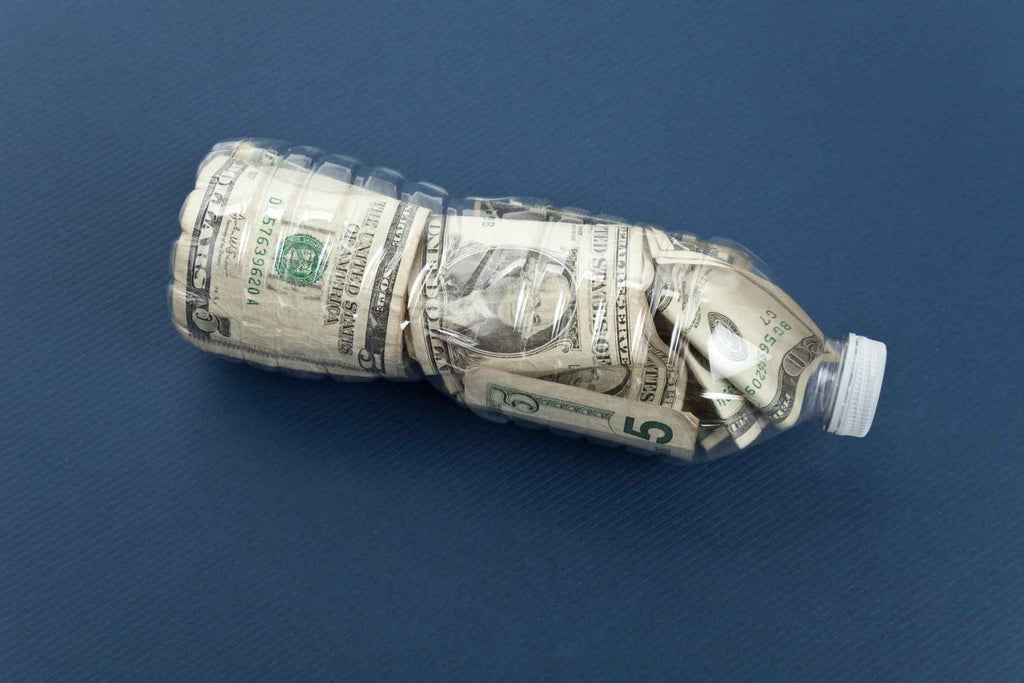
Bottled water is something we all buy without thinking. We might pick up a case when we go grocery shopping every week. We grab a bottle on our way to work after exercising or while doing chores. It seems like a normal or cheap thing to buy, especially when it only costs a few dollars. When we buy something every day, those small costs can quietly add up. Drinking water is not something we buy once in a while, after all. We buy it again and again throughout the year. Since the cost is spread out over purchases, it's easy...
Hydration and Exercise: Why Water Matters for Weight Management
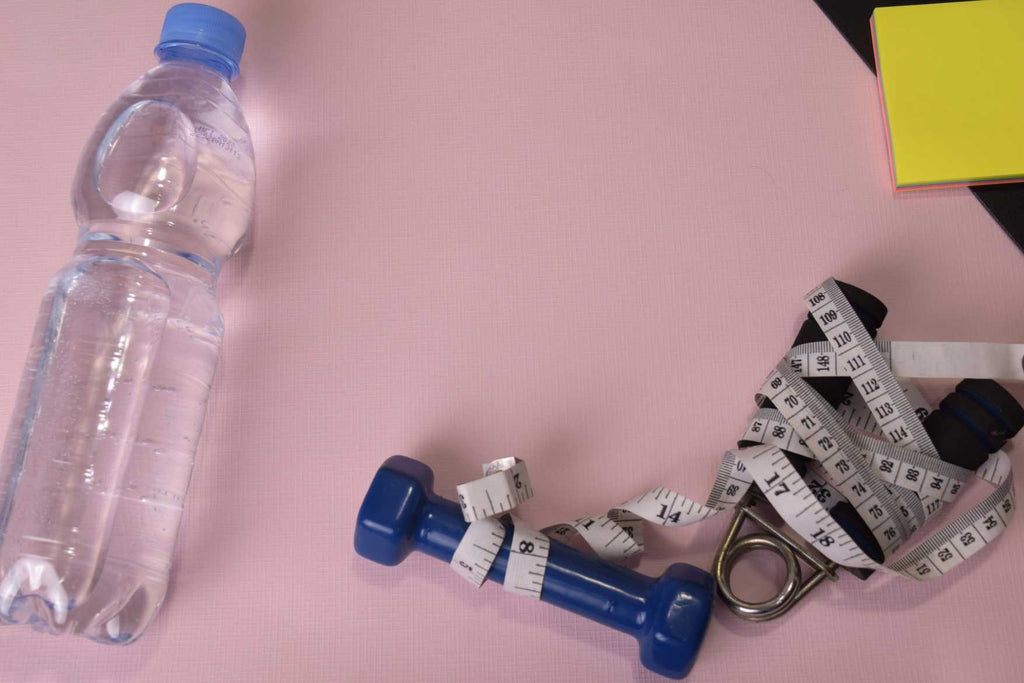
Most people think about exercise and food when they want to lose weight. Water usually gets ignored. It feels like a not-so-big deal, so people push it aside. Yet, your body really needs water, especially when you work out. Even a little bit of dehydration can make a difference. If you lose 2 percent of your body water, it can affect how well you do in your workouts. You might feel more tired, slower, or weaker. That can change how long you exercise and how hard you try. If you are trying to manage your weight, this is important. Drinking...
Can Drinking More Water Help You Lose Weight? What Science Says

Can Drinking More Water Help You Lose Weight? What Science Says Water is often called a weight loss trick. You have probably heard it before. Just drink water, and the weight will go away. It sounds easy. Almost too easy. So it is fair to ask. Does it really work? The truth is a bit more realistic. Water will not melt fat by itself. It will not replace eating a healthy diet or exercising regularly. It can still help in ways that are easy to miss. For example, drinking water can help you feel more in control of your hunger....
Water vs Sugary Drinks: How Beverage Choices Affect Weight Gain

You probably do not think about what you drink every day. A soda with lunch, a milk tea in the afternoon, maybe a bottled juice or an energy drink when you feel tired. It feels normal. It is part of your routine, right? What often gets missed is this: drinks add up. Not just in sugar. In calories, too. Most of the time, people do not even count them. You might be careful with your meals. Those extra drinks quietly add up. Over time, that can make a difference. Not overnight. Little by little. It is one of those habits...
Sugary Drinks vs Water: Long-Term Health Impact on Americans
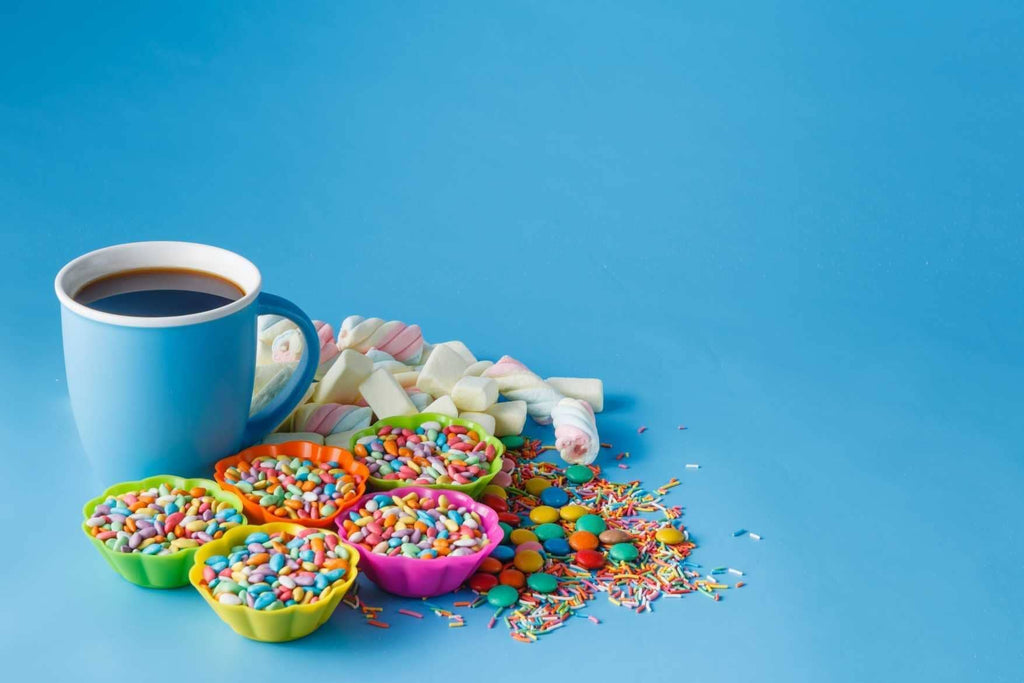
Many Americans consume drinks every day without giving it much thought. Drinks like soda, sweet tea, sports drinks, energy drinks, flavored coffee, and juice drinks are a part of daily life now. These drinks are easy to buy and easy to drink. People get used to them pretty quickly. For many people, these drinks seem harmless, especially if they have been drinking them for a long time. The thing is, these drinks add a lot of sugar to the diet, and most people do not even realize it. Sugary drinks are the source of extra sugar in the American diet....
Is Tap Water Safe for Babies? What Parents Should Know
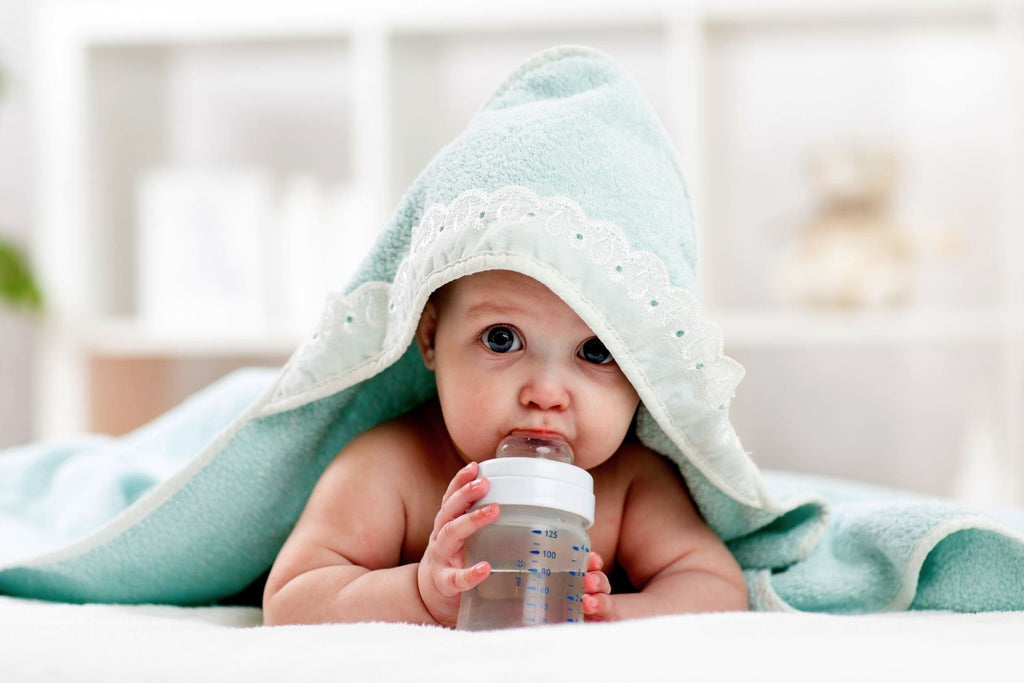
New parents quickly learn that small daily choices can feel much more important once a baby arrives. One of those choices is the water used to prepare infant formula. For many families, tap water can be used as part of a normal formula-feeding routine. But infants deserve a little extra attention because powdered formula may be prepared several times each day, and the water can be affected by household plumbing, lead service lines, private wells, nitrates, local water conditions, and temporary water advisories. Quick answer: For most babies, powdered infant formula can usually be prepared with tap water from a...
How to Build a Reliable Household Drinking Water Plan

How to Store Drinking Water at Home: A Practical Household Guide Drinking water is part of nearly every household routine, from making coffee and preparing meals to filling reusable bottles and pet bowls. Keeping a practical amount at home can make those routines easier during plumbing work, temporary service interruptions, busy weeks, or changes in household needs. A useful household water plan does not need to be complicated. Start with an amount your family can store and rotate comfortably, choose appropriate containers, and review the supply regularly. Why Keep Extra Drinking Water at Home? Household water access depends on local...
Water vs Sports Drinks: What’s Best for Active Kids and Teens?
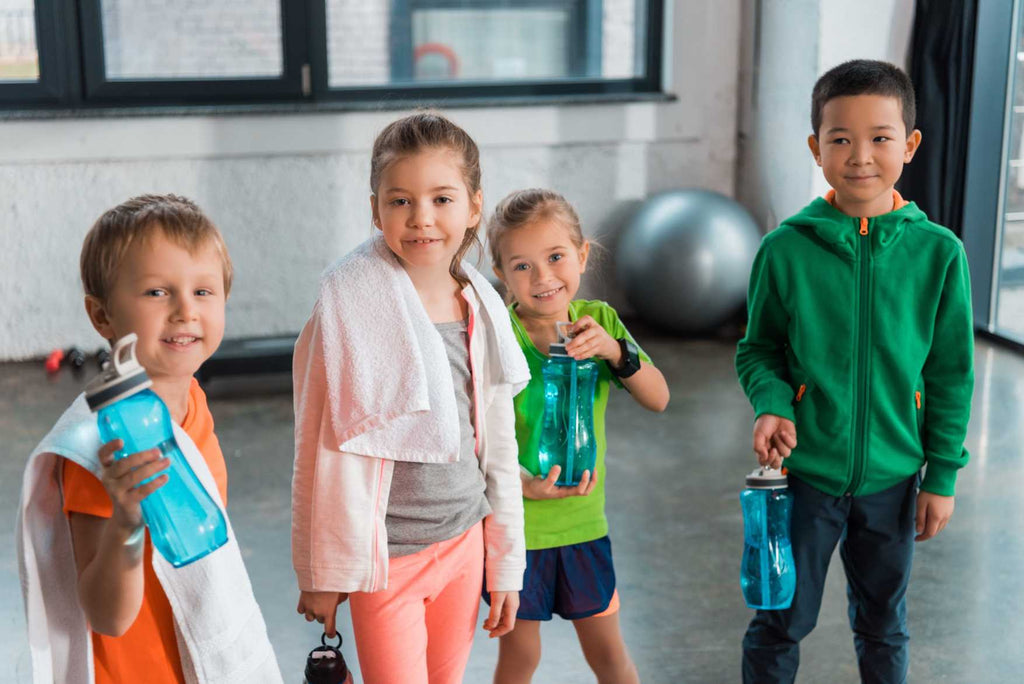
Kids and teenagers are always on the go. They have sports practice and some other school stuff. They spend a lot of time outdoors, so their bodies expend a lot of energy every day. When it is hot, or they are working out hard, they also lose a lot of fluids because they sweat heavily. This is why it is really important for athletes to drink plenty of fluids. If they do not drink enough, they can get lethargic. That can make them feel tired, slow them down while playing sports, and make it harder for them to pay attention in...
Are Kids’ Reusable Water Bottles Safe? What Parents Should Look For
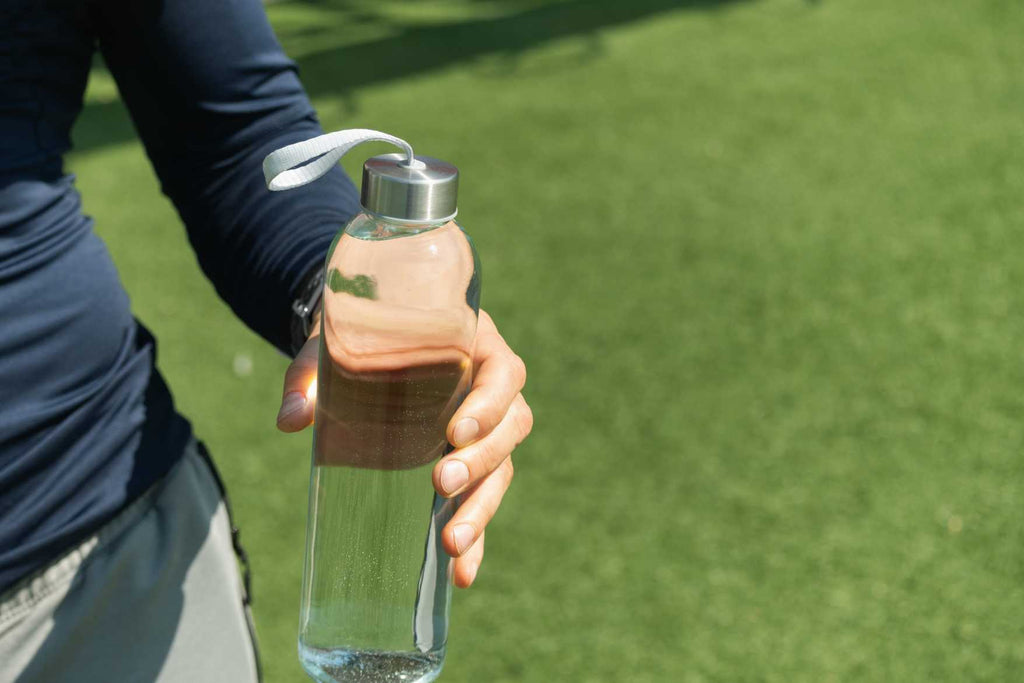
Every morning, kids head out the door with their school bags, snacks, and a favorite water bottle in hand. Some water bottles are bright and colorful. Some water bottles have straws or fun designs. It feels like an everyday thing that parents do without much thought. Lately, though, more families are starting to pause and ask a simple question. Are these water bottles really safe? You might see labels like "BPA" on water bottles and feel reassured. That helps. But still, it does not tell the whole story about the water bottles. There is more being discussed now, such as microplastics...
Why Children Are More Vulnerable to Lead and Heavy Metals in Water
When people turn on the tap at home, they usually think the water is safe to drink. Sometimes, small amounts of heavy metals such as lead, arsenic, mercury, and cadmium can enter the water. The thing is, you cannot see these metals, and you cannot taste them either. So yes, they can cause health problems over time. Even without you knowing. These heavy metals can get into the water in a few ways. For example, old pipes and fixtures in the house can release amounts of metals into the water. In some places, the problem starts underground, where natural...
How Global Conflicts Can Affect Everyday Resources Like Water and Energy

How Global Conflicts Can Affect Everyday Resources Like Water and Energy You might have noticed that your electricity bill is increasing for no apparent reason. You might have heard about water issues in other places and wondered whether they could happen to you. These things might seem far away from being a problem. The truth is, everything in the world is connected in ways that we do not always notice. The electricity, water, and food we use every day all depend on one another. We need electricity to pump water and clean it. We need fuel to transport things from one...
Can Dehydration Affect Your Child's Focus at School? Understanding the Importance of Keeping Kids Hydrated

You pack lunch. You check the homework. You remind your child to pay attention to you and do their best. But the teacher still notes wandering attention, incomplete tasks, or difficulty remembering instructions. It is not strange to ask, "Are they tired?" Distracted? Not trying hard enough? But what would happen when the actual problem is far simpler? The new studies indicate that mild dehydration may significantly impair a child's concentration, short-term memory, and overall cognitive function. Even in a classroom where sustained attention is needed - to listen to instructions, solve problems, read critically, etc. - lack of sufficient water can...
World Water Day - Why Clean Drinking Water Matters
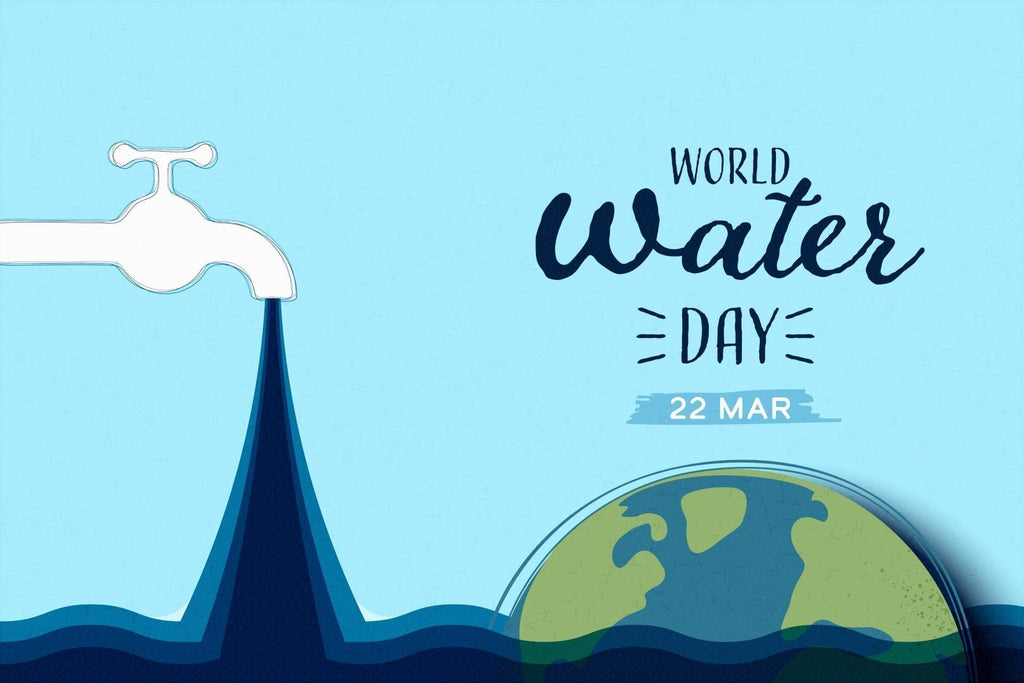
World Water Day is observed every year on March 22. It is a reminder that access to clean, affordable drinking water remains a serious challenge for many communities around the world. For many households in the United States, water concerns may feel far away. Treated municipal water usually flows from the tap every day, and it is easy to assume that home drinking water is always consistent. However, older pipes, environmental pollution, seasonal changes, and local infrastructure issues can still affect the water that reaches your glass. World Water Day is a good time to think about water not only...
How Much Water Should Kids Drink? Hydration Guide by Age
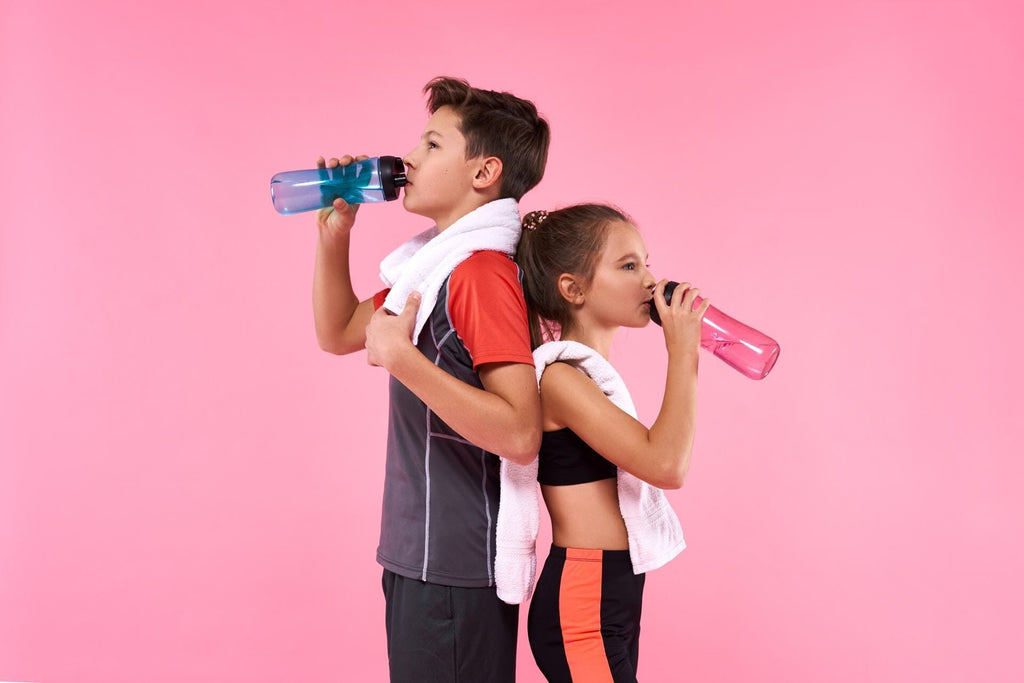
How much water should kids drink each day? There is no single number that works for every child. Fluid needs change with age, body size, activity level, diet, weather, and overall health. A preschooler, an active 10-year-old, and a teenager going through a growth spurt have very different needs. Water plays an essential role throughout childhood. It helps regulate body temperature, move nutrients through the body, support digestion, and replace fluids lost through normal activity and sweating. Rather than relying on the familiar “eight glasses a day” rule, parents can use age-based guidelines as a starting point and then adjust...
Why Your Tap Water Tastes Different After Winter (And How to Fix It)

You turn on the tap, pour some water into the glass, and drink. Something's... off. It doesn't taste terrible. Just different. Maybe a little metallic. Maybe flat. Probably, you cannot recall noticing the faint smell of a pool before. And you see yourself thinking, either it is only you who changed, or something did change in the winter. When this rings a bell, you are not dreaming. Many people know that tap water does not taste the same after winter, which is late winter or early spring. The good news? This change is usually seasonal, common, and remediable. It is...
Spring Detox Myths vs Reality: What Clean Water Actually Does for Your Body
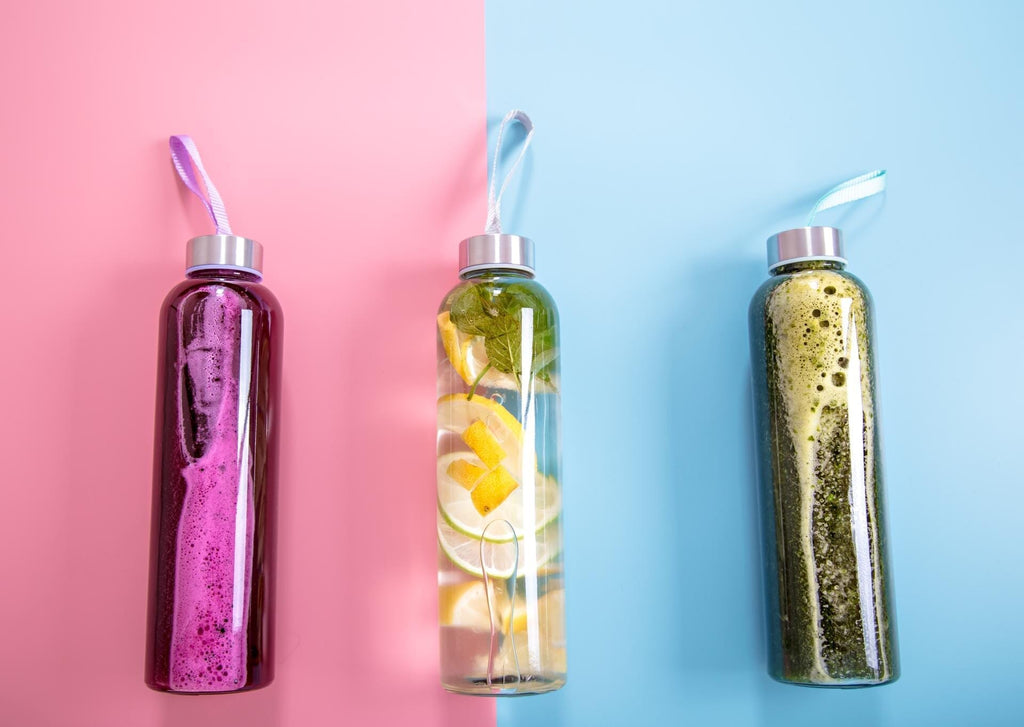
The Seasonal Reset That Isn't What You Think It takes place with clockwork in the spring. The days get longer. The air feels lighter. And there is a sudden pressure to clean things up — inside and out. Closets get reorganized. Windows get washed. And at the same time, when you are thinking about tidying the pantry and making a fresh start, the thought of a spring detox creeps in. You must have encountered it in some place on the internet or accidentally in conversation: "It is time to flush out winter toxins". "Cleanse your system to reset. "Change to...
How Clean Water Supports Your Immune System During Cold Season

Winter manages to find its way into the body. The environment is cooler and drier. We are spending additional time in closed rooms. Grandchildren carry sniffles home out of school. Friends break lunch engagements, saying that they are coming down with something. It does not take long before coughing and congestion become part of the season. When we consider our personal care, of how we can remain healthy and care for ourselves during the cold and flu season, then we listen to the same kind of advice to eat well, take vitamins, rest, and maybe have some supplements or two....
Aging Water Infrastructure in the U.S.: What Households Should Know About Tap Water Reliability
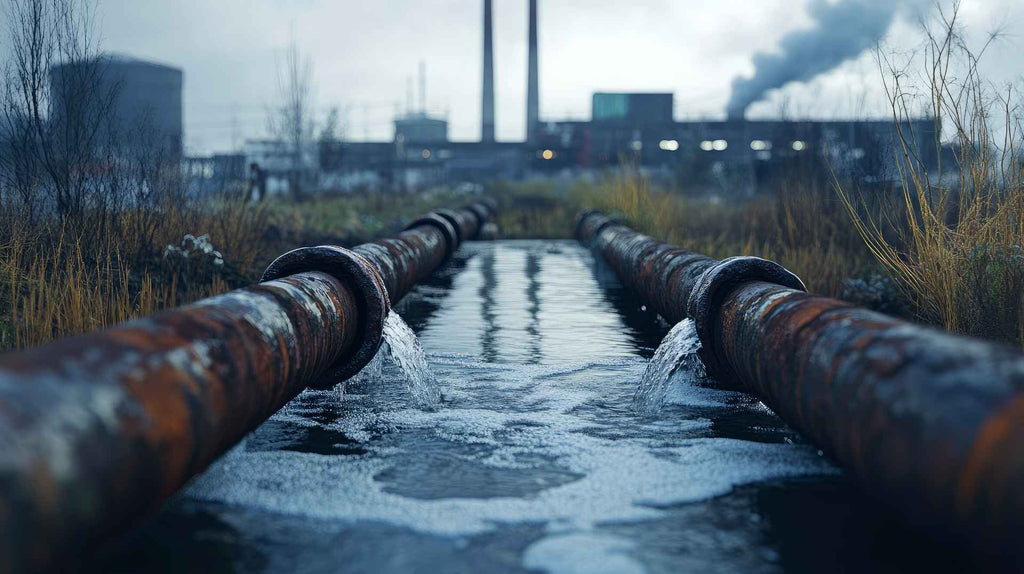
Most of us use tap water without thinking much about the system behind it. We fill a glass, make coffee, cook dinner, wash produce, and go on with the day. That quiet reliability is one of the great conveniences of modern life. At the same time, many communities across the United States are paying closer attention to the pipes, pumps, treatment facilities, and plumbing that move water from source to home. Water systems are large, complex, and expensive to maintain. In some places, parts of that system are decades old. This does not mean families need to panic. It does...
Disinfection By-Products in Tap Water: What Households Should Know
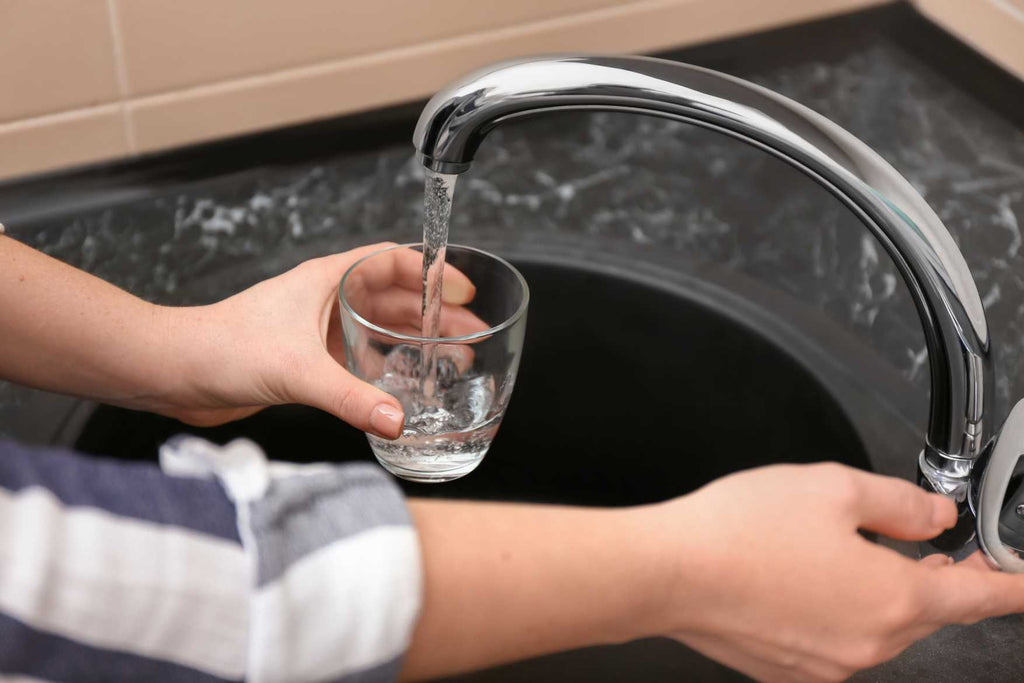
Tap water goes through several steps before it reaches your home. One of the most important steps is disinfection, which helps public water systems maintain water quality as water moves through pipes, storage tanks, and distribution lines. Disinfection is a normal part of municipal water treatment. It helps keep water stable as it travels from the treatment plant to homes and businesses. However, the process can also produce small chemical compounds known as disinfection by-products, often abbreviated as DBPs. DBPs can form when disinfectants, such as chlorine or chloramine, react with naturally occurring organic material in source water. This organic material may come...