
Water Quality & Home Filtration Resource Center
Hot vs. Cold Water: Which Is Better for Hydration and Health?
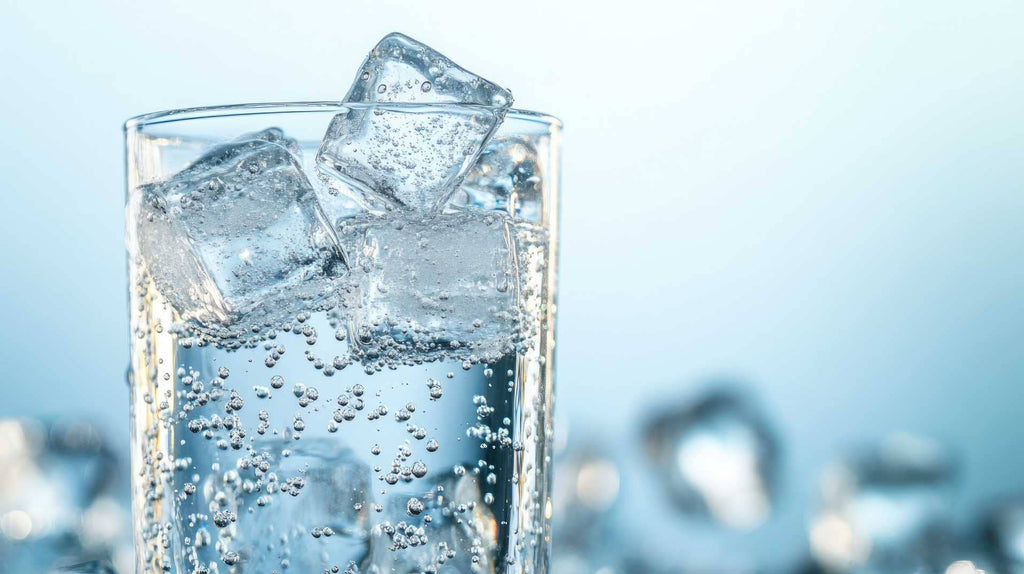
Hydration Guide For everyday hydration, the best water temperature is usually the one that helps you drink enough. Cold water can be especially appealing during exercise and hot weather, while warm water may feel more soothing when you are cold or have a sore throat. Neither temperature has a universal health advantage. In This Guide The quick answerWhich hydrates better?Exercise and hot weatherDigestion and constipationColds and sore throatsCommon temperature mythsHow hot is too hot?Frequently asked questions Hot or Cold Water: The Quick Answer For most healthy people, hot, warm, room-temperature, cool, and cold water all contribute to hydration. Water temperature...
Well Water vs. City Water: Key Differences for Household Water Planning
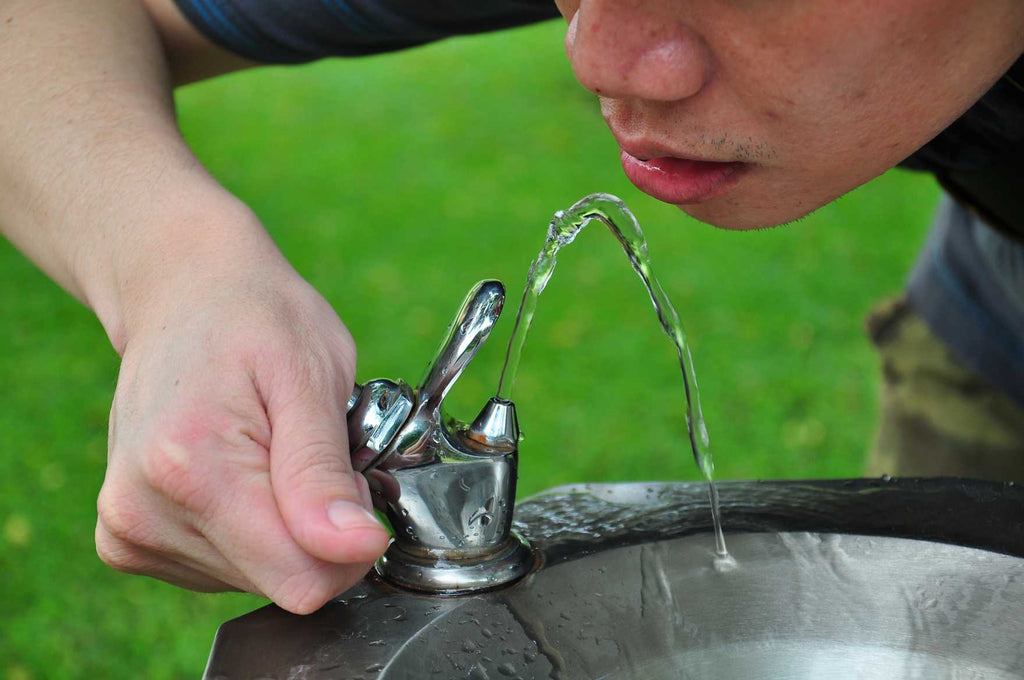
The water you use every day may look the same once it reaches your glass, but where it comes from can make a meaningful difference. Some households receive water from a municipal system. Others rely on a private well. Both sources can serve a home well, but they are managed, monitored, and maintained in very different ways. City water generally comes from a public water system. It may originate as surface water from rivers, lakes, or reservoirs, or from groundwater sources. Before it reaches homes, it undergoes municipal treatment and monitoring. Well water is different. A private well draws groundwater...
How Much Water Should You Really Drink a Day? The Complete Guide by Age, Weight, and Lifestyle
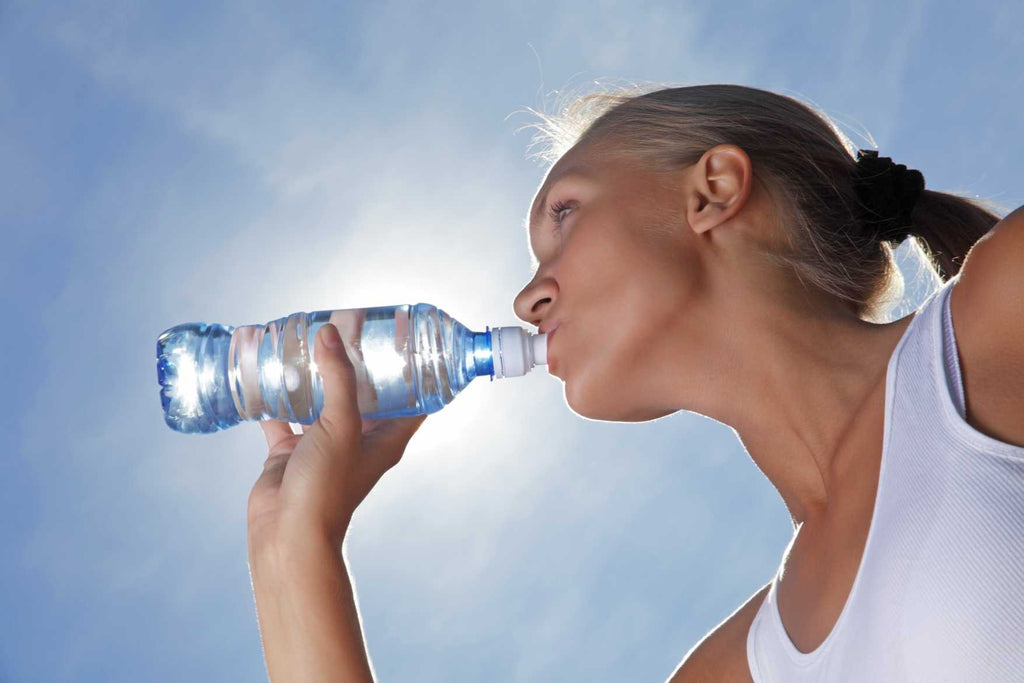
Staying hydrated is simple. Or it sounds simple. Yet many still have questions about how much water a person really needs in a day. Some try to stick to the famous eight-glasses rule. While others drink water only when they feel thirsty. And so, it depends. The thing is, every individual has their own needs when it comes to water. Age, weight, daily habits, and even where you live. All play a part. This is why a single fixed number rarely works for everyone. Water keeps your body running smoothly. It helps with digestion, keeps your energy level steady, and allows your mind...
6 Warning Signs Your Water May Contain Heavy Metals—and When to Test
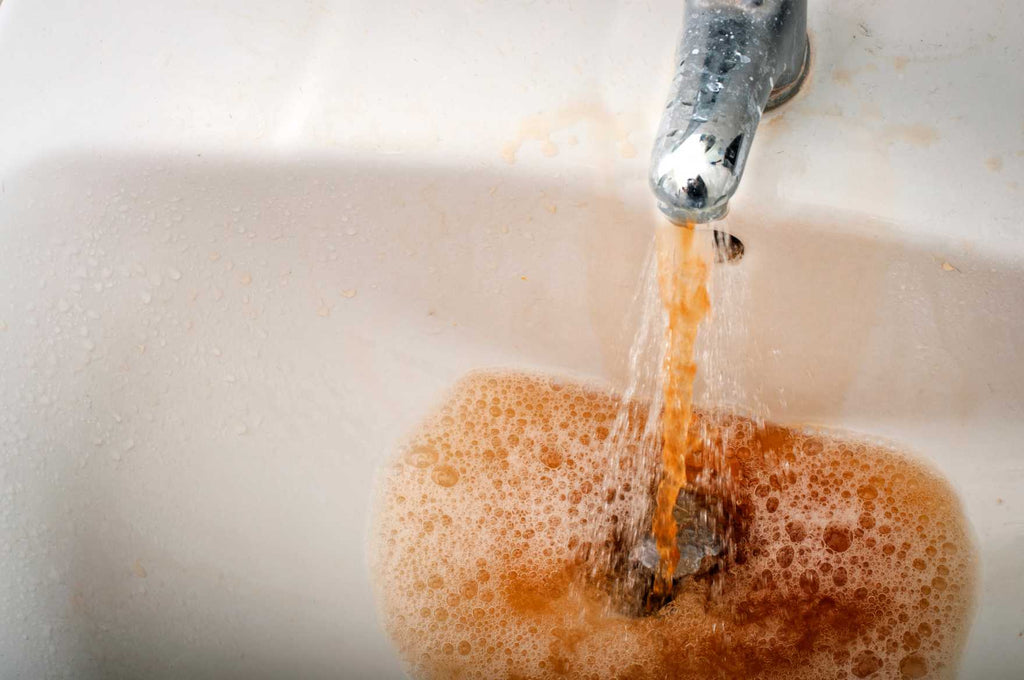
Heavy metals and other metal-related contaminants in drinking water can be difficult to detect. Some water-quality problems produce obvious clues such as metallic taste, staining, particles, or pipe corrosion. Others—including lead and arsenic—may be present even when water looks, smells, and tastes completely normal. Quick answer: Metallic taste, unusual discoloration, blue-green or rust-colored stains, sediment, recurring corrosion, and certain plumbing or source-water risk factors are all reasons to have your water investigated. But none of these can confirm contamination—and the absence of warning signs does not prove the water is free of metals. Laboratory testing is the reliable way to...
How Carbon Water Filters Work: Activated Carbon & Adsorption
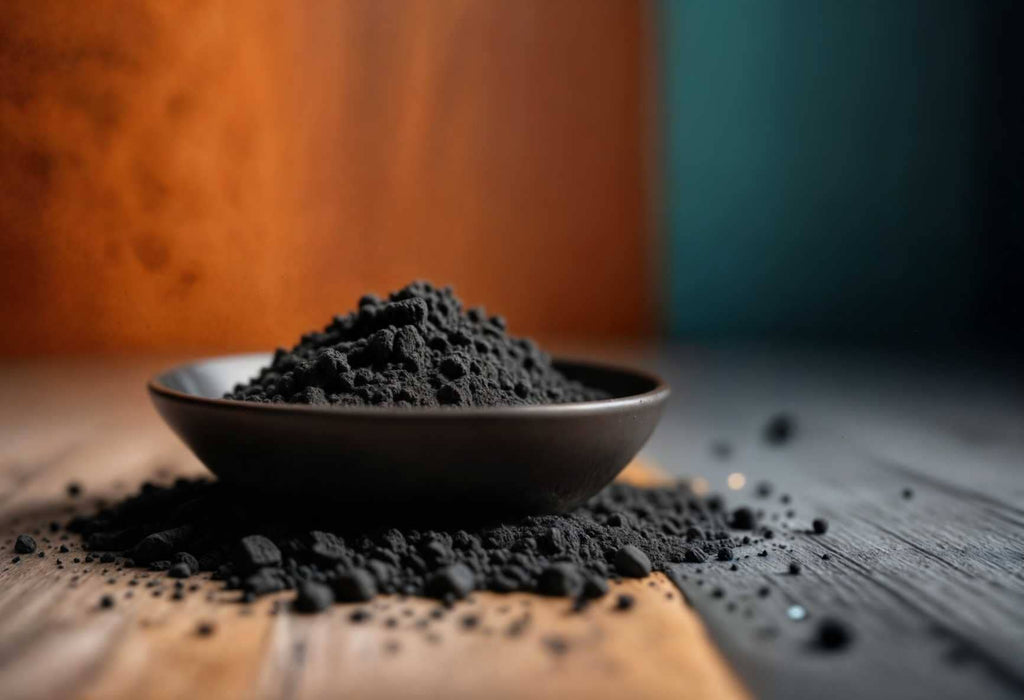
Activated carbon is one of the most widely used materials in drinking-water filtration. Although it may look like ordinary black granules or a solid block, its internal pore structure gives it an enormous surface area that can attract and hold selected substances from water. The key process is called adsorption. Adsorption is different from simply straining particles out of water. Instead, molecules interact with the surface of the activated carbon and remain attached within its extensive pore network. Quick answer: Carbon water filters work mainly through adsorption. Activated carbon contains a large network of microscopic pores that creates extensive internal...
What Causes Hard Water? Why Most Water Filters Don’t Remove It
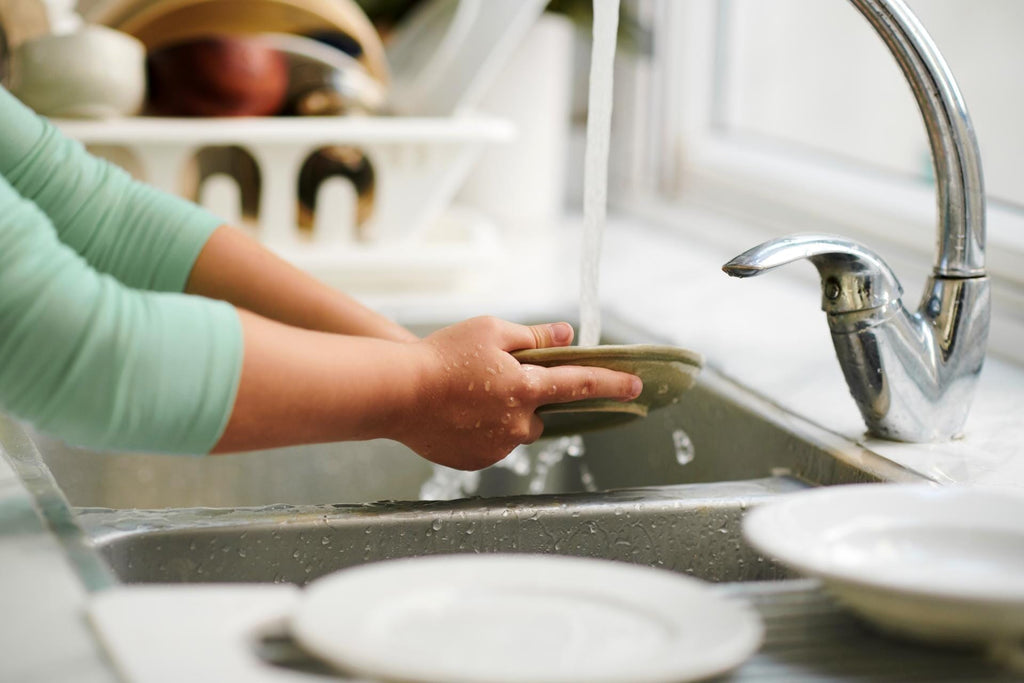
White spots on dishes, scale on faucets, stiff laundry, and soap that does not lather well are all common signs of hard water. Hard water is very common across the United States, but many homeowners are not sure what it is, why it happens, or why many drinking water filters do not remove it. Hard water is not usually a health concern. The minerals that cause hardness, mainly calcium and magnesium, are naturally occurring minerals. The bigger issue is what those minerals can do to your home: scale buildup, appliance wear, cloudy glassware, soap scum, and reduced cleaning performance. This...
Why Does My Water Taste or Smell Strange? Common Causes
Have you ever taken a sip of tap water and immediately noticed something unusual—a metallic taste, chlorine smell, rotten-egg odor, salty flavor, or musty aftertaste? Unusual tastes and odors can come from the water source, municipal treatment, naturally occurring minerals, household plumbing, a water heater, stagnant water, or treatment equipment. Sometimes the problem is mainly aesthetic. In other situations, a sudden change is a reason to investigate the water more carefully. Quick answer: Chlorine-like water may reflect a disinfectant used by the water utility. A rotten-egg odor can indicate hydrogen sulfide or a water heater problem. Metallic tastes may be...
Can You Be Allergic to Tap Water? Causes, Symptoms, and Safe Alternatives
Most people experience itch, reddening, or rash after bathing, hand washing, or even when they quench thirst using tap water- and most readily believe they are "allergic to tap water". But is it possible to become allergic to such a basic thing as water? Pure H₂O cannot cause allergies in people, as the immune system does not respond to water molecules. But a significant percentage of the population reacts to what is in the water. Tap water can contain chlorine, chloramines, metals, minerals, and other irritants that can cause skin or respiratory discomfort. This is where we will be...
7 Warm Winter Drinks That Taste Better with Filtered Water at Home

Have you ever wondered why your favorite hot drinks at your favorite cafe taste cleaner, smoother, and more aromatic than your home-made beverages, even though they use the same ingredients? It can be as basic as water quality. Water isn't just a base liquid. It affects flavor extraction, color, aroma, texture, and mouthfeel. In cases where water is chlorinated, sedimentary, or excessively mineralized, or contains chemicals, these substances interfere with the release and dissolution of flavors. The result? Unbalanced, cloudy, metallic, dull, and bitter gusts of drinks. In this article, we will examine seven warm winter drinks, including traditional tea...
Drinking Water pH Explained: What Range Is Best?
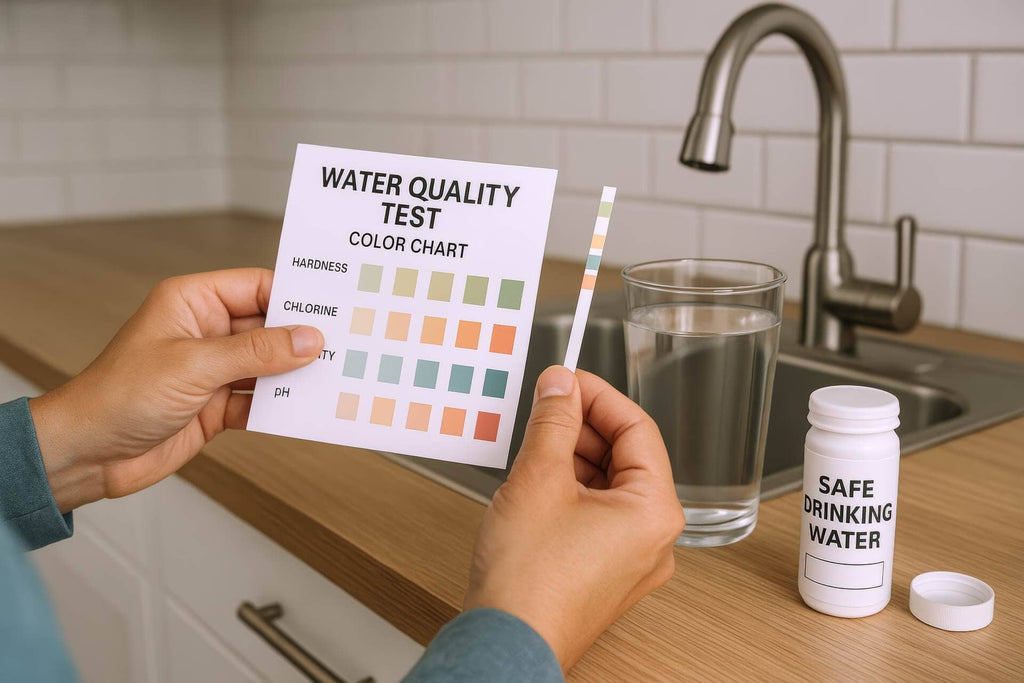
The pH of drinking water indicates how acidic or basic it is. It may sound like a minor chemistry measurement, but pH can influence taste, corrosion, metal leaching, mineral deposits, and the effectiveness of certain water-treatment processes. What pH does not tell you is equally important. A pH reading alone cannot tell you whether water contains lead, arsenic, PFAS, nitrate, microorganisms, or other contaminants. Quick answer: The U.S. Environmental Protection Agency lists pH 6.5 to 8.5 as a secondary drinking-water guideline. This is mainly an aesthetic and technical range related to taste, corrosion, deposits, and water system performance—not a health-based...
Give the Gift of Clean Water: Meaningful Holiday Ideas That Truly Matter
The holidays are a time of love, giving, and making really comfortable gifts, not only in the moment but also for the long term. Consumers have never abandoned impulsive holiday gifts as quickly as they are increasingly turning to thoughtful, meaningful gifts that add to the routine of life in simple yet effective ways. This sustainability shift has provided an exciting trend of gifting clean water. Clean water is vital to the health, well-being, and quality of life. Nevertheless, the WHO and UNICEF report that over 2 billion people worldwide lack access to safe drinking water, and millions of others...
Coconut Shell Activated Carbon in Water Filters: How It Works
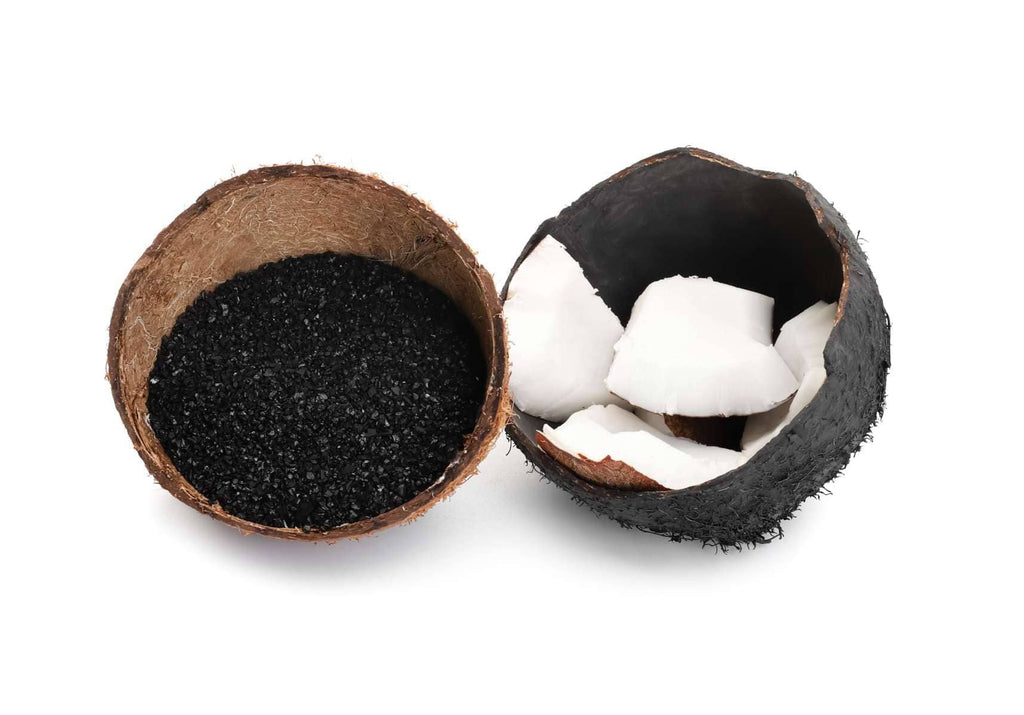
Activated carbon is one of the most widely used materials in drinking-water filtration. Its usefulness comes from an enormous internal surface area filled with microscopic pores that can adsorb selected substances from water. Activated carbon can be made from several carbon-rich raw materials, including coal, wood, and coconut shells. Among these, coconut shell activated carbon (CSAC) is commonly used where a hard, highly microporous carbon is desirable. Quick answer: Coconut shell activated carbon is produced by carbonizing and activating coconut shells, creating a highly porous adsorbent. Its micropore-rich structure can make it particularly useful for adsorption of many smaller organic...
How Water Filters Help the Environment: 7 Big Ways Filtered Water Makes a Difference
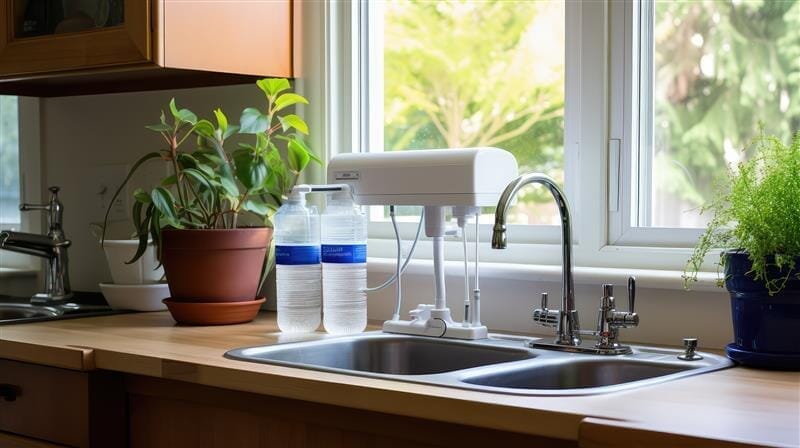
Generally, bottled water is marketed as a cleaner and safer option. In reality, though, it is one of the most significant causes of plastic pollution worldwide. People purchase over 600 billion plastic bottles each year. Most of them are used once and then thrown away. Sadly, many of them end up in landfills, rivers, and oceans. This is where they take hundreds of years to break down. And that right here is really the problem. But that's not all. It is not just a question of waste at all. The manufacturing and distribution of bottled water require the burning of vast quantities of...
Hot Spring Water vs. Mineral Water: What to Know Before Drinking from Natural Sources
Hot springs have fascinated people for centuries. From Japanese onsen towns to European spa resorts, geothermal waters have long been associated with relaxation, travel, bathing rituals, and the restorative feeling of spending time in warm mineral-rich water. But there is an important difference between bathing in hot spring water and drinking it. A spring that feels natural, beautiful, or traditional is not automatically suitable as a drinking water source. Some mineral waters are bottled, tested, and regulated for drinking. Many natural hot springs, however, are intended for bathing only. Their temperature, mineral concentration, surrounding geology, and local conditions can vary...
Bottled Water vs. Filtered Water: Which Costs Less? - The Americans' Cost of Clean Water
Bottled water is convenient, but buying individual bottles or cases every week can become surprisingly expensive. For households that regularly purchase bottled water, switching to filtered tap water may substantially reduce long-term drinking-water costs and dependence on single-use plastic. The actual savings vary from one household to another. Local tap water rates, bottled water prices, daily consumption, filter capacity, replacement schedules, and the type of filtration system all affect the final cost. This guide explains how to calculate the cost of bottled water per gallon, estimate annual household spending, compare common home filtration options, and determine whether filtered water could...
Microplastics in Bottled Water: What Research Really Shows
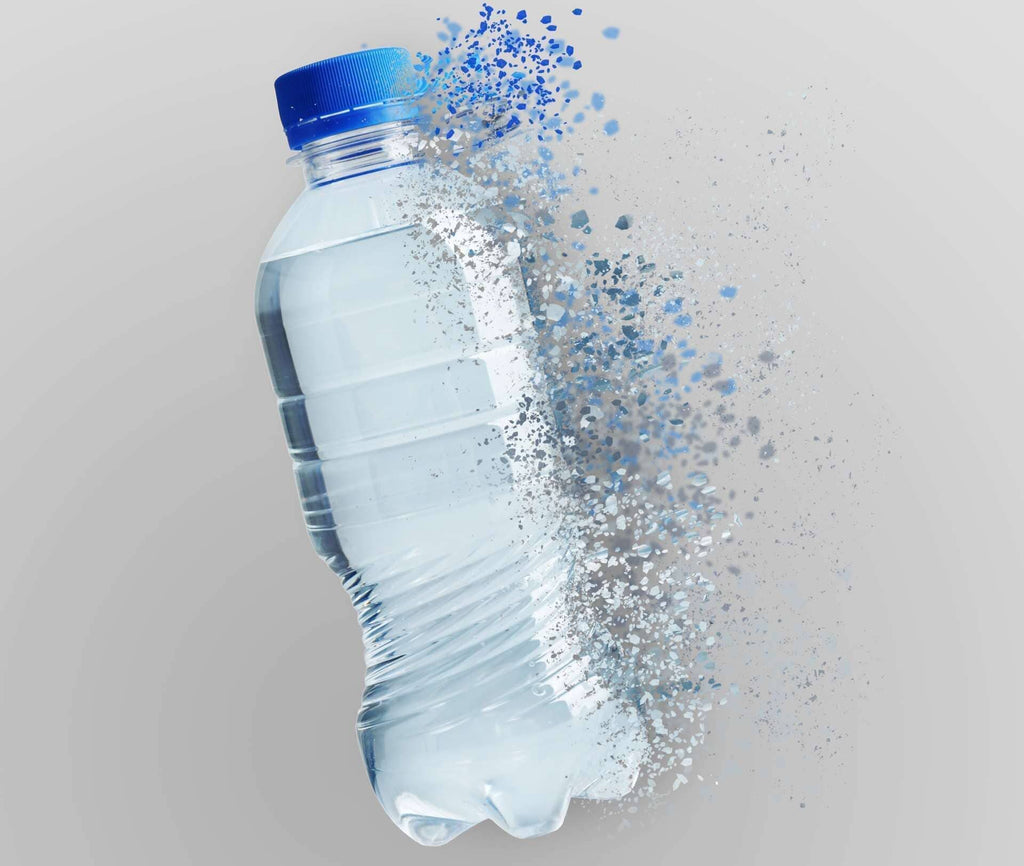
Bottled water is often chosen for convenience and because consumers may perceive it as especially clean. But increasingly sensitive laboratory methods are revealing something that cannot be seen with the naked eye: tiny plastic particles can be present in bottled water. A widely reported 2024 study found an average of approximately 240,000 detectable plastic particles per liter in samples from three brands of bottled water. About 90% of the detected particles were classified as nanoplastics—much smaller particles that earlier analytical methods frequently missed. What does that mean for people who drink bottled water? The discovery is important, but it does...
How Staying Properly Hydrated Can Help You Age Healthier and Stronger

For years, people have been searching for new anti-aging creams, supplements, and weight loss diets. But the powerful source of aging healthier and stronger has been streaming from our taps throughout: water. Satisfying thirst is not only about maintaining adequate fluid intake. Maintaining good hydration is crucial to how our bodies age, not only for preserving our cells' health and our muscles' strength, but also for keeping our brains sharp and our skin supple. Nevertheless, the majority of older people are unable to sustain their daily water intake, and this mere carelessness has cumulative effects that persist into our later life. The article...
What Are The Different Types Of Water? Tap, Filtered, Mineral & More
Water may seem simple, but the water in your glass can differ considerably depending on its source, treatment method, mineral content, packaging, and intended use. Tap water, filtered water, mineral water, distilled water, spring water, purified water, alkaline water, and sparkling water are not simply different brand names for the same thing. Each describes something about where the water came from, how it was treated, what it contains, or how it was prepared. Quick answer: There is no single type of water that is best for everyone. For everyday hydration, properly treated tap water, appropriately filtered water, and regulated bottled...
Synthetic Organic Chemicals: Examples, Risks & Drinking Water
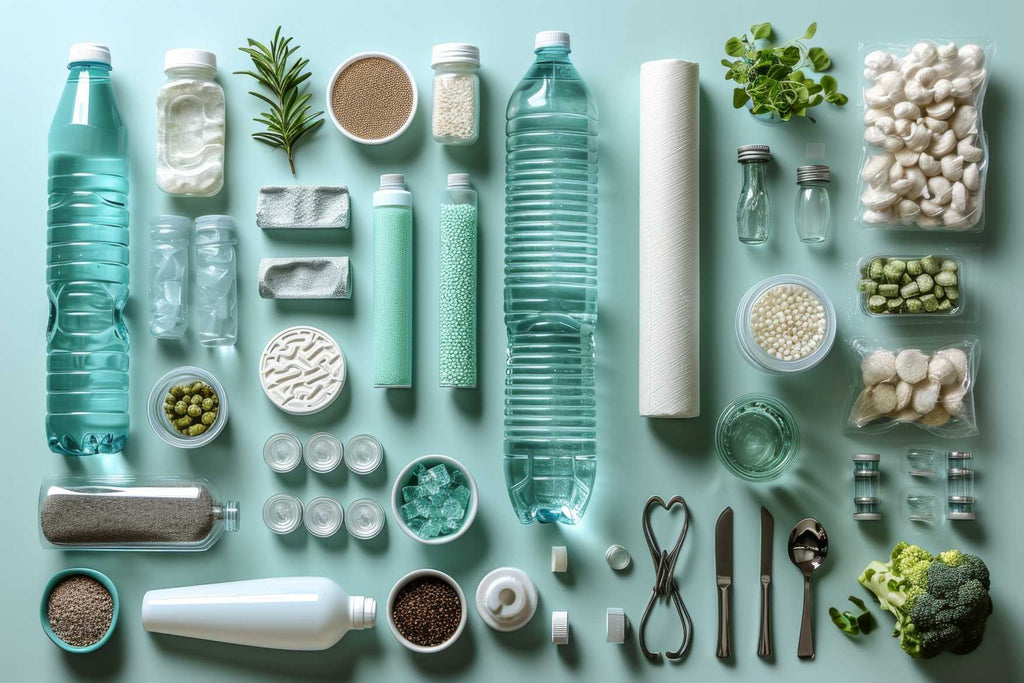
Synthetic organic chemicals, often shortened to SOCs in drinking-water regulation, are carbon-containing chemicals produced through human-controlled chemical manufacturing or synthesis. They are an enormous and diverse group. Depending on the context, synthetic organic chemicals can include: Pesticides and herbicides Industrial solvents Plasticizers PFAS Polymers Pharmaceuticals Flame retardants Many other industrial and consumer-product chemicals Quick answer: “Synthetic organic chemical” describes a broad chemical category, not a level of danger. Some SOCs are low-toxicity at ordinary exposures, while others are regulated because they can affect human health or the environment. In drinking water, concern depends on the specific compound, its concentration, the...
Volatile Organic Compounds (VOCs): Examples, Risks & Water
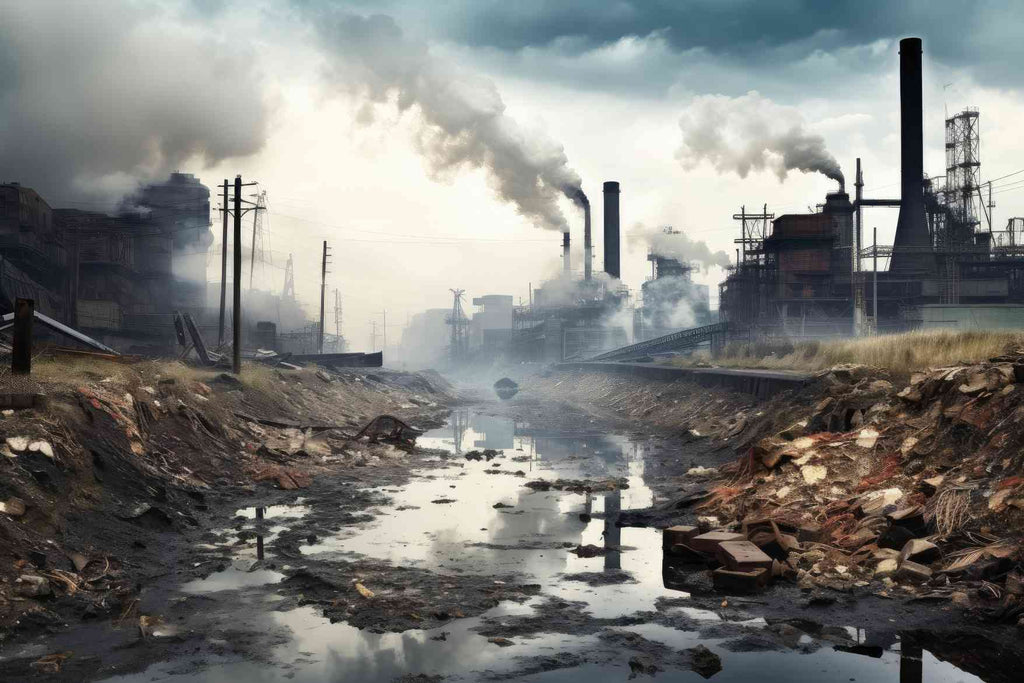
Volatile organic compounds, commonly called VOCs, are a broad group of carbon-containing chemicals that can readily enter the air as gases. Some can also contaminate groundwater or drinking-water supplies. You may encounter VOCs from paint, solvents, gasoline, cleaning products, building materials, dry-cleaning chemicals, industrial activity, fuel leaks, and certain drinking-water treatment byproducts. Quick answer: VOCs are not one single contaminant. They are a large chemical category that includes substances with very different sources, uses, and health effects. Some primarily cause odor or irritation concerns, while others—such as benzene, vinyl chloride, trichloroethylene, and tetrachloroethylene—are regulated due to more serious health concerns....