

Minimalist living isn't about owning as little as possible. It's about owning enough—the things you genuinely use, need, or value—without letting unnecessary possessions take over your home.
That means a minimalist essentials list will look different for every household. A family of five needs more dishes and towels than someone living alone. A serious home cook may need equipment that another person never uses. Someone who works from home needs a different setup from someone who commutes every day.
The simplest rule: Keep what supports your actual life. Remove duplicates, broken items, abandoned hobbies, unnecessary backups, and possessions you keep only because you feel guilty about letting them go.
This room-by-room minimalist essentials list gives you a practical starting point for deciding what stays, what goes, and what you probably don't need to buy in the first place.
What Is Minimalist Living?
Minimalist living means intentionally reducing unnecessary possessions so your home is easier to use, maintain, and enjoy.
It doesn't require white walls, empty rooms, expensive furniture, or fitting your entire life into a suitcase.
A practical minimalist home can still contain:
- Books
- Art
- Musical instruments
- Children's toys
- Cooking equipment
- Collections
- Hobby supplies
- Sentimental possessions
The question isn't simply "Do I own this?"
A better question is: "Does owning this make sense for the life I actually live?"
What Are the Benefits of a Minimalist Home?
Less Visual Clutter
When fewer things compete for your attention, a room can feel calmer and more intentional.
Clear surfaces and open floor space can also make even a relatively small home feel larger.
Easier Cleaning
Every possession requires some combination of storing, organizing, dusting, washing, maintaining, moving, or eventually disposing of it.
Fewer possessions generally mean fewer things to manage.
More Usable Space
Decluttering can give you back closets, cabinets, countertops, floors, garages, and entire rooms that were previously being used primarily for storage.
More Intentional Spending
Minimalism can change the question from "Do I want this?" to "Do I want to own, store, maintain, and eventually dispose of this?"
That extra question can prevent many unnecessary purchases.
Easier Organization
Organization becomes much simpler when drawers and closets aren't filled beyond capacity.
Instead of continually buying organizers, the first solution is often simply owning fewer things.
The Minimalist Rule: Useful, Meaningful, or Necessary
When deciding whether to keep something, ask whether it falls into at least one of these categories:
| Question | What It Means |
|---|---|
| Is it useful? | You actually use it often enough to justify owning it. |
| Is it necessary? | You may not use it frequently, but there is a practical reason to keep it. |
| Is it meaningful? | It has genuine sentimental, artistic, cultural, or personal value. |
| Would I buy it again? | If you wouldn't spend money on it today, consider why you're still storing it. |
| Could I easily replace it? | Cheap, easily replaced items don't always need to be kept "just in case." |
A Simple Four-Step Decluttering Method
You don't need a complicated system. Use the same four steps in each area of your home.
1. Remove
Take everything out of one manageable area—a drawer, cabinet, shelf, countertop, or closet section.
Starting small is often more sustainable than emptying an entire room at once.
2. Group
Put similar things together.
This exposes duplicates surprisingly quickly. Five bottle openers scattered through a kitchen may not seem excessive until they're all sitting next to each other.
3. Evaluate
Decide what genuinely deserves space in your home.
Possible destinations are:
- Keep
- Donate
- Sell
- Recycle
- Dispose
- Relocate to the room where it actually belongs
4. Restore
Clean the empty space and return only the items you've decided to keep.
Give frequently used items the easiest-to-reach locations.
Don't buy organizers yet. Declutter first. Once you know exactly what you're keeping, you'll know whether you actually need additional storage.
Minimalist Living Room Essentials
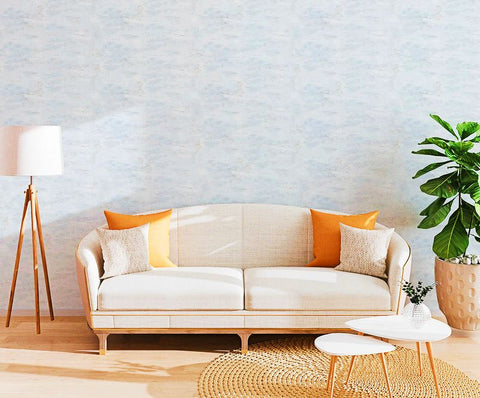
Your living room should reflect what actually happens there.
Some households primarily use the room for conversation. Others watch movies, read, entertain guests, play games, or spend time with children.
Essential Living Room Furniture
- Sofa or seating: Enough comfortable seating for the people who regularly use the room.
- Coffee or side table: One practical surface may be enough.
- Lighting: A floor or table lamp if the built-in lighting isn't sufficient.
- Media furniture: Only if you actually need it for a television or equipment.
- Storage: A basket, cabinet, or shelf when there are items that genuinely need to live in the room.
Living Room Items Worth Keeping
- A few comfortable pillows
- One or two blankets
- Books you're currently reading or regularly revisit
- Games you actually play
- A few meaningful decorative objects
- Frequently used electronics and remote controls
What to Reduce
- Decorations you no longer notice or enjoy
- Old magazines
- Unused electronics
- Excess throw pillows
- Furniture that mostly collects clutter
- Cables for devices you no longer own
Minimalist Kitchen Essentials

Kitchens accumulate duplicates faster than almost any other room.
Mugs, reusable bottles, storage containers, utensils, gadgets, appliances, and pantry ingredients can multiply without anyone deliberately deciding to collect them.
The goal isn't to own the fewest possible kitchen tools. It's to make cooking easier.
Basic Minimalist Kitchen Essentials
- Plates and bowls
- Drinking glasses or cups
- Forks, knives, and spoons
- Chef's knife
- Small utility or paring knife
- Cutting board
- One or two useful pots
- One or two useful pans
- Spatula
- Tongs
- Ladle or large spoon
- Whisk, if regularly used
- Measuring cups and spoons
- Mixing bowl
- Can opener
- Food-storage containers
- Kitchen towels
- Dishwashing supplies
- Trash and recycling containers
How Many Dishes Do You Need?
There is no minimalist rule requiring exactly four plates or two coffee mugs.
A useful approach is to keep enough for your household's normal routine plus a reasonable number for guests.
If two people live in your home but you own 28 coffee mugs, that's probably an easier place to simplify than eliminating a cooking tool you use every week.
Optional Kitchen Appliances
These aren't universal essentials. Keep them when they earn their space through regular use:
- Microwave
- Toaster or toaster oven
- Coffee maker
- Electric kettle
- Blender
- Food processor
- Rice cooker
- Pressure cooker or multicooker
- Stand mixer
- Countertop drinking-water filter
If you prefer countertop water filtration without permanent plumbing, a gravity-fed system can fit naturally into a simple kitchen setup. See our Berkey Water Filter Systems comparison for the different countertop sizes.
Minimalist kitchen rule: An appliance you use three times a week isn't clutter. An appliance you haven't used in three years probably is.
Minimalist Pantry Essentials
A minimalist pantry isn't necessarily a tiny pantry. It's one where you can see what you have and actually use it before it expires.
Build your pantry around the foods your household genuinely eats.
Common staples might include:
- Rice or other grains
- Pasta
- Beans or lentils
- Cooking oil
- Salt and commonly used seasonings
- Canned foods you regularly eat
- Baking staples if you bake
- Coffee or tea
- Breakfast staples
- Frequently used sauces and condiments
Before grocery shopping, check what you already have. Pantry minimalism is as much about reducing food waste as it is about reducing clutter.
Minimalist Bathroom Essentials

Bathrooms are usually small, so even modest amounts of clutter can make them difficult to clean and organize.
Bathroom Essentials
- Bath towels
- Hand towels
- Washcloths, if used
- Bath mat
- Shower curtain and liner, if required
- Toilet paper
- Toilet brush
- Plunger
- Trash can
- Toothbrush and toothpaste
- Dental floss
- Soap or body wash
- Shampoo and conditioner as needed
- Basic skincare products you actually use
- Deodorant
- Razor and shaving supplies, if used
- Nail clippers
- Basic first-aid supplies
- Bathroom cleaning supplies
Bathroom Items to Declutter
- Empty bottles
- Products you tried but don't like
- Old cosmetics
- Expired products
- Hotel toiletries you'll probably never use
- Duplicate grooming tools
- Unnecessary backup products
Follow appropriate disposal guidance for medications rather than simply throwing them away or flushing them.
Minimalist Bedroom Essentials

A bedroom has one primary purpose: supporting rest.
Keeping it visually simpler than the busiest parts of your home can make it easier to wind down at the end of the day.
Bedroom Furniture
- Bed: Mattress, platform, bed frame, or futon appropriate for your space.
- Bedside surface: Optional but useful for a lamp, water, phone, or book.
- Lighting: Soft bedside lighting if useful.
- Clothing storage: A closet, dresser, wardrobe, or combination appropriate for the amount of clothing you keep.
Bedroom Essentials
- Sheets
- Pillowcases
- Pillows
- Blanket, quilt, or comforter
- Laundry hamper
- Curtains or blinds when needed
- A small number of personal or decorative items
What to Remove From the Bedroom
- Clothing piles
- Unnecessary paperwork
- Empty packaging
- Unused electronics
- Furniture used primarily as a dumping ground
- Excess bedding
Minimalist Wardrobe Essentials
A minimalist wardrobe doesn't require wearing the same black shirt every day.
It simply means owning clothing that fits, gets worn, works reasonably well together, and suits your actual climate and activities.
A practical wardrobe might include:
- Everyday tops
- Everyday pants, skirts, or shorts
- Underwear and socks
- Sleepwear
- Exercise clothing if needed
- Work clothing appropriate to your job
- One or more dressier outfits when your lifestyle requires them
- Seasonal outerwear
- Everyday shoes
- Activity-specific footwear you genuinely use
Instead of following an arbitrary number of garments, remove clothes that:
- No longer fit
- Are uncomfortable
- Haven't been worn in a reasonable period
- Are badly damaged and won't be repaired
- Duplicate something you always choose instead
Minimalist Laundry Essentials
Laundry areas can accumulate half-used products and gadgets surprisingly quickly.
For many households, the essentials are simple:
- Laundry detergent
- Stain treatment if regularly needed
- Laundry basket or hamper
- Drying rack or clothesline if used
- Iron or steamer only if you actually use one
You don't necessarily need multiple specialty detergents, scent boosters, fabric products, and laundry gadgets unless they solve a real problem for your household.
Minimalist Home Office Essentials
A minimalist office should remove distractions without removing the tools you need to work effectively.
Home Office Essentials
- Desk or suitable work surface
- Comfortable chair
- Computer or laptop
- Monitor, keyboard, or mouse if your work requires them
- Good lighting
- Notebook or planner if used
- A few pens
- Charging equipment
- Small filing system for documents that must remain on paper
Home Office Clutter to Reduce
- Outdated paperwork
- Duplicate cables
- Old electronics
- Broken office supplies
- Unused notebooks
- Instruction manuals available online
- Packaging for products you no longer own
Minimalist Entryway Essentials
Your entryway works best as a transition point—not long-term storage.
Useful items may include:
- Doormat
- Shoe rack or basket
- Hooks for frequently used coats and bags
- Small tray for keys
- Mail basket
- Umbrella storage if appropriate for your climate
Only current-season shoes, jackets, and frequently used bags need to live near the door.
Minimalist Garage Essentials

Garages easily become permanent holding areas for decisions we don't want to make.
Instead, organize the garage around its actual functions.
That may include:
- Basic tools
- Automotive supplies
- Bicycles
- Sports equipment
- Gardening tools
- Home-maintenance supplies
- Seasonal items
- Outdoor equipment
Use wall space and shelving where practical so the floor remains accessible.
A garage isn't a waiting room for unwanted possessions. If an item has been sitting there for years because you're planning to sell, repair, donate, or use it “someday,” give yourself a realistic deadline.
Minimalist Cleaning Essentials
You generally don't need a different cleaning product for every object in the house.
A simple household cleaning kit might include:
- General-purpose cleaner appropriate for your surfaces
- Glass cleaner if needed
- Disinfectant for situations where disinfection is appropriate
- Microfiber or reusable cleaning cloths
- Sponge or scrub brush
- Broom and dustpan
- Vacuum appropriate for your flooring
- Mop or floor-cleaning system
- Trash bags
- Protective gloves when needed
Before buying another cleaner, ask whether something you already own can safely perform the same job.
Don't Forget Digital Minimalism
Physical clutter isn't the only kind that creates friction.
Digital clutter can include:
- Thousands of unnecessary photos
- Unused apps
- Hundreds of unread promotional emails
- Duplicate files
- Desktop clutter
- Old downloads
- Unused subscriptions
- Constant notifications
Try treating digital spaces the same way you treat physical ones: remove what you don't need and organize what remains.
How Many of Each Item Should a Minimalist Own?
One of the most common mistakes is looking for a universal number.
There isn't one.
A better formula is:
Enough for normal use + a reasonable buffer = enough.
For example, if you do laundry once a week, owning only two pairs of socks isn't practical minimalism.
Likewise, if you entertain 10 people twice a month, owning only two dinner plates creates inconvenience rather than simplicity.
The goal is not the lowest possible number. The goal is eliminating possessions that don't provide enough value to justify the space and attention they require.
Minimalist Essentials Checklist
Living Room
- Comfortable seating
- Useful table or surface
- Lighting
- Limited entertainment equipment
- A few meaningful personal items
Kitchen
- Everyday dishes and utensils
- Good knives and cutting board
- Basic cookware
- Food-storage containers
- Only regularly used appliances
- Basic cleaning supplies
Bathroom
- Towels
- Basic toiletries
- Personal-care products you actually use
- Toilet and cleaning supplies
- Basic first-aid supplies
Bedroom
- Bed and bedding
- Appropriate lighting
- Clothing storage
- Laundry hamper
- Window covering when needed
Home Office
- Desk
- Comfortable chair
- Necessary computer equipment
- Lighting
- Minimal stationery
- Document storage
Entryway
- Doormat
- Shoe storage
- Hooks
- Key tray
- Simple mail system
Things You Probably Don't Need
Every household is different, but these categories are worth reviewing:
- Multiple versions of the same kitchen gadget
- Clothes kept for a hypothetical future life
- Broken items awaiting repair for years
- Old electronics and mystery cables
- Excess decorative objects
- Expired food and toiletries
- Unused exercise equipment
- Abandoned hobby supplies
- Products purchased in bulk but rarely used
- Excessive backup supplies
- Furniture that primarily stores clutter
- Boxes kept only because the item came in them
Common Minimalist Living Mistakes
1. Getting Rid of Too Much Too Quickly
Decluttering shouldn't create a second problem where you repeatedly have to rebuy useful things.
If you're uncertain about something, put it in a temporary holding box and set a date to reconsider it.
2. Trying to Copy Someone Else's Minimalism
A minimalist home occupied by one person will look very different from a home with children, pets, hobbies, or a home business.
Design for your life, not for photographs on social media.
3. Buying a New Minimalist Aesthetic
You don't need to replace perfectly functional belongings with beige storage containers, matching glass jars, or expensive minimalist furniture.
Using what you already own is often the more minimalist choice.
4. Buying Storage Instead of Decluttering
Storage products can organize clutter without reducing it.
Decide what deserves to stay before buying containers for it.
5. Keeping Things Because They Were Expensive
The money has already been spent.
If an expensive item is no longer useful, keeping it doesn't recover the purchase price.
Selling it may be a better option when practical.
6. Keeping Gifts Out of Guilt
A gift served its purpose when someone gave it to you.
You can appreciate the person or memory without necessarily storing every physical object forever.
7. Treating Empty Space as a Problem
You don't have to fill every wall, shelf, corner, cabinet, and tabletop.
Unused space can itself be useful. It makes rooms easier to clean, allows storage to adapt to changing needs, and gives the home visual breathing room.
How to Start Minimalist Living Without Feeling Overwhelmed
Don't begin with your entire house.
Choose one small area that can be completed in less than an hour.
Good starting points include:
- One kitchen drawer
- Your bathroom counter
- A bedside table
- Your entryway
- One shelf
- Your refrigerator door
- One category of clothing
Finish that area completely before moving to another.
Small completed projects create visible progress and make the next area easier.
How to Keep Your Home Minimalist
Decluttering once doesn't prevent clutter from returning.
The long-term solution is controlling what enters your home.
Try a One-In, One-Out Rule
When you buy a replacement shirt, pair of shoes, kitchen tool, or similar item, consider removing the old one.
Use a Waiting Period
For nonessential purchases, wait a day or several days before buying.
The desire to own something often fades once the initial impulse passes.
Keep a Donation Box
Maintain one small designated box for useful items you no longer want.
When it's full, donate the contents rather than allowing them to migrate back into closets.
Review Problem Areas Regularly
Pay attention to the places that repeatedly become cluttered.
A cluttered surface often indicates that the items accumulating there don't have an obvious home—or that you're keeping too many of them.
Minimalist Living FAQ
What are the essentials for minimalist living?
The essentials are the possessions that support your everyday needs: appropriate furniture, clothing, cookware, dishes, bedding, toiletries, cleaning supplies, work equipment, and meaningful personal items. The exact list depends on your household and lifestyle.
How many things should a minimalist own?
There is no correct number. Practical minimalism focuses on whether possessions are useful, necessary, or meaningful rather than reaching an arbitrary item count.
What should I get rid of first when becoming a minimalist?
Start with low-emotion clutter: expired products, broken items, obvious duplicates, empty packaging, old paperwork, unused cables, and things you already know you don't want.
What should a minimalist kitchen have?
A minimalist kitchen needs enough dishes and utensils for the household, basic knives, a cutting board, useful pots and pans, food storage, cleaning supplies, and the appliances used regularly.
Does minimalism mean getting rid of sentimental items?
No. Meaningfulness is a legitimate reason to keep something. The goal is to distinguish possessions that genuinely matter from things kept automatically because they are old or were gifts.
Can a family with children live minimally?
Yes. Family minimalism doesn't require owning as little as a single adult. It means keeping an appropriate amount of clothing, toys, school supplies, equipment, and household items while controlling unnecessary accumulation.
Do minimalists have decorations?
They can. A few pieces you genuinely enjoy may contribute more to a room than many decorations you barely notice.
Should I throw everything away?
No. Useful items can often be sold or donated, while recyclable materials should be recycled where appropriate. Dispose of items responsibly in accordance with local requirements.
Do I need to buy minimalist furniture?
No. If your existing furniture works, replacing it solely to achieve a particular minimalist look can lead to unnecessary expense and waste.
How do I stop clutter from coming back?
Focus on what enters the home. Buy more deliberately, maintain designated storage locations, remove replaced items, and periodically review areas where clutter tends to accumulate.
Final Thoughts
Minimalist living isn't about proving how little you can survive with.
It's about finding the amount of stuff that makes your life easier, not harder.
Your ideal home may contain more books, cookware, musical instruments, children's toys, tools, or hobby equipment than someone else's—and still be minimalist if those possessions genuinely support the way you live.
Start small. Clear one drawer, shelf, countertop, or closet section. Put similar items together and ask which ones you actually use, need, or value.
Then return only what deserves the space.
The goal isn't an empty home. It's a home where the things you own have a reason to be there.