
Water Quality & Home Filtration Resource Center
What Is Turning The Oceans Into Acid?
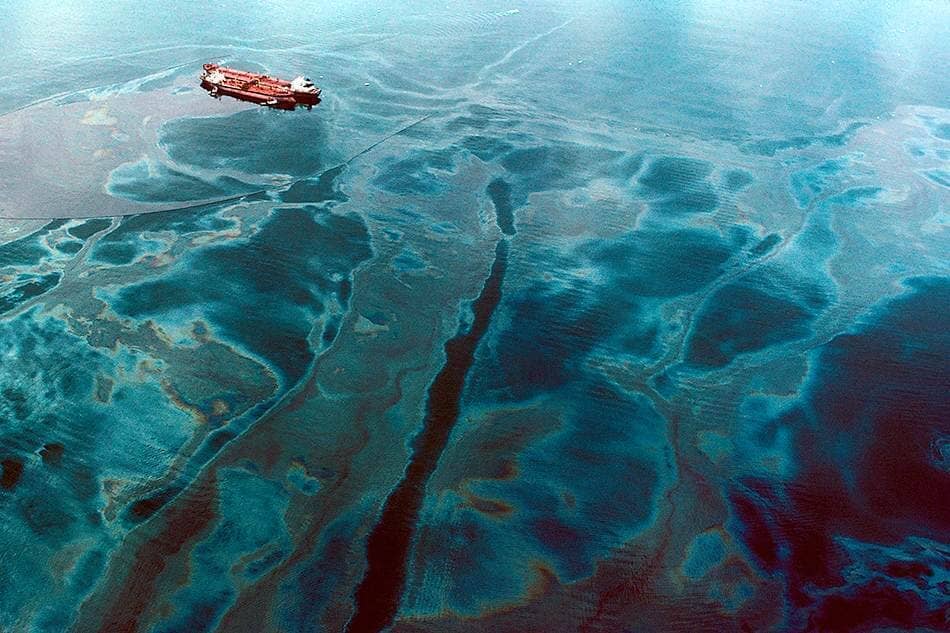
Due to our abuse of natural resources such as fossil fuels, rampant deforestation, and changes in the land use, it has caused havoc on the oceans. Climate change has led to dangerous phenomenon around the world. It has also caused the release of carbon dioxide which lead to ocean acidification.
Ultimately, the oceans absorb the carbon dioxide found in the atmosphere. It plays an essential role in the climate regulation as it mitigate climate change. However, with the unprecedented amount of carbon dioxide created by the humans, it surpasses what our oceans can absorb. Thus, it changes ocean chemistry making it more acidic. In this article, we will understand further what is turning the oceans into acid.
What Is the pH Level of Water? Tap, Pure, and Filtered Drinking Water Explained
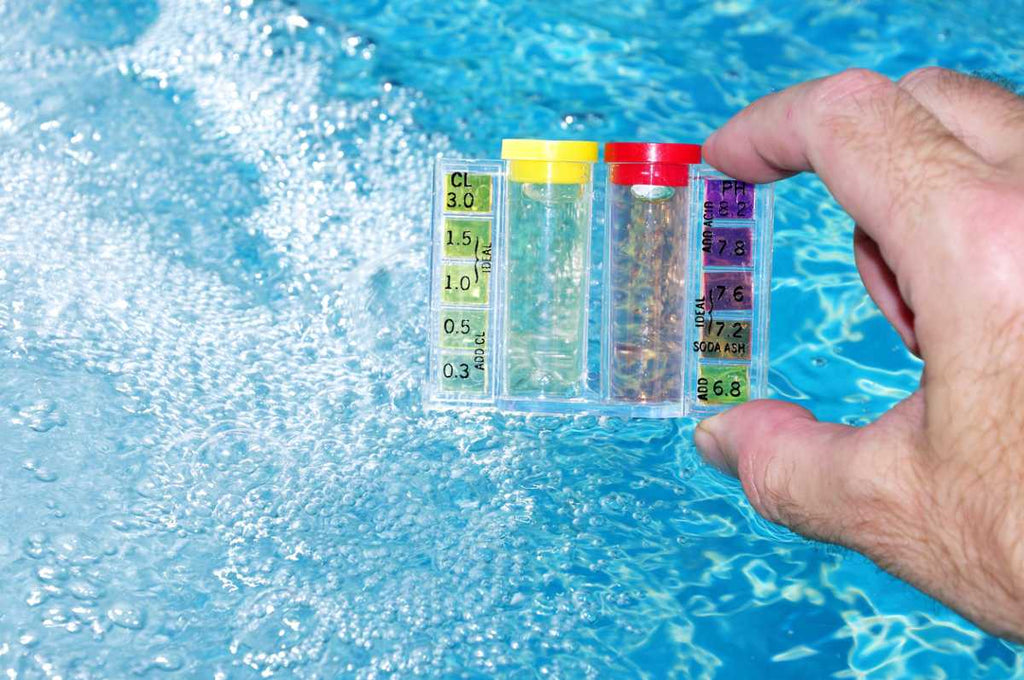
The pH of water indicates whether it is acidic, neutral, or alkaline, but there is no single pH value for all types of drinking water. Tap, pure, distilled, reverse-osmosis, and filtered water can all measure differently depending on source-water chemistry, mineral content, treatment, storage, and exposure to air. Quick comparison: Public tap water is often managed within EPA's secondary pH guideline of 6.5 to 8.5, though local values vary. Pure water is approximately neutral under controlled conditions. Distilled and reverse-osmosis water can measure mildly acidic because they have little buffering capacity. Filtered water has no universal pH—the result depends on...
What Is The Water-Energy Nexus? The Definition And Concept Explained
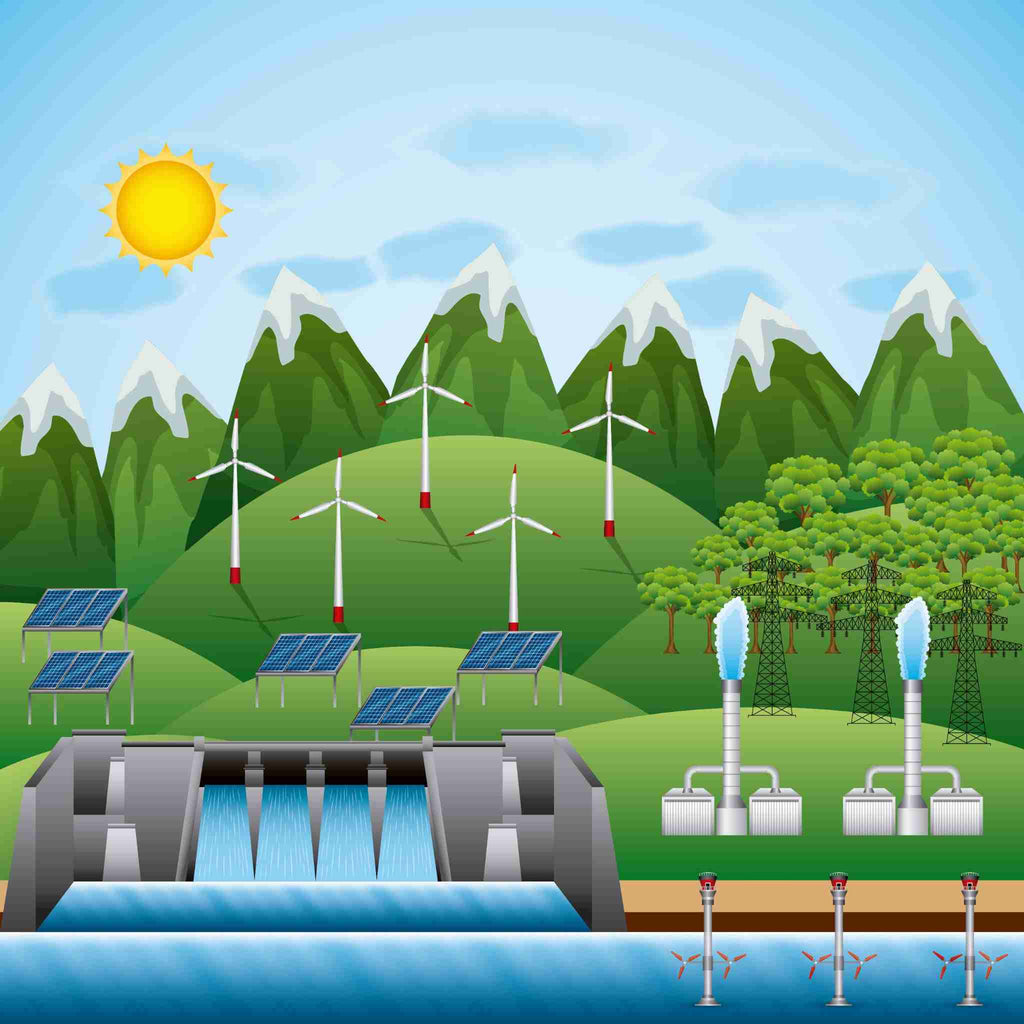
Water and energy are fundamental components of our 21st-century life, but they can no longer be considered separately. Just as producing energy consumes water, pumping, treating and distributing water requires energy. In other words, water is an energy issue; energy is a water issue. Called the water-energy nexus, this interrelationship is beginning to receive the attention it merits.
The resulting Report to Congress on the Interdependency of Energy and Water concluded that major changes in the generation, transmission, and distribution of energy might be needed in certain regions to address water issues.
The water-energy nexus can be considered from two main points of view: energy consumed to pump, treat and deliver water and water used to produce energy. Awareness of both perspectives is essential for resource management.
Nutrient Pollution-One of America’s Most Challenging Environmental Problems
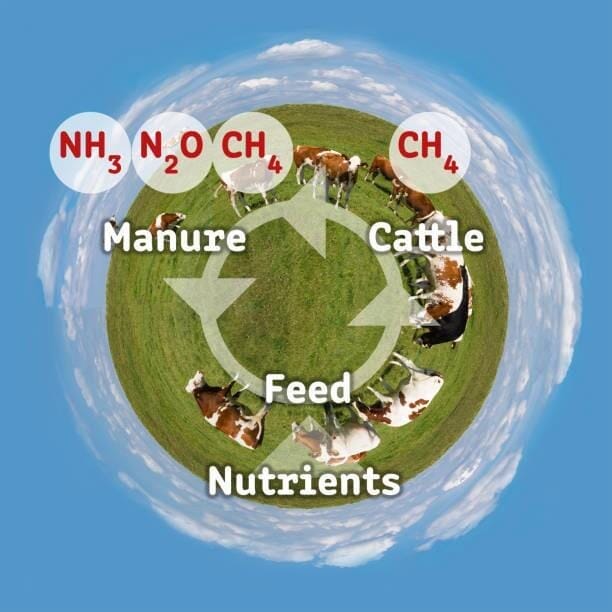
Nutrient (aka nitrogen and phosphorus) pollution is one of America’s most widespread, costly and challenging environmental problems. It is caused by excess nitrogen and phosphorus in the air and water.
Nutrients are chemical elements that all living organisms—plants and animals—need to grow. When too much nitrogen and phosphorus enter the environment—usually from a wide range of human activities—the air and water can become polluted.
How Does Well Water Get Contaminated?
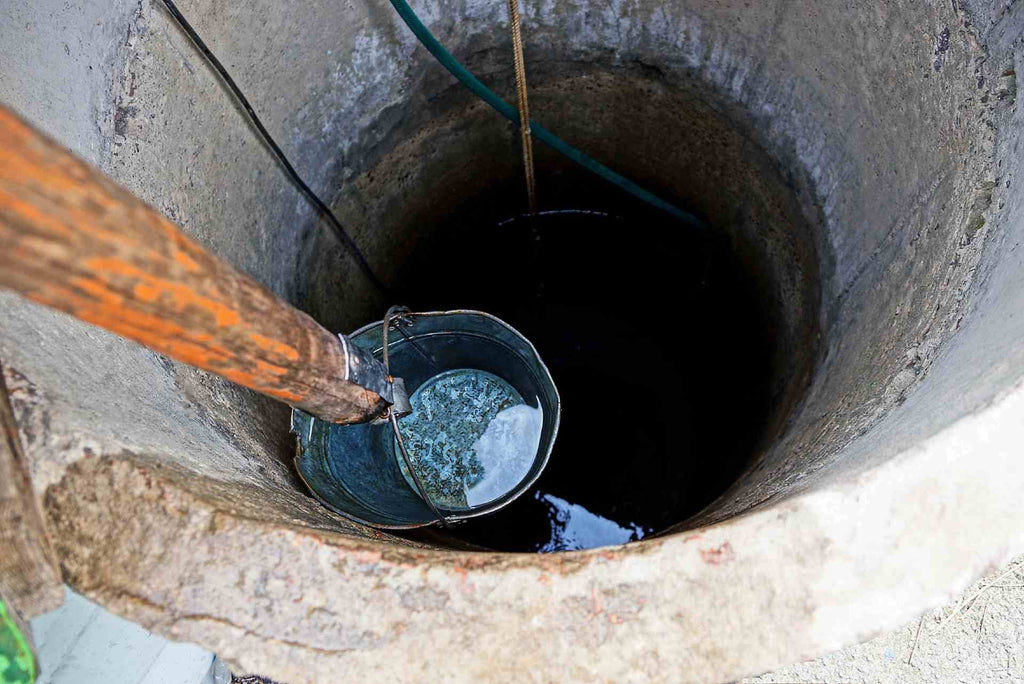
Groundwater contamination is due to our everyday activities. It becomes vulnerable, especially where the population density is high and the land use is intensive. In general, any type of activity which releases wastes or chemicals in the environment can potentially pollute the groundwater. Indeed, it is expensive and difficult to clean contaminated groundwater.
Before resolving how to address water pollution, it is best to understand first how ground and surface waters are related. You can manage and fully understood everything if you acknowledge the fact that it is interconnected. If a water supply is near to the source of contamination, then there is a risk. If there is a stream or river nearby, then the groundwater can have a chance to become polluted.
Hurricane Preparedness Guide: Protecting Your Home, Family, and Property Before a Storm

Hurricane Preparedness Guide: Protecting Your Home, Family, and Property Before a Storm Hurricanes can bring high winds, heavy rain, storm surge, flooding, and extended utility disruptions. Preparing before a storm arrives can help protect your family, reduce property damage, and make recovery easier afterward. This guide covers practical hurricane planning steps for homeowners and families, including how to prepare your home, stay informed, respond to evacuation guidance, and safely return after a storm. How Hurricanes Affect Homes and Communities Hurricanes are large storm systems that form over warm ocean waters and may move inland. Their impacts can include damaging winds,...
Fluoride and Babies: Is Fluoridated Water Safe for Infant Formula?

Fluoride is basically a compound that is naturally existing and very common to the environment. It is usually found in almost everywhere – water, soil, plants, rocks, and sometimes even in the air we breathe.
According to the aspects of Chemistry, the said chemical is the negative ion of fluorine that is usually bounded to an alkyl group. It is monoatomic and inorganic anion with salts that are usually colorless and odorless. Typically, the said salts have a very distinguishing taste caused by its bitterness.
Moreover, fluoride can also found in our bones and teeth. It is well known to help prevent and even regress the early development of dental decay. Scientists have studied and shown that the chemical asserts the oral health in two ways: when it is taken in, it helps the development of the teeth and makes it more durable and; when it is applied to the enamel or to the very surface of the teeth, it helps rebuild, remineralize, and strengthen the surface of the teeth. It also prevents the acid produced from bacteria that reside in tartars and plaques from demineralizing the enamels of the teeth.
In some ways, fluoride has increased its popularity for a lot of manufacturers. It has become the main medium in creating most dental products due to its oral health benefits. And since a lot of experts have proven its positive effects on people, companies such as Colgate and other big personalities encourage the community to use products with the standard amount of fluoride in order to improve their oral hygiene and oral health.
Furthermore, having good and strong teeth not only make the people boost their confidence and smile more, but also help the government save a portion in their budget that’s allotted for the allowance of the community’s health – instead of spending too much on the maintenance of the people’s oral health, they could just allocate the money on other things and help those who truly need it.
What Is Arsenic Poisoning? What Are The Effects Of Arsenic?
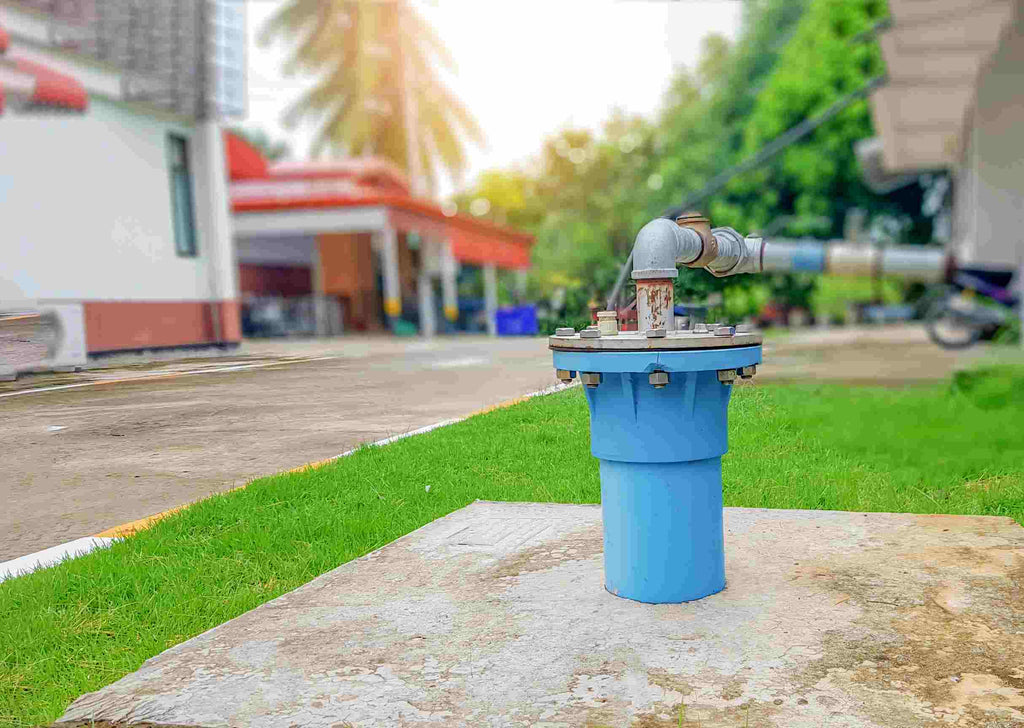
```html Arsenic in Drinking Water: What Homeowners Should Know Arsenic is a naturally occurring element that can sometimes be found in groundwater and drinking water sources. While arsenic occurs naturally in rocks and soil, elevated concentrations in drinking water can be a concern in certain regions. Many homeowners first learn about arsenic after reviewing a water quality report, testing a private well, or reading news reports about groundwater contamination. Understanding where arsenic comes from and how it may affect drinking water can help you make informed decisions about water testing and treatment. This guide explains what arsenic is, how it...
How much Fluoride In Tap Water VS In Bottled Water

Since ancient times, water has been part of the necessities of all the living organisms occupying the Earth. This has then become a symbol that expresses purity and devotion. Because of its antiquity, some cultures, such as Greeks, have created gods that command and control the waters – their place of gatherings was located around the wells.
Yet, regardless of how people in various cultures would consider the importance of water, deep down, we know that we can’t live without it. From the environment we live into the very medium of our own body, we can always find water.
With 70% of the planet’s surface covered with water and 75% of the human body consisting of it, we could then say that water is one of the primary elements responsible for life here on Earth. Water moves through the land as it does through the human body; it transports, dissolves, replenishes the nutrients and other organic matter, and carries away the waste material.
For an average adult, their body contains an amount of 11 gallons of water - with just a loss of not less than 3/4 gallon, that person could suffer headaches, weakness, dizziness, nervousness, fatigue, irritability, dehydration, and even a certain level of pathology.
On the other hand, we can’t just keep on drinking random water to replenish our loss. We still have to consider the cleanliness and safeness of the water before being able to drink it. If a person consumes contaminated water, they might experience gastrointestinal problems, diarrhea, nausea, stomach cramping, dehydration, and even death, depending on how much they have drunk.
Thus, to ensure the safety of the drinking water, governments, especially the United States, have regulated laws where the sanitation of the water flowing through the pipes must be checked according to the set standards and criteria. Moreover, companies that produce clean drinking bottled water also became a trend and increased through time to have easier access to it.
Tap Water VS Bottled Water

Tap water and bottled water are two of the most common source of clean drinking water today. Although a lot of countries - such as Canada, New Zealand, Singapore, Colombia, Finland, Greenland, Iceland, and Denmark – have implemented the use of tap water as a source of the citizen’s drinking water, there are still several places where people don’t have reliable, clean tap water. And according to the study, there are 783 million people who choose to buy bottled water because these are more dependable than the water coming out of their faucets.
Tap water is the water coming out of our taps distributed by the local water provider through the indoor plumbing. This is commonly used by developed countries and is usually safe to drink, yet it is rare to experience water quality problems.
Because of the improper plumbing and lack of maintenance, waters coming out of the taps could be contaminated. This then could cause serious medical problems, especially to those people who might have consumed it. Thankfully, local governments have implemented laws and criteria to protect both the water and the citizens and have regularized check-ups and maintenance.
On the other hand, bottled water is the drinking water packaged through bottles – could be glass or plastic bottles. There are some bottled waters sold as carbonated and categorized as distilled, mineral, or spring. This has become a trend because it is easier to access and could sometimes be convenient, especially for those who like to travel.
Of course, although they may seem perfect, this bottled water does have its downside. Since these products are being imported to different parts of the world, they could also be unsafe due to improper packaging, storage temperature, and expiration. Moreover, since most companies have been selling these products in plastic bottles – since they are cheaper and more flexible than glass bottles – the amount of garbage produced each year has been increasing. This causes pollutions, specifically water and land pollutions, because plastics and glasses tend to have slow decomposition rates, thus causing space invasion to other living organisms.
Fluoride in Waters

Fluoride is a chemical usually added by local water providers to the municipal water supply to reduce the number of people having tooth decay. Commonly found in food, water, and soil, the chemical is one of the most abundant elements on the planet. It is one of the main media for making mouthwashes, toothpaste, and other more various products.
Since tooth decay is very common in children, local governments have decided to add fluoride in the water because studies have shown that the increase of fluoride level up to certain amounts – 0.7 to 1.2 milligrams - could prevent dental problem cases – the said material protects the teeth by remineralization and demineralization. This then saves the budget for the local community’s health allowance and benefits those who need them.
Furthermore, fluoride wasn’t just added to tap waters but also bottled waters. The Food and Drug Administration's Center for Food Safety and Applied Nutrition just recently announced that companies who manufacture bottled water can now add a certain amount of fluoride in their mixture and print it on their labels - since a lot of studies have positively shown the benefits of fluoride.
The famous company Colgate has agreed and supported this claim because they promote better oral health and intend to make people understand its importance.
However, having too much fluoride could also cause some hazards to people. Experts have found out that consuming fluoride for a long time then links to certain health issues. They have proved that the said chemical affects the durability of the person’s bones, specifically their teeth.
Examples of possible health cases are dental fluorosis, skeletal fluorosis, thyroid problems, and neurological problems.
Dental Fluorosis

Dental fluorosis was caused by too much exposure to fluoride. Cases like this were seen on people who have been consuming fluoride since their childhood when their teeth were developing. A symptom of this is having tiny white specks or streaks located in the enamel of the tooth.
Although this doesn’t affect the health of the teeth, it would just cause some discoloration to them. Due to this, doctors have recommended not letting their children intake too much water with fluoride, do not let them use mouthwash, and supervise them when brushing their teeth.
For infants, it is advised to let their mothers breastfeed them because this doesn’t just make the babies strong but also protects them from fluorosis.
Skeletal fluorosis

Another case caused by being exposed too much to fluoride is skeletal fluorosis. Similar to what happens to the teeth, fluoride could cause breakage and damage to the bones and joints. Through time, the bones could harden and become less elastic, causing an increase in the probability of having fractures. Moreover, if the bone tissue accumulates and the bones thicken, the person may not move easily caused by impaired joint.
Thyroid problems

In some cases, people tend to experience having thyroid problems caused by excess fluoride; specifically, this could cause damage to the person’s parathyroid gland. If not immediately treated, this could result in hyperparathyroidism – uncontrolled secretion of the parathyroid hormones – and depletion of the calcium in the bone structures, causing higher blood concentrations in the blood.
Furthermore, having a low amount of calcium concentrations in the person’s bones could them more vulnerable to fractures.
Neurological problems

Some studies prove that people who have consumed fluoride before their birth could be at great risk of having poorer cognitive outcomes.
Experts have long-term studied women who were pregnant together with the amount of fluoride they consume. After 6 to 12 years, it was found out that the children of this said woman tend to have lower scores on IQ tests. This then made the experts theorized that fluoride could indeed be hazardous to children’s development.
Also, fluoride could contribute to many health problems, according to the International Association of Oral Medicine and Toxicology (IAOMT). This organization imposes not to use or add fluoride in the water or any other products.
Such examples of their findings to people are skin problems, cardiovascular problems, high blood pressure, cardiac insufficiency, myocardial damage, heart failure, reproductive issues, thyroid dysfunction, osteoarthritis, temporomandibular joint disorder, bone cancer, and ADHD.
Recommended Solutions to Fluoride
Due to the complaints and negative results of fluoride consumption, the United States Food and Drug Administration (FDA) proposed to revise the standards for the quality of bottled water and tap water.
They have announced that local water supplier and bottled water manufacturers should only limit their fluoride levels up to 0.7 milligrams per liter. Based on the findings in the experiment conducted by the experts from FDA, they have found that tooth decay would be prevented. At the same time, the risk of having dental fluorosis is lower if the concentration of fluoride on the water only ranges from fluoride to these levels.
Now, new standards and criteria are being recommended, and confusion regarding the inconsistent fluoride levels in the bottled waters have been corrected according to the updates announced by the United States Public Health Service (PHS).
Many manufacturers are now implementing this said regulation. Many still argue regarding the allowable levels because even in this low numerical value, the risk of having a health problem is still probable. Some scientist has contradicted the FDA and stated that although the proposed concentration of fluoride in the water is low, in long term period this toxicity from the said chemical would still accumulate in a person’s body causing the same certain health problems.
They have been imposing to decrease the amount of fluoride – lower than the recommended 0.7 milligrams per liter – being concentrated in the water because the risk of a certain person experiencing fluoride poisoning is still high.
Fluoride poisoning isn’t just caused by unexpected consumption of a huge amount of fluoride but also caused by an acute amount of it. Symptoms of this said case are seizures and muscle spasms, nausea and vomiting, excessive saliva, and abdominal pain. And if this poisoning won’t be treated immediately, this would then develop into some major health problems and even cause death.
These “anti” experts have said that each person has different levels of fluoride tolerance. The levels being blended in the water should consider those who have a lower tolerance than the average.
If these said persons consumed water having 0.7 milligrams per liter amount of fluoride, they would be more likely to have oral health issues and other medical problems. However, it is true that the number of casualties having dental problems lowered, there is still a small percentage left to take care of.
Thus to fill that percentage, these “anti” persons proposed to the FDA to lower the amount of fluoride.
Although there are no updates regarding this debate, this major decision still depends on the people; on how clean their water must be. Citizens are now advised to check every label of their bottled waters and ask for reports regarding the updates in their tap waters.
If, for some instances, a person in the family happened to experience some of the said symptoms – may it be acute or not - it is recommended to check on a physician or a doctor so that major complications would be avoided.
Also, do not hesitate to ask for advice from the experts, especially if you have doubts regarding your health and your water supply. Looking for the perfect water for your family would be better, especially when each one of you has health cases to consider.
Since water is a part of our lives and is necessary, it is better to make sure that it is safe and clean before consuming it.
Flint, Michigan Water Crisis: Timeline, Causes, and Lessons Learned
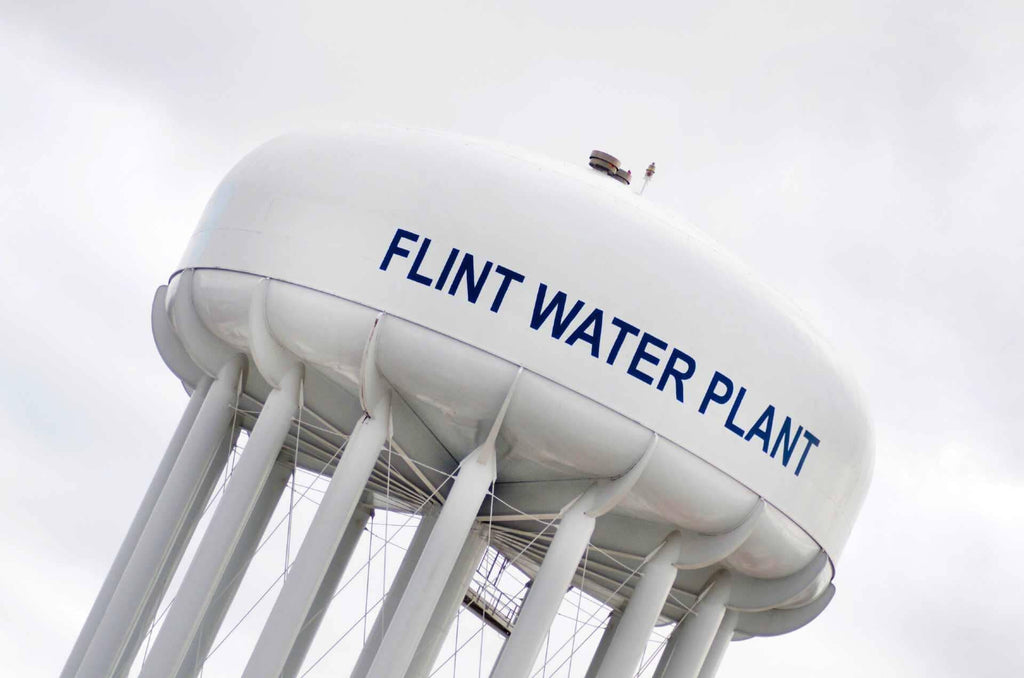
The Flint, Michigan, water crisis remains one of the most significant public water failures in modern U.S. history. What began with a temporary change in the water source in 2014 became a crisis involving lead-contaminated drinking water, inadequate corrosion control, aging infrastructure, failures in government accountability, environmental justice concerns, and long-term community distrust. Current-status update: August 2026. Flint completed replacement of its final known active lead service line in July 2026, and city and state officials formally marked completion of all known lead service-line replacement work in August. EPA had already lifted the city's 2016 emergency drinking-water order in May...
Is Berkey a Scam? Counterfeits, EPA Issues & How to Buy Safely
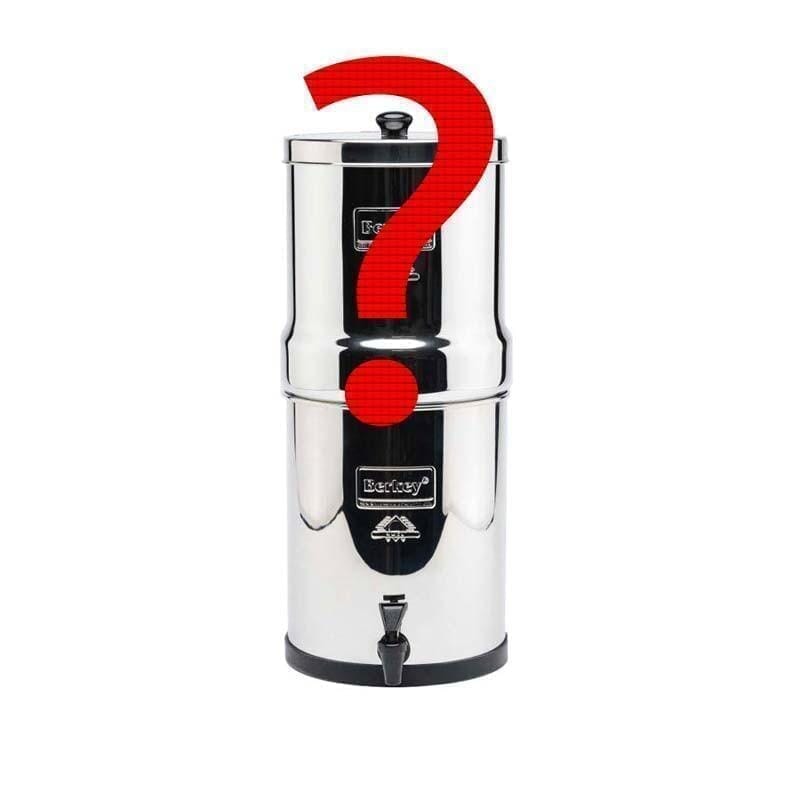
Last updated: August 15, 2026 Search for Berkey® water filters today, and you may encounter some confusing results: unavailable Black Berkey® Elements, EPA enforcement actions, legal disputes, counterfeit-filter warnings, third-party replacement filters, state sales restrictions, and marketplace sellers offering products that look almost identical. It is therefore reasonable for a shopper to ask: Is Berkey a scam? Short answer: Berkey® is an established water-filter brand, not an invented online product or anonymous storefront. However, counterfeit and look-alike filters do exist, Black Berkey® Element availability has been affected by EPA enforcement, and products sold by unauthorized sellers can create authenticity and...
GenX Chemicals in Drinking Water: Health Risks, Regulations & Filtration

PFAS & Drinking Water Guide GenX chemicals are a type of PFAS associated with fluoropolymer manufacturing. The best-known GenX compound, HFPO-DA, has been found in drinking-water sources near industrial releases—most notably in North Carolina's Cape Fear River watershed. This guide explains what GenX is, what EPA's current science says about potential health effects, the changing 2026 regulatory status, and which treatment technologies have evidence for reducing HFPO-DA. In This Guide What are GenX chemicals? Why GenX was developed How GenX enters water Cape Fear contamination 2026 regulatory status Possible health effects Persistence in the body How to test for GenX...
How Long Can A Human Survive Only On Water Alone?
It is normal to be thirsty since it’s the body’s way to survive. Indeed, water is an important nutrient in our body and we need it just like any other being. Water can aid in our digestion and regulate body temperature. It is essential in the disposal of body wastes to be healthy. Furthermore, the brain must acquire water to produce neurotransmitters and hormones.
Water makes up around 65% of the body liquid and it is considered as an abundant molecule. As your body uses the water from outside sources, it will use the water in the fat cells to quench the thirst. This is the same mechanism used by camels to survive for many days under the scorching heat of the sun. They extract the water stored from the body fats. However, the human body does not have this much storage capacity just like the camels do.
After one week of not drinking water, your body will stop to sweat. Then, the body temperature will increase. It will be impossible to facilitate digestion because of lack of intestinal juices and saliva. Thereafter, blood pressure will decrease because of reduction of blood volume.
With this feeble body issue, death is possible. Without water, you can disrupt the body’s balance to gain and lose body water. Survival rate can be minimum due to sweating and urinating.
As such, in this article, you will learn the facts about how long can a human survive without water. We will discuss the facts and science behind this myth. Moreover, we will tackle the fad about water diet and why is it getting popular today.
Is U.S. Tap Water Safe to Drink? What You Should Know
For most Americans served by a regulated public water system, tap water is treated, monitored, and required to meet federal and state drinking-water standards. But that does not mean water quality is identical from one faucet to another. Your water can be influenced by: The original water source Local treatment processes Distribution-system pipes Service lines Household plumbing Temporary water-system problems Whether you use a public system or private well Quick answer: Public tap water in the United States is regulated and routinely monitored, and in many communities it meets applicable drinking-water standards. However, local conditions, aging infrastructure, household plumbing, private...
How to Make Well Water Drinkable: Testing, Treatment, and Safety Tips
Many households in the United States rely on private wells for drinking water. A well can be a valuable water source, but it also comes with an important responsibility: the homeowner must test, maintain, and protect the water supply. Unlike public water systems, private wells are not regulated by the federal government under the Safe Drinking Water Act. That means the quality of your well water is not automatically monitored by the EPA or a local water utility. If your home uses a private well, regular testing is the only reliable way to understand what is in your water and...
How Much Water Does a Shower Use? Gallons, GPM & Savings

A shower is one of the largest routine uses of indoor household water, and the amount you use depends mostly on two things: how long you shower and how many gallons per minute your showerhead delivers. Quick answer: A standard 2.5-gallon-per-minute showerhead uses about 20 gallons in an 8-minute shower. A WaterSense-labeled 2.0-gpm showerhead would use about 16 gallons over the same 8 minutes. Shorter shower times and lower flow rates reduce both water use and the energy required to heat it. Recent residential water-use research estimates that an average U.S. shower uses roughly 15.8 gallons and lasts about 7.8...
Tap Water vs. Bottled Water vs. Filtered Water: Which Is Best?
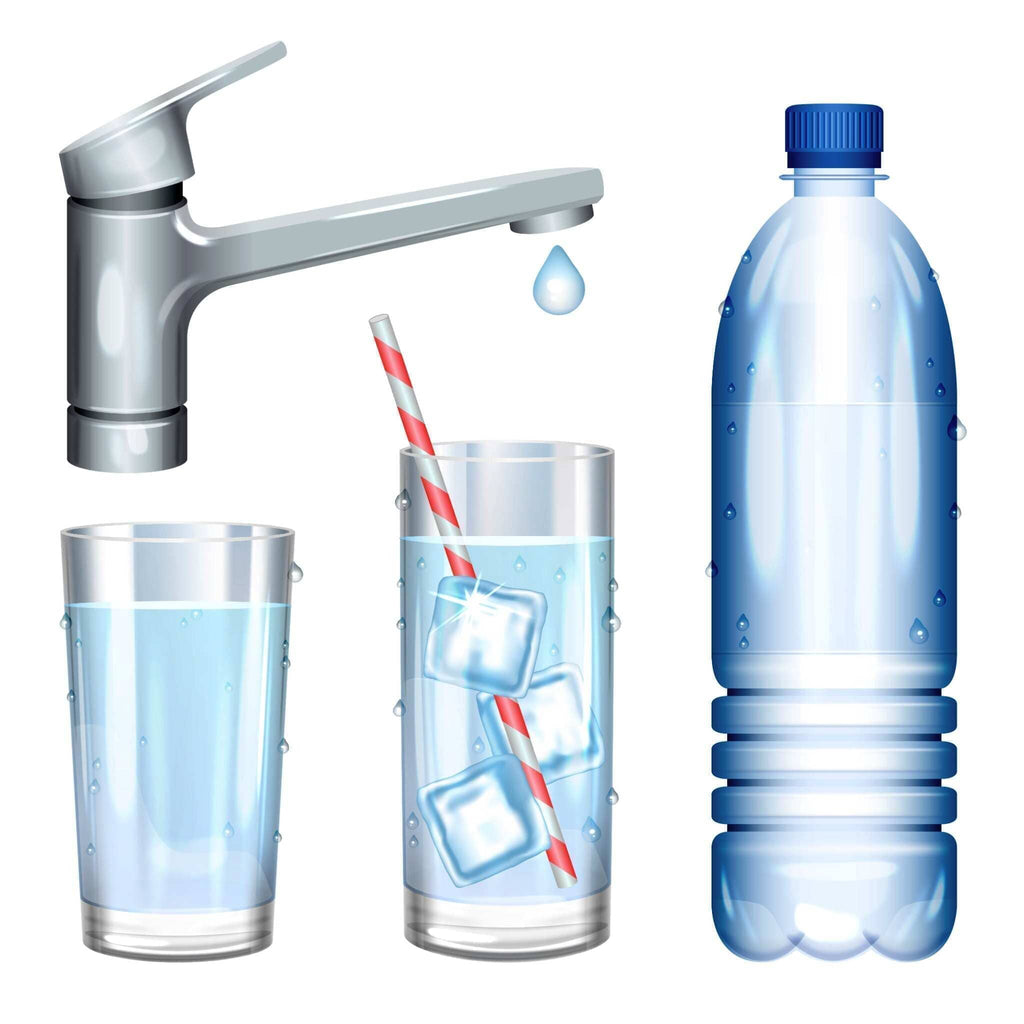
Is bottled water healthier than tap water? Is filtered water better than both? There is no single answer that applies to every household. Tap water, bottled water, and filtered water can all provide hydration, but they differ in regulation, source, mineral content, taste, cost, environmental impact, convenience, and how they address specific water-quality concerns. Quick answer: Tap water is usually the least expensive everyday option and is regulated as a public water supply. Bottled water can be convenient and may have a particular mineral profile or taste, but it costs more and creates packaging waste. Filtered tap water can be...
Dehydration in Older Adults: Causes, Signs, Risks & Prevention

Dehydration can become more common and more serious with age. Older adults may have a smaller fluid reserve, a reduced sense of thirst, medical conditions that affect fluid balance, or difficulty getting drinks without assistance. Quick answer: Older adults are at higher risk of dehydration because aging can reduce thirst and the body's ability to conserve water. Illness, hot weather, mobility problems, swallowing difficulty, and some medications can raise the risk further. Prevention usually means making fluids easily accessible, offering them regularly, and following individualized medical guidance when health conditions or fluid restrictions are involved. What Is Dehydration? Dehydration occurs...
Acceptable TDS Level in Drinking Water: What Is a Good TDS?
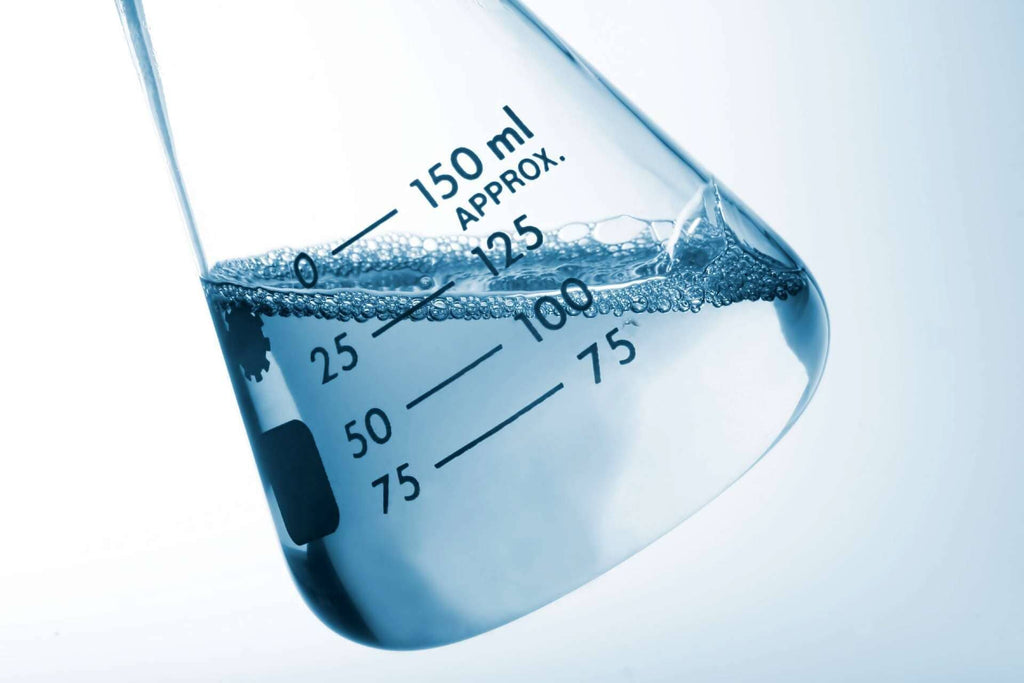
What Is an Acceptable TDS Level in Drinking Water? Total dissolved solids, commonly called TDS, measure the combined amount of dissolved minerals, salts, metals, and other charged substances in water. A TDS reading can be useful for understanding general mineral content and tracking changes in water quality. However, it does not identify the individual substances in the water and should not be treated as a complete water safety test. Water with a relatively high TDS reading may simply contain naturally occurring calcium and magnesium. At the same time, water with a low TDS reading can still contain substances that a...
Can You Drink Distilled Water? Is It Safe? The Truth Behind Distilled Water
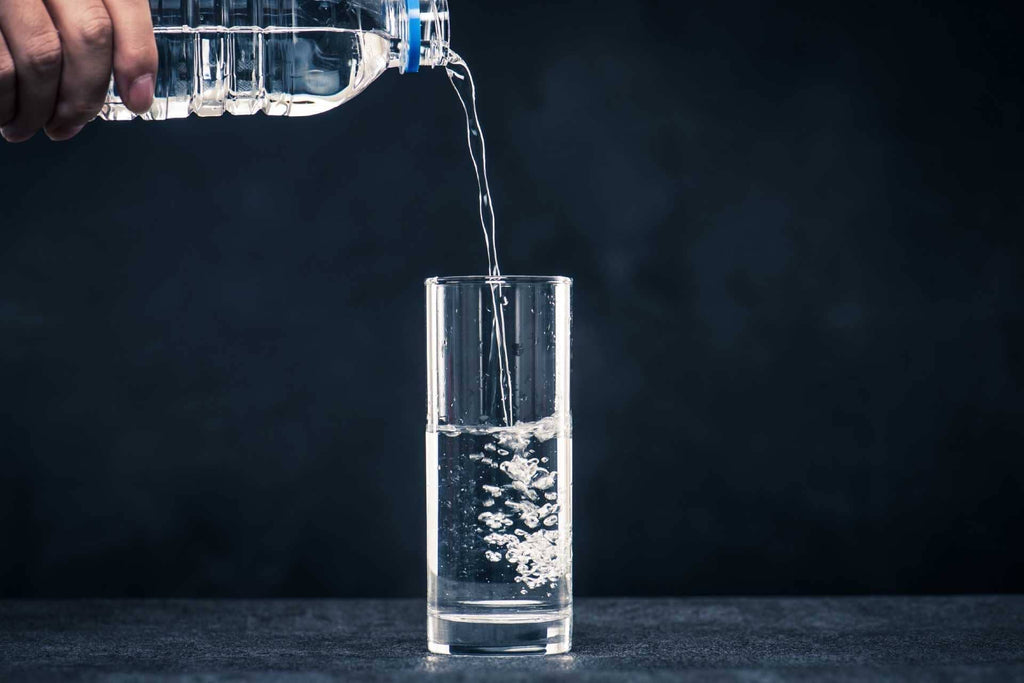
Distilled water is produced by boiling water into steam and condensing that steam back into liquid. The process removes most dissolved minerals and many other nonvolatile substances, raising a common question: can you drink distilled water, and is it safe for everyday use? Short answer: Yes. Distilled water can be consumed as drinking water. Its most important difference from tap, spring, or mineral water is that it contains very little dissolved mineral content. That affects taste and mineral contribution, but it does not automatically make distilled water unsafe to drink. The more useful questions are how distillation works, what remains...