
Water Quality & Home Filtration Resource Center
Best Tips on How to Stay Cool On Summer Camping

Summer is probably the best season for outdoor adventure. School is out for the year, the weather is fine, and you can generally figure out how to get away from work. It's the ideal time to pile stuff in your car, hit the road, and get lost in nature. Camping in summer is a perfect activity but can also be a double-edged sword. On the one hand, it is the season to get outside and unwind, enjoying the long, hot days and warm, beautiful evenings. On the other hand, waking up in a hot tent on a scorching...
How to Stay Hydrated During the Summer Heat

Like it or not, the heat of the sunlight will always strike on us no matter what. All the more during the summer season! The long, sunny days and windy evenings of summer lure us to the outdoor activities. Trekking, swimming, and water activities are indeed the things you will explore so severely. Strolling along the seashores while enjoying the surf or exploring hiking trails has become the favorite pastime for many. However, summer likewise brings heat waves, and the rush of outrageous weather, especially in the first part of summer, is a...
Glyphosate in Drinking Water: Testing, EPA Limits & Treatment Options
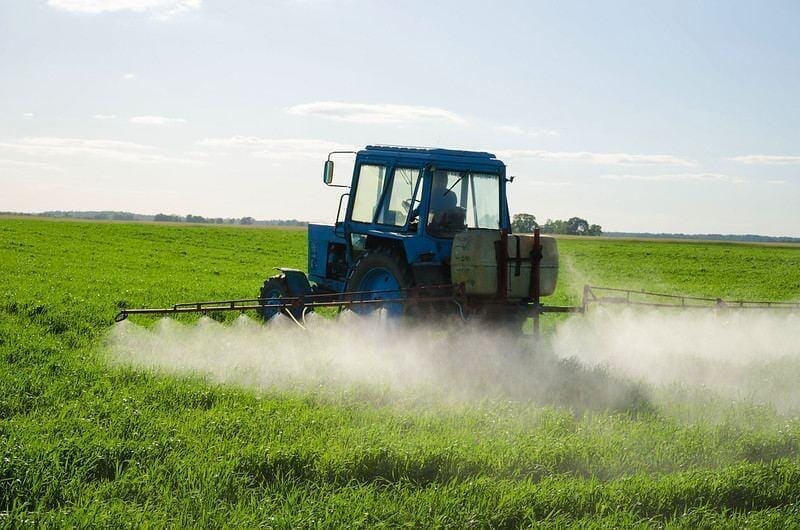
Drinking Water Contaminant Guide Glyphosate is one of the most widely used herbicides in the United States. It can reach surface water or groundwater under some conditions, but its presence and concentration vary by location. If glyphosate is a concern in your drinking water, testing first—and then choosing treatment based on documented performance—is more reliable than assuming any general-purpose filter will remove it. In This Guide What is glyphosate?How it reaches water EPA drinking-water limitHow to test Treatment optionsActivated carbon Reverse osmosisBerkey filters Other exposure considerationsFrequently asked questions What Is Glyphosate? Glyphosate is a broad-spectrum herbicide used to control broadleaf...
How to Remove Haloacetic Acids in Drinking Water
Haloacetic acids, often called HAAs, are disinfection byproducts that can form during public water treatment when disinfectants react with naturally occurring organic matter in source water. The federally regulated group HAA5 has an EPA maximum contaminant level of 0.060 mg/L (60 µg/L). Can haloacetic acids be reduced at home? Yes. Treatment options can include activated-carbon-based filtration and other systems with documented HAA reduction performance. Start by checking your Consumer Confidence Report for HAA5, then compare your concern with contaminant-specific filter test results rather than assuming every carbon filter performs the same way. What Are Haloacetic Acids? Haloacetic acids are chemical...
Best Water for Brewing Tea and Coffee You Should Try

For all die-hards, the quality of your tea or coffee brand, or whether it is from high-quality coffee beans and tea leaves, does not matter. The consistency of the liquid, blending in the flavor, taste, and aroma, is important, as is the kind of water used when brewing. You must focus on water purity, hardness, temperature, and more. Thus, water is the main ingredient. These days, many people are experts in tea and coffee and frequently make their own versions of brews at home. You need that ideal first tea or coffee...
Galvanized Steel Pipes and Lead in Drinking Water: What Homeowners Should Know
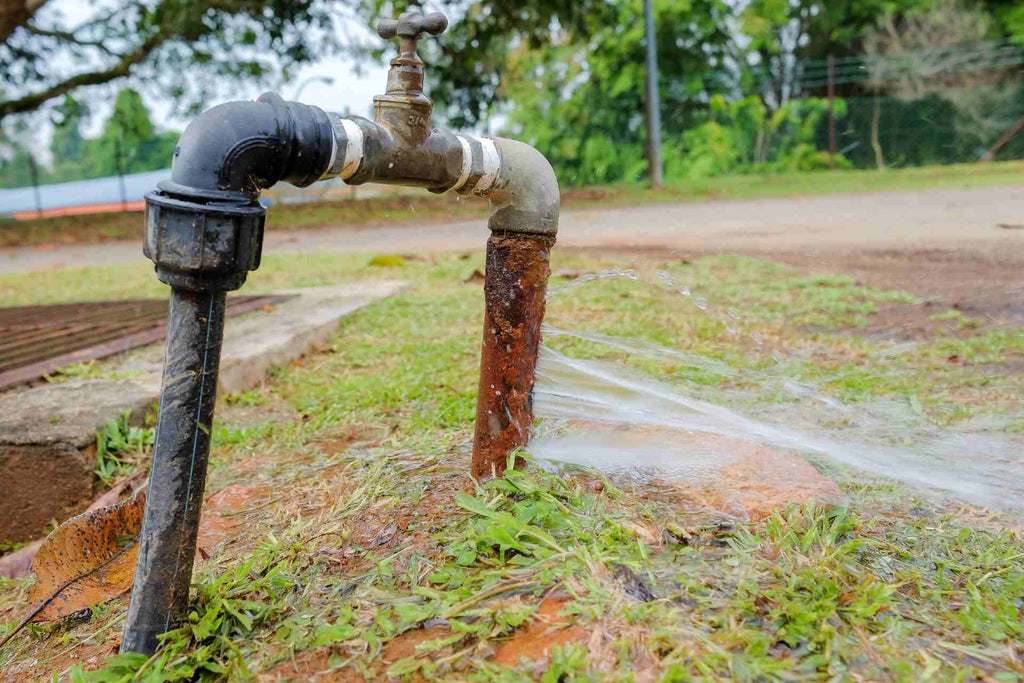
Many older homes were built with plumbing materials that are no longer commonly used today. One example is galvanized steel pipe, which was widely installed in homes built before the 1960s and can still be found in some older properties. Galvanized steel pipes were coated with zinc to help slow corrosion. At the time, this was considered a durable plumbing option. Over time, however, galvanized pipes can corrode from the inside, restrict water flow, discolor water, and sometimes contribute to lead concerns in household plumbing. This guide explains what galvanized pipes are, how they age, why they may be connected...
Is Cold Water Bad for You? Drinking vs. Cold-Water Swimming
Cold water can mean two very different things. Drinking a glass of ice water on a hot day is an ordinary part of daily life. Suddenly falling into a cold lake, river, or ocean is a completely different physiological event. Unfortunately, these two situations are often mixed together in discussions about the “dangers of cold water.” This has helped create persistent myths that drinking cold water causes constipation, hardens dietary fat, harms the heart, or interferes with digestion. Quick answer: For most healthy people, drinking cold water is safe and hydrates you just as water at other comfortable temperatures does....
What Is Hydrogen Water? Benefits, Evidence & What the Research Really Says
Hydration & Water Science Hydrogen water is ordinary water containing dissolved molecular hydrogen gas (H2). It has attracted attention for its potential effects on oxidative stress, exercise recovery, metabolism, and other aspects of health. Human research is growing, but the evidence remains preliminary and inconsistent for many claims—and hydrogen water is not an established treatment for disease. Quick answer: Hydrogen water is water with additional dissolved H2 gas. Small clinical trials and systematic reviews have reported some potentially interesting findings, particularly around exercise-related outcomes and biomarkers. However, studies are generally small, methods vary considerably, and larger high-quality trials are needed...
Water Quality at America's Beaches - Pollution, Contamination, and Unsafe Swimming Conditions
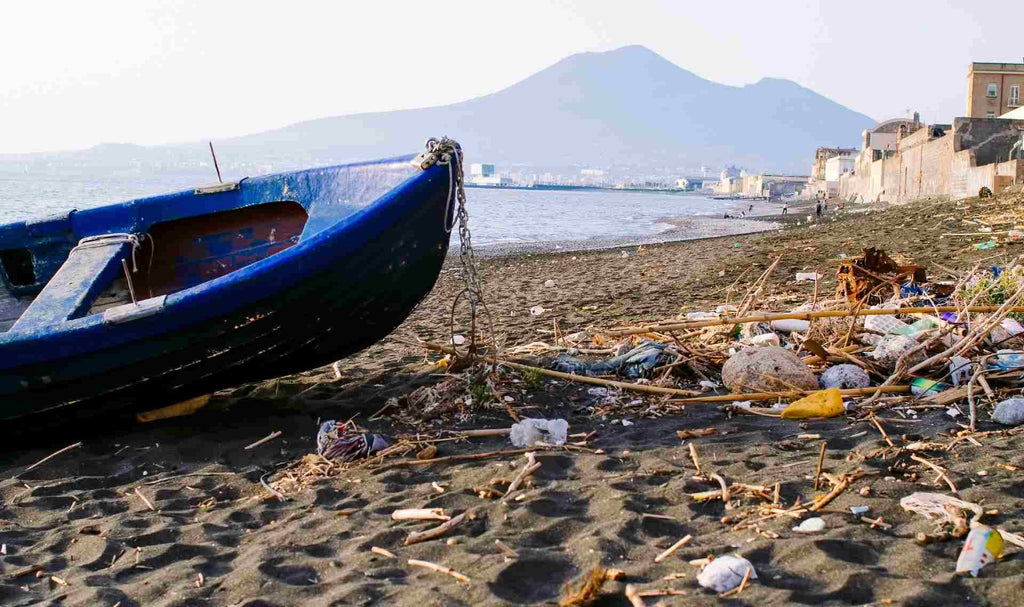
There is something in the sea breeze that gives you a sense of inner relaxation. All the more, swimming up to the best of your breath, exploring the depths of the sea. People even spend a long weekend at the beach by choice, savoring the fine sand under their toes, the warm sunlight on their skin, and the calming crash of the waves. The beaches in the United States showcase the natural, blissful scenery. That is worth spending your getaway with. Yet it is necessary to remember to sanitize the water you are to plunge into. It does not...
Sterile vs. Distilled vs. Deionized Water: Differences, Uses, and Safety
Water Types Explained Sterile, distilled, and deionized water are produced for different reasons. One term describes microbial control, another describes separation by evaporation and condensation, and another describes the removal of charged ions. Choosing the wrong type can be critical when water is used in medical devices, laboratories, appliances, aquariums, or for everyday drinking. In This Guide Quick comparison What sterile water is What distilled water is What deionized water is Which water for which use Everyday drinking water Where Berkey fits Frequently asked questions Quick Comparison: Sterile, Distilled, and Deionized Water Water type Main process or specification Primarily addresses...
Is Drinking Fruit Infused Water Good For You? Benefits to our body system explained
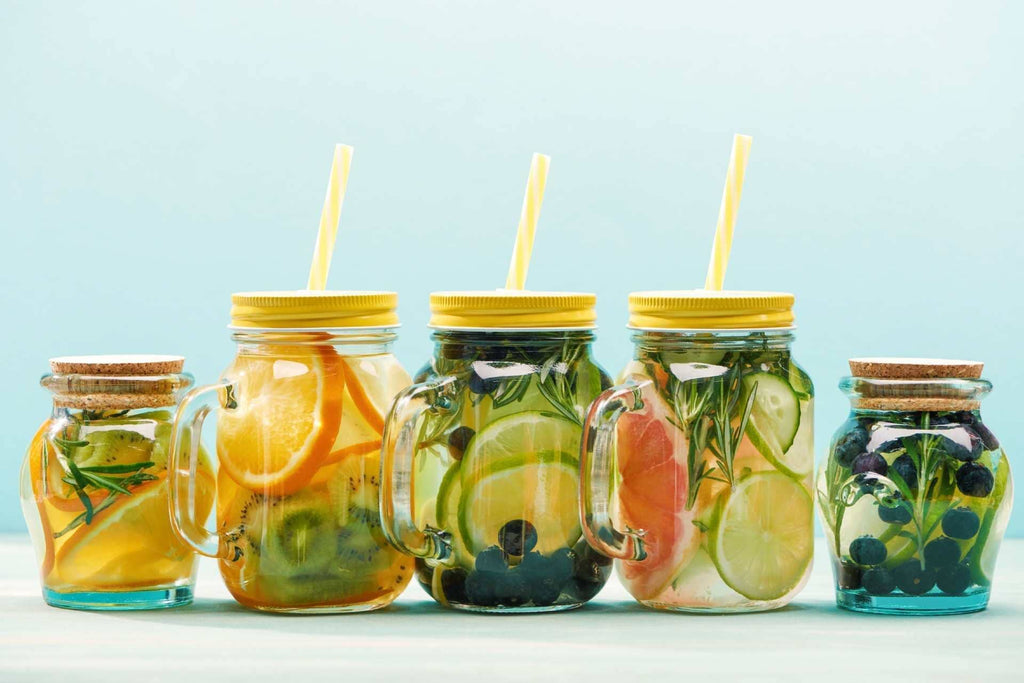
Humanity's symbol of life is water, from sustenance to the deeper essence of water, especially its benefits to our body system. Health experts carried out a rule of thumb to drink 3 to 4 liters of water a day. To water lovers, it is with so much enthusiasm that you are supporting your maximum hydration. But with those having issues with its bland taste and cannot keep up with the daily hydration requirement, striving for it is a must. How to drink more water? Drinking flavorless water can sometimes seem like an errand. Here are a...
Marine Debris and Ocean Pollution in Hawaii - Plastic Pollution & Ocean Cleanup
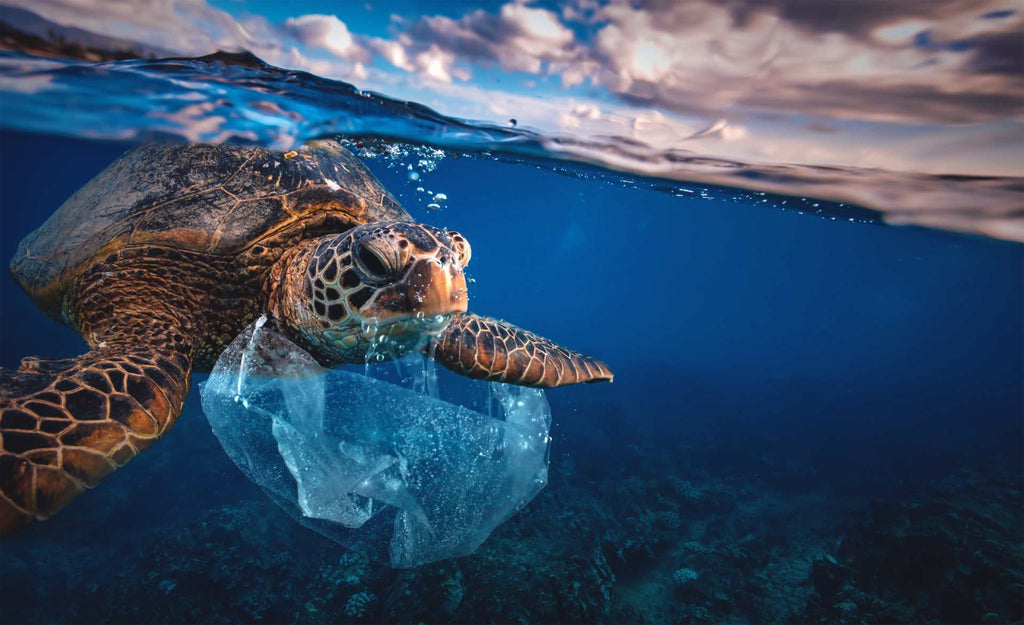
Plastic pollution is a global problem, but Hawaiʻi is especially exposed because the islands sit within major North Pacific currents that can carry marine debris from thousands of miles away. Local litter, stormwater, lost fishing gear, and debris transported across the Pacific can all contribute to what washes onto Hawaiian shorelines. Quick answer: Marine debris in Hawaiʻi comes from both land- and ocean-based sources. Plastics are a major component, including bottles, fragments, fishing gear, and microplastics. Ocean currents can concentrate and transport debris toward the Hawaiian Islands, where it can affect beaches, coral reefs, wildlife, navigation, and coastal ecosystems. What...
What Is a Solar Farm? How It Works, Pros, Cons & Land Use
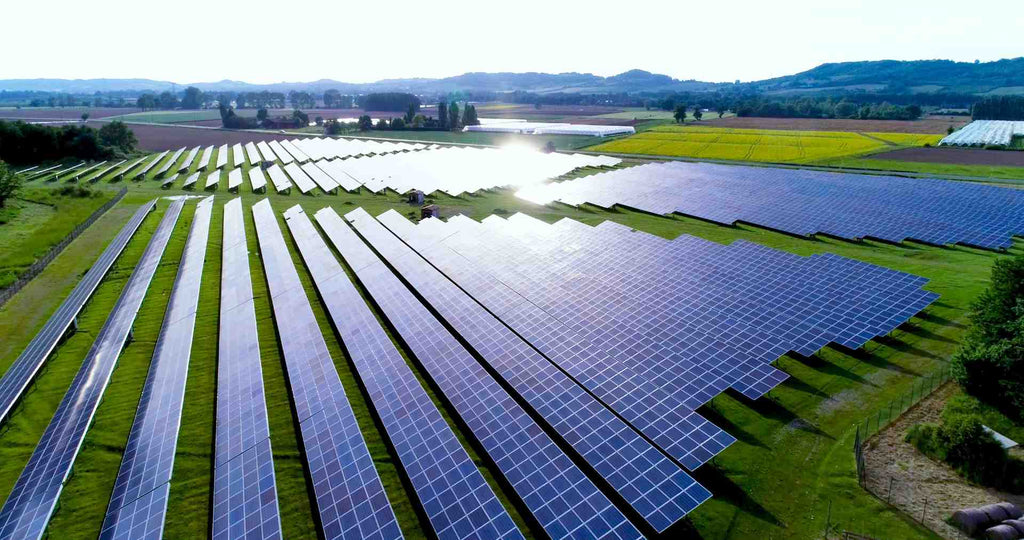
A solar farm is a large installation of solar panels designed to generate electricity for the power grid rather than primarily for one home or building. Solar farms can range from relatively small community projects to utility-scale installations covering hundreds or thousands of acres. Quick answer: Most modern solar farms use photovoltaic panels that convert sunlight directly into electricity. Inverters change the panels' direct-current electricity into alternating current, transformers adjust the voltage, and the electricity is sent to the grid. The main advantages are renewable generation, low operating emissions, low water use for PV operation, and relatively low operating costs....
Dangers From Contaminants In Unregulated Private Wells
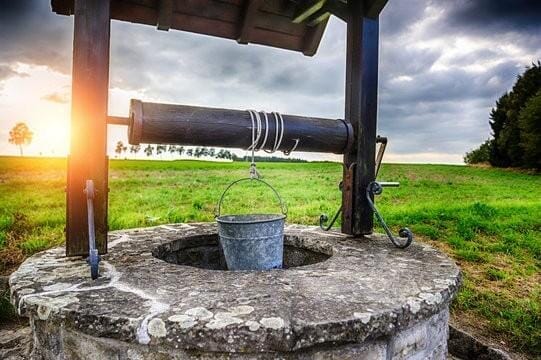
An average of 13 million American households own a private well. Private wells are not subject to federal legislation that applies to public drinking water systems. Thus, it is up to good owners to regularly check the safety of their drinking water to ensure it is safe for human consumption. The regulatory reach of the US Environmental Protection Agency (EPA) is restricted to public drinking water systems, which the federal Safe Drinking Water Act administers. EPA does not control private wells or publicize criteria or standards, although it gives recommendations. A few states have private well water safety and quality provisions, and a...
Best Water Conservation Methods for Homeowners
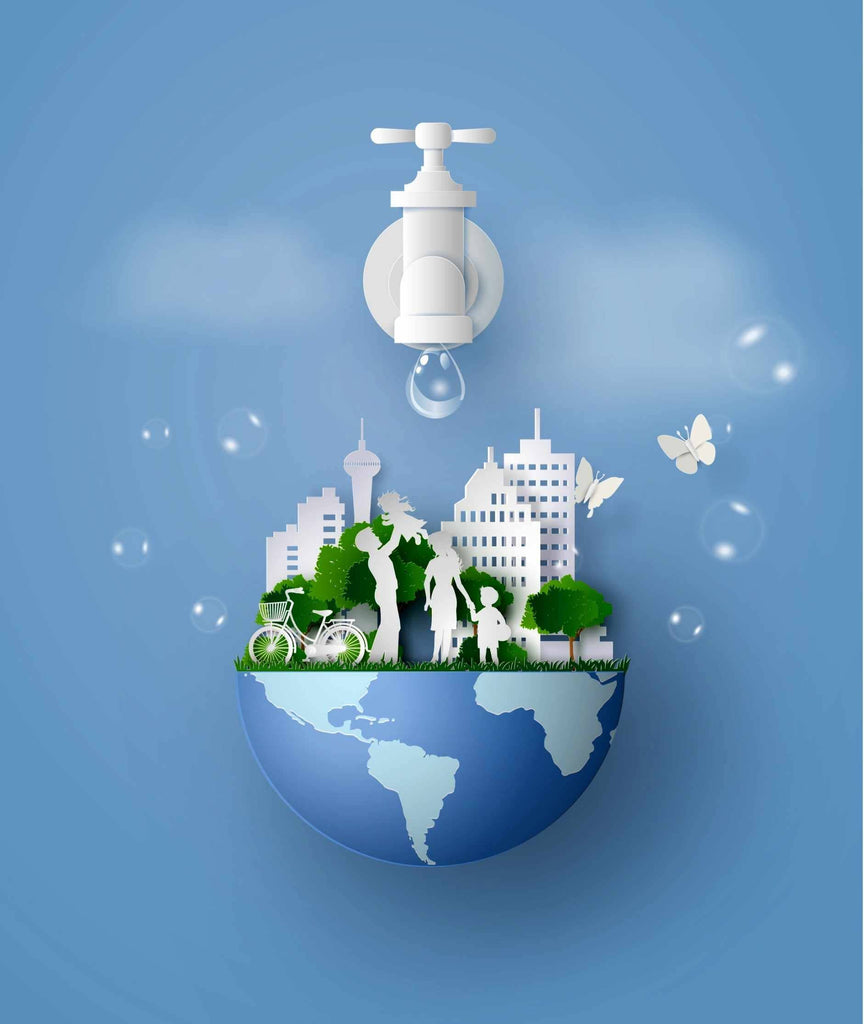
Best Water Conservation Methods for Homeowners Water moves through a continuous cycle of precipitation, runoff, infiltration, evaporation, and transpiration. The total amount of water on Earth does not disappear, but the amount of clean, usable freshwater available in a specific place at a specific time can change dramatically. Drought, population growth, aging infrastructure, high outdoor water use, and seasonal weather patterns can all place pressure on local water supplies. Even in areas that receive plenty of rainfall, conserving water still matters because every gallon delivered to a home must be collected, treated, pumped, heated, used, and often treated again as...
How Does the Moon Cause Tides on Earth?

Ocean tides are the regular rise and fall of sea level caused primarily by the gravitational influence of the Moon, with an additional contribution from the Sun. The basic idea sounds simple, but real tides are more complicated than a pair of water bulges moving around a perfectly smooth Earth. Quick answer: The Moon causes tides because its gravitational pull is slightly stronger on the side of Earth closest to it and slightly weaker on the far side. This difference stretches Earth and its oceans along the Earth-Moon direction. As Earth rotates through this tidal pattern, many coastlines experience alternating...
Is Coffee Good or Bad For You?

It is no big surprise that coffee is fueling many people worldwide and is considered the best-loved drink. So, odds are, you may be one of the individuals getting up in the morning with a routine cup of coffee. Without a doubt, it gives a great mixture of energy each morning to stimulate your mind and increase productivity. Furthermore, without it, your organs may decline to cooperate. Now the question is, what does it do to your health? New research supports daily coffee's health advantages, yet its drawbacks may confuse you. Is...
Water Justice After COVID-19: Why Clean Water Access Still Matters
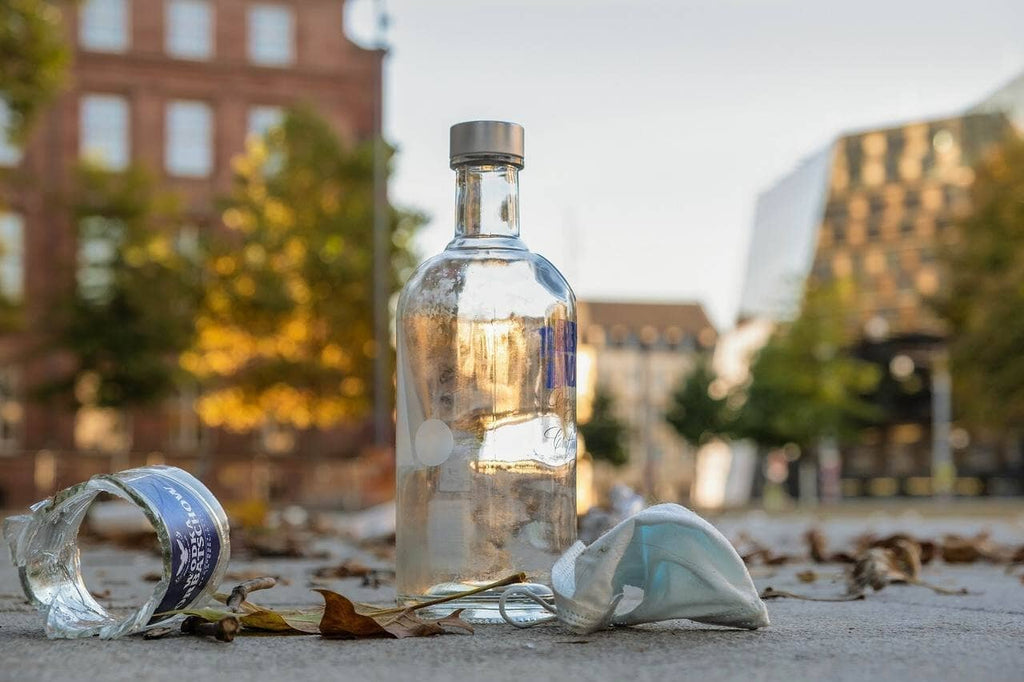
Water Justice After COVID-19: Why Clean Water Access Still Matters The COVID-19 pandemic reminded the world of something simple but often overlooked: clean water is essential for health, hygiene, and dignity. For many households, washing hands, filling a glass, or cleaning dishes is as simple as turning on the tap. But for families without reliable access to clean running water, those everyday habits can become difficult, expensive, or unsafe. Water justice means recognizing that clean water should not depend on income, race, neighborhood, or zip code. It also means understanding that water access is not only a global issue. It...
Can Water Help You Live Longer? Secrets of water and longevity
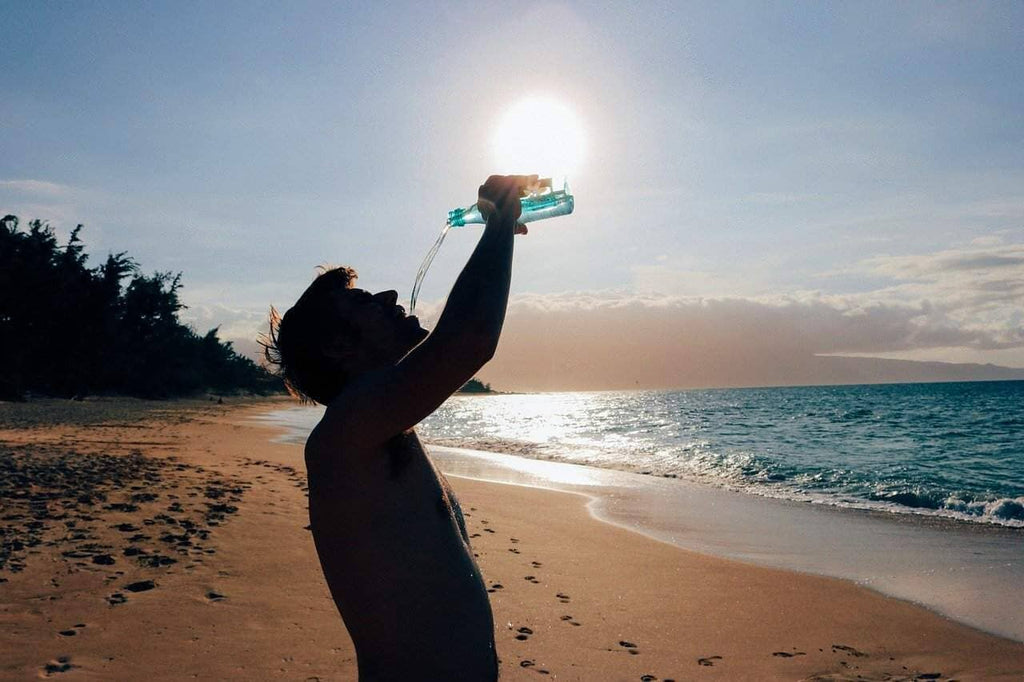
Water is one of the simplest parts of daily life, yet it plays a major role in how the body functions. Every cell, tissue, and organ depends on water to carry nutrients, support circulation, regulate temperature, assist digestion, and help the body remove waste. Because water is so closely connected to overall wellness, many people wonder whether drinking enough water can help support a longer, healthier life. Water alone is not a secret shortcut to longevity, but good hydration is one of the basic habits that supports long-term health. This article explains how water supports the body, why water quality...
PFAS Disposal Explained: Why “Forever Chemicals” Are So Difficult to Destroy
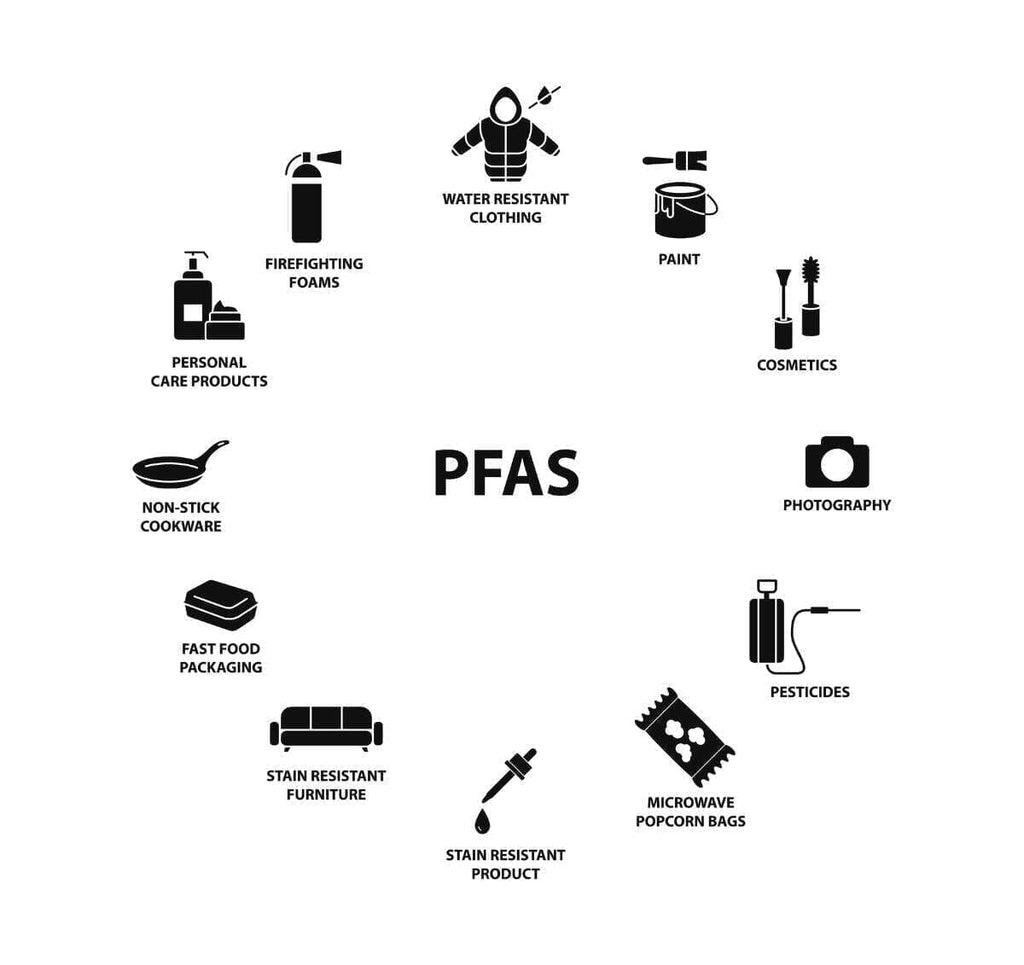
Removing PFAS from drinking water, wastewater, or contaminated soil does not necessarily eliminate the chemicals. In many cases, treatment simply concentrates PFAS into another material that still has to be managed. For example, PFAS removed from drinking water may end up in spent activated carbon or ion-exchange resin. PFAS entering wastewater may remain in treated effluent, sewage sludge, or other residuals. PFAS-containing waste placed in a landfill may later contribute to landfill leachate. Quick answer: PFAS disposal is difficult because many PFAS are extremely persistent and resist conventional degradation. Landfills can contain PFAS, treatment systems can capture them, and certain...