

The kitchen is one of the busiest places in the home. It is where meals are prepared, leftovers are stored, dishes are washed, coffee is brewed, and water is poured throughout the day.
It is also one of the easiest places to create daily waste. Plastic wrap, disposable bags, single-use containers, paper towels, sponges, bottled water, and food packaging can all add up quickly.
The good news is that making your kitchen more eco-friendly does not require replacing everything at once. Small changes, made one at a time, can reduce waste, lower reliance on single-use plastics, and make your kitchen more sustainable over time.
This guide covers practical eco-friendly kitchen products and simple swaps that can help you reduce plastic, reuse more, and create a healthier daily routine around food, cleaning, and drinking water.
Why Start With the Kitchen?
The kitchen is a natural place to begin because many household habits repeat there every day. If you replace one disposable item with a reusable one, the impact compounds over time.
Common kitchen sustainability goals include:
- Reducing single-use plastic
- Replacing disposable products with reusable ones
- Choosing durable materials such as glass, stainless steel, bamboo, and cotton
- Reducing bottled water use
- Storing food in longer-lasting containers
- Reducing food waste and packaging waste
A greener kitchen is not about perfection. It is about choosing better habits that are realistic enough to maintain.
25 Eco-Friendly Kitchen Products and Sustainable Swaps
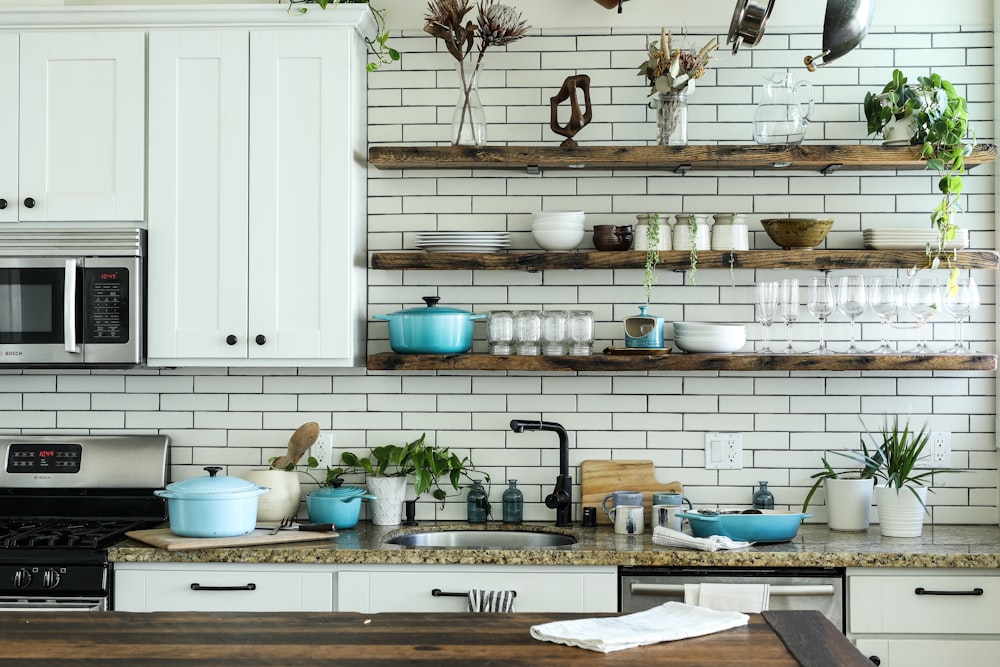
1. Countertop Water Filtration System
One of the most overlooked eco-friendly kitchen swaps is reducing single-use bottled water. Many households focus on reusable bags and food containers, but still buy bottled water every week.
A countertop gravity-fed filtration system can help reduce reliance on plastic water bottles while keeping drinking water convenient at home. Berkey water filter systems do not require electricity or plumbing, making them practical for kitchens, apartments, offices, and shared spaces.
Popular options include the Big Berkey® Water Filter for everyday household use, the Travel Berkey® Water Filter for smaller spaces, and the Royal Berkey® Water Filter for larger daily water needs.
2. Reusable Water Bottles
A reusable water bottle pairs naturally with a home filtration setup. Stainless steel, glass, and durable BPA-free bottles can replace hundreds of disposable plastic bottles over time.
Keep a few bottles near your water station so family members can fill them before school, work, errands, or exercise.
3. Water View Spigot
If you use a countertop water filter, an upgraded spigot can make daily use easier. A Berkey Water View Spigot allows you to see the water level in the lower chamber without lifting the upper chamber.
This can help prevent overfilling and make it easier to know when to refill your system. For larger systems, the 10-inch Berkey Water View Spigot may be the better fit.
4. Bamboo Dish Cleaning Brush
A bamboo dish brush is a simple replacement for plastic-handled dish brushes. Many versions use bamboo handles and plant-based bristles made from materials such as sisal, coconut fiber, or other natural fibers.
Use it for dishes, pans, cutting boards, bottles, and general kitchen cleanup. To make it last longer, rinse it after use and let it dry fully between washes.
5. Reusable Produce Bags
Reusable produce bags are a useful alternative to thin plastic produce bags at the grocery store. Cotton mesh, organic cotton, or washable mesh bags can be used for fruits, vegetables, bulk grains, and dry goods.
Keep them inside your grocery tote so they are easy to remember when shopping.
6. Recycled or Compostable Trash Bags
Trash bags are difficult to avoid completely, but you can choose better options. Some bags are made from recycled plastic, while others are compostable under specific conditions.
Check labels carefully. “Compostable” does not always mean the bag will break down in a backyard compost pile. Some products require commercial composting facilities.
7. Reusable Cloth Towels
Reusable cloth towels can replace many paper towel uses. Cotton towels, flour sack towels, Swedish dishcloths, and washable cleaning cloths are useful for wiping counters, drying hands, cleaning spills, and polishing surfaces.
Keep a small basket of clean towels in the kitchen and another container for used ones so the habit becomes easy.
8. Beeswax Wraps
Beeswax wraps are a reusable alternative to plastic wrap for covering bowls, wrapping sandwiches, and storing certain foods. They are usually made from cotton fabric coated with beeswax, resin, and oil.
They work best for dry or semi-dry foods such as bread, fruit, cheese, and snacks. Avoid using them with raw meat or hot foods.
9. Compostable Plates for Events
For parties, picnics, or gatherings where reusable plates are not practical, compostable plates made from sugarcane fiber, bamboo, palm leaf, or other plant-based materials can be a better option than foam or plastic plates.
As with compostable bags, check whether the plates require commercial composting.
10. Reusable Food Storage Bags
Reusable silicone or washable food storage bags can replace many single-use zip bags. They are useful for snacks, leftovers, cut fruit, sandwiches, freezer storage, and meal prep.
Look for bags that are freezer-safe, dishwasher-safe, and easy to dry inside.
11. Plant-Based Kitchen Sponges
Many standard sponges are made from synthetic materials. Plant-based sponges made from cellulose, coconut fiber, loofah, or other natural materials can reduce plastic use in everyday dishwashing.
To keep sponges fresher, rinse them well, squeeze out water, and let them dry between uses.
12. Coconut Bowls
Coconut bowls are made from reclaimed coconut shells and can be used for smoothie bowls, snacks, fruit, cereal, and decorative serving.
They are lightweight and attractive, but they are usually not ideal for very hot foods, dishwashers, or microwaves. Handwashing is usually best.
13. Wooden Beverage Stirrers
Wooden stirrers made from birch or bamboo can replace plastic stirrers for coffee, tea, and drinks. For home use, an even better option is a washable stainless steel spoon or reusable stir stick.
If you run an office, cafe, or event, choosing wooden stirrers can help reduce plastic waste.
14. Wooden Spoons and Ladles
Wooden spoons and ladles are durable, lightweight, and gentle on cookware. They are especially useful for soups, sauces, stews, and nonstick pans.
To extend their life, wash them by hand, dry them fully, and occasionally treat them with food-grade mineral oil if needed.
15. Bamboo or Natural Fiber Placemats
Bamboo, jute, cotton, cork, or woven natural fiber placemats can replace vinyl or plastic placemats. They can add warmth to the table while reducing reliance on synthetic materials.
Choose washable or wipeable designs if you have children or use placemats daily.
16. Glass Food Storage Containers
Glass containers are one of the most practical eco-friendly kitchen swaps. They are reusable, durable, easy to clean, and less likely to stain or hold odors than plastic containers.
Many glass containers can be used in the refrigerator, freezer, microwave, and oven, depending on the product instructions.
17. Bamboo Soap Dish
A bamboo soap dish helps keep dish soap bars, hand soap, or cleaning bars dry between uses. This is especially helpful if you are replacing bottled dish soap with a solid dish soap bar.
Look for a design that drains well so the soap does not sit in water.
18. Washable Cleaning Cloths
Reusable cleaning cloths can replace disposable wipes and paper towels for many cleaning tasks. Cotton cloths, Swedish dishcloths, and durable microfiber cloths each have different strengths.
If you choose microfiber, wash it carefully and consider using a laundry bag designed to reduce microfiber shedding.
19. Natural Scrubbing Pads
Scrubbing pads made from coconut fiber, walnut shell, agave fiber, loofah, or other plant-based materials can replace synthetic scrub pads.
They can be useful for pots, pans, sinks, tiles, and general cleaning. Use caution on delicate surfaces to avoid scratching.
20. Plant-Based Wet Wipes
Disposable wipes can create a lot of waste, and many are made with synthetic fibers. If you need wipes, choose plant-based, biodegradable, or compostable options when possible.
For everyday kitchen cleaning, washable cloths are usually the more sustainable choice.
21. Ceramic Nonstick Fry Pan
A ceramic-coated pan can be a useful alternative for people who want nonstick cooking with less oil. Look for cookware labeled free from PFOA and PFAS, and follow care instructions to protect the coating.
Use lower to medium heat and avoid metal utensils to help the pan last longer.
22. Beeswax Food Bags
Beeswax bags are similar to beeswax wraps but shaped like pouches. They can be useful for bread, snacks, fruit, nuts, herbs, and dry goods.
They are washable and reusable, but they should not be used with hot foods, raw meat, or greasy foods that are difficult to clean.
23. Wood Fiber Cutting Board
Wood, bamboo, and wood-fiber cutting boards are good alternatives to plastic cutting boards. They are sturdy, attractive, and often gentle on knives.
Use separate cutting boards for raw meat and produce, wash them properly, and replace boards when they become deeply scratched or difficult to clean.
24. Biodegradable or Reusable Straws
Plastic straws are easy to replace. Options include stainless steel, bamboo, glass, silicone, paper, or compostable plant-based straws.
For home use, reusable stainless steel or silicone straws are usually the most practical. For events, compostable straws may be convenient.
25. Compostable or Reusable Kitchen Gloves
Kitchen gloves are useful for food prep, cleaning, and handling messy waste. If you use disposable gloves, plant-based or compostable options may reduce plastic use.
For cleaning tasks, reusable natural rubber or durable household gloves are often the better long-term option.
Create an Eco-Friendly Water Station
One of the simplest ways to make your kitchen feel more organized and sustainable is to create a dedicated water station.
This can include:
- A countertop water filtration system
- Reusable water bottles
- Glass drinking jars or tumblers
- A small tray for cups and bottles
- A pitcher for the refrigerator
- A reminder area for children to fill bottles before school or sports
A water station makes it easier to drink filtered water at home and carry water with you when leaving the house. This can reduce the habit of buying bottled water out of convenience.
For many households, the Big Berkey® Water Filter works well as the centerpiece of this kind of setup because it is large enough for daily household use while still fitting on many kitchen counters.
Why Filtering Water Can Be More Sustainable Than Bottled Water
Bottled water may be convenient, but it also creates repeated packaging, transportation, storage, and disposal issues. Even when plastic bottles are recyclable, not every bottle is recycled, and recycling still requires collection and processing.
Using a home water filtration system can help reduce:
- Single-use plastic bottle purchases
- Kitchen clutter from bottled water cases
- Storage space used for disposable bottles
- Frequent trips to buy water
- Packaging waste from everyday drinking water
For families already trying to reduce plastic in the kitchen, switching from bottled water to reusable bottles filled at home is one of the most practical upgrades.
How to Choose Better Eco-Friendly Kitchen Products
Not every “green” product is automatically better. Before buying, consider how often you will use it and whether it actually replaces a disposable item.
Choose Reusable First
Reusable products usually have the biggest long-term impact. A glass container, washable towel, reusable bag, stainless steel bottle, or countertop water system can replace many disposable items over time.
Check the Material
Common eco-friendly kitchen materials include glass, stainless steel, bamboo, wood, cotton, cork, coconut fiber, cellulose, silicone, and recycled materials.
Be Careful With “Compostable” Claims
Compostable products are helpful only if they are disposed of correctly. Some require commercial composting facilities and may not break down properly in a landfill or backyard compost pile.
Buy What You Will Actually Use
The most sustainable product is often the one you use for years. Avoid buying a large set of eco-friendly items if only one or two would solve your real kitchen waste problem.
Sustainable Kitchen Checklist
If you want a simple starting point, use this checklist:
- Reusable grocery bags
- Reusable produce bags
- Glass food storage containers
- Beeswax wraps or reusable silicone lids
- Washable kitchen towels
- Plant-based sponges or natural dish brushes
- Reusable water bottles
- Countertop water filtration system
- Compost bin or food scrap collection container
- Durable cookware and utensils
Berkey Products That Fit an Eco-Friendly Kitchen
If reducing bottled water is one of your kitchen goals, these Berkey products may fit naturally into a more sustainable kitchen setup:
- Big Berkey® Water Filter — a popular size for everyday household use.
- Travel Berkey® Water Filter — a compact option for smaller kitchens and limited counter space.
- Royal Berkey® Water Filter — a larger option for families with higher daily water needs.
- Black Berkey® Replacement Elements — replacement filters for compatible systems.
- Berkey Water View 7" Stainless Steel Spigot — helps you check water level at a glance.
- Berkey Stainless Steel Wire Stand — raises the system so cups and bottles fit more easily under the spigot.
- Shop Replacement Filters — compare available replacement filter options.
- Berkey Accessories — browse spigots, stands, and other useful add-ons.
For more information about common drinking water concerns, visit our Drinking Water Contaminants Reference Guide.
Frequently Asked Questions About Eco-Friendly Kitchens
What is the easiest eco-friendly kitchen swap?
Reusable bags, washable towels, and glass food storage containers are some of the easiest swaps because they replace items many households use every day.
How can I reduce plastic waste from drinking water?
Use a reusable bottle and fill it at home from a filtration system or preferred drinking water source. If your household regularly buys bottled water, this can be one of the most effective kitchen changes.
Are glass containers better than plastic containers?
Glass containers are durable, reusable, easy to clean, and less likely to stain or hold odors. They are a strong option for leftovers, meal prep, and food storage.
Are compostable products better than reusable products?
Reusable products are usually better for everyday use. Compostable products are helpful for events or situations where washing and reusing is not practical.
Can a countertop water filter help reduce kitchen waste?
Yes. If your household regularly buys bottled water, a countertop water filter can help reduce single-use plastic bottle waste by making filtered water available at home.
Which Berkey system is best for an eco-friendly kitchen?
For most households, the Big Berkey® Water Filter is a practical choice because it balances capacity and countertop size. Smaller households may prefer the Travel Berkey, while larger households may prefer the Royal Berkey.
Conclusion

An eco-friendly kitchen is built one habit at a time. You do not need to replace every product in your home overnight. Start with the items you throw away most often and replace them with reusable, durable, or lower-waste alternatives.
Reusable towels, glass containers, beeswax wraps, bamboo brushes, plant-based sponges, durable cookware, and reusable water bottles can all make a difference over time.
If bottled water is a major source of plastic waste in your home, a countertop system such as the Big Berkey® Water Filter may be a practical addition to your kitchen.
A more sustainable kitchen should still be convenient. Choose products that fit your lifestyle, use them consistently, and focus on changes that make your daily routine easier to maintain.