
Water Quality & Home Filtration Resource Center
Are Kids’ Reusable Water Bottles Safe? What Parents Should Look For
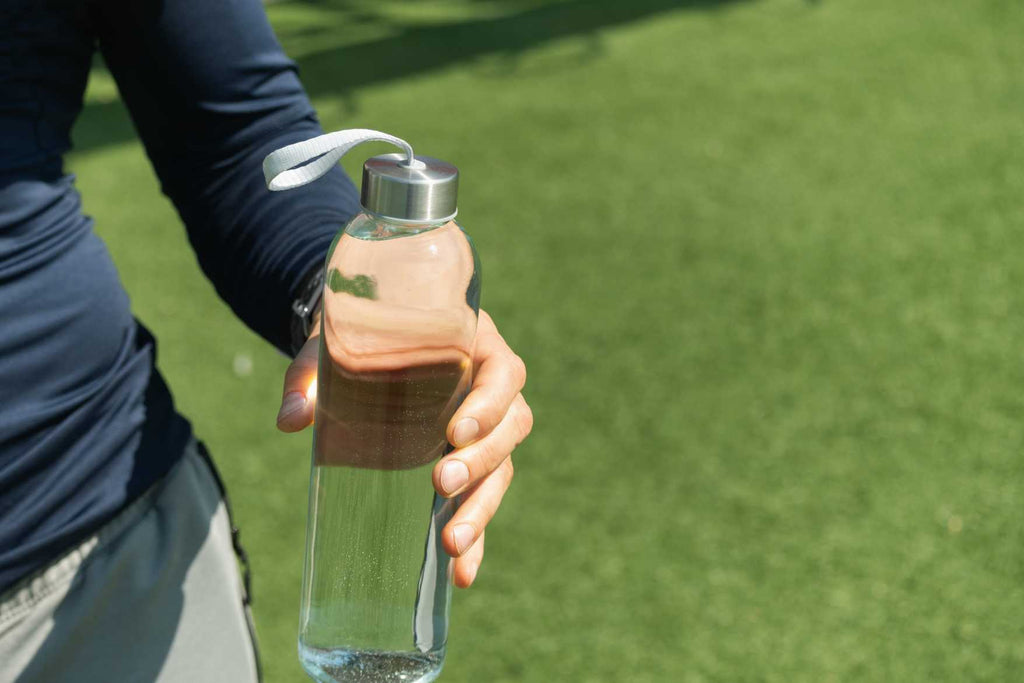
Every morning, kids head out the door with their school bags, snacks, and a favorite water bottle in hand. Some water bottles are bright and colorful. Some water bottles have straws or fun designs. It feels like an everyday thing that parents do without much thought. Lately, though, more families are starting to pause and ask a simple question. Are these water bottles really safe? You might see labels like "BPA" on water bottles and feel reassured. That helps. But still, it does not tell the whole story about the water bottles. There is more being discussed now, such as microplastics...
Why Children Are More Vulnerable to Lead and Heavy Metals in Water
When people turn on the tap at home, they usually think the water is safe to drink. Sometimes, small amounts of heavy metals such as lead, arsenic, mercury, and cadmium can enter the water. The thing is, you cannot see these metals, and you cannot taste them either. So yes, they can cause health problems over time. Even without you knowing. These heavy metals can get into the water in a few ways. For example, old pipes and fixtures in the house can release amounts of metals into the water. In some places, the problem starts underground, where natural...
How Global Conflicts Can Affect Everyday Resources Like Water and Energy

How Global Conflicts Can Affect Everyday Resources Like Water and Energy You might have noticed that your electricity bill is increasing for no apparent reason. You might have heard about water issues in other places and thought about whether it could happen to you. These things might seem far away from being a problem. The truth is, everything in the world is connected in ways that we do not always notice. The electricity, water, and food we use every day all depend on one another. We need electricity to pump water and clean it. We need fuel to transport things from...
Can Dehydration Affect Your Child's Focus at School? Understanding the Importance of Keeping Kids Hydrated

You pack lunch. You check the homework. You remind your child to pay attention to you and do their best. But the teacher still notes wandering attention, incomplete tasks, or difficulty remembering instructions. It is not strange to ask: Are they tired? Distracted? Not trying hard enough? But what would happen when the actual problem is far simpler? The new studies indicate that mild dehydration may significantly impair a child's concentration, short-term memory, and overall cognitive function. Even in a classroom where sustained attention is needed - to listen to instructions, solve problems, read critically, etc. - lack of sufficient...
World Water Day - Why Clean Drinking Water Still Matters At Home
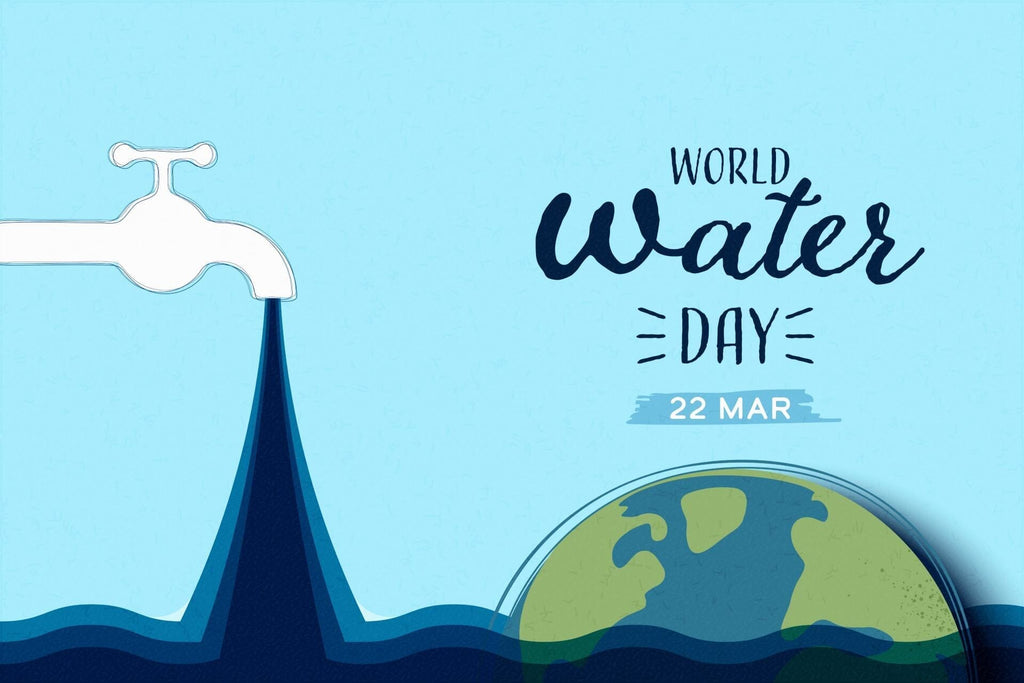
The world takes a moment to celebrate the United Nations World Water Day on March 22 every year- a reminder to the world that millions of people still do not have access to safe and affordable drinking water. To several households, water safety may look like a far-fetched issue. We read about droughts, floods, or societies in difficult situations finding clean water, and we assume this is happening in distant places. Water quality is not only a global problem. It's also a household one. Although in our cities and towns, treated municipal water may flow freely from the tap, there...
How Much Water Should Kids and Teens Drink? A Complete Hydration Guide by Age
Most parents still think everyone should drink 8 glasses of water per day; however, determining a child's hydration requirements is not easy. To determine, an active 10-year-old needs more fluids than a toddler, and a teenager in a growth spurt will need more fluids. Young bodies keep on changing. Brains are experiencing unimaginable learning, bone development, muscle growth, and hormonal changes. These operations involve sufficient hydration. Water helps keep the body cool, transports nutrients, aids digestion, and helps sustain energy throughout the day. This guide breaks down how much water kids should drink by age, activity intensity, and environment. It...
Why Your Tap Water Tastes Different After Winter (And How to Fix It)

You turn on the tap, pour some water into the glass, and drink. Something's... off. It doesn't taste terrible. Just different. Maybe a little metallic. Maybe flat. Probably, you cannot recall noticing the faint smell of a pool before. And you see yourself thinking, either it is only you who changed, or something did change in the winter. When this rings a bell, you are not dreaming. Many people know that tap water does not taste the same after winter, which is late winter or early spring. The good news? This change is usually seasonal, common, and remediable. It is...
Spring Detox Myths vs Reality: What Clean Water Actually Does for Your Body
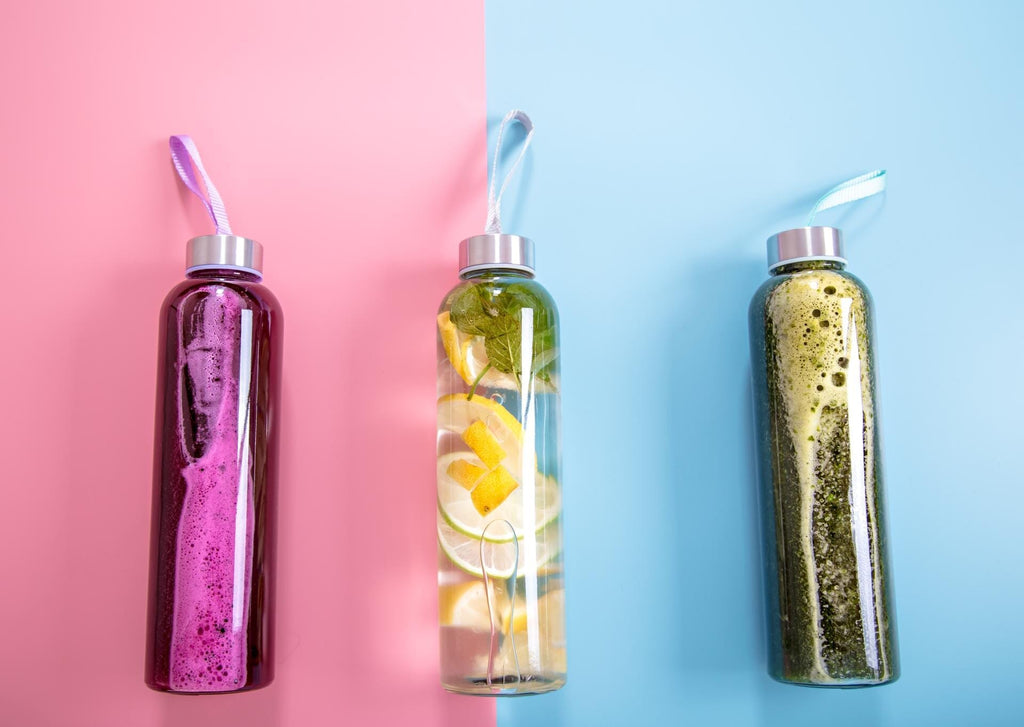
The Seasonal Reset That Isn't What You Think It takes place with clockwork in the spring. The days get longer. The air feels lighter. And there is a sudden pressure to clean things up — inside and out. Closets get reorganized. Windows get washed. And at the same time, when you are thinking about tidying the pantry and making a fresh start, the thought of a spring detox creeps in. You must have encountered it in some place on the internet or accidentally in conversation: "It is time to flush out winter toxins". "Cleanse your system to reset. "Change to...
How Clean Water Supports Your Immune System During Cold Season

Winter manages to find its way into the body. The environment is cooler and drier. We are spending additional time in closed rooms. Grandchildren carry sniffles home out of school. Friends break lunch engagements, saying that they are coming down with something. It does not take long before coughing and congestion become part of the season. When we consider our personal care, of how we can remain healthy and care for ourselves during the cold and flu season, then we listen to the same kind of advice to eat well, take vitamins, rest, and maybe have some supplements or two....
Aging Water Infrastructure: Why Tap Water Failures Are Becoming More Common in the US
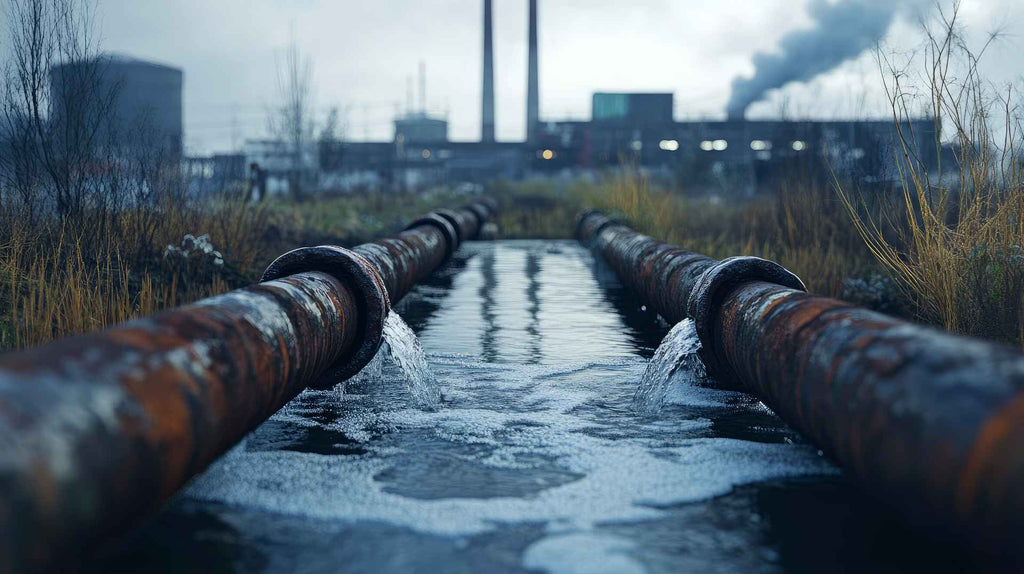
To most of us, it has been a straightforward, reliable routine to turn on the kitchen tap. We fill a glass, prepare tea, prepare dinner, and move on without thinking about it. But the silent trust is beginning to disappear in most communities. It is not a new occurrence nowadays that boil advisories, contamination warnings, and unexpected service shutdowns are becoming regular occurrences not just in distant places and troubled towns, but also in large cities and suburbs. These announcements are typically unpredictable, interrupt the normal course of things, and raise awkward questions about something we encounter daily. This change...
Disinfection By-Products (DBPs) in Tap Water: What You Should Know
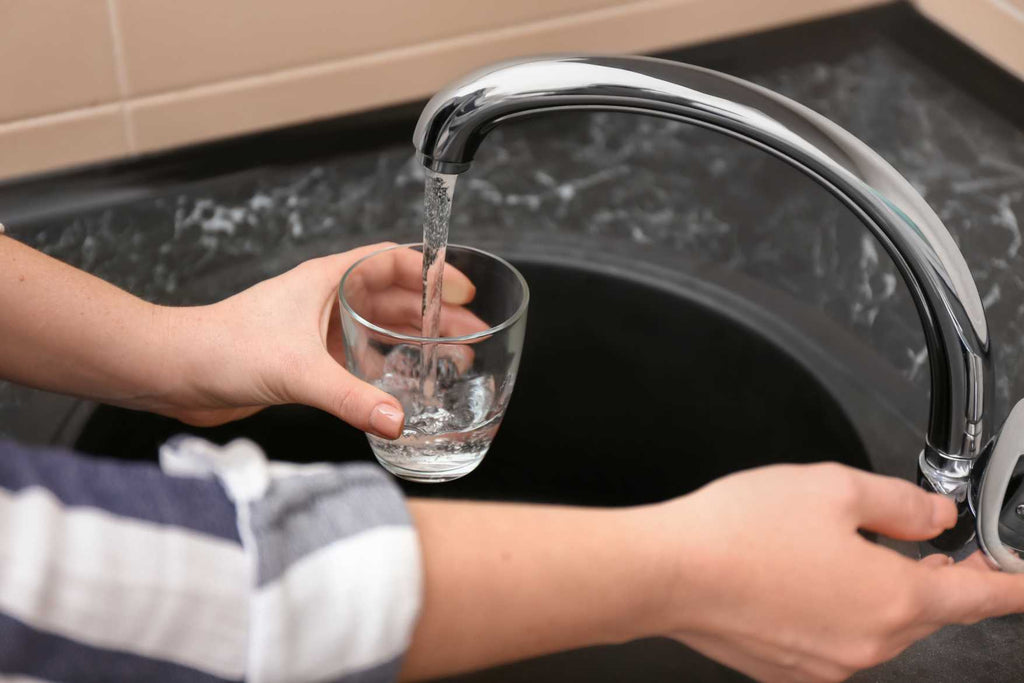
Most of us drink tap water without thinking twice. If it comes from the faucet and looks clean, we assume it is good to go. Of course, treated water does protect us against many harmful microbes. There's one part of the treatment process that many individuals are unfamiliar with, though. It's something that creates disinfection byproducts, or DBPs. DBPs form when chlorine reacts with natural organic matter still present in the water. This might be tiny bits of plants, soil, or anything organic that the system did not remove completely. When the chlorine reacts with these materials, small chemical compounds...
Hot vs Cold Water: Which is Better for Hydration and Health?
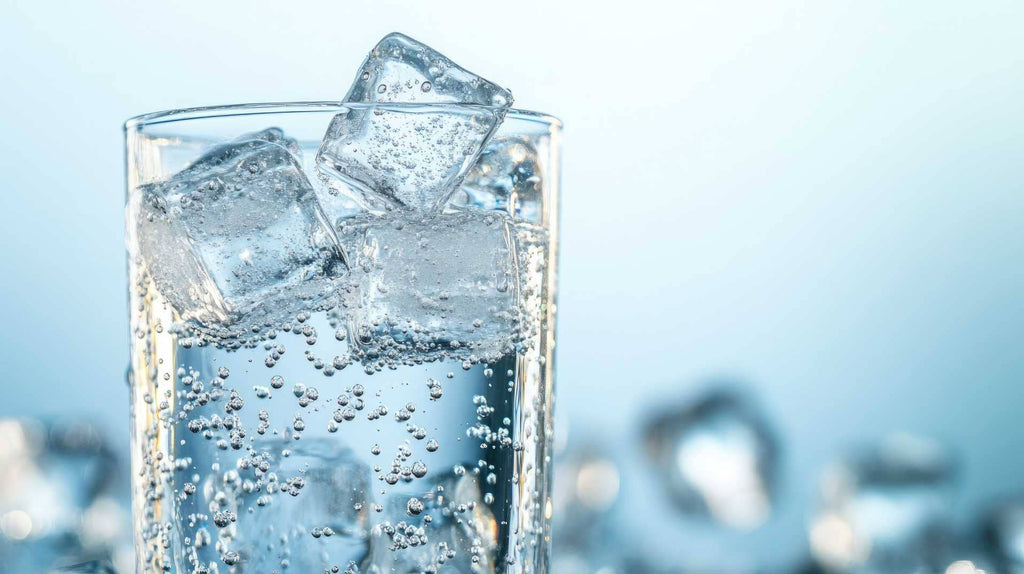
Hot vs Cold Water: Which is Better for Hydration and Health? Most of us automatically reach for cold water. That's a fact for a lot of us. Post-workout, post-outside, out of habit. Cold water hits different. It just feels so refreshing. Then some swear by warm or hot water. They drink it first thing in the morning, before meals, or when they are feeling a little off. For them, it's calming. And generally, it just sits better in the stomach. We are left wondering whether the temperature really matters. Or it is something we stick to because we are used to it....
Well Water vs City Water: Key Differences in Quality and How to Filter Each Safely
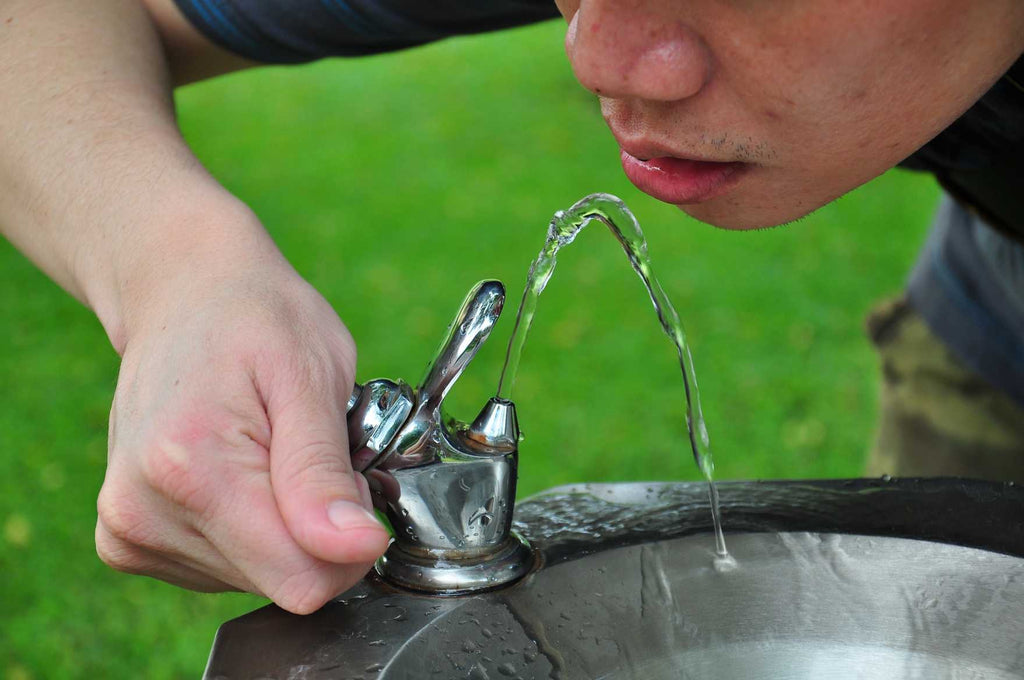
The water you drink every day may seem simple. But where it actually comes from makes a pretty big difference. Some people draw water from the city. Others get it from a private well in their yard. Both can be safe, but they're handled differently. City water flows from a treatment plant before it reaches your tap. A whole team checks, cleans, and ensures it meets specific standards. Well water does not go through any of that. It comes straight from the ground. So really, it's up to the homeowner to make sure it stays clean. That's why it helps to...
How Much Water Should You Really Drink a Day? The Complete Guide by Age, Weight, and Lifestyle
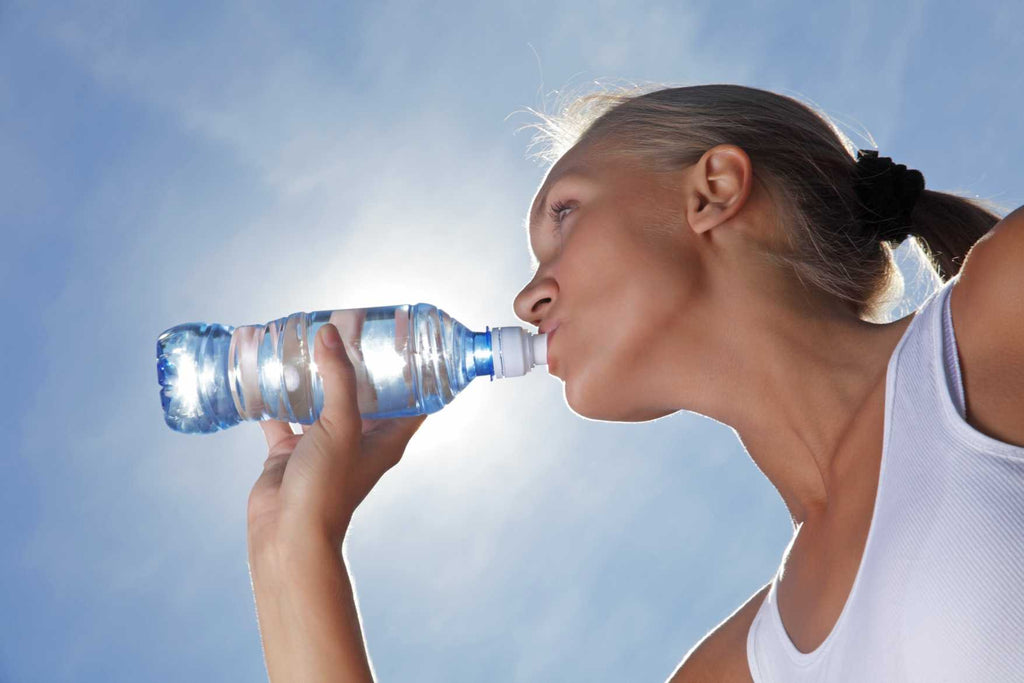
Staying hydrated is simple. Or it sounds simple. Yet many still have questions about how much water a person really needs in a day. Some try to stick to the famous eight-glasses rule. While others drink water only when they feel thirsty. And so, it depends. The thing is, every individual has their own needs when it comes to water. Age, weight, daily habits, and even where you live. All play a part. This is why a single fixed number rarely works for everyone. Water keeps your body running smoothly. It helps with digestion, keeps your energy level steady, and allows your mind...
6 Warning Signs Your Water May Contain Heavy Metals and What to Do About It
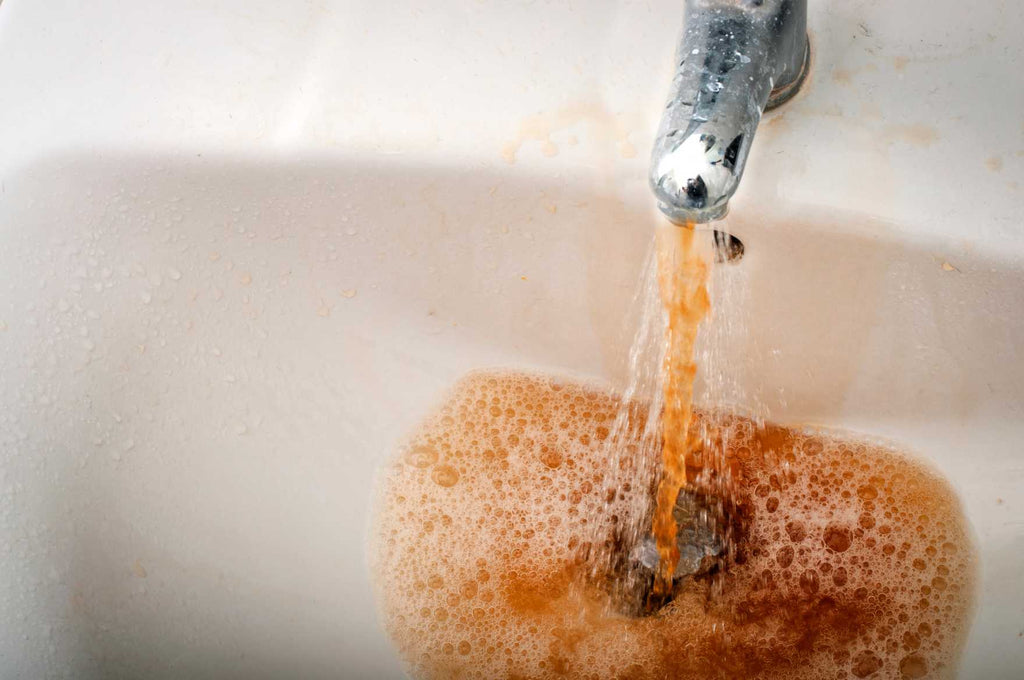
Let's begin with a simple story. A few years ago, there was this small Midwestern town. People learned that the tap water contained unsafe levels of lead. But the thing is, parents used the water every day. They cooked with it. They mixed baby formula with it. And yet, no one noticed anything at first. Why? Well, for one, the water looked normal. It, in fact, tasted normal. But of course, deep down, it carried a quiet risk that only showed up when children started getting sick—this was very unfortunate. Just as in this story, heavy metals in water often act in such a...
How Carbon Filters Work: The Science of Adsorption and Clean Water
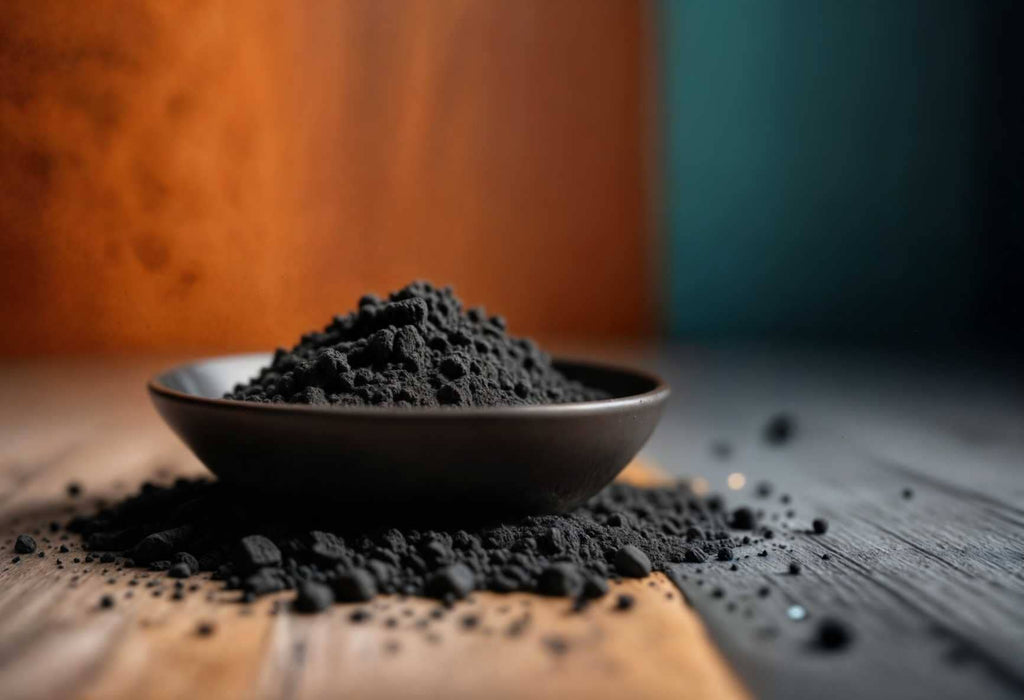
When you turn on your tap, the water looks clear. It fills a glass fast. It tastes normal. But honestly, there's more to it than what you see. There are lots of things in that water "too" small to see. Some homes have traces of chlorine from treatment plants. Others may have residual pesticides from farming. And some deal with PFAS and VOCs. These are long-lasting chemicals that can migrate into water supplies. People use filters at home because they want drinking water that feels safer. The carbon filter is one of the most common options. It does not look...
What Causes Hard Water? Why Most Water Filters Don’t Remove It
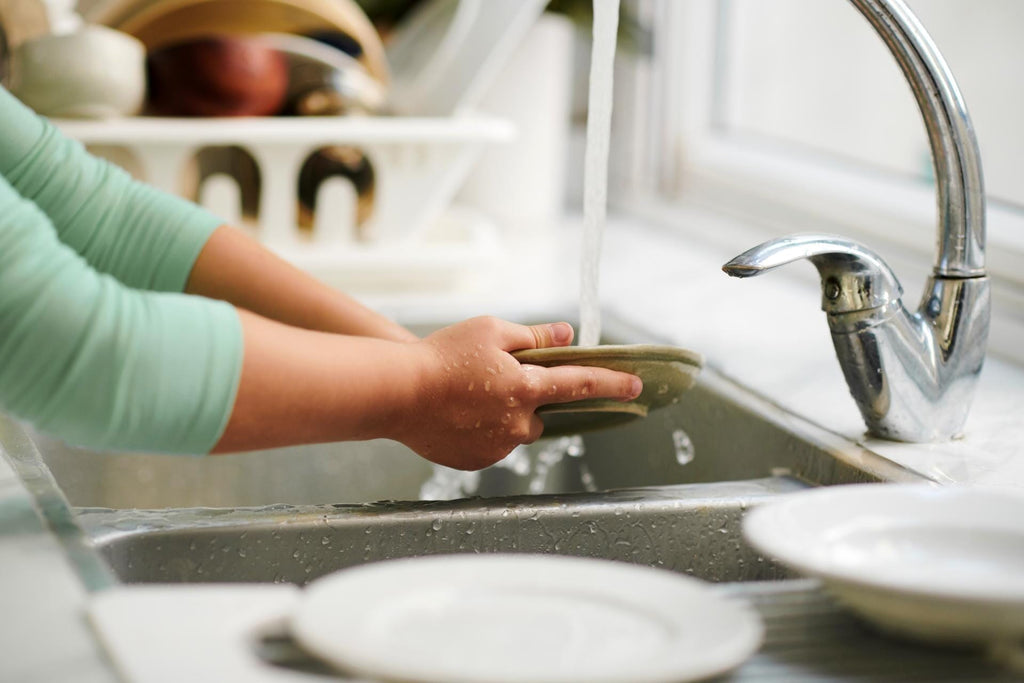
You are not the only person who has ever thought about white spots on dishes, or a soap that does not lather, or scale on faucets. Hard water prevalence is so common that the U.S Geological Survey (USGS) estimates that approximately 85% of Americans move into their homes with hard water. However, not all homeowners are sure what hard water is, why it exists, or why certain filters do not appear to correct it. This article will answer all questions, such as what hard water is, what causes the problem, what you should test at home, why the vast majority of...
Why Your Water Tastes Strange: Common Causes and Solutions Explained
Have you ever sipped tap water and thought that something was "wrong"? You are not alone. The majority of homeowners can smell or taste strange things or substances before they can see any visible contamination. What most people do not know is that such sensory indicators, chemical smell, earthy smell, or rotten-egg smells, are the initial indication of the existing problems with water quality. This guide classifies the most common causes of bad-tasting or foul-odor water as chlorine, sulfur, metals, and microorganism growth. To discover what each problem is likely to smell or taste like, what these signs are, and how...
Can You Be Allergic to Tap Water? Causes, Symptoms, and Safe Alternatives
Most people experience itch, reddening, or rash after bathing, hand washing, or even when they quench thirst using tap water- and most readily believe they are "allergic to tap water". But is it possible to become allergic to such a basic thing as water? The fact is that pure H₂O cannot cause any allergies in people, as the immune system does not respond to water molecules. But a significant percentage of the population reacts to what is in the water. Tap water can contain chlorine, chloramines, metals, minerals, bacteria, and other irritants that can cause discomfort in the skin or respiratory...
7 Warm Winter Drinks That Taste Better with Filtered Water at Home

Have you ever wondered why your favorite hot drinks at your favorite cafe taste cleaner, smoother, and more aromatic than your home-made beverages, even though they use the same ingredients? It can be as basic as water quality. Water isn't just a base liquid. It affects flavor extraction, color, aroma, texture, and mouthfeel. In cases where water is chlorinated, sedimentary, or excessively mineralized, or contains chemicals, these substances interfere with the release and dissolution of flavors. The result? Unbalanced, cloudy, metallic, dull, and bitter gusts of drinks. In this article, we will examine seven warm winter drinks, including traditional tea...