
Water Quality & Home Filtration Resource Center
The Need of Clean Water - Who needs it? Why do we need it? How bad do we need clean water?
THE NEED FOR CLEAN WATER HOUSEHOLD Clean water is essential in the household, especially when family members are conscious about their health. People who need proper attention regarding liquid/food intake, such as sick children, toddlers, and elders who take their medicines regularly, need clean water. Clean water must also be considered when preparing food for the family. The most important thing is drinking. Most people nowadays follow the 8-glasses-per-day rule, which implies that clean water must be considered. BABIES’/TODDLERS’ FORMULA MILK Clean and purified water is essential for babies who drink formula milk. After pregnancy, moms who...
Unsafe Level of Toxic in a Drinking Water are Exposed to Millions of Americans
You may have heard the news that you are drinking unsafe water. Reports say millions of Americans are drinking water tainted with toxic chemicals. USA Today reported that about 4 million people in the US were exposed to deadly, toxic chemicals in their drinking water. USA Today added that despite this reality in the water, federal and state regulators often do not force them to comply with the law. Below is the data that USA Today investigated for a year. About 4 million people get water from small companies. They skipped tests or did not conduct them...
Water Conservation for Future Generation
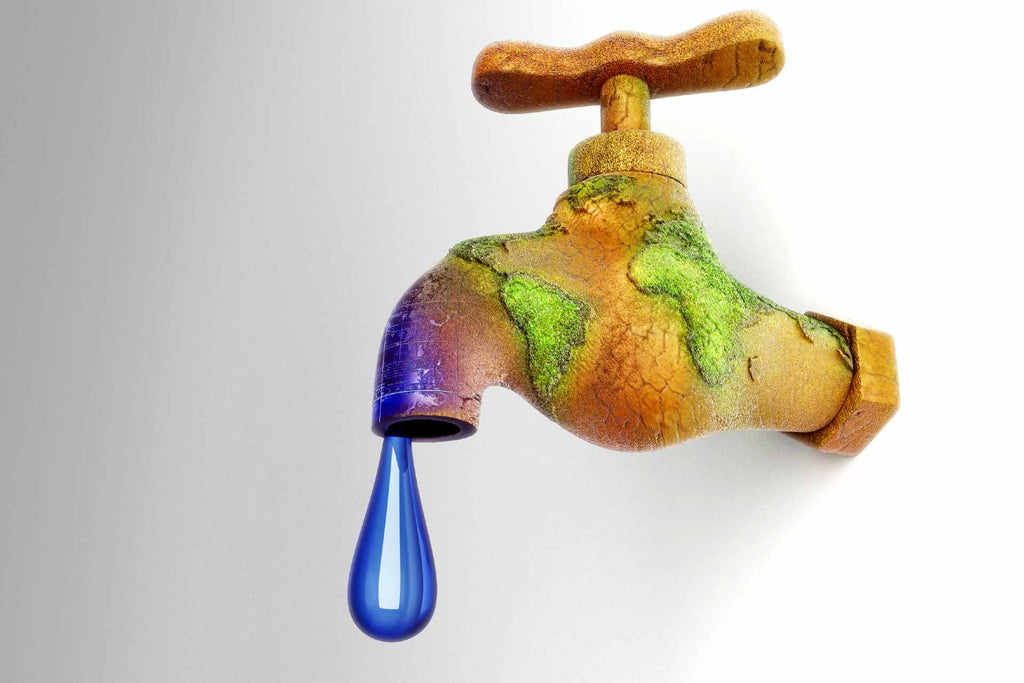
Water Conservation for Future Generations Water is one of the most valuable resources on Earth. We depend on it every day for drinking, cooking, cleaning, bathing, farming, gardening, and supporting the natural environment around us. Because water feels so readily accessible in many homes, it is easy to take for granted. A faucet left running while brushing teeth, a small leak under the sink, or overwatering the lawn may not seem like much in the moment. But over time, small habits can add up to a large amount of wasted water. Water conservation means using water wisely, reducing waste, and...
How Much Water Should you Drink Every day?

How Much Water Should You Drink Every Day? Water plays an essential role in everyday health. It supports digestion, circulation, temperature regulation, physical performance, brain function, and normal waste removal through the kidneys. Still, many people wonder how much water they should drink each day. The answer depends on your body size, activity level, climate, diet, health status, and how much fluid you get from foods and other beverages. This guide explains why water matters, how to estimate your daily fluid needs, what signs may suggest you need more fluids, and how to choose better drinking water habits. Why Is...
Lemon Water Benefits and Myths: What It Can—and Cannot—Do for Your Health
Lemon water is one of the simplest flavored drinks you can make: water combined with fresh lemon juice or lemon slices. It can be served cold, warm, or at room temperature. Its popularity has also produced a long list of health claims—from detoxification and weight loss to alkalizing the body. Most of those claims are exaggerated. Quick answer: The main benefits of lemon water are that it can make water more enjoyable, contribute a small amount of vitamin C, and provide a low-calorie alternative to sugary beverages. It does not detox the body, directly burn fat, change blood pH, prevent...
Specific Victims in a Disaster: How Can We Help Them Cope?

Who would've wished to be in that catastrophic situation that all you can do is cry and tremble out of jitters hopelessly? Perhaps being on this unfortunate life-turning event is one that we less expected but would tightly cross our fingers of not ever letting it exist in a specific circumstance. All those mishaps headlined worldwide might have happened out of nature, and the worst would be human error. The devastating 7.0 magnitude Haiti earthquake in 2010, the deadliest hurricane Katrina that hit the United States of America in 2005, the heinous 9.0 magnitude quake that hit the East...
Fluoride Can Seriously Kill Your Thyroid Gland

A discouraging amount of research shows that the widely lauded benefits of fluoride dental health are more imagined than real. The core concern is the fallout of sustained fluoride intake on general health. Again, a large body of research literature on this subject is freely available and even being discussed worldwide. However, the York Review did not consider this effort when their proposition was changed from "Studies of the effects of fluoride on health" to "Studies on the effects of fluoridated water on health." It is evident that it was not considered by the BMA (British Medical Association), British Dental...
Salts and Sodium in Drinking Water - How much is Safe?
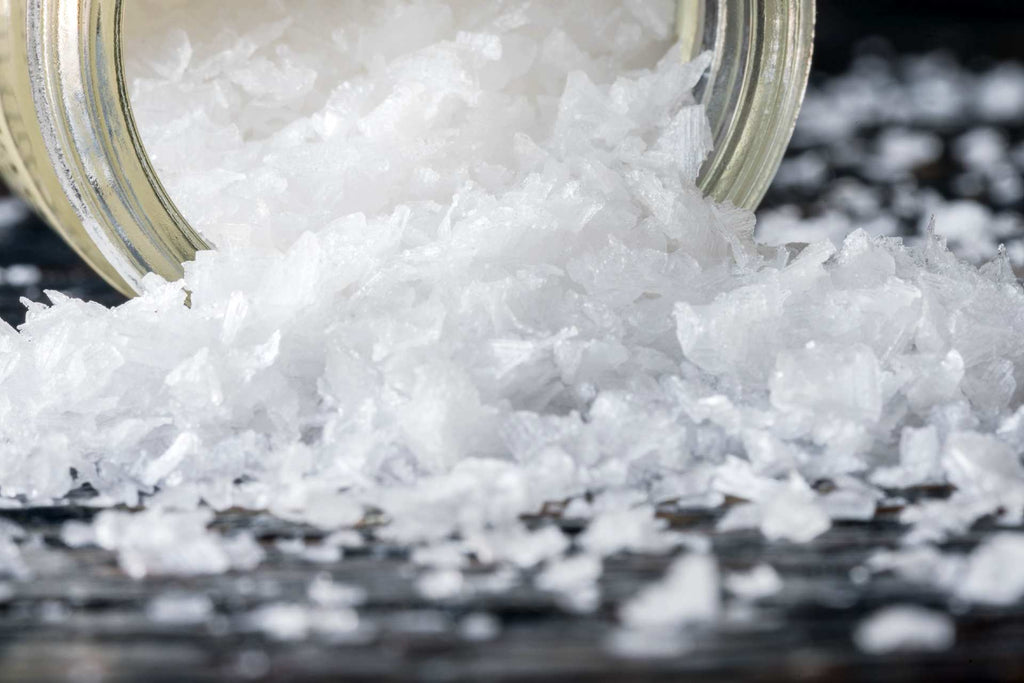
As we thought and what we are aware of, salts and sodium are the same, but chemically, both are different substances. Though sodium can be found in salt, it doesn’t mean salt is sodium or sodium is salt. Somewhat related to chemistry. However, there is a big difference between the two elements. Sodium is a chemical element that is very reactive, especially when combined with water, causing ignition; thus, it must be stored in a place where no moisture can be found. Different in nature, though, both can be essential to life. Where Can Salts and Sodium be Found...
Nitrates in Drinking Water: Risks, Limits & Removal
Nitrate is a naturally occurring form of nitrogen, but elevated nitrate levels in drinking water can become an important water-quality concern—particularly for households using private wells. Nitrate can enter groundwater from fertilizers, septic systems, animal waste, and other sources. Because nitrate is colorless, odorless, and tasteless, you cannot determine its concentration simply by looking at, smelling, or tasting your water. Quick answer: Nitrate (NO3−) and nitrite (NO2−) are related nitrogen compounds. EPA’s public-water limits are 10 mg/L nitrate as nitrogen and 1 mg/L nitrite as nitrogen. Elevated levels are especially concerning for infants younger than six months. Private-well owners cannot...
Safe Drinking Water Standards Set by SDWA
The Safe Drinking Water Act was launched in 1974 and amended in 2016. It was made to ensure public safety in the district's drinking water distribution. The government uses suitable treatments to control and eradicate contaminants for public safety consumption, which is considered one of our basic needs because it comprises almost 78% of the human body. Unfortunately, many water sources are around us, but they contain naturally occurring contaminants and toxic chemicals that are dangerous to public health. Water contains healthy minerals and some waterborne contaminants, such as vinyl chloride, cadmium, copper, and lead. Some are naturally occurring,...
Volatile Organic Compounds (VOCs) in Drinking Water
Volatile Organic Compounds VOCs in Drinking Water: What Homeowners Should Know Volatile organic compounds, often called VOCs, are a group of carbon-based chemicals that can evaporate easily into the air. Some VOCs are used in fuels, solvents, paints, cleaners, pesticides, industrial products, and other everyday materials. Although many people think of VOCs as an air-quality concern, some VOCs can also enter groundwater and drinking water sources. This may happen near industrial sites, fuel storage areas, landfills, dry cleaners, farms, or locations where chemicals have been spilled or improperly disposed of. This guide explains what VOCs are, how they may enter...
How to Know if Your Water is Contaminated
Water is mainly composed of the body, which is why it is necessary for everyday life. It is one of the most powerful natural sources because it gives power and energy to the body's systems, enabling them to perform their daily activities. Other experts say eating fruits can also help improve the body's system. Yes, it is true. But what exactly do you do after eating? Drinking water because this fluid intake pushes down the food we digest. People nowadays are very practical. Some, especially children, are afraid of going to the doctor when they become ill because they...
Does Berkey Remove Iron From Drinking Water?
Iron is one of the most common minerals found in groundwater. If your water has a metallic taste, rusty color, reddish-orange staining, or visible sediment, iron may be part of the problem. So, does a Berkey® water filter reduce iron? Yes. Black Berkey® Elements are designed to reduce iron. However, the right approach depends on the amount and form of iron in your source water. A countertop Berkey® system may be appropriate for drinking-water filtration, while high iron levels, heavy staining, large amounts of sediment, or iron bacteria may require dedicated treatment before the water reaches the Berkey® system. The...
How do the Black Berkey Filter Elements work?
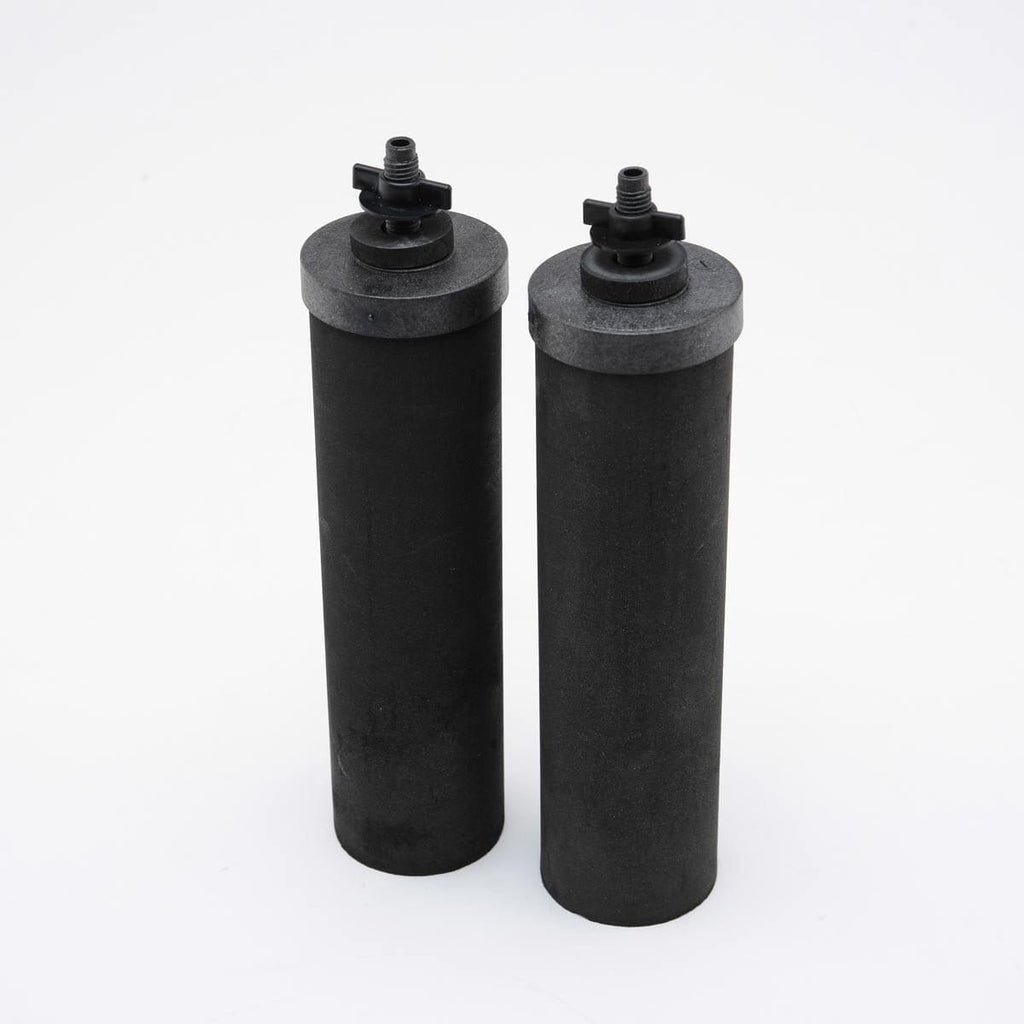
Several methodologies are used to produce the Black Berkey Filter elements. MICROFILTRATION The first line of defense is that Berkey elements comprise a proprietary formulation of more than six different media types, all constructed into a very compact matrix containing millions of microscopic pores. These pores are so small that they create what we refer to as a “Tortuous Path,” which dramatically reduces the presence of trihalomethanes, inorganic minerals, heavy metals, pharmaceuticals, VOCs, petroleum products, perfluorinated chemicals, rust, silt, sediment, radiological contaminants, and more. These paths are so small that pollutants cannot physically pass through them and become trapped, eliminating...
What are Pharmaceuticals and How Can They Contaminate Our Drinking Water?
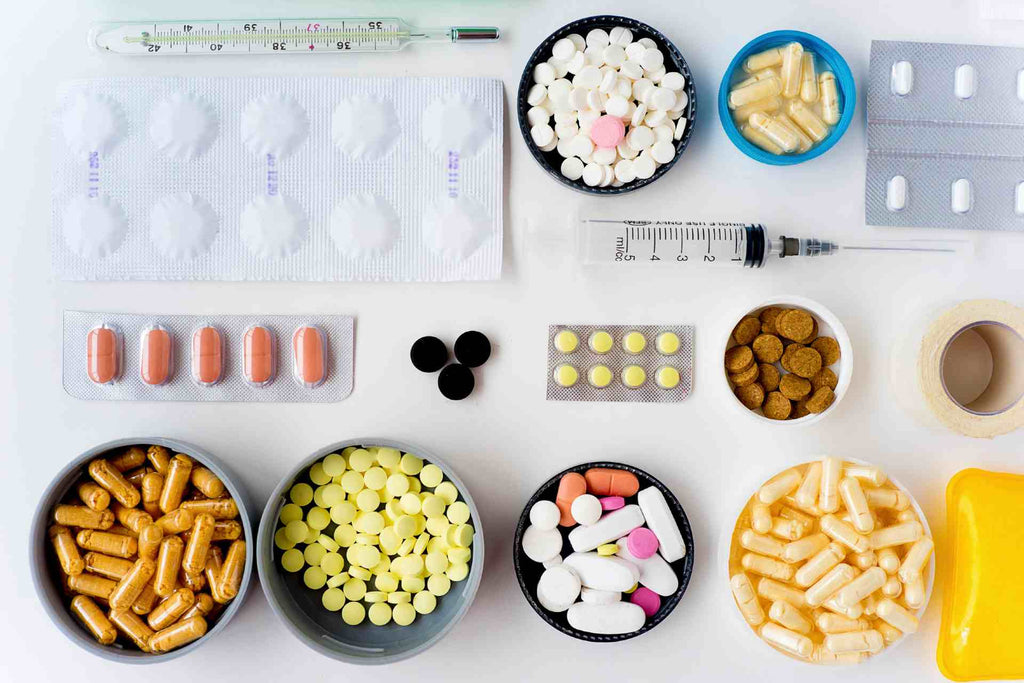
Pharmaceuticals are natural or synthetic drugs chemically designed or created to treat, inhibit, or alter diseases found in humans or animals. Pharmaceuticals can be therapeutic drugs prescribed by doctors, over-the-counter drugs, or veterinary drugs and animal feeds. When excreted by the animal or human body through urine, feces, or saliva, these drugs can contaminate drinking water. How? When an individual or patient takes these chemicals and improperly disposes of these drugs, drugs are thrown into the toilet and excreted through urine. Fecal wastes can contaminate drinking water through the sewage. Also, animals that have had these chemicals introduced for...
Arsenic in Drinking Water - All about Arsenic and Its Sources
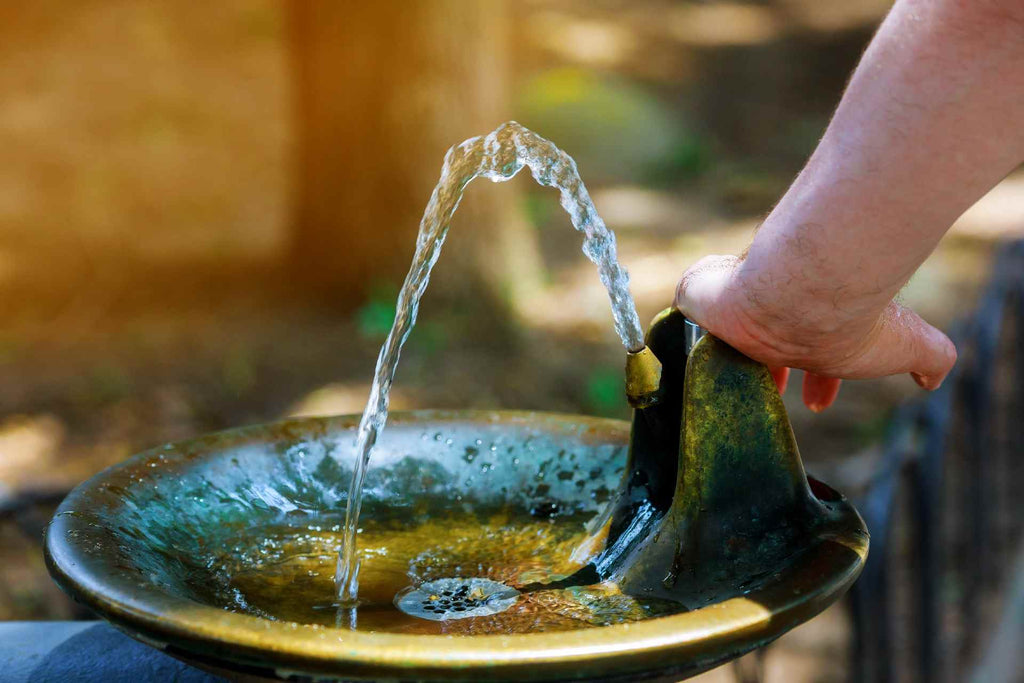
We all know that arsenic is a poisonous chemical capable of killing not only animals and pests but also humans. Arsenic is a metalloid that can be organic or inorganic in composition. Organic arsenic is naturally found in Mother Nature's environment. At the same time, inorganic arsenic is produced by humans and human waste materials, such as chemicals and metals. Inorganic arsenic is the most toxic and lethal chemical compared to organic arsenic because it is produced by humans combined with other poisonous chemical compounds. However, both inorganic and organic arsenic are toxic, regardless of the perspective. Organic arsenic is naturally found...
Berkey Red Food Coloring Test: Step-by-Step Instructions
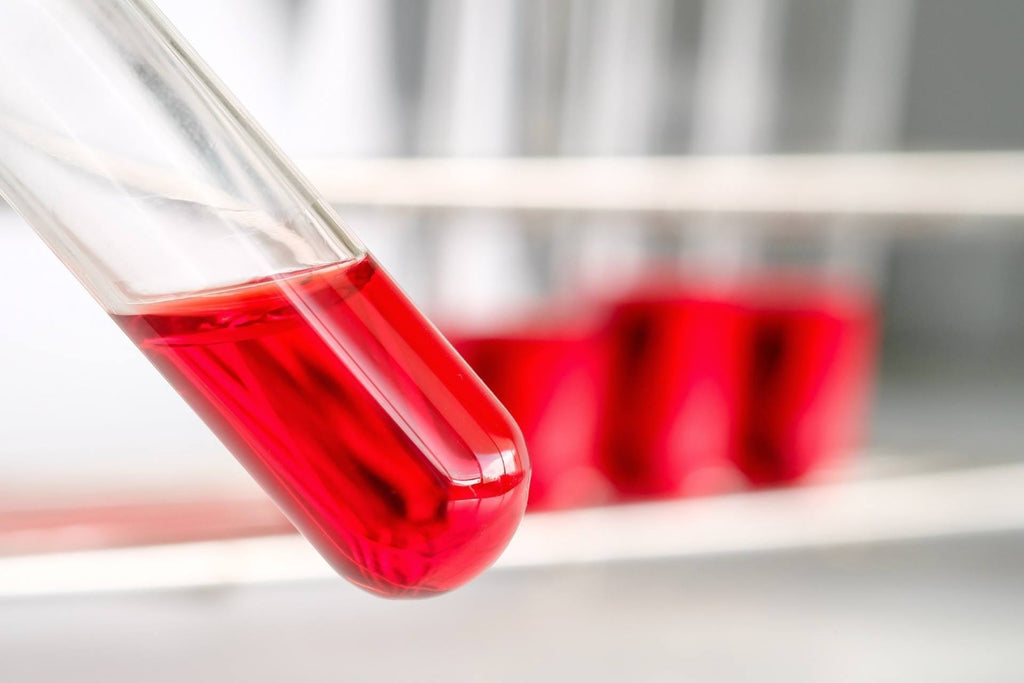
The Berkey® red food coloring test is a simple assembly-verification test used with Black Berkey® Elements. It helps confirm that your Berkey® system has been assembled correctly and that water is passing through the filter elements rather than bypassing them through an improperly sealed opening. When the system is correctly assembled and the Black Berkey® Elements are functioning as intended for this test, artificial red food coloring should not appear in the water collected beneath the elements. Quick instructions: Prime the Black Berkey® Elements, remove any Berkey PF-2™ Elements, place a separate clean cup beneath each Black Berkey® Element, add...
Atrazine in Drinking Water: Health Effects, Limits & Removal
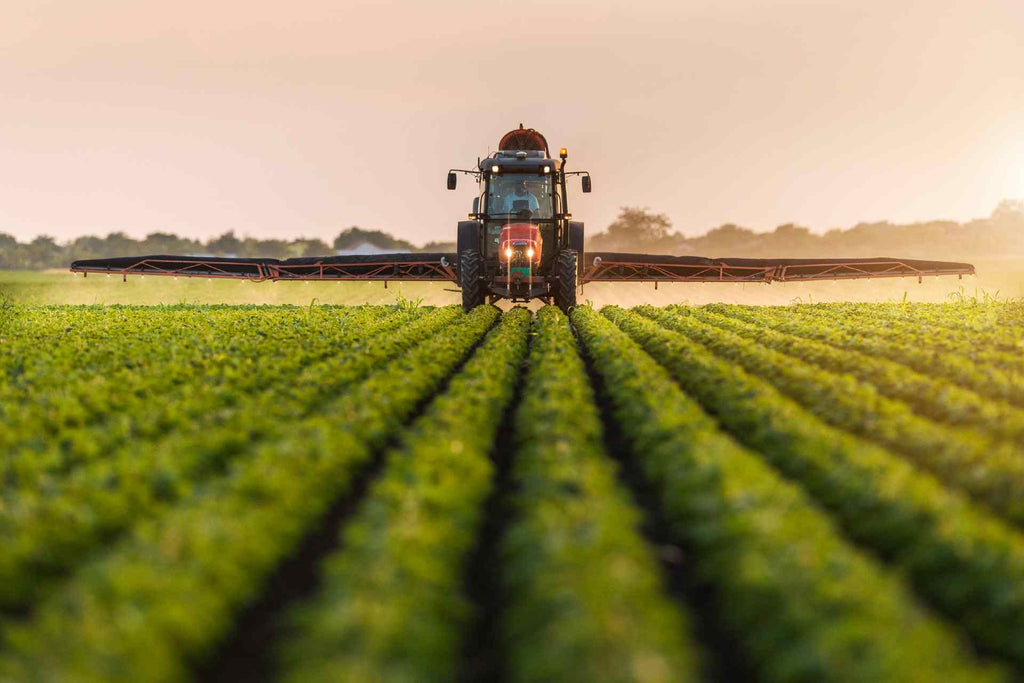
Atrazine is a widely used herbicide that can enter rivers, streams, and groundwater after application to agricultural land. Because atrazine is used extensively on crops such as corn, sorghum, and sugarcane, it is monitored as a drinking-water contaminant in the United States. The U.S. Environmental Protection Agency has established a federal Maximum Contaminant Level (MCL) for atrazine in public drinking water of 0.003 mg/L, or 3 parts per billion (ppb). Quick answer: Atrazine can reach water through agricultural runoff and movement through soil. Public water systems must meet EPA's 3 ppb drinking-water standard. If you use a private well in...
Dangers of Fracking Chemicals in Water
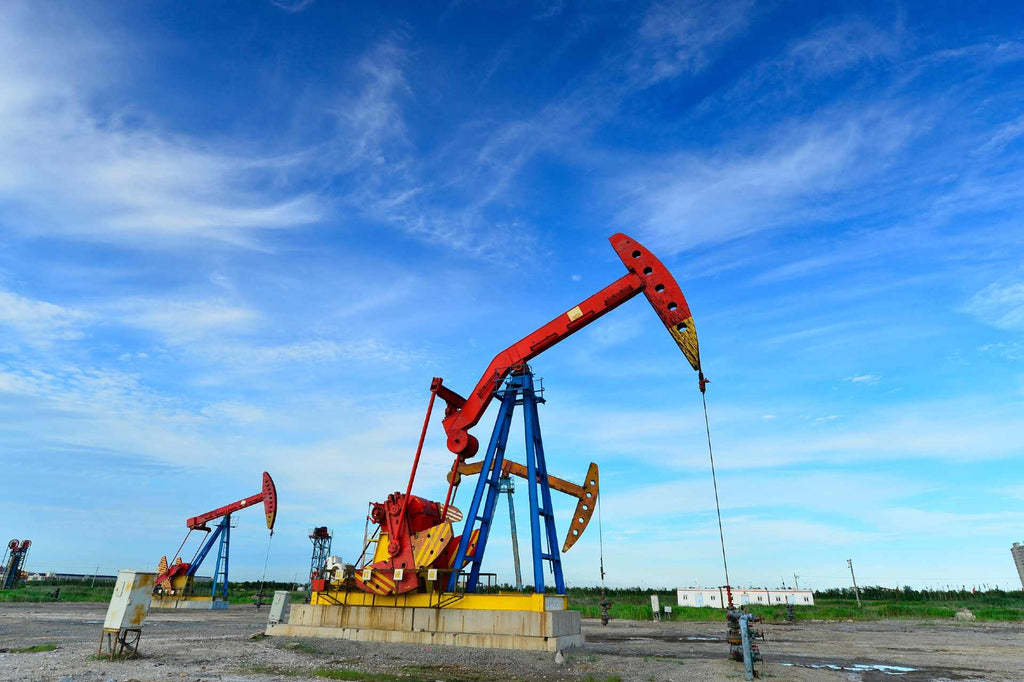
Fracking, or hydraulic fracturing, involves injecting or drilling fluids into the earth at high pressure to release the gas inside. This process fractures earth elements to discharge natural gas. More than 600 chemicals use fracking unsolidified components like carcinogens and toxins. These are lead, uranium, mercury, ethylene glycol, radium, methanol, hydrochloric acid, and formaldehyde. Fraction fluid is injected into the ground with pressure through a drilled pipeline. Some companies use fracking waters to resist divulging fracking waters, assuming that being informative is proprietary. Some companies use fracking to remove billions of crystal-clear water from the...
Health Effects of Mercury in Drinking Water
"Health is wealth." This is a common saying that we hear everywhere. Nowadays, health is becoming an issue in society. Many people, especially young ones, don't pay attention to their health because they think that if they are young, they can't be contaminated by diseases. However, mercury in drinking water is an issue, and many people wonder about the effects of mercury exposure on their bodies. Mercury is an element (symbol: Hg) in our environment known as quicksilver. Mercury is used in laboratory apparatuses like thermometers and barometers. Mercury is also used to produce sodium hydroxide as a liquid...