
Water Quality & Home Filtration Resource Center
Arsenic in Drinking Water - All about Arsenic and Its Sources
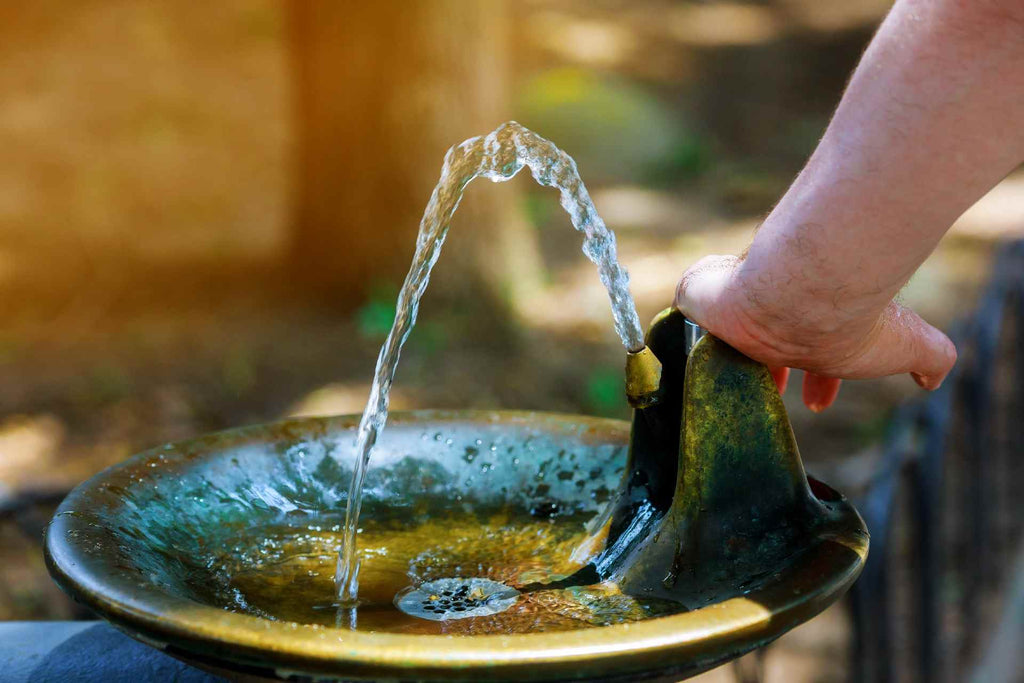
We all know that arsenic is a poisonous chemical capable of killing not only animals and pests but also humans. Arsenic is a metalloid that can be organic or inorganic in composition. Organic arsenic is naturally found in Mother Nature's environment. At the same time, inorganic arsenic is produced by humans and human waste materials, such as chemicals and metals. Inorganic arsenic is the most toxic and lethal chemical compared to organic arsenic because it is produced by humans combined with other poisonous chemical compounds. However, both inorganic and organic arsenic are toxic, regardless of the perspective. Organic arsenic is naturally found...
Berkey Red Food Coloring Test: Step-by-Step Instructions
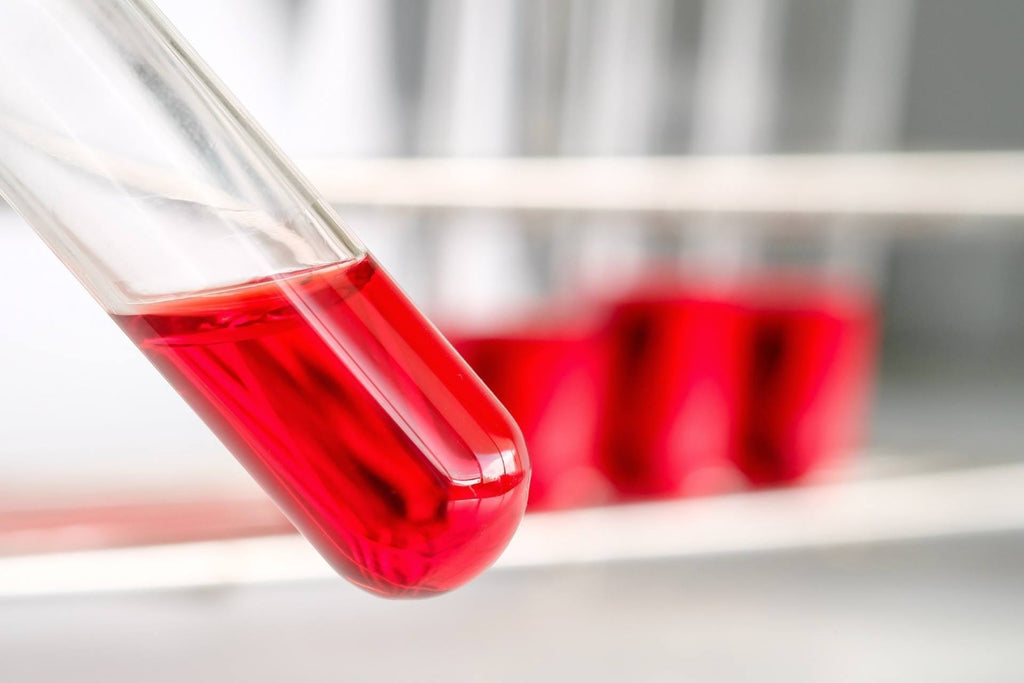
The Berkey® red food coloring test is a simple assembly-verification test used with Black Berkey® Elements. It helps confirm that your Berkey® system has been assembled correctly and that water is passing through the filter elements rather than bypassing them through an improperly sealed opening. When the system is correctly assembled and the Black Berkey® Elements are functioning as intended for this test, artificial red food coloring should not appear in the water collected beneath the elements. Quick instructions: Prime the Black Berkey® Elements, remove any Berkey PF-2™ Elements, place a separate clean cup beneath each Black Berkey® Element, add...
Atrazine in Drinking Water: Health Effects, Limits & Removal
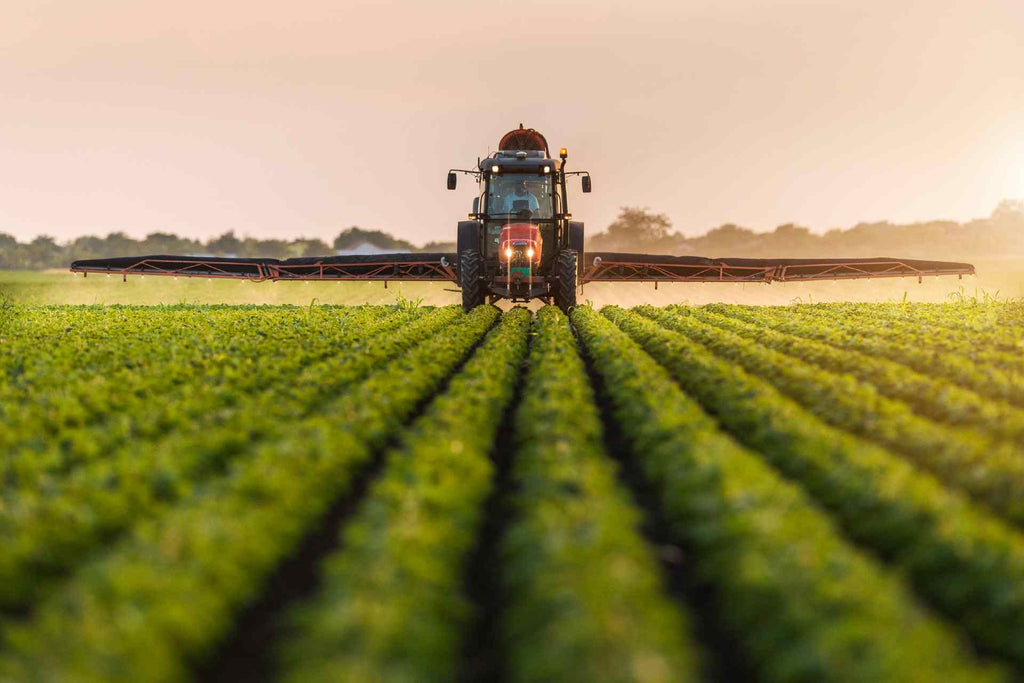
Atrazine is a widely used herbicide that can enter rivers, streams, and groundwater after application to agricultural land. Because atrazine is used extensively on crops such as corn, sorghum, and sugarcane, it is monitored as a drinking-water contaminant in the United States. The U.S. Environmental Protection Agency has established a federal Maximum Contaminant Level (MCL) for atrazine in public drinking water of 0.003 mg/L, or 3 parts per billion (ppb). Quick answer: Atrazine can reach water through agricultural runoff and movement through soil. Public water systems must meet EPA's 3 ppb drinking-water standard. If you use a private well in...
Dangers of Fracking Chemicals in Water
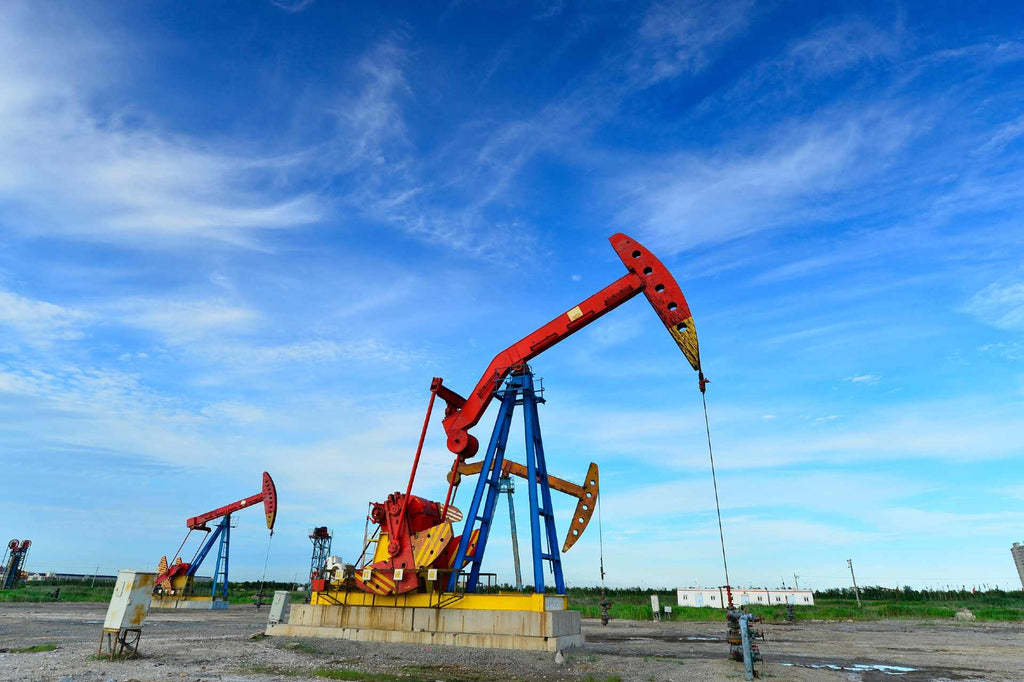
Fracking, or hydraulic fracturing, involves injecting or drilling fluids into the earth at high pressure to release the gas inside. This process fractures earth elements to discharge natural gas. More than 600 chemicals use fracking unsolidified components like carcinogens and toxins. These are lead, uranium, mercury, ethylene glycol, radium, methanol, hydrochloric acid, and formaldehyde. Fraction fluid is injected into the ground with pressure through a drilled pipeline. Some companies use fracking waters to resist divulging fracking waters, assuming that being informative is proprietary. Some companies use fracking to remove billions of crystal-clear water from the...
Health Effects of Mercury in Drinking Water
"Health is wealth." This is a common saying that we hear everywhere. Nowadays, health is becoming an issue in society. Many people, especially young ones, don't pay attention to their health because they think that if they are young, they can't be contaminated by diseases. However, mercury in drinking water is an issue, and many people wonder about the effects of mercury exposure on their bodies. Mercury is an element (symbol: Hg) in our environment known as quicksilver. Mercury is used in laboratory apparatuses like thermometers and barometers. Mercury is also used to produce sodium hydroxide as a liquid...
Chromium 6 in Drinking Water and How to Remove
Little do you know that the drinking water you consume is rich in toxic chemicals that can cause harm to you and your family. Though it is indeed true that water gives you life, what would you do when you know that it can also be the cause of your slow death? Even the water you think is safe might cause illnesses. Certain chemicals can contaminate drinking water, making it dangerous to health. Those chemicals were improperly disposed of and leaked through the public water supply. Some of these chemicals are naturally occurring in the environment, while others are products...
What are the Causes of Turbidity in Water?
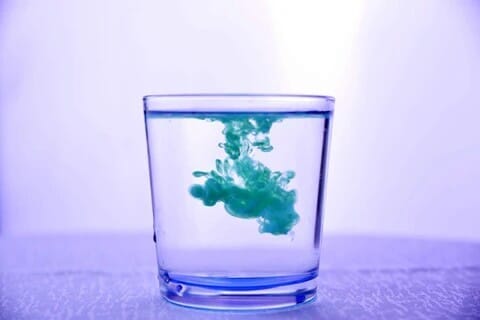
Turbidity in water is mainly caused by human activities in certain industries, such as mining and agriculture, which move particles into the water and mix them with water. Those can be mud, sand, or other waste materials in the changing environment. However, a certain particle is a natural flora of water, especially seen in seawater and oceans, and can be found in freshwater. This particle is known as phytoplankton. Phytoplankton is a type of tiny plant that drifts or floats through different bodies of water. This plankton is so small that it can only be seen using a microscope. Phytoplankton varies...
Preparedness Checklist: Are You Ready for the Next Emergency?

Preparedness Checklist: Are You Ready for the Next Emergency? Emergencies rarely arrive with perfect timing. Storms, floods, earthquakes, wildfires, power outages, and water service disruptions can happen with little warning. A simple preparedness checklist can help your household stay calmer, safer, and more organized when normal routines are interrupted. Preparedness is not about panic. It is about having the basic supplies, information, and habits your family may need during the first few days of an emergency. Start With the Basics Every household should prepare for the possibility that power, water, transportation, or communication may be temporarily unavailable. Store emergency drinking...
Water Pollution & Reverse Osmosis: Contamination and Treatment

Freshwater supports drinking-water systems, agriculture, industry, ecosystems, sanitation, and nearly every aspect of modern life. Yet having water available does not necessarily mean that the water is suitable for every use. Rivers, lakes, reservoirs, and groundwater can be affected by natural substances and human activities including agriculture, wastewater, urban runoff, industrial activity, mining, leaking storage systems, and aging infrastructure. That makes water protection a two-part challenge: protect the source whenever possible, and use appropriate treatment when unwanted substances are present. Quick answer: Water pollution can affect both surface water and groundwater, but the contaminants and risks vary by location. Reverse...
Heavy Metals like Manganese, Cadmium, Copper, Zinc and Irons in Drinking Water
Various metals are present in our surroundings. Some are caused by natural environmental flora, some by human waste, and most of the time, some by pollution. Heavy metals are a relatively similar group of metals with everyday uses. While they can be notably toxic to health, some are essential and vital in many aspects of life. Though it has no exact meaning in chemistry, heavy metal is used to describe it using quantitative criteria that measure heavy metals' atomic weight, atomic number, and density level. Some heavy metals, such as manganese, cadmium, copper, zinc, and iron, have essential benefits for...
Sediments Water Pollution: How Sediments are Formed
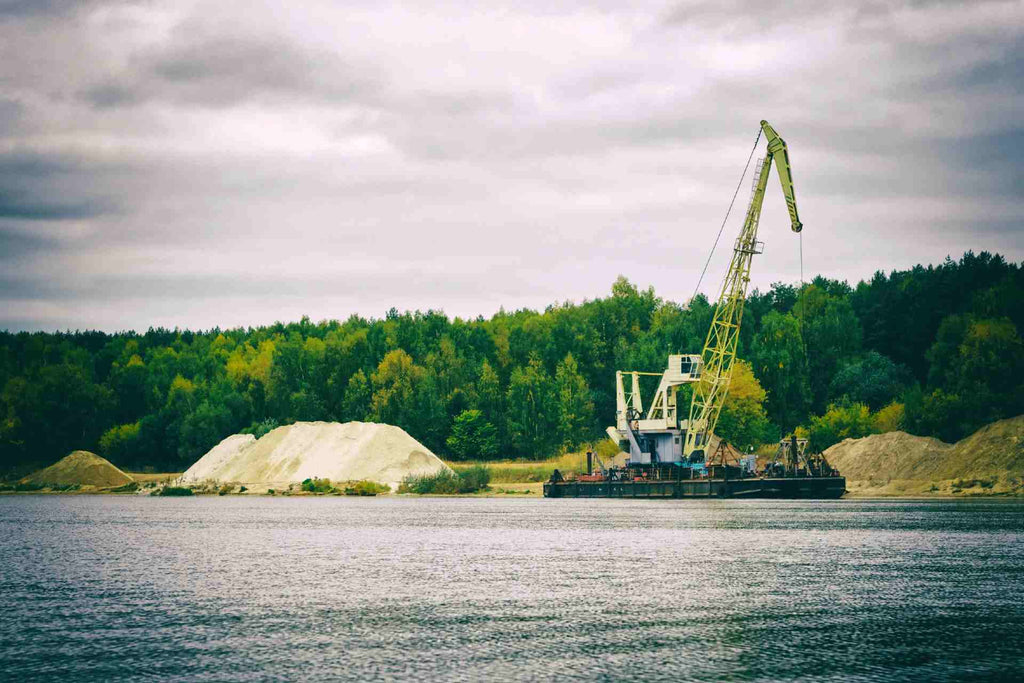
How Sediments are Formed and the Different Kinds of Sediments Found in Water It may be caused by natural floras of water found in seas, oceans, lakes, waterfalls, and many more, or it can be caused by human activities that disrupt the natural state of water and create turbidity, thus forming sediments in the water. Sediment is a matter or substance that settles at the bottom of any liquid. Human activities, such as mining, agriculture, artificial chemicals, and waste materials, can mix various particles with water. These particles sometimes settle at the bottom without interrupting the water's natural state. Sediments,...
Pesticides in Drinking Water: Sources, Risks & Treatment

Pesticides are used around the world to control insects, weeds, fungi, rodents, and other organisms that can damage crops, spread disease, harm structures, or interfere with homes and businesses. They also raise an important water-quality question: what happens when pesticides move beyond the area where they were applied? Depending on the chemical, soil, weather, application method, and local geology, some pesticides can move into streams, lakes, or groundwater that may ultimately serve as drinking-water sources. Quick answer: “Pesticide” is a broad category, not one type of chemical. Different pesticides have very different properties, toxicity, persistence, and environmental behavior. Some can...
Transparence to Translucence: Devastating Aftermaths to Earth's Agua Life
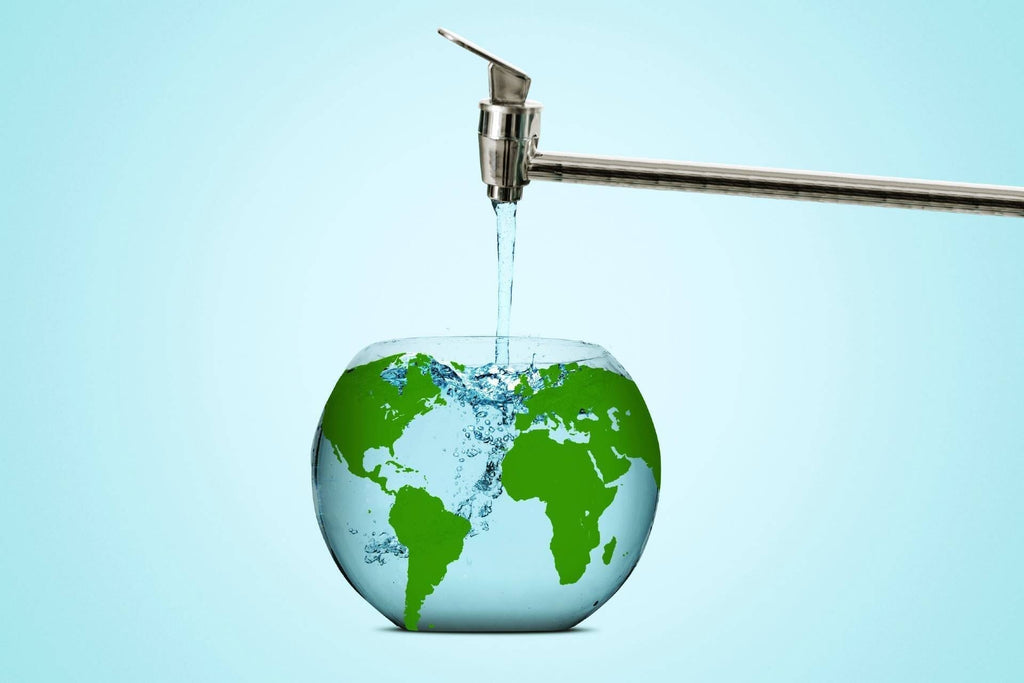
Water has long been an integral part of the world. Since its creation, it has endured natural catastrophes unharmed and serenely. It composes at least 70% of both the Earth and the human body, from the most effective water forms like great oceans surrounding the continents, lakes in-between countries, rivers bordering states, and springs bathing forest fauna to small forms that include human extracellular and intracellular fluids. At the same time, development and progress have also been noted to change phase. With technology constantly upgrading, the Earth has been home to natural and synthetic forms. As an aftermath...