
Water Quality & Home Filtration Resource Center
All About Water Recycling And Reuse - Recycled water and reclaimed water
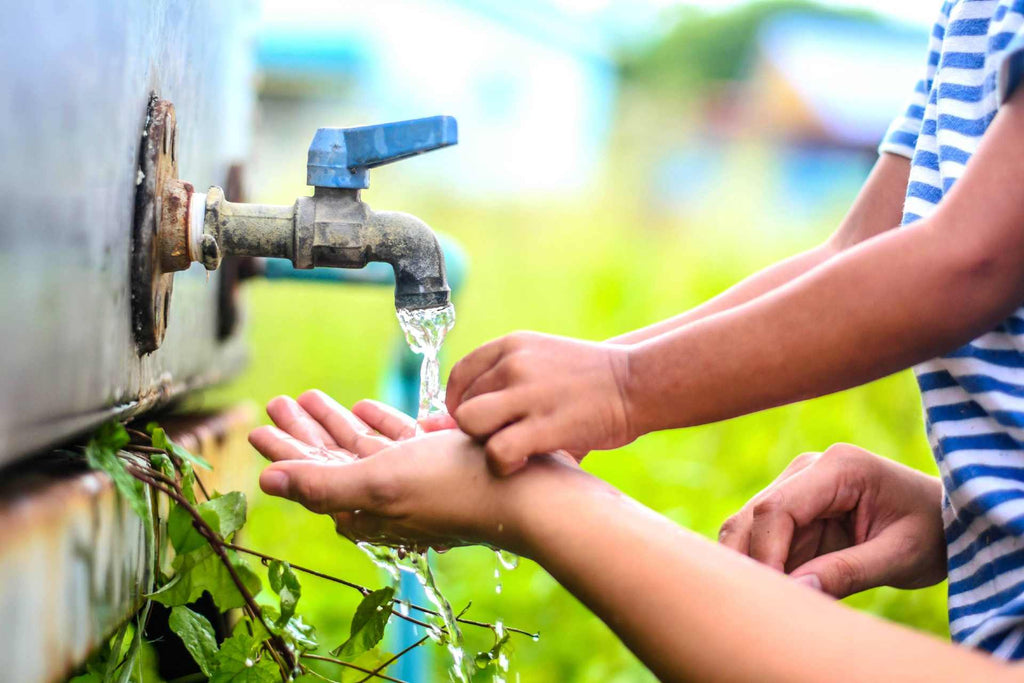
Water Recycling and Reuse: What Reclaimed Water Is and Why It Matters Water recycling, also called water reuse, is the process of treating used water so it can be used for another purpose. As communities face population growth, drought, groundwater stress, and rising water demand, recycled water is becoming an increasingly important part of modern water planning. Reclaimed water is already used in many places for irrigation, landscaping, industrial cooling, groundwater recharge, environmental restoration, and, in some highly regulated systems, to support drinking water supply. This guide explains what recycled water is, how it is treated, where it is used,...
Plastic Water Bottle Numbers to Avoid: Plastic Numbers 1–7 Explained
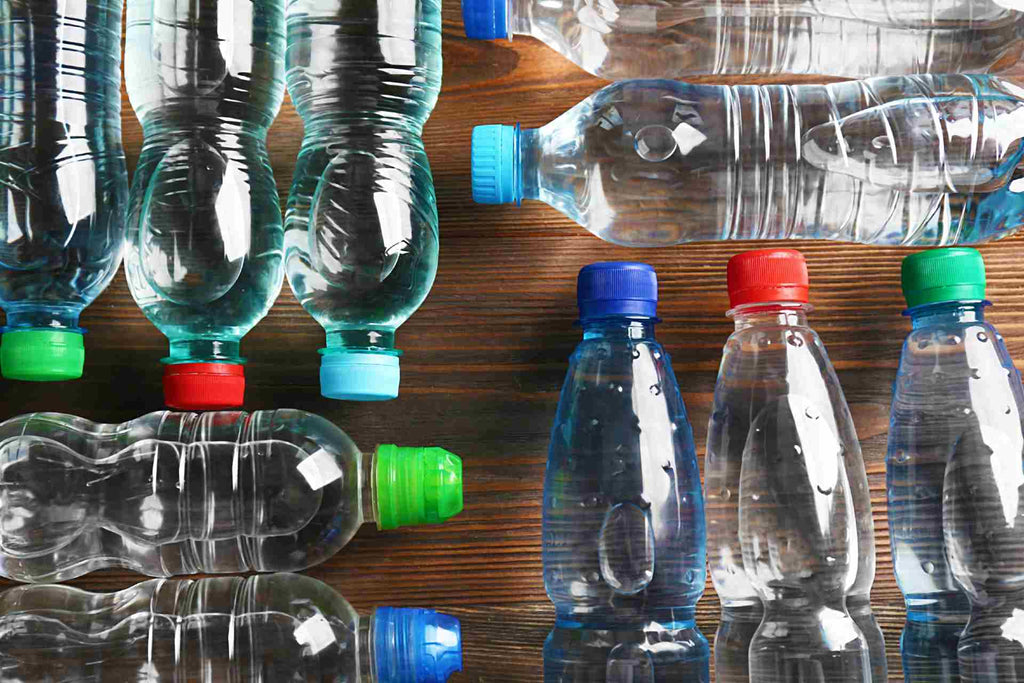
Look at the bottom of a plastic water bottle or food container, and you may see a number from 1 to 7 inside a triangle. These numbers are often called “recycling numbers,” but that description can be misleading. The numbers are actually Resin Identification Codes (RICs). They identify the general type of plastic resin used to make an item. They do not, by themselves, tell you whether the product is safe or unsafe, whether it contains BPA, whether it can be microwaved, or whether your local recycling program accepts it. Quick guide: #1 is PET, #2 HDPE, #3 PVC, #4...
Does Fluoride Have An Underlying Factor in Lowering Kid’s IQ? – A New Study Shows

Contamination and inadequate sanitation are common issues in water safety, and because of this, access to safe drinking water is vital to human health. Is the water you drink every day safe? How much water do you need to keep that body healthy? The human body is composed of 50-75% water, and it is much higher in kids, so it is more important for them to drink water regularly. Do you think water plays a potential role in developing your child’s IQ? Knowing the underlying factor of your kid’s cognitive level is crucial in IQ development. ...
Household Severe Weather and Natural Hazard Planning Guide
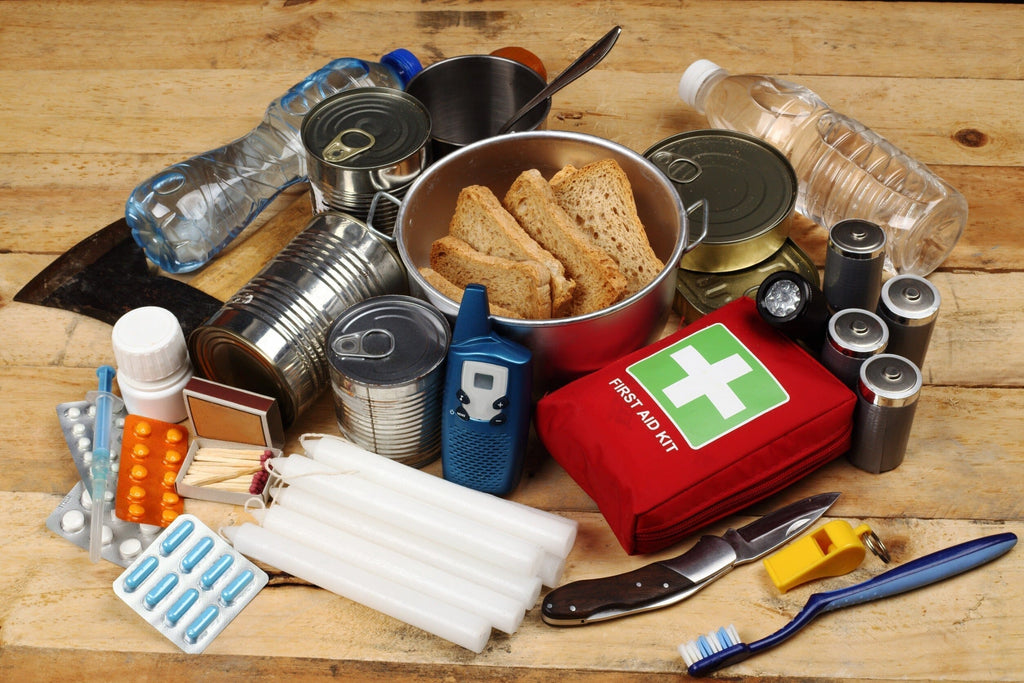
Household Severe Weather and Natural Hazard Planning Guide Severe weather and natural hazards can disrupt daily life, damage property, and create stressful situations for families. While no one can control when storms, floods, earthquakes, or wildfires happen, households can reduce risk by planning ahead, staying informed, and knowing what steps to take before, during, and after an event. This guide covers practical planning steps for common hazards, including hurricanes, floods, earthquakes, and wildfires. It focuses on household readiness, communication, property protection, and safe recovery. The Essentials of Household Planning Know Your Local Risks Different regions face different hazards. Coastal areas...
Global Warming and Climate Change: The Facts and Impacts
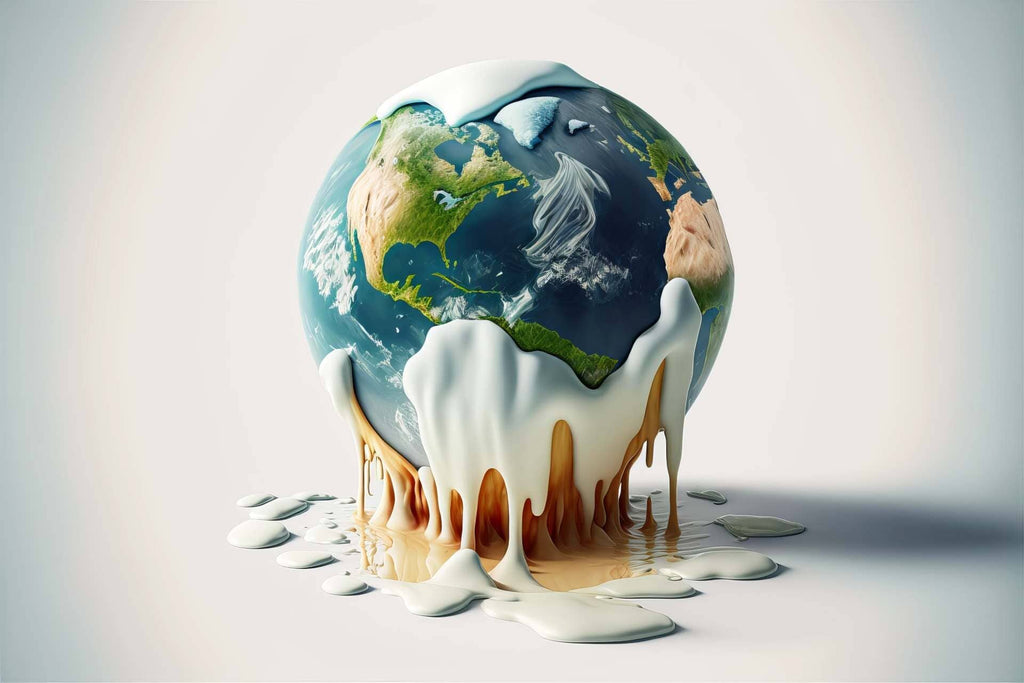
Global warming and climate change are closely related, but they are not exactly the same thing. Global warming refers to the long-term rise in Earth’s average surface temperature, while climate change encompasses the broader changes in temperature, rainfall, sea level, ice, ecosystems, and extreme weather patterns that occur as the climate system warms. Global Warming vs. Climate Change Global warming is the long-term increase in Earth’s average surface temperature observed since the pre-industrial period, driven primarily by human activities that increase the concentration of heat-trapping greenhouse gases in the atmosphere. Climate change is the broader term. It includes global warming...
10 Flavored Water Recipes: Easy Fruit-Infused Water Ideas

Plain water is simple and refreshing, but sometimes a little natural flavor makes it easier to reach for another glass. Fresh fruit, cucumber, citrus, berries, and herbs can add aroma and flavor to water without turning it into a sugary beverage. Homemade flavored water is also easy to customize. You can make it lightly flavored, fruity, herbal, tart, spicy, or tropical depending on what you have in the refrigerator. Quick answer: To make flavored water, add clean, washed fruit, vegetables, or herbs to drinking water and refrigerate while the flavors infuse. Most combinations taste good after about 30 minutes to...
Facts and Truth About Drinking Water Disinfection By-products
Drinking Water Disinfection Byproducts: What They Are and Why They Matter Disinfection is an important part of public drinking water treatment. It helps water utilities manage water quality as water travels from treatment plants through pipes to homes and businesses. However, disinfection can also create unintended compounds known as disinfection byproducts, or DBPs. These byproducts may form when disinfectants such as chlorine or chloramine react with naturally occurring organic or inorganic matter in source water. This guide explains what disinfection byproducts are, how they form, why they are monitored, and what households can do to better understand their local water...
How Much Water Should Kids Drink? Hydration by Age
Kids can get so busy they forget to drink water. School, sports, recess, games, homework, and time with friends can all distract them from thirst until they are already feeling tired or uncomfortable. Parents can help by making water easily accessible and by teaching children to recognize when they need more fluids. Quick answer: Children's water needs vary by age, body size, diet, activity, weather, and health. As a general guide, younger school-age children often need around 5 cups of total fluids per day, while older children and teens may need roughly 7–11 cups. Needs increase with exercise, hot weather,...
Water Wars: How Water Scarcity Can Fuel Conflict—and Cooperation
Global Water Security Guide “Water wars” is a dramatic phrase, but the reality is more complex. Water scarcity can intensify economic pressure, migration, local violence and political disputes—especially where governance is weak, or rivers and aquifers cross borders. Yet shared water has also created powerful incentives for cooperation. Understanding both sides is essential to understanding the world's growing water-security challenge. In This Guide What are “water wars”?Why water scarcity is growing Does scarcity cause wars?Where tensions emerge Groundwater depletionEconomic consequences Water and migrationWhy cooperation matters What can reduce the risk?What individuals can do Frequently asked questions What Are “Water Wars”?...
Does Dehydration Make You Fat? Find Out about Weight Gain and Dehydration

Does Dehydration Cause Weight Gain? What to Know About Hydration and Body Weight Dehydration does not directly “make you fat,” but it can influence habits and body functions that affect weight management. When you do not drink enough fluids, you may feel tired, mistake thirst for hunger, exercise less effectively, or retain temporary water weight. Hydration is also important for digestion, circulation, temperature control, physical performance, and overall wellness. This guide explains the relationship between dehydration and body weight, common signs of dehydration, and practical ways to stay hydrated throughout the day. What Is Dehydration? Dehydration occurs when the body...
The Dangers of Toxic Contaminated Water in America

Our Earth is mainly water, and sadly, most of our access to water is now contaminated. Earlier this year, many Americans gathered to protest and advocate for improvements to the water systems and access to grants for safe and drinkable water. Our water is contaminated with different toxic chemicals that are harmful to human health. The most prevalent toxic substances that create terror in our waters are PFC and PFOA. I guarantee everyone globally wants easy access to safe, drinkable water. Who would want to endanger their health or that of their loved ones?...
The Best Portable Water Filter for Any Outdoor Activity
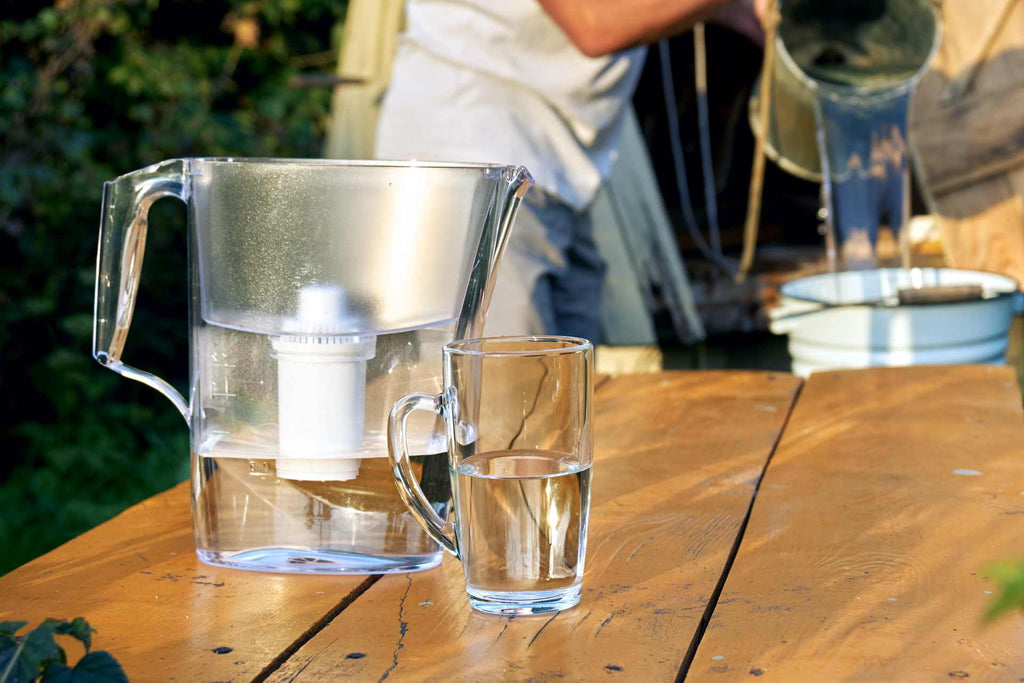
The Best Portable Water Filter for Outdoor Activities Outdoor activities are among the best ways to spend time with family and friends. Whether you are hiking, camping, fishing, biking, visiting the beach, or spending a long day outside, hydration should always be part of your plan. When you are away from home, carrying enough water can be inconvenient. Bottled water can be heavy, bulky, and wasteful. That is why many people look for a compact, portable filtration option they can bring along for outdoor use. For Berkey customers, the Go Berkey Kit is a lightweight and convenient option designed for...
Best Water Filters for PFAS, PFOA & PFOS: Treatment Guide
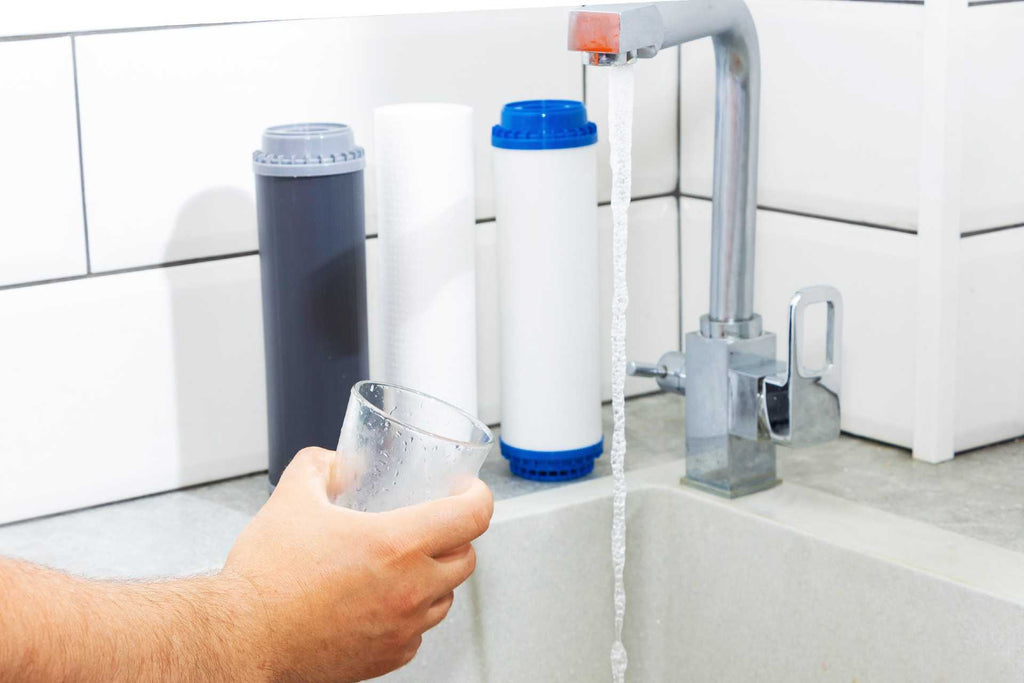
PFAS have become one of the most closely watched drinking-water concerns in the United States. These manufactured chemicals are often called “forever chemicals” because many are extremely persistent and break down very slowly in the environment. If PFAS are a concern in your drinking water, choosing a filter should begin with two questions: Which PFAS have actually been detected? Has the specific filter demonstrated reduction of those compounds? Quick answer: The principal home-treatment technologies used for PFAS are activated carbon, anion exchange, and reverse osmosis. All can work well in appropriate designs, but no generic filter type guarantees PFAS performance....
Water Contamination : What are the causes?
Water Contamination What is water contamination? Water contamination occurs when waste, chemicals, or other particles cause a waterway (e.g., rivers, seas, and lakes) to become distinctly harmful to the fish and creatures that need the water to survive. It can disturb and, conversely, affect nature's water cycle. Normal Causes of Water Pollution Sometimes, water contamination can happen through characteristic causes like volcanoes, green growth blossoms, animal waste, and residue from tempests and surges. Human Causes of Water Pollution A considerable amount of water contamination originates from human movement. Some human...
Bottled Water vs Tap Water: The Truth about Bottled Water
We tend to squander what we are abundant in. Water, comprising two-thirds of the planet and roughly 70 percent of our body, truly dominates us. We take water for granted as we get used to having the privilege of owning this resource. A spilled glass of water was nothing because you could take a refill. But for all we know, being thirsty and dehydrated makes us enervated - that’s the time when even drops of water will make us appreciate. Water is our instant cure - as it quenches, it purifies. Just like in our body, water does...
Chlorine Allergy or Sensitivity? Symptoms, Causes & What to Do

Chlorine is widely used to disinfect public drinking water and swimming pools. Some people notice dry or irritated skin, burning eyes, coughing, nasal symptoms, or worsening respiratory symptoms after exposure and describe the problem as a “chlorine allergy.” Quick answer: A true allergy to chlorine is not recognized in the same way as an allergy to pollen or a food. The American College of Allergy, Asthma & Immunology explains that people can instead be sensitive to chlorine or have an irritant reaction. Symptoms can involve the skin, eyes, nose, or respiratory tract. The right response depends on the source and...
Why Drinking Water Matters: Hydration Facts & Benefits
Water is essential to nearly every major function in the human body. It helps regulate temperature, transport nutrients, support digestion, maintain circulation, lubricate tissues, and remove metabolic waste. Yet staying hydrated does not require complicated rules, detox routines, or forcing yourself to drink enormous amounts of water. The practical goal is simple: drink enough fluid to replace what your body loses through breathing, perspiration, urine, bowel movements, exercise, and everyday activity. Your needs change with weather, physical activity, diet, illness, pregnancy, medications, and other individual factors. Here are some useful facts about drinking water, dehydration, exercise, cognition, weight management, digestion,...
The Importance of Iron in Our Body - Risk and Safety for Health
Iron is an essential nutrient needed by the body. It helps produce hemoglobin, an important red blood cell component and transports oxygen throughout the body. Iron helps ward off anemia and fatigue by increasing hemoglobin production, thus increasing blood count. Iron overload occurs when consumed in higher doses, which is more than the body’s therapeutic level. Medically known as Hemochromatosis, it causes weight loss, joint pain, and fatigue. The same signs and symptoms occur when the body's iron level is lower than the therapeutic level, commonly known as Iron Deficiency Anemia (IDA). When left untreated,...
The Journey of Water and Our Lives - How Water Cycle Affects Us
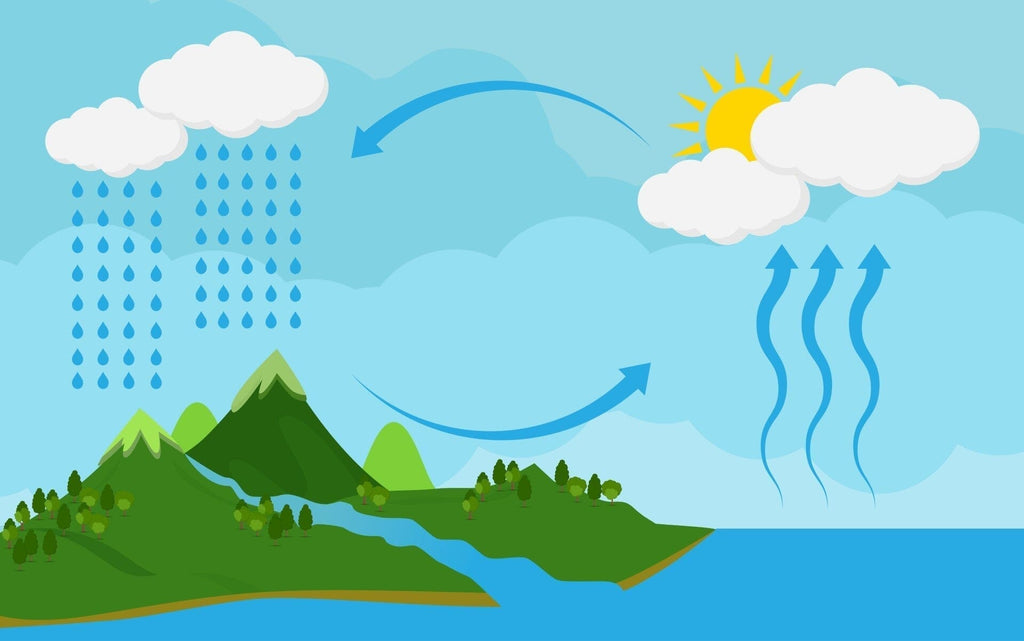
The Journey of Water and Our Lives: How the Water Cycle Affects Us Water is constantly moving. It rises from oceans, lakes, rivers, soil, and plants, forms clouds in the atmosphere, falls back to Earth as rain or snow, and eventually returns to rivers, groundwater, and the ocean. This continuous movement is known as the water cycle, or hydrologic cycle. The water cycle affects nearly every part of life on Earth. It provides freshwater, supports plant growth, shapes weather patterns, transports nutrients, replenishes groundwater, and helps regulate the climate. Understanding the water cycle can also help us appreciate why water...
Water Quality and Problems in Houston Texas

Humans naturally drink water every day. Because water has so many health benefits, we ensure we do not miss even one glass. However, the cleanliness of the water worldwide may differ from country to country or even between states. Despite the differences, one thing is certain: it is not clear that even a harmful substance will not exist. Everyone worldwide faces many water issues, but what are the specific issues? Let’s look into the water issues in Houston, Texas. Where Does The Water Come From Houston, Texas—The water quality in Houston, Texas, depends on the life cycle of raindrops....