Clean water is vital to everyday life, but for apartment residents, it can be hard to get.
Water filtration can be difficult in the limited space available, and outdated plumbing and landlord restrictions can limit the options.
However, finding the right filtration setup is a tricky business.
This guide simplifies the solution, allowing apartment tenants to find the best filtration solution for their space while maintaining a balance between ease of use, effectiveness, and design for small spaces.
Why Water Filtration Matters in Apartments
Apartment tenants have particular concerns about water filtration.
There are many reasons to need a rock-solid water filtration system in apartment living, including plumbing reliability and environmental concerns.
This section explores the health, environmental, and financial benefits of clean water, as well as common problems experienced by apartment residents.

Health Benefits
Filtering your tap water is a key step toward ensuring the well-being of your household:
-
Remove harmful contaminants: It effectively filters out toxins like lead, chlorine, bacteria, and pesticides, providing safe water for your family.
-
Improve overall health: Clean water is also less likely to cause gastrointestinal issues and other health problems, including those related to contaminated water.
-
Enhance taste and odor: It removes impurities that make water unpalatable or unpleasant-smelling.
Common Apartment Water Issues
Apartments often face specific water-related challenges that can impact health and daily life:
-
Aging infrastructure: Old pipes may introduce rust, sediment, and other metals harmful to human health into the water supply.
-
Municipal water challenges: The distribution process may result in water containing chlorine or other impurities even after heavy treatment.
-
Hard water problems: Certain faucets, for example, are known to develop scaling due to their high mineral content (calcium and magnesium), which can affect appliance efficiency.
Environmental and Financial Advantages
Using a filtration system provides significant benefits beyond just health improvements:
-
Reduce plastic waste: It's interesting to learn that avoiding bottled water can go a long way toward reducing plastic pollution.
-
Save money in the long term: Filtration systems are especially valuable compared to regularly buying bottled water. They can be quite inexpensive in the long run.
-
Eco-friendly solutions: Some systems use recyclable filters or generate minimal waste, aligning with sustainability goals.
Why Can Some Water Filters Not Be Used in Apartments?
Although water filters have many benefits, some types aren’t suitable for apartment use owing to installation, size, or other practical limitations.
Below are detailed reasons why certain filters may not work well in rental or compact living environments:
Permanent Modifications Required
-
Among other filtration systems, under-the-sink reverse osmosis units require drilling into the cabinet or plumbing, which landlords don't permit.
-
Direct plumbing integration makes these whole apartment systems impractical without landlord approval.
-
Reinforcing support for heavy units is often among the restricted structural modifications in a rental agreement.
Space Constraints
-
Most apartments lack the storage or installation space required for large filtration units (like whole-house systems or bulky distillation units).
-
There is limited space for countertop systems, gravity-fed filters, or under-sink units for compact kitchens or bathrooms.
-
In tight living rooms, having multi-stage filtration systems with additional tanks or reservoirs may not be possible.
Water Pressure and Flow Rate Issues
-
Reverse osmosis systems and related systems work based on water pressure. Apartments with low water pressure often experience reduced filtration efficiency or more frequent system malfunctions.
-
Certain filters significantly reduce water flow, making them inconvenient for daily use, especially in households with several people or high water demand.
Weight Considerations
-
Gravity-fed filters or large reservoirs may be too heavy for standard apartment countertops without proper reinforcement, causing possible damage.
-
For smaller apartments, these options with high water capacity might also become inconvenient, as they require frequent manual refilling in a portable form.
Utility Connections
-
Some systems, such as distillers or UV purifiers, must be plugged directly into water lines and electrical outlets. This setup may be challenging to support in apartments with limited or inconvenient utility connections. Accessing outlets or taps for installation becomes unnecessarily complicated in older structures with outdated infrastructure.
Noise Levels and Aesthetic Concerns
-
Pumps and fans in filtration units, including distillation and reverse osmosis systems, may produce noise that can be annoying in a shared or quiet apartment.
-
Large or industrial-style filtration systems may not suit the tastes of tenants who want to maintain a clean or modern space.
High Initial Costs and Maintenance Demands
-
These systems often have high upfront costs and require ongoing maintenance, including filter replacement or professional servicing. Therefore, they may not be a good fit for those renting the property for short periods.
-
Because tenants cannot take the system with them when they move, they may be reluctant to invest much money.
Understanding these limitations will help apartment dwellers make choices on water filtration.
Faucet-mounted filters, pitcher filters, and compact countertop units are familiar, transportable, and easy to set up on the fly, as you might when renting a property in a city where you have no intention of staying. Yet they typically still offer clean water.
Types of Water Filtration Systems for Apartments
There are so many choices for choosing the right water filtration system.
In this section, we will break down the most common types of systems suited to apartment living, highlighting their benefits, drawbacks, and what makes them ideal for someone with a specific set of needs.

Pitcher Filters
Pitcher filters are among the most basic and least expensive filtration systems on the market. They are compact and transportable, making them suitable for tenants or people with limited space.
Best for: Standalone and less expensive for single people or small households, including students.
Pros:
- There is a simple design that requires no installation and slides perfectly into a refrigerator.
- Currently available in several sizes to meet different requirements.
Cons:
- Small capacity; may need to be refilled quite often.
- It is relatively slow compared to other filtration systems because it expels water as effluent.
Faucet-Mounted Filters
The faucet-mounted filters hook to your faucet and provide filtered water immediately. They are ideal for people who require easy installation and a direct gateway without having to acquire complex ones.
Best for: Availability of filtered water right from the tap.
Key Features:
- Small size to fit the small kitchen space most of the time.
- Easy, tool-free installation.
- Tank models are equipped with dual-use modes that work with both filtered and unfiltered water.
Countertop Filters
Countertop filters offer a capacity and practicality not found in other filters. These countertop products are attached to your faucet and handle large volumes of water filtration.
Best for: Heavy-duty filtering without permanent installation.
Advantages:
- Easy to install, with a simple connection to the faucet, usually without needing any extra tools.
- Water filters hold more water than pitchers, so they can prevent people from using pitchers.
Drawbacks:
- May take up counter space.
- It has to be designed to work perfectly with your faucet.
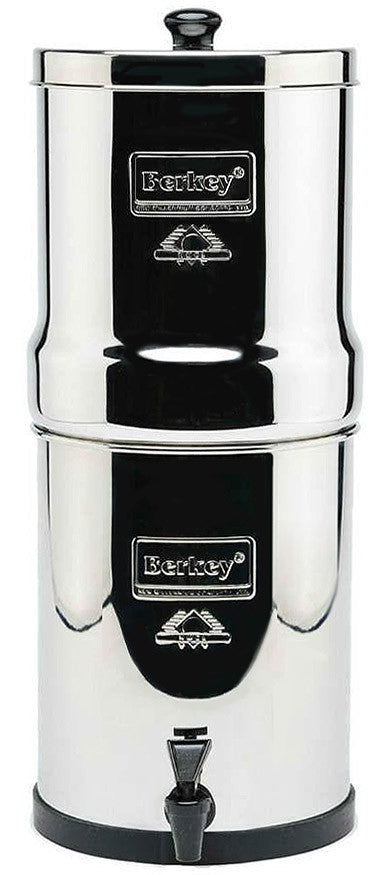
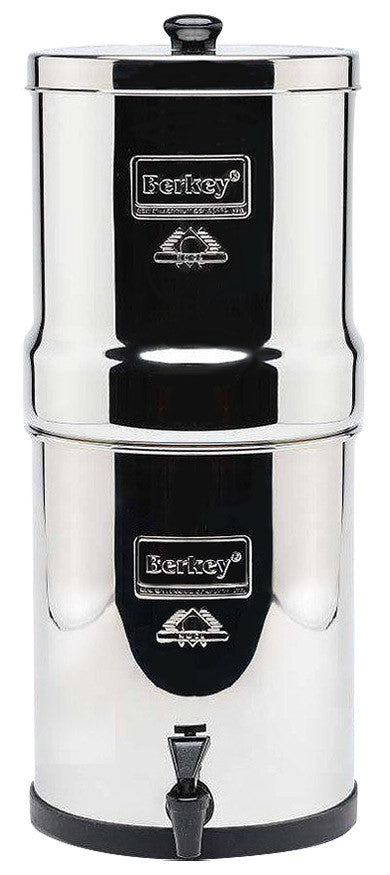
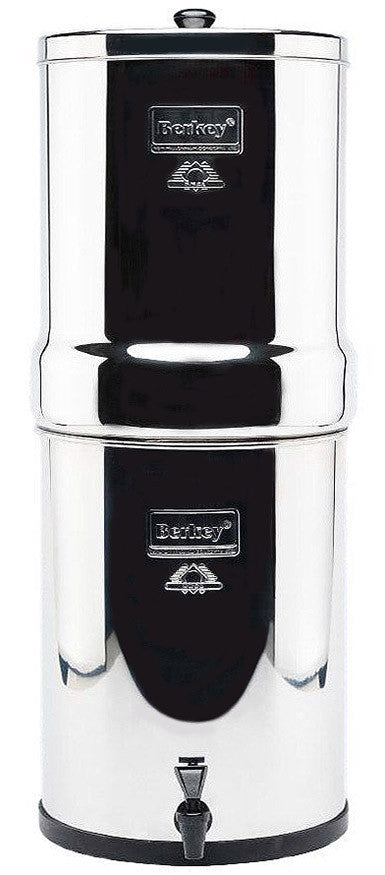
- Recommendation: Berkey systems are portable, highly effective, and suitable for anyone living in a flat.
Under-Sink Filters
Under-sink filtration systems are ideal in scenarios where the equipment must be hidden or the filtration levels are high. These systems provide excellent overall purification but require more installation.
Best for: Superior technology and a high concealment filter system.
Benefits:
- It can filter all the water from the sinks, completely purifying it.
- This way of setup hides the counter and saves counter space.
Challenges:
- Installation involves plumbing modifications that might be impossible on rental premises. One has no right to make structural changes without the landlord’s permission.
Shower Filters
The use of shower filters addresses a problem many people do not consider – the quality of shower water. These filters help remove chlorine and hard water impacts on skin and hair.
Best for: Two issues from the current study are handling hard water and chlorine in the bathing water.
Importance:
- It soothes the skin by combating irritation and dryness, including chlorine-induced dryness.
- It helps make hair more manageable and enhances the bathing experience.
Refrigerator Water Filters
Some of the newest fridge models have built-in water filters and deliver fresh, chilled water.
Best for: People with homes with fridges and other appliances with filtration systems installed.
Pros:
- Essentially, this technology is space-saving and built into other appliances.
- Commonly, offering cold purified water may sometimes include ice.
- Accessing filtered water and reducing the effort to make it is very simple.
- Usually, it enhances the quality, taste, and smell of water, especially drinking water.
Cons:
- Restricted to some built-in refrigerator models only, as a result, there is little versatility.
- Compared to others, replacement filters can be expensive and need to be replaced now and then.
- It is not as efficient as many other systems at combating a range of contaminants.
Gravity-Fed Water Filters
Gravity-fed water filters operate on the principle of gravity and are portable.
Best for: Users who want a flexible storage unit accessible for short-, medium-, or long-term use without fixed installation.
Pros:
- Often, no installation is needed; it can be done virtually anywhere.
- Multichamber filtration is appropriate for families or groups.
- Protect against multiple contaminants, including bacteria, heavy metals, and chlorine.
- Long-lasting filters provide a longer service life before replacement of the systems and/or parts.
- It is environmentally friendly, and many products are made of recycled parts.
Cons:
- A slow filtration rate may be insufficient to meet certain needs at a given time.
- To get a fresh cube sachet, some clients may find it uncomfortable to manually refill.
- It has a larger design than most filtration mechanisms, such as pitcher systems.
Water Distillers
Water distillers heat water until it evaporates, collect the vapor, and condense it back into water, leaving the impurities behind.
This product is best for Users who require water free from contaminants in their final output, such as water with extremely high contamination levels.
Pros:
- Reduces almost all included bacteria, viruses, organics, heavy metals, dissolved solids, etc.
- Equally effective purification at any source water quality.
- They require low maintenance, and very few parts are replaced frequently during their service life.
- High durability of the distillation unit.
Cons:
- It is very energy-consuming and may lead to high electricity consumption costs.
- Takes a long time – often 3-4 hours per one gallon of water.
- All minerals in the water may be removed; thus, it has no taste.
- It is unsuitable for houses with many people or for those that use many gallons of water per day.
Key Factors to Consider When Choosing a System
The following factors will help you select the best water filtration system for your apartment.
This section provides factors a visionary should consider when selecting water: water quality, water requirements budget, and lifestyle.

► Water Quality
The first step in finding the right filtration system for safe drinking water is knowing what's in your water. Various filtration methods are necessary for different contaminants.
-
Testing methods: You can use home testing kits to detect excess lead, chlorine, or hard water minerals in your water. For more details, you can hire professional water testing services and receive a report on the condition of your water.
-
Custom solutions: Once you know what’s in your water, choose a water filter system that removes the specific contaminant or contaminants you need to remove, such as chlorine with activated carbon or heavy metals with reverse osmosis.
► Space and Setup Requirements
Living in an apartment can leave you with little to no space, and chances are, the apartment doesn't allow permanent installations, so you need to consider this.
-
Measure your space: Check that the system will comfortably fit in the countertop, faucet, or other under-sink areas.
-
Consider portability: If you rent or frequently move, choose tool-free systems that can be installed and taken down with little or no professional help.
-
Landlord restrictions: If your rental agreement doesn’t allow plumbing modifications, go for non-invasive options like faucet-mounted or countertop filters.
► Budget
Filtration systems vary widely in cost, and evaluating the combination of upfront cost and long-term benefits is important.
-
Initial investment vs. long-term costs: Though they typically cost a bit more up front, more advanced systems might save money in the long run by discouraging bottled water purchases.
-
Filter replacements: Investigate the cost and frequency of filter changes. In the long term, long-life filters on some systems could be more economical.
-
Energy efficiency: Check energy consumption to ensure there won't be major additional utility bills for systems such as reverse osmosis.
► Lifestyle Needs
The amount of water you use in your daily routines and habits also determines the system you select.
-
Household size: Some faucet-mount or under-sink models that can handle larger families can be fixed at the sink or under the kitchen counter.
-
Ease of use: People with more time might prefer systems that require little supervision. If their filters need replacing, they can be done quickly.
-
Special considerations: Filtered shower systems might be a plus if you or your family have health concerns or skin problems.
► Environmental Impact
When selecting appropriate filtration systems, consider their cost-effectiveness and sustainability.
-
Eco-conscious choices: Seek out filtration systems with filters that can be recycled or with low-waste designs.
-
Sustainable brands: Part of being an eco-conscious brand means supporting companies that dedicate themselves to making their operations environmentally friendly through eco-friendly manufacturing practices.
-
Waste reduction: Switching from bottled water to a filtration system will significantly reduce single-use plastic waste.
Tips for Maintaining Your Water Filtration System
Another aspect of the filtration system you must maintain is to ensure that your water purification system is well-maintained and functioning properly.
You don’t want to end up replacing it after a short period.
This section describes concepts that will help you properly care for the system, as outlined in the following tips.
🗸 Regular Filter Replacement
Filters are the heart of any well water treatment or filtration system, and timely replacements are crucial for optimal function:
-
Follow guidelines: To sustain replacement filters as efficiently as possible and potentially reduce water quality issues, change filters according to the manufacturer's schedule.
-
Recognize warning signs: Reduced water flow and unusual tastes or odors are other signs that a filter should be replaced.
-
Stock spares: Replace and keep replacement filters on hand. This will ensure you don’t suffer a delay when a change is needed.
🗸 Cleaning and Maintenance
Regular cleaning ensures your system operates smoothly and avoids unnecessary wear:
To minimize buildup, the filter housing and other accessories must be cleaned to remove sediment, mold, and debris that accumulate in the unit.
-
Easy maintenance: Non-filter parts should be washed with mild soap and warm water. Do not use harsh chemicals that could destroy the system.
-
Check connections: Regular checks of connections and seals are required to detect leaks or loose parts.
🗸 Monitor Water Quality
Keeping tabs on your water quality ensures your system continues to meet your needs:
-
Periodic testing: Purchasing a cleaning solution at home and testing the system and the water for contaminants is advisable.
-
Track trends: They need to manage changes in water quality over time to help identify problems as soon as possible.
-
Calibrate as needed: In more elaborate systems, ensure all settings are correctly configured.
This is why it is important to maintain your water filtration system properly. This will ensure that it serves you or your family for many years.
How to Determine the Best Filtration System for Your Water Quality Issues
It is, however, important to know the existing water issues before choosing the right filtration system.
Knowing the contaminants in your water allows you to precisely link them to the solutions offered, addressing your specific concerns.

Steps to Identify Water Quality Issues
-
Test your water: Use the water sample to test for chlorine, lead, and nitrates with an at-home water test kit. A water testing service can be hired to provide better results for other impurities, such as arsenic or bacterial presence.
-
Consult your local water report. Municipal water suppliers usually publish this report annually. It presents comprehensive information on the nature of contaminants in your area.
-
Consider secondary factors: Expand the concept of water to include issues such as water hardness affecting appliances and the presence of chlorine in bathing water.
-
Prioritize contaminants: When testing your water, your goal should be to select a filter that eliminates the major complaints, such as heavy metals, sediment, or foul odors.
Matching Systems to Water Issues
-
Chlorine and taste/odor: A faucet-mounted or pitcher carbon filter is perfect for removing chlorine and improving the water’s taste and odor.
-
Lead and heavy metals: Reverse osmosis systems or under-the-sink advanced filters are the best choices for removing lead, arsenic, and other heavy metals.
-
Sediment and rust: Water sediment pre-filters, or countertop filtration systems that incorporate a sediment filter, are most effective for particulate matter.
-
Hard water: Water softeners and less expensive shower heads specifically designed for mineral removal can solve problems and save money on appliances, hair, or skincare, and maintenance.
-
Bacteria and viruses: UV purification systems work well as add-ons to reverse osmosis systems for people wary of microbial contamination.
Hence, by following the above procedures and matching your needs with the available products, you will be able to select the right filtration system to provide safe water for all household operations.
Conclusion

Clean water is good for our health, and we should not take away this aspect of our lives when living in an apartment.
Knowing your water quality, the space available to install a filtration system, and your lifestyle habits can help.
First, check the current water quality. If it is not excellent, consider a cheap, efficient pitcher filter or a Berkey system.
With the right system, you can no longer worry about clean, safe water for your home!
← Older Post Newer Post →