
Most of us use tap water without thinking much about the system behind it. We fill a glass, make coffee, cook dinner, wash produce, and go on with the day. That quiet reliability is one of the great conveniences of modern life.
At the same time, many communities across the United States are paying closer attention to the pipes, pumps, treatment facilities, and plumbing that move water from source to home. Water systems are large, complex, and expensive to maintain. In some places, parts of that system are decades old.
This does not mean families need to panic. It does mean that household water awareness is becoming more important. Understanding local water reports, knowing the age of your home’s plumbing, and choosing practical water habits can help you make informed decisions for your family.
This guide explains why aging water infrastructure matters, what kinds of issues households may hear about, and how to build a simple, realistic plan for everyday drinking water confidence.
Why Water Infrastructure Deserves More Attention
Tap water reaches the home through a long chain of systems. Source water must be collected, treated, stored, pumped, and delivered through miles of pipes. After that, it still travels through the service line and plumbing connected to each building.
When every part of the system is working well, the process feels invisible. When a pipe breaks, pressure drops, equipment fails, or local construction disrupts service, households may suddenly notice how much they depend on that hidden network.
Water infrastructure is not only a city issue. It affects suburbs, older neighborhoods, rural communities, apartment buildings, schools, and individual homes. A community may have a well-managed utility and still have older pipes in certain areas. A home may receive treated municipal water but still have aging plumbing inside the property.
The Hidden Age of U.S. Water Systems
Many water systems in the United States were built in stages over many decades. Some communities still rely on older pipes, valves, mains, and service lines that were installed long before today’s population levels, traffic patterns, and maintenance demands.
Older infrastructure does not always fail at once. More often, it becomes increasingly difficult and expensive to maintain. Pipes may corrode. Valves may wear down. Leaks may appear underground. Repairs may be delayed because replacing buried water mains requires major planning, roadwork, and public funding.
Deferred Maintenance Can Add Pressure
When repairs are delayed for many years, small problems can become larger system challenges. Common infrastructure concerns include:
- Water main breaks
- Leaks in older pipe networks
- Temporary pressure changes
- Localized service interruptions
- Older service lines connected to individual homes
- Higher repair costs for municipalities
These issues do not mean every household has poor water quality. They do mean that water reliability depends on long-term investment, maintenance, and monitoring.

Why Tap Water Interruptions Feel More Common
Households may hear more often about boil water notices, water main breaks, local repair work, pressure changes, and short-term service interruptions. Several factors can make these events more visible and more disruptive.
1. Older Pipes Are Reaching Their Limits
Water mains and service lines are designed to last a long time, but not forever. As pipe materials age, they may become more prone to leaking, cracking, or requiring replacement.
2. Population Growth Increases Demand
Many communities are serving more homes and businesses than their original systems were designed to support. More people mean more water use, more pressure on pumps, and more stress on distribution networks.
3. Construction and Roadwork Can Disturb Old Systems
Underground water lines often run near roads, sidewalks, and utility corridors. Construction, vibration, excavation, and nearby repairs can affect older pipes, especially in dense urban areas.
4. Weather Extremes Add Strain
Heavy rain, drought, freezing temperatures, and rapid temperature changes can all affect water systems. Weather can influence source water, soil movement, pipe stress, and repair conditions.
5. Public Awareness Is Higher
Local alerts, news coverage, utility websites, and social media make water system issues more visible than they were in the past. People are more likely to hear about advisories and repairs quickly.
Lead Service Lines and Older Plumbing Materials
One of the biggest household-level concerns is older plumbing. Even when water is treated by a public utility, it may pass through service lines or household plumbing before reaching the faucet.
Some older homes and neighborhoods may still have lead service lines, lead solder, galvanized pipes, or other aging plumbing materials. These materials can create concerns under certain water chemistry or corrosion conditions.
For households in older properties, it is worth learning what materials are used in the home’s plumbing and whether the local utility has information about service line materials. Many utilities now provide lead service line inventories or replacement information.
Practical Steps for Older Homes
- Check your local utility’s annual water quality report.
- Ask whether your property may have an older service line.
- Consider professional water testing if you live in an older home.
- Use filters certified for the specific concern you want to reduce.
- Follow the manufacturer's instructions for filter replacement and maintenance.
Chemicals, Runoff, and Local Water Concerns
Water quality can also be affected by local land use and environmental conditions. Industrial activity, agricultural runoff, older infrastructure, and regional water sources can all influence what households may want to monitor.
Common topics that appear in local water discussions include:
- Lead from older plumbing materials
- Chlorine or chloramine taste and odor
- Disinfection byproducts
- PFAS and other emerging contaminants
- Nitrates in agricultural regions
- Hardness, minerals, sediment, or discoloration
The right response depends on the specific issue. A filter that helps with taste and odor may not be the right choice for a different concern. This is why testing, local reports, and product certifications matter.
Understanding Boil Water Notices

A boil water notice is usually issued by a local authority when there is uncertainty about water quality due to a specific event. This may happen after a water main break, pressure loss, flooding, or equipment issue.
These notices are not all the same. Some are precautionary. Some are based on test results or known system events. The most important step is to follow the instructions from your local water utility or public health department.
What Households Should Do During a Notice
- Read the official notice carefully.
- Follow the instructions for drinking, cooking, brushing teeth, and making ice.
- Use bottled water when advised or when you are unsure.
- Keep clean containers available for short-term household use.
- Wait for the official all-clear before returning to normal use.
Boil water notices are useful because they tell households when to take temporary precautions. They are also a reminder that the distribution system matters just as much as the treatment plant.
Why the Tap Is Not Always the Final Checkpoint
Water quality is shaped by more than the public system. A home’s plumbing, water heater, fixtures, filters, and maintenance habits can all affect what comes from the tap.
Household Conditions That Can Affect Tap Water
- Older pipes or fixtures
- Corrosion inside plumbing
- Long periods of low water use
- Water heater maintenance issues
- Cross-connections with hoses or appliances
- Expired or poorly maintained filters
If water suddenly changes in color, smell, taste, or clarity, it is wise to pause and investigate. The cause may be harmless, but testing or contacting your utility can help you avoid guessing.
Signs Your Household Should Pay Closer Attention
Consider reviewing your water setup if you notice any of the following:
- Frequent local water advisories
- Discolored or cloudy water
- Metallic, chemical, earthy, or unusual taste
- Unusual odor from the tap
- Staining on sinks, tubs, or laundry
- Older home plumbing or unknown service line material
- Recent nearby construction or water main work
These signs do not automatically mean your water is unsafe. They are prompts to gather more information.
How to Stay Informed About Local Water Quality
Households do not need to become water engineers. A few simple habits can make a big difference.
Read Your Consumer Confidence Report
Most municipal water customers receive or can access an annual water quality report. This report can show detected substances, compliance information, and details about the water source.
Check Utility Alerts
Many utilities post service updates, repair notices, water main break alerts, and advisory information online. Signing up for local alerts can help you receive information quickly.
Test When Appropriate
Testing may be helpful if you live in an older home, have private plumbing concerns, notice changes in water quality, or want more confidence about a specific issue.
Keep Records
Save test results, filter replacement dates, plumbing updates, and utility notices. Over time, these records help you understand patterns and make better decisions.
Choosing a Household Water Filter
Water filtration should be matched to your actual concern. There is no single filter that is the perfect answer for every home, every water source, and every possible issue.
Common filter categories include:
- Pitcher filters: Simple and affordable for everyday taste and odor improvement.
- Faucet-mounted filters: Convenient for kitchen use and small households.
- Under-sink systems: Useful for dedicated drinking and cooking water.
- Countertop gravity systems: Useful for households that want a non-electric countertop option.
- Whole-house systems: Designed for broader household use at the point where water enters the home.
- Reverse osmosis systems: Often selected for specific dissolved substances, depending on the system and certification.
Before purchasing, look for product information, independent testing, and certifications that match the concern you are trying to address. Also consider replacement cost, maintenance schedule, water volume, and available space.
Where Berkey Fits Into Household Water Planning
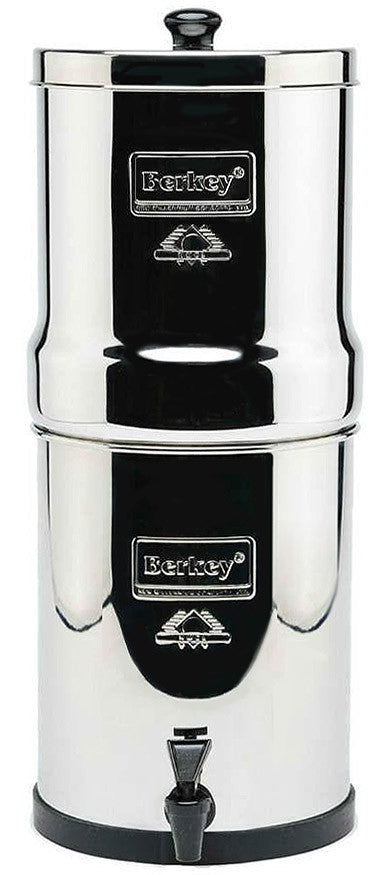
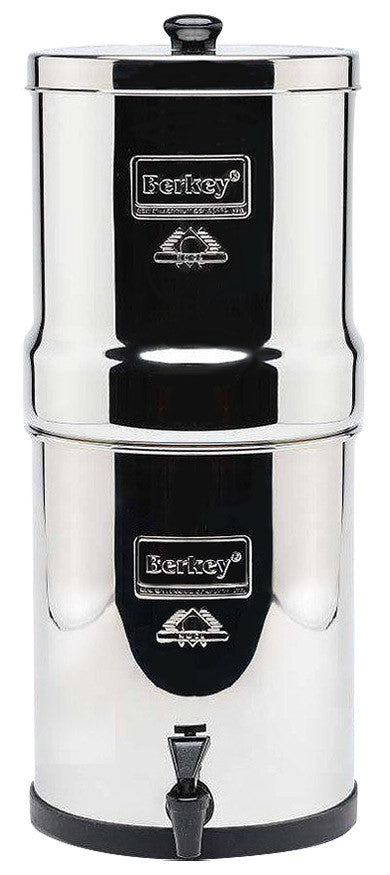
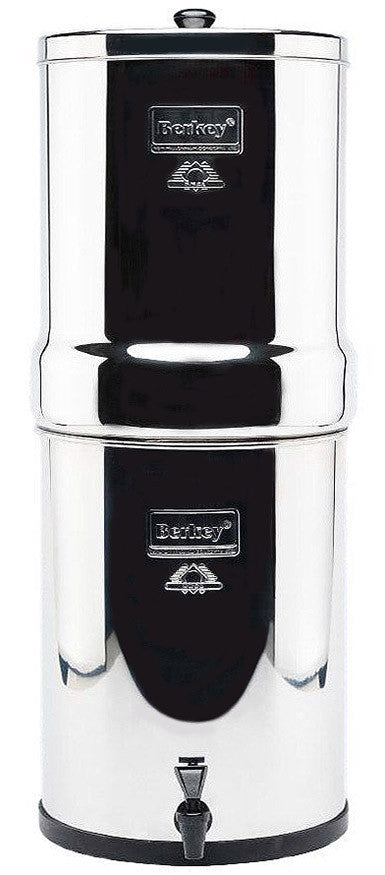
Many households like countertop gravity-fed systems because they do not require electricity or plumbing installation. Berkey systems are often chosen by customers seeking a simple, countertop option for everyday drinking water needs.
When choosing a filtration system, review the manufacturer’s product details, test results, and maintenance instructions. Matching the system to your household’s water source, water quality goals, and daily usage is the most practical approach.
Building a Practical Household Water Plan
Aging infrastructure is a community-level issue, but households can still take practical steps. A good household water plan does not need to be dramatic. It should be simple, organized, and realistic.
Step 1: Know Your Source
Find out whether your home uses municipal water, a private well, or another water source. For city water, start with your utility report. For private wells, regular testing is especially important.
Step 2: Understand Your Home
Learn the age of your property, the type of plumbing materials used, and whether service line replacement information is available.
Step 3: Keep Some Water on Hand
Maintaining a modest supply of stored water can be useful for short-term service interruptions, repairs, or local notices. Store water in clean containers and rotate it on a schedule.
Step 4: Choose Filtration Thoughtfully
Select a filter based on your actual needs, not fear. Review test results, local water reports, certifications, and maintenance requirements.
Step 5: Review the Plan Regularly
Check stored water, replace filters on schedule, review local reports, and update your plan when your household changes.
What Communities and Governments Are Doing
Across the country, many communities are replacing older pipes, updating treatment facilities, identifying lead service lines, improving monitoring systems, and applying for state or federal funding.
These improvements take time. Water infrastructure is expensive, buried underground, and often difficult to replace without disrupting roads, homes, and businesses. Some communities move faster than others, depending on funding, staffing, local priorities, and system age.
Households should not see personal water planning as a replacement for public investment. Both matter. Communities need long-term infrastructure improvements, and families benefit from being informed about the systems they rely on every day.

Final Thoughts
Aging water infrastructure is not a reason to panic. It is a reason to pay attention. Tap water reliability depends on public systems, local maintenance, household plumbing, and the choices families make at home.
By reading local water reports, learning about your home’s plumbing, storing a reasonable amount of water, and choosing filtration thoughtfully, you can build a practical plan that supports your household’s everyday water needs.
Clean drinking water remains essential. The more you understand the system behind it, the better prepared you are to make calm, informed decisions for your home.
← Older Post Newer Post →