
Does Boiling Water Purify It? How Long to Boil Tap Water
Boiling water is one of the simplest ways to treat water during a boil water advisory or emergency. It can help address many biological concerns, including viruses, bacteria, and parasites. However, boiling does not make water “pure,” and it does not remove many chemical contaminants.
So, does boiling water purify it? The better answer is: boiling disinfects water, but it does not fully purify it.
This guide explains what boiling does, what it does not do, how long to boil tap water, and when you may need a water filter or another treatment method.
How Long Should You Boil Water?
If you are under a boil water advisory, follow local instructions first. General CDC guidance is:
- Bring clear water to a full rolling boil.
- Boil for at least 1 minute.
- At elevations above 6,500 feet, bring to a boil and boil for 3 minutes.
- Let the water cool naturally.
- Store the cooled water in clean, sanitized containers with tight lids.
If the water is cloudy, filter it through a clean cloth, paper towel, or coffee filter first. You can also let the water settle, then carefully pour off the clearer water before boiling.
What Does Boiling Water Do?
Boiling uses heat to disinfect water. When water reaches a full rolling boil and stays there long enough, the heat can inactivate many organisms that may cause illness.
Boiling is often recommended during boil water advisories because it is simple, inexpensive, and requires no special equipment beyond a heat source and a clean pot.
What Boiling Water Does Not Remove
Boiling does not remove everything. This is where many people misunderstand the word “purify.”
Boiling does not remove many types of:
- Lead
- Mercury
- Arsenic
- Nitrates
- Pesticides
- Fuel or petroleum contamination
- Industrial chemicals
- Salt
- Many dissolved solids
- Microplastics
In some cases, boiling can concentrate certain dissolved contaminants because some water evaporates while those substances remain behind.
If your water may be contaminated by chemicals, fuel, floodwater, pesticides, sewage, or industrial runoff, do not rely on boiling alone. Use bottled water or follow instructions from your local health department or water utility.
Boiling Water vs. Filtering Water
Boiling and filtering are not the same. They solve different problems.
| Method | Best For | Limitations |
| Boiling | Emergency disinfection during boil water advisories | Does not remove many chemicals, metals, salt, or dissolved solids |
| Carbon filtration | Taste, odor, chlorine, and certain contaminants, depending on the filter | Not all filters reduce the same substances |
| Reverse osmosis | Certain dissolved substances, depending on the system | Requires installation, maintenance, and water pressure |
| Distillation | Reducing many dissolved minerals and solids | Slow, energy-intensive, and may require additional controls for some volatile chemicals |
When Should You Boil Tap Water?
You should boil tap water when your local water utility or health department issues a boil water advisory. These advisories may happen after:
- Water main breaks
- Loss of water pressure
- Flooding
- Storm damage
- Treatment plant problems
- Possible contamination in the water system
During a boil water advisory, use boiled or bottled water for drinking, cooking, making ice, brushing teeth, washing produce, and preparing baby formula unless local officials give different instructions.
Can You Use Filtered Water During a Boil Water Advisory?
During a boil water advisory, you should still boil tap water even if it has passed through a home filter, refrigerator filter, pitcher filter, or other household filter, unless local officials specifically say otherwise.
Most household filters are not designed to replace emergency boiling instructions from local authorities.
How to Boil Cloudy Water
If your tap water looks cloudy, dirty, or contains visible particles, take an extra step before boiling.
- Pour the water through a clean cloth, paper towel, or coffee filter.
- If needed, let the water sit until particles settle at the bottom.
- Carefully pour the clearer water into a clean pot.
- Bring it to a full rolling boil.
- Boil for 1 minute, or 3 minutes above 6,500 feet.
- Let it cool.
- Store it in clean containers with tight lids.
Can Boiling Remove Chlorine?
Boiling may reduce some chlorine taste or odor, but it is not the best method for full water treatment. If your main concern is taste and odor from treated municipal water, a drinking water filter designed for that purpose may be more convenient for everyday use.
Can Boiling Remove Lead?
No. Boiling does not remove lead. In fact, boiling water with lead can concentrate the lead as the water evaporates.
If you suspect lead in your water, use cold water for drinking and cooking, follow local health guidance, and use a filter certified or tested for lead reduction when appropriate.
Can Boiling Remove Pesticides or Chemicals?
No. Boiling is not a reliable way to remove pesticides, fuel, industrial chemicals, or many other chemical contaminants.
If chemical contamination is suspected, use bottled water or another approved source. Do not assume boiling will make the water suitable for drinking.
Can Boiled Water Taste Flat?
Yes. Boiled water can taste flat because boiling drives out dissolved air. After the water cools, you can improve the taste by pouring it back and forth between two clean containers.
What About Water Chlorination?
In emergencies, unscented household bleach may sometimes be used to disinfect water when boiling is not possible. Only use plain bleach with the correct sodium hypochlorite concentration and no added scents, cleaners, or splashless ingredients.
Bleach disinfection must be done carefully. Always follow current guidance from the EPA, CDC, or your local health department for dosage and wait times. Chemical disinfection does not make water safe if the water contains harmful chemicals or radioactive materials.
Should You Use a Water Filter After Boiling?
For everyday drinking water, boiling is usually not convenient. A water filter may be a better long-term option for improving taste, odor, and certain water quality concerns, depending on the filter.
For emergency use, follow the order recommended by local officials. If a boil water advisory is active, boil the water even if you use a home filter unless local guidance says otherwise.
Berkey Water Filters and Everyday Drinking Water
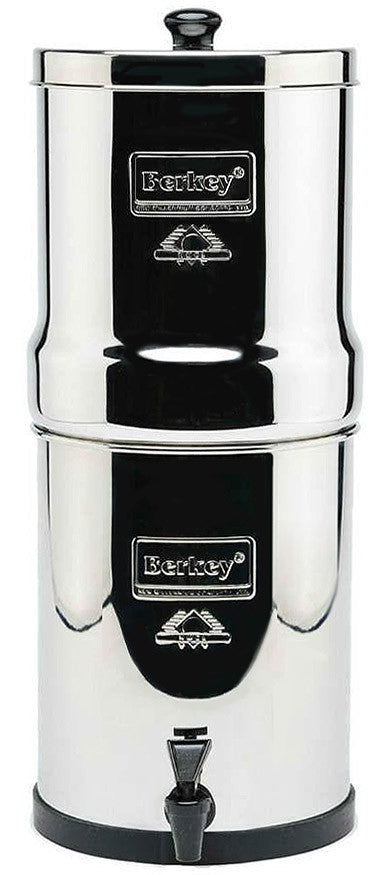
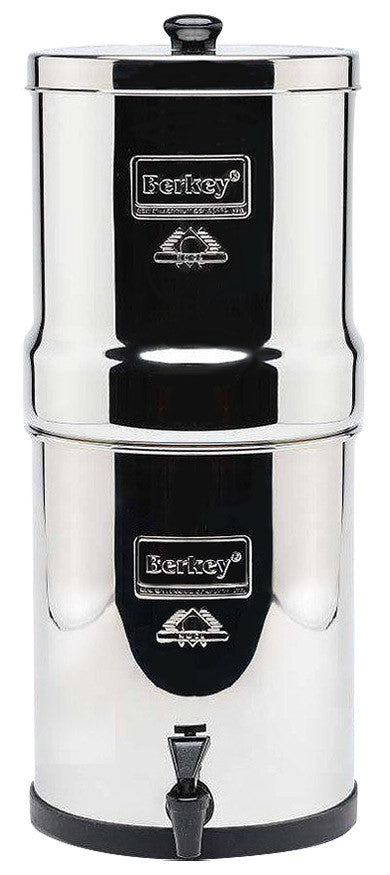
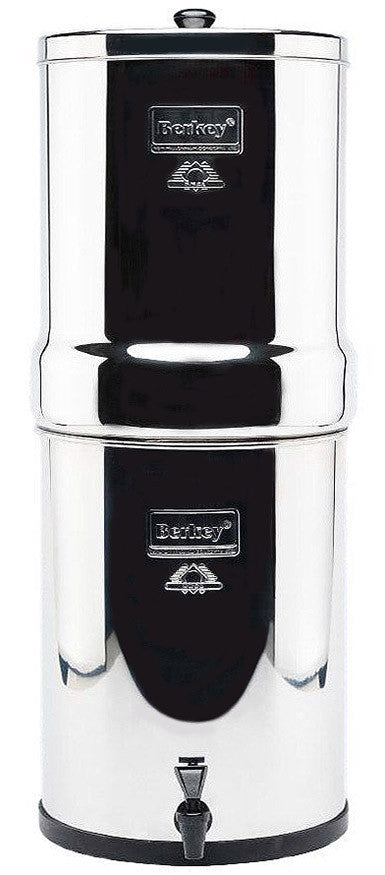
Berkey water filter systems are gravity-fed countertop filters. They do not require electricity or plumbing, making them convenient for everyday drinking water filtration and backup planning.
A Berkey system may be a practical choice for households that want a countertop water filter for daily use. However, during an official boil water advisory or suspected contamination event, always follow local health department instructions first.
View the Big Berkey Water Filter

Final Answer: Does Boiling Water Purify It?
Boiling water disinfects it, but it does not fully purify it. It is a strong emergency step for biological concerns during a boil water advisory, but it does not remove many chemicals, heavy metals, pesticides, salt, or dissolved solids.
For tap water during a boil water advisory, bring clear water to a full rolling boil for 1 minute. If you are above 6,500 feet, boil it for 3 minutes. Let it cool and store it in clean, covered containers.
For everyday drinking water quality, consider testing your water and choosing a treatment or filtration system that matches your specific water concerns.
← Older Post Newer Post →