Does Dehydration Cause Weight Gain? What to Know About Hydration and Body Weight

Dehydration does not directly “make you fat,” but it can influence habits and body functions that affect weight management. When you do not drink enough fluids, you may feel tired, mistake thirst for hunger, exercise less effectively, or retain temporary water weight.
Hydration is also important for digestion, circulation, temperature control, physical performance, and overall wellness. This guide explains the relationship between dehydration and body weight, common signs of dehydration, and practical ways to stay hydrated throughout the day.
What Is Dehydration?
Dehydration occurs when the body loses more fluid than it takes in. This can happen gradually during a busy day or more quickly during hot weather, intense exercise, fever, vomiting, or diarrhea.
The human body depends on water for many basic functions, including:
- Regulating body temperature
- Supporting digestion
- Moving nutrients through the body
- Helping joints and tissues function properly
- Supporting normal circulation
- Helping the kidneys remove waste
Because water is involved in so many processes, even mild dehydration can affect how you feel.
Can Dehydration Cause Weight Gain?
Dehydration is not the same as fat gain. Body fat increases when calorie intake regularly exceeds calorie use over time. However, dehydration may indirectly affect weight management in several ways.

Thirst Can Be Mistaken for Hunger
Some people mistake thirst for hunger, especially when they are busy, tired, or not paying attention to hydration. Drinking water regularly may help you better recognize whether your body needs fluids or food.
Dehydration Can Lower Energy Levels
When you are dehydrated, you may feel tired, sluggish, or less motivated to move. Lower energy can make exercise and daily activity feel more difficult, which may affect long-term weight-management habits.
Hydration Supports Exercise Performance
Water helps muscles function properly. During exercise, dehydration can contribute to fatigue, muscle cramps, dizziness, and reduced performance. Staying hydrated can help you exercise more comfortably and consistently.
Water May Support Appetite Awareness
Drinking water before or with meals may help some people feel more satisfied, especially when replacing sugary beverages. However, water is not a weight-loss shortcut by itself. It works best as part of a balanced diet, regular movement, and healthy daily habits.
Dehydration and Metabolism
Hydration supports normal metabolism because water is involved in many chemical processes in the body. However, it is too simple to say dehydration directly causes fat gain by “slowing metabolism.”
A better way to think about it is this: when you are well hydrated, your body is better prepared to support normal digestion, circulation, activity, and temperature regulation. When you are dehydrated, you may feel less energetic and less likely to maintain healthy routines.
Temporary Water Weight vs. Fat Gain
Body weight naturally changes from day to day. Dehydration, sodium intake, carbohydrate intake, hormones, exercise, and digestion can all influence water retention.
A temporary increase on the scale does not always mean fat gain. Likewise, a quick drop in weight after sweating heavily usually reflects fluid loss, not fat loss.
For healthy weight management, focus on long-term patterns rather than daily scale changes.
Other Effects of Dehydration
Dehydration can affect the body in several ways. Mild dehydration may cause discomfort, while severe dehydration can become serious and may require medical attention.
Headaches and Poor Concentration
Some people experience headaches, fatigue, or difficulty concentrating when they do not drink enough fluids.
Dizziness or Lightheadedness
Fluid loss can affect blood volume and circulation. This may lead to dizziness, especially when standing quickly or exercising in hot weather.
Dry Skin and Dry Mouth
Dry mouth, chapped lips, and dry skin can be signs that your body needs more fluids.
Constipation
Water helps support normal digestion. Not drinking enough fluids may contribute to constipation in some people.
Kidney and Urinary Concerns
Frequent dehydration may increase the risk of urinary discomfort or kidney stones in some individuals. People with kidney disease or recurrent kidney stones should follow medical guidance about fluid intake.
Heat-Related Illness
When the body loses too much fluid through sweating, especially during hot weather or intense activity, the risk of heat cramps, heat exhaustion, or heatstroke increases.
Signs and Symptoms of Dehydration

Signs in Adults
- Thirst
- Dry mouth
- Dark yellow urine
- Urinating less often than usual
- Headache
- Dizziness
- Fatigue
- Muscle cramps
- Dry or cool skin
Signs in Infants and Young Children
- Dry mouth or tongue
- No tears when crying
- No wet diaper for several hours
- Sunken eyes or cheeks
- Unusual sleepiness or irritability
- Sunken soft spot on top of the head
Seek medical guidance promptly if dehydration is severe, symptoms are worsening, or an infant, older adult, or medically vulnerable person is affected.
How to Prevent Dehydration
The simplest way to prevent dehydration is to drink fluids regularly and eat foods that contain water. For most healthy people, thirst is a useful daily guide, but some situations require extra attention.
During Exercise
Drink fluids before, during, and after exercise. Longer workouts, hot weather, heavy sweating, and endurance activities may require additional fluids and electrolytes.
During Illness
Vomiting, diarrhea, and fever can increase fluid loss. Oral rehydration solutions may be helpful in some cases, especially for children or when fluid loss is significant.
In Hot or Humid Weather
Hot weather increases sweating. Drink more frequently and take breaks in shaded or cooler areas when possible.
For Older Adults
Older adults may feel thirst less strongly and may be more vulnerable to dehydration. Keeping water nearby and drinking on a routine can help.
How Much Water Do You Need?
Fluid needs vary based on body size, activity level, climate, diet, health status, and medications. There is no single perfect number for everyone.
A common guideline is that total daily fluid intake includes both beverages and water-rich foods. Many people get a meaningful portion of their fluids from fruits, vegetables, soups, yogurt, and other foods.
You may need more fluids if you:
- Exercise intensely
- Sweat heavily
- Live in a hot or dry climate
- Are you pregnant or breastfeeding
- Have a fever, vomiting, or diarrhea
- Spend time at a higher altitude
If you have kidney disease, heart failure, or another condition requiring fluid restriction, follow your healthcare provider’s guidance.
Foods That Help With Hydration

Water is the most direct way to hydrate, but many foods also contribute to fluid intake.
Water-Rich Fruits and Vegetables
- Cucumbers
- Lettuce
- Celery
- Tomatoes
- Watermelon
- Strawberries
- Oranges
- Zucchini
Other Hydrating Foods
- Soups
- Yogurt
- Oatmeal
- Smoothies
- Applesauce
Other Drinks That Can Help Hydration
Many beverages contribute to fluid intake. The best choice depends on your needs, activity level, and overall diet.
Milk
Milk provides fluid along with protein, calcium, and other nutrients. It may be useful for some people after exercise.
Smoothies
Smoothies can combine fluids, fruits, vegetables, and protein. They can be hydrating, but watch added sugars and total calories.
Sports Drinks
Sports drinks may be useful during long or intense exercise, especially when sweating heavily. For short or light activity, water is usually enough.
Coconut Water
Coconut water contains potassium and can contribute to hydration. Some varieties contain added sugar, so check the label.
Coffee and Tea
Coffee and tea can contribute to daily fluid intake for many people. Caffeine can have a mild diuretic effect, but moderate intake generally does not cause dehydration for regular consumers.
Simple Hydration Habits
- Keep a water bottle nearby during the day.
- Drink water with meals.
- Choose water instead of sugary drinks more often.
- Add lemon, cucumber, mint, or fruit if you prefer flavored water.
- Eat water-rich fruits and vegetables.
- Drink before, during, and after exercise.
- Pay attention to urine color as a general indicator of hydration.
Filtered Water and Daily Hydration
Some people drink more water when they prefer the taste. If chlorine taste, odor, sediment, or other water-quality concerns make tap water less appealing, a home water filter may help improve the drinking experience.
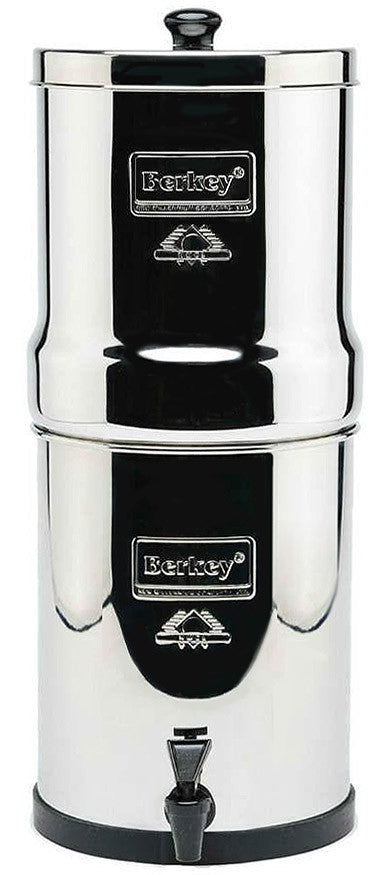
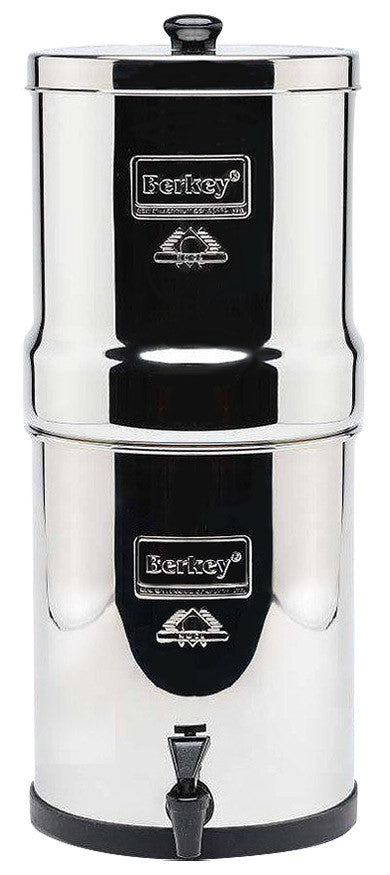
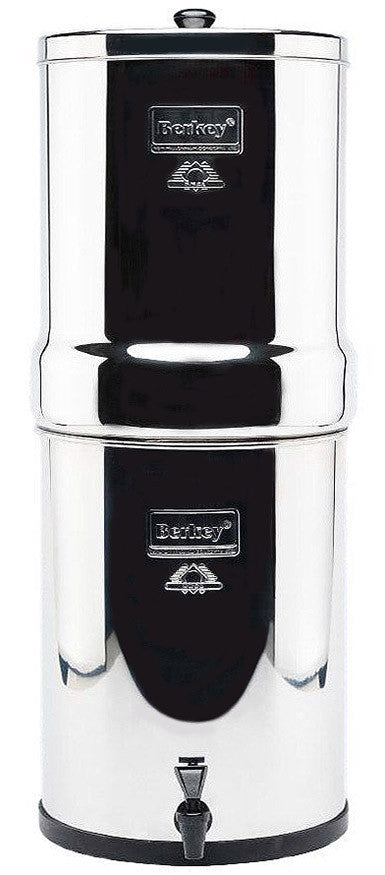
Countertop gravity-fed filtration systems, such as Berkey water filters, are an option for households that want filtered drinking water without a permanent installation. Depending on the filter elements used, these systems may help improve taste and odor while addressing certain water-quality concerns.
For current replacement filter options, review:
Always review product details, compatibility, and current performance information before choosing a filter.
Final Thoughts
Dehydration does not directly cause fat gain, but it can affect energy, appetite awareness, exercise performance, and daily habits that influence weight management over time.
Staying hydrated supports normal body function, helps you feel better throughout the day, and may make it easier to maintain healthy routines.
The best approach is simple: drink fluids regularly, eat water-rich foods, adjust intake during periods of heat or exercise, and choose water you enjoy. Good hydration is not a quick fix for weight loss, but it is an important foundation for overall wellness.
← Older Post Newer Post →