Reverse Osmosis Water: An Overview

Reverse osmosis is a high-performance water filtration technology that is increasingly popular in the current market. Its filtration limit is 0.0001 microns, indicating it can effectively remove almost all contaminants and impurities in drinking water.
It conveys pure, filtered water, consisting only of water molecules and no impurities. Hence, if you are looking for a cost-effective water purification tool, consider this reverse osmosis water filter, particularly in areas with poor water quality.
Reverse osmosis systems remove virtually all harmful contaminants and foreign substances from water, producing a filtered product free of contaminants such as chlorine and lead. This technology is highly effective because it removes water's most critical components.
That implies that even if it successfully removes all harmful chemicals and synthetic compounds, it also purifies the water of beneficial minerals such as calcium and magnesium.
Would it be advisable to keep drinking RO water? Would it be advisable for you to remineralize the water before drinking? To know the answers to these nagging questions, just keep on reading.
1.1 The Process of Reverse Osmosis Water
The Reverse Osmosis filter system uses advanced RO membranes for superior filtration. RO filters rely on the reverse osmosis process to achieve effective filtration. As the name suggests, reverse osmosis contradicts the traditional osmosis process.
While osmosis normally happens because of the development of a solvent from a locale of high concentration to a district of low concentration while going through a permeable layer, reverse osmosis is a constrained process where the dissolvable particles are pushed from a low-concentration area to a high-concentration area under hydrostatic pressure.
When dissolvable (dirty and contaminated water) passes through the RO membranes, the layer isolates it into water particles and different atoms. Different molecules are bigger than the 0.0001-micron pore size of the RO layer, which makes it incomprehensible for them to pass through.
These different atoms remember microbes and other toxins in regular water. However, RO water also contains beneficial minerals and salts. Thus, filtered water from RO membranes doesn't contain the minerals initially present in regular water.
1.2 Essential Minerals in Drinking Water Supply
The human body requires essential minerals and minor components to function optimally. It retains minerals from water, which play different roles in various body parts. For example, these minerals support the body's overall well-being and immune function.
Calcium and Magnesium
Calcium is an essential mineral in drinking water, yet calcium-containing water is ill-suited for cleaning and washing.
When present in water, calcium contributes to the arrangement and primary improvement of teeth and bones. It helps prevent significant diseases in the human body, such as hypertension, kidney stones, and stroke.
Calcium additionally forestalls blood coagulation and muscle constriction when present at ideal levels in the body.
On the other hand, magnesium is also a significant component of the body. It safeguards the body against heart issues and other life-threatening diseases.
Magnesium is also important for one's cycles, including regulating muscle and nerve function, glucose levels, pulse, protein synthesis, bone formation, and DNA production. Nonetheless, only a few Americans consume sufficient magnesium in their diets.
Sodium
There are different sides to sodium as a fundamental component. First, the human body requires the recommended daily intake of sodium. Second, high sodium intake in the body increases health risks, including hypertension.
Fluoride
Fluoride is normally available in water in certain areas. Then again, it is added to water artificially to forestall tooth decay in people. There are emerging health risks associated with excessive fluoride intake. These cases are conspicuous in regions with very high fluoride consumption, and none has been logically demonstrated.
Iron
The job of iron in the body includes the vehicle of oxygen for the circulation system. Strangely, when the iron level in the water rises above 0.3 mg/l, it causes red, yellow, or earthy-colored stains on dishes, crystals, clothing, and household appliances like sinks and bathtubs. Lack of iron is a common nutritional deficiency worldwide. It is additionally the main source of anemia in pregnancy, youth, and the early stages.
Copper
Copper is available in low amounts in normal water bodies. It is a fundamental micronutrient the body requires to function optimally. A typical grown-up needs around 2-3 mg of copper daily to remain healthy. It assumes a crucial part in bone strength, protection components, and baby development, and that's only the tip of the iceberg.
1.3 The Beneficial Minerals and Mineral Content
Although filtered water from reverse osmosis systems contains no harmful components, it also lacks essential minerals previously documented to be important for optimal bodily function. Remineralizing your RO water can restore the minerals lost during reverse osmosis filtration without introducing contaminants.
Mineralized water contains significant micronutrients, including calcium, magnesium, and other minor elements. Calcium adds to stronger teeth and bones, while magnesium is a co-variable and activator for more than 300 enzymatic responses in the body. The muscles and nerves in the body additionally require sodium to work.
Not only that, but it also makes water taste better. Most water consumers can distinguish between the flavors of reverse osmosis water and other kinds of water because RO water tastes terrible and dull. Conversely, plain water with re-added minerals has an improved, incredible taste. It also helps with overcoming intense cravings for soda or artificial juices.
It urges individuals to hydrate. Drinking more water helps keep the body hydrated and reduces the recurrence of thirst. The electrolytes in mineralized water help extinguish thirst more quickly than standard filtered water.
RO water's level and dull taste are due to its neutral pH, while remineralized water's better taste is due to its alkaline pH. The last option is ideal for drinking, cooking, and brewing tea, espresso, and other beverages. Assuming that the taste is perfect, you are bound to hydrate; the more water you drink, the more hydrated you are.
The Ways to Mineralize Reverse Osmosis Water
 Cost-Effective Calcium Filters
By a wide margin, this is the best-known method for addressing the problem, and many well-established companies sell water softeners and reverse osmosis systems. Many ROs on Amazon or different retailers will add these as an extra "stage" to their RO.
You can recognize these by their ingredients. Calcite, in some cases, is called calcium carbonate. This type of calcium is cost-effective for manufacturers and is the preferred choice in many applications. You'll find them in modern applications, water treatment plants, and in office plumbing where low pH can cause issues. It breaks rapidly, and they work hard to reduce the water's force and damage.
The main benefit is the sticker price, since you can often find them for $30-40. If you perform a fast TDS test during installation, you'll consider an increase in PPM to be well.
Yet adding minerals to drinking water doesn't prevent it from degrading the RO storage tank or protecting the home's pipes. Minerals are added to increase hydration, improve taste, and provide minerals to the body.
With this, calcite filters are what could be compared to the least expensive nutrient you can find. If your home has low-pH water and you're concerned about copper plumbing, definitely use a calcite-in-the-whole-home cartridge.
Mineral Drops
Mineral drops have become more widely used in recent years and perform well at mineralizing RO water. Many of them contain minerals, not simply calcium, and they are beneficial to add to a glass of water.
In addition, you'll rapidly find that you spend $50+ monthly on jugs of drops and are specific about where you use them.
They'll be put aside for your glass of drinking water, as it were. They won't be used to make tea, top off the espresso carafe, or make a pot of soup, and so on. If you haven't seen it, stale RO water makes for a terrible espresso mug.
We recommend keeping these in a handbag or bag while traveling. Snatch a jug of water from the store and several drops. The flavor isn't excessively observable. They are perfect for those requirements and are more like an enhancement than simply adjusting the water.
Salt and/or Baking Soda
Next on the list is a cheap Do-It-Yourself approach. From many viewpoints, these are the same as the drops above. They have their place and, when utilized suitably, can be compelling.
However, please note that using it once or twice daily is recommended. They don't make for an exceptionally delightful glass of water, and on account of baking soda, many of them can have you earnestly racing to the washroom due to diarrhea.
If it helps, a glass of warm water with a modest amount of high-quality mineral salt and baking soda can be an excellent way to start the day, though it isn't recommended to drink it all day. You can also use alkaline water in your household's reverse osmosis system.
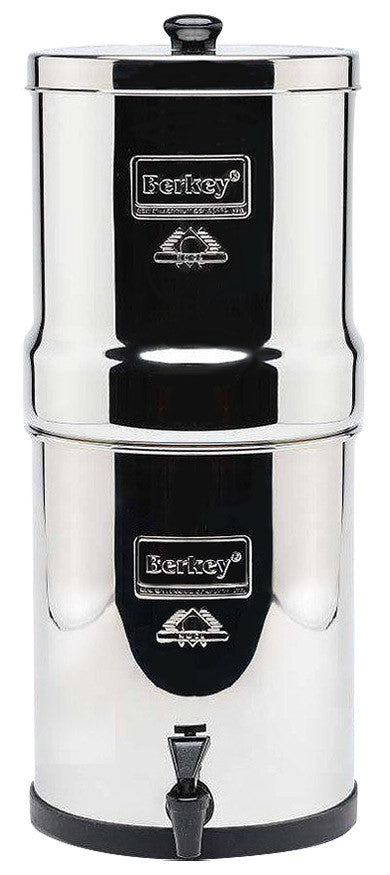
MORE INFORMATION: If you want a cheaper and more sustainable water treatment option, check out The Berkey Water Filters. They do not use reverse osmosis filtration, but they can retain healthy minerals in your water.
The Benefits of Purified Water with Mineral Content
-
Healthy minerals create healthy bones.
Consistent hydration supports healthier bones and greater resistance to bone diseases, such as postmenopausal osteoporosis in women. The magnesium and beneficial calcium in the water also improve muscle performance.
-
Osmosis water reduces bad cholesterol.
Research shows that remineralized osmosis water contains potassium and magnesium, which, when drunk routinely, effectively reduce bad cholesterol levels.
-
Mineral-bottled water aids the digestive process.
Mineral water is one way to promote digestion. Its sulfate content further develops and expands the amylase discharge from the pancreas.
-
Contaminant-free water hydrates better skin health.
Osmosis water, free of contaminants, can help create radiant, glowing, and healthy skin. Because of its rich mineral content, mineral water and beautiful skin are interchangeable. Wrinkles barely surface on the skin, which is constantly moisturized.
-
It helps with reducing rheumatism.
Regularly drinking mineral water reduces joint pain and rheumatism-related inflammation in the body.
-
Ro water purifier creates fresh water that is good for the kidneys.
The sodium, potassium, chloride, and bicarbonate content in mineral water enhances its retention while reducing the symptoms of dehydration. Hence, the risk of kidney stone formation is low, and the body's calcium oxalate level is kept low.
In this case, osmosis-treated water must be remineralized to restore, rather than remove, healthy minerals in water supplies.
-
It refills electrolytes and body fluids.
Drinking reverse osmosis water, processed by and large through reverse osmosis water systems, is pure water that, unfortunately, lacks essential elements.
Fortunately, it can be remineralized to support the health of both animal and human organisms and confer this benefit. The vital role of electrolytes and body fluids includes regulating the heart and supporting nerve and muscle function.
When the body receives a regular supply of mineral water, the electrolytes and fluid lost through sweat are quickly replenished. The renewing is conceivable because of mineral water's sodium, potassium, chloride, and bicarbonate content.
-
RO unit water with essential elements can prevent muscle cramps.
Since the fluids and electrolytes lost during exercise are replenished quickly by the magnesium content of mineral water, the muscles' capacity is ideally and rarely compromised.
-
Essential elements help regulate high blood pressure.
Again, remineralized reverse osmosis water, which retains essential elements such as calcium and magnesium, can help regulate blood pressure. The high calcium and magnesium content of mineral water suggests it may help regulate high blood pressure. Research indicates that standardized circulatory strain is feasible if a hypertension patient drinks a glass of mineral water daily.
-
Pure water prevents sweet cravings.
If you frequently crave sweets, consider drinking mineral water. Magnesium in the water helps regulate blood glucose while improving insulin's responsiveness.
← Older Post Newer Post →