
How to Dechlorinate Tap Water: The Most Effective Ways to Reduce Chlorine Taste and Smell
Many public water systems in the United States use chlorine or chloramine to disinfect drinking water. These disinfectants help protect water as it travels through pipes to homes and businesses.
Still, some people dislike the taste or smell of chlorinated tap water. Others want dechlorinated water for coffee, tea, cooking, aquariums, plants, brewing, or certain household uses.
This guide explains how to dechlorinate tap water, the difference between chlorine and chloramine, and which methods work best for everyday drinking water.
Chlorine vs. Chloramine: Why the Difference Matters
Before choosing a dechlorination method, it helps to know what your water utility uses.
Chlorine is easier to reduce. It can dissipate from water over time, especially when exposed to air, heat, or sunlight.
Chloramine is a combination of chlorine and ammonia. It lasts longer in the water system, which is why many utilities use it. However, that also means it is harder to remove with simple standing, boiling, or exposure to sunlight.
If your tap water taste remains “chlorine-like” even after sitting out overnight, your water may be treated with chloramine. Check your local water quality report or contact your water utility to confirm.
Why Dechlorinate Tap Water?
Most people dechlorinate tap water for taste and odor. A properly selected water filter can make water taste smoother and more pleasant, which may encourage better daily hydration habits.
Common reasons include:
- Reducing chlorine taste or smell
- Improving coffee, tea, ice, soups, and cooking water
- Preparing water for aquariums or sensitive plants
- Reducing reliance on bottled water
- Making everyday drinking water more enjoyable
Important note: chlorine and chloramine are used for disinfection. Dechlorinating water for taste does not make it safer than properly treated public water. If your water utility issues a boil water advisory or do-not-drink notice, follow official instructions first.
The Most Effective Ways to Dechlorinate Tap Water
1. Activated Carbon Filtration
Activated carbon filtration is one of the most practical ways to reduce chlorine taste and odor in household drinking water.
Carbon filters are used in many pitchers, faucets, refrigerators, under-sink, countertop, and gravity-fed systems. Activated carbon works by adsorbing certain substances as water passes through the filter media.
Chlorine is generally easier for carbon filters to reduce than chloramine. Chloramine usually requires more contact time, specialized carbon, or a filter specifically designed for chloramine reduction.
If chloramine is your main concern, review the filter’s product information carefully before buying.
2. Gravity-Fed Countertop Filters
Gravity-fed countertop filters are popular because they do not require electricity, plumbing, or water pressure. You pour water into the upper chamber, and gravity moves it through the filter elements into the lower chamber.
Berkey water filter systems are often chosen by households that want a countertop drinking water filter for everyday use. They can be a convenient option for improving the taste and smell of tap water when used as directed.
Shop Berkey Water Filter Systems
3. Reverse Osmosis
Reverse osmosis systems are usually installed under the sink and use pressure to move water through a membrane. Many RO systems also include carbon pre-filters or post-filters, which can help with chlorine taste and odor.
Reverse osmosis can be useful for households with broader water treatment goals, but it requires installation, water pressure, cartridge replacement, membrane maintenance, and space under the sink.
4. Letting Water Sit Out
Letting water sit uncovered can help chlorine dissipate naturally. This is a simple method for small amounts of water when taste is the main concern.
However, this method is not reliable for chloramine. Chloramine is more stable and may remain in the water much longer.
If you use this method, keep the container clean and loosely covered to reduce dust and debris while still allowing airflow.
5. Boiling Water
Boiling can reduce some chlorine because heat helps chlorine leave the water as a gas. This may improve taste in some cases.
However, boiling is not the most convenient everyday method, and it does not reliably remove chloramine. Boiling also does not remove many dissolved substances, metals, or chemical contaminants.
Use boiling when local health officials recommend it during a boil water advisory. For routine chlorine taste and odor, filtration is usually more practical.
6. Vitamin C Dechlorination
Vitamin C, usually in the form of ascorbic acid or sodium ascorbate, can neutralize chlorine and chloramine. It is often used for showers, baths, aquariums, pools, and other large water volumes where a chemical neutralizer is appropriate.
For drinking water, use caution. Only use products intended for drinking water use and follow dosage instructions carefully. Too much can change taste or water chemistry.
7. Aquarium Water Conditioners
Aquarium dechlorinators are designed for fish tanks, not for human drinking water. They may be useful for aquarium water when used as directed on the label, but they should not be used to prepare drinking water unless the product specifically states it is safe for that purpose.
8. Chemical Dechlorination for Industrial Use
Chemical dechlorination using sulfites, bisulfites, metabisulfites, or sulfur dioxide is commonly used in industrial, wastewater, and specialized water treatment settings.
This is not usually the best approach for normal household drinking water because dosing, monitoring, storage, and handling require care. For most homes, a drinking water filter is simpler and more appropriate.
9. UV Dechlorination
Ultraviolet systems can be used in specialized water treatment settings to reduce chlorine or chloramine, but this usually requires higher UV doses than standard UV disinfection.
For typical home drinking water, UV dechlorination is less common than activated carbon or reverse osmosis.
Which Dechlorination Method Is Best?
| Method | Best For | Limitations |
| Activated carbon filter | Everyday drinking water taste and odor | Check product details for chloramine reduction |
| Gravity-fed countertop filter | No-plumbing countertop use | Requires filter maintenance and refilling |
| Reverse osmosis | Under-sink drinking water treatment | Requires installation and maintenance |
| Letting water sit | Simple chlorine taste reduction | Not reliable for chloramine |
| Boiling | Emergency boiling when advised by officials | Not convenient and not reliable for chloramine |
| Vitamin C | Specific uses such as baths, showers, or aquariums | Use drinking-water-safe products only for drinking water |
How to Find Out If Your Water Has Chlorine or Chloramine
The easiest way is to check your city’s annual water quality report, also called a Consumer Confidence Report. You can also call your local water utility and ask which disinfectant they use.
You may also use a home chlorine test kit to check free chlorine and total chlorine. If total chlorine is present but free chlorine is low, chloramine may be part of the disinfectant residual.
Can You Remove Chlorine Naturally?
For chlorine, yes, to some extent. Standing, sunlight, and boiling can help chlorine dissipate. But these methods are slower and less reliable than using a properly selected filter.
For chloramine, natural methods are much less effective. If your water utility uses chloramine, choose a filter that specifically reduces chloramine.
Does Dechlorinated Water Need to Be Stored Carefully?
Yes. Chlorine and chloramine help keep public water protected as it moves through pipes. Once you remove the disinfectant residual, store the water in a clean container and use it within a reasonable time.
Do not leave dechlorinated water sitting in open or dirty containers. Keep pitchers, bottles, and storage tanks clean.
Berkey Water Filters and Chlorine Taste
Berkey water filter systems are gravity-fed countertop filters. They do not require electricity, plumbing, or water pressure, making them convenient for many homes, apartments, offices, and RVs.
For households that dislike the taste or odor of chlorine in tap water, a Berkey system may be a practical, everyday option when used according to the product instructions. As with any filter, review the manufacturer’s current performance information and replace elements as directed.
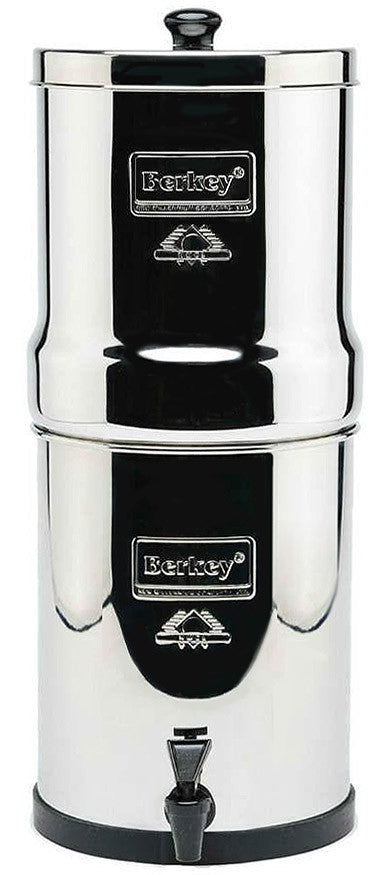
Travel Berkey Water Filter
The Travel Berkey is a compact stainless steel system for individuals, couples, small kitchens, RVs, and travel.
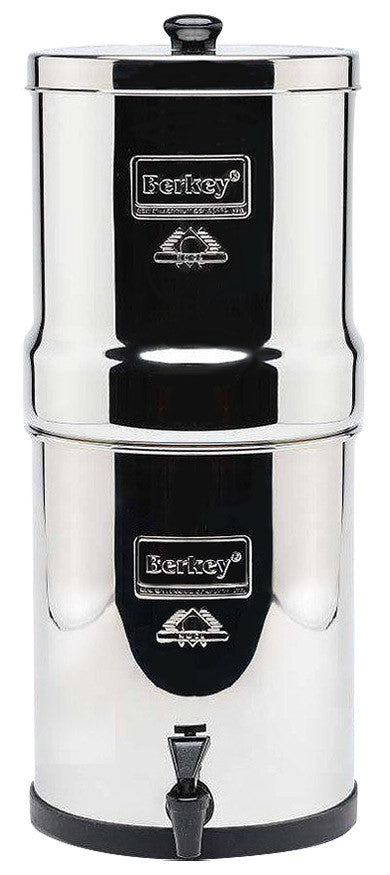
Big Berkey Water Filter
The Big Berkey is one of the most popular Berkey systems for everyday home use. It offers a practical balance of capacity and countertop size.
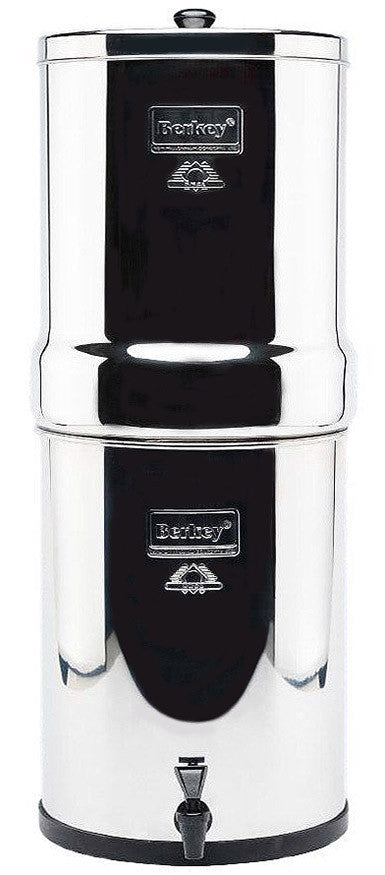
Royal Berkey Water Filter
The Royal Berkey offers more capacity for families or households that use more drinking water each day.

Final Thoughts
The most effective way to dechlorinate tap water for everyday drinking is usually activated carbon filtration or a system designed for chlorine and, if needed, chloramine reduction.
Letting water sit or boiling it may help reduce chlorine, but these methods are less reliable for chloramine. Vitamin C and chemical dechlorination can be useful in certain settings, but they are not always the best choice for routine drinking water.
If your goal is better-tasting water at home, start by finding out whether your local utility uses chlorine or chloramine. Then choose a filter that matches your water and your daily routine.
← Older Post Newer Post →