
Many households in the United States rely on private wells for drinking water. A well can be a valuable water source, but it also comes with an important responsibility: the homeowner must test, maintain, and protect the water supply.
Unlike public water systems, private wells are not regulated by the federal government under the Safe Drinking Water Act. That means the quality of your well water is not automatically monitored by the EPA or a local water utility. If your home uses a private well, regular testing is the only reliable way to understand what is in your water and what kind of treatment may be needed.
Well water may look clear, taste normal, and still contain substances that should be addressed. Common concerns can include naturally occurring minerals, nitrates, pesticides, herbicides, volatile organic compounds, heavy metals, sediment, hardness minerals, or contamination related to nearby septic systems, agriculture, flooding, or industrial activity.
This guide explains how to make well water drinkable, when to test it, what treatment options may help, and how to protect your well over time.
Is Well Water Safe to Drink?
Well water can be safe to drink, but you should not assume it is safe without testing. The safety of a private well depends on many factors, including:
- The depth and construction of the well
- The condition of the well cap and casing
- The surrounding soil and geology
- Nearby septic systems, farms, fuel tanks, or industrial sites
- Recent flooding, heavy rain, construction, or land disturbance
- The age and maintenance history of the well
A neighbor’s well test does not guarantee your well has the same water quality. Two wells on nearby properties can produce different results depending on depth, aquifer conditions, plumbing, and local sources of contamination.
For this reason, private well owners should keep a record of all water test results, inspection dates, repairs, and treatment system maintenance.
How Often Should Well Water Be Tested?
At a minimum, private well water should be tested once a year. The CDC recommends checking the well every spring for mechanical problems and testing annually for:
- Total coliform bacteria
- Nitrates
- Total dissolved solids
- pH level
You may need additional testing depending on your location. For example, homes near farms may need testing for nitrate, nitrite, and pesticides. Homes near mining, industrial sites, gas stations, landfills, or dry-cleaning operations may need testing for metals, volatile organic compounds, or other local contaminants.
When Should You Test Well Water Immediately?
Annual testing is important, but some situations call for immediate testing. Consider testing your well water if:
- The water changes in taste, smell, or appearance
- The water becomes cloudy, colored, oily, foamy, or gritty
- There has been flooding near the well
- The well cap, casing, pump, or plumbing has been repaired or replaced
- There is new construction, excavation, or land disturbance nearby
- A septic system near the well has failed or overflowed
- A fuel spill, chemical spill, or agricultural runoff event has occurred nearby
- Someone in the household is pregnant, nursing, elderly, immune-sensitive, or an infant
If you are unsure what to test for, contact your local health department, state environmental agency, county extension office, or a certified water testing laboratory. They can help identify common groundwater concerns in your area.
Common Well Water Contaminants and Concerns
Well water quality can be affected by both natural and human-made sources. Testing helps determine which concerns apply to your home.
Naturally Occurring Minerals and Chemicals
Some substances occur naturally in soil, rock, and groundwater. Depending on your region, well water may contain minerals or chemicals, including arsenic, radon, iron, manganese, copper, calcium, magnesium, and other dissolved solids.
Some of these may affect taste, odor, staining, or plumbing. Others may require treatment based on health guidance from your state or local health department.
Nitrates and Agricultural Runoff
Nitrates can enter groundwater from fertilizers, manure, septic systems, and agricultural activity. Nitrate is especially important to test for if infants, pregnant women, or nursing mothers may drink the water.
Pesticides and Herbicides
Homes near farms, orchards, landscaping operations, or areas where pesticides and herbicides are stored or applied may need additional water testing. These chemicals are not always detectable by taste, smell, or appearance.
Heavy Metals
Heavy metals may enter water from natural deposits, mining activity, industrial waste, old plumbing, or corrosion. Lead and copper can also be affected by household plumbing materials and water chemistry.
Volatile Organic Compounds
Volatile organic compounds, often called VOCs, may be associated with fuel storage, gas stations, dry cleaners, landfills, manufacturing sites, or industrial activity. If any of these are near your property, ask a local expert whether VOC testing is recommended.
Hardness Minerals
Hard water usually contains higher levels of calcium and magnesium. Hardness is not always a health concern, but it can cause scale buildup, reduce soap lather, stain fixtures, and shorten the life of appliances.
Can You Make Well Water Drinkable by Boiling It?
Boiling can be useful in certain situations, especially when local health officials advise boiling water. To boil water properly, bring it to a full rolling boil and keep it boiling for at least one minute. At higher elevations, follow local guidance because a longer boil time may be recommended.
However, boiling is not a complete solution for all well water problems. Boiling does not remove many chemical contaminants, heavy metals, nitrates, pesticides, dissolved solids, or sediment. In some cases, boiling can concentrate certain contaminants because water evaporates while dissolved substances remain.
Use boiling only as a temporary safety step when appropriate, not as a replacement for testing and proper treatment.
Is Well Water Safe for Showering?
In many homes, well water may be acceptable for showering and bathing, but this depends on the test results and the specific issue present. Water that is not suitable for drinking may still be usable for some household purposes, but certain contaminants, odors, fuel contamination, or flood-related issues may require extra caution.
If your well has been affected by flooding, a chemical spill, sewage, or an unknown contamination event, contact your local health department before using the water for drinking, cooking, bathing, brushing teeth, or washing dishes.
Does a Deeper Well Mean Better Water?
A deeper well may be less affected by surface activity than a shallow well, but depth alone does not guarantee better water. Water quality depends on well construction, geology, aquifer conditions, nearby contamination sources, and maintenance.
The only way to know the quality of your water is to test it.
Does Heavy Rain Affect Well Water?
Heavy rain can affect a well if surface water collects near the wellhead, if the well cap is damaged, if the casing is cracked, or if the surrounding ground slopes toward the well. Floodwater can create a more serious concern and should be handled carefully.
After heavy rain or flooding, inspect the well area. If surface water has entered the well or you suspect contamination, avoid drinking the water until the well has been evaluated, disinfected if needed, and tested.
What Should You Test For?
The right test depends on your property, location, and water concerns. The table below can help you decide what to discuss with a certified lab or local health department.
| Condition or Nearby Activity | Ask About Testing For |
| Annual maintenance testing | Total coliform bacteria, nitrates, total dissolved solids, pH |
| Nearby agriculture, fertilizer use, or livestock | Nitrate, nitrite, pesticides, and total coliform bacteria |
| Older plumbing or possible lead service lines | Lead, copper, pH, corrosion indicators |
| Radon-rich region or radon in indoor air | Radon in water |
| Mining activity nearby | Metals, pH, corrosion indicators |
| Gas drilling or fuel storage nearby | Chloride, sodium, barium, strontium, VOCs |
| Landfill, dry cleaner, factory, gas station, or junkyard nearby | Volatile organic compounds, metals, total dissolved solids, pH |
| Rotten egg smell | Hydrogen sulfide, sulfur-related issues, metals |
| Stains on fixtures or laundry | Iron, manganese, copper |
| Salty taste or coastal location | Chloride, sodium, total dissolved solids |
| Scale buildup or soap that does not lather well | Hardness, calcium, magnesium |
How to Make Well Water Drinkable
Making well water drinkable starts with testing. Treatment should be selected based on the test results. No single treatment system is the best answer for every well, because different contaminants require different treatment methods.
Step 1: Test the Water
Use a certified laboratory whenever possible, especially for health-related contaminants. At-home test kits may be useful for screening certain issues, but they may not provide a complete understanding of your water quality.
Keep copies of every test result. These records help you track changes over time and make better decisions about maintenance and treatment.
Step 2: Identify the Cause of the Problem
If a test shows a concern, try to identify the source. The issue may come from the well itself, the pump, the plumbing, nearby land use, seasonal runoff, flooding, or the natural groundwater in your area.
Some problems require well repair or professional service before water treatment will be effective.
Step 3: Choose the Right Treatment System
Water treatment should be tailored to the specific issue identified in your test results. A system that improves taste and odor may not address nitrates. A water softener may help with hardness, but it is not a full drinking water treatment solution. Reverse osmosis may reduce certain dissolved substances, but it may not be the best fit for every household.
Before installing a treatment system, ask the manufacturer or a qualified water professional what the system is designed to address, what certifications or test data are available, and what maintenance is required.
Step 4: Maintain the System
A treatment system only works properly when it is maintained. Replace filter elements, cartridges, UV lamps, membranes, or other parts according to the product instructions. Retest the water as recommended to ensure the treatment approach remains appropriate.
Common Well Water Treatment Options
Water Filtration Systems
Water filtration systems can help address certain contaminants, sediment, taste, odor, or other water quality concerns. Different systems use different technologies, such as activated carbon, sediment filtration, ion exchange, reverse osmosis, or specialty media.
Common drinking water filtration options include:
- Countertop filters
- Gravity-fed systems
- Under-sink filters
- Faucet-mounted filters
- Whole-house filters
- Reverse osmosis systems
The right choice depends on your water test results, household needs, budget, flow rate, maintenance preferences, and whether you want treatment at one drinking water tap or throughout the whole home.
Under-Sink Water Filters
Under-sink filters are installed below the sink and are often used for drinking and cooking water. Some connect directly to the existing cold-water line, while others use a separate faucet.
Depending on the design and media used, an under-sink system may help reduce sediment, taste, odor, chlorine, certain metals, or other targeted contaminants. Always check the product specifications and test data before choosing a system.
Countertop and Gravity-Fed Filters
Countertop and gravity-fed filters are popular because they do not always require plumbing changes. They can be convenient for renters, small kitchens, or households that want a drinking water filter without installation work.
These systems vary widely. Some focus on taste and odor, while others are designed for a broader range of contaminants. Review the product information carefully and make sure it matches your water test results.
Water Softeners
A water softener is designed mainly to reduce hardness minerals such as calcium and magnesium. Softened water may help reduce scale buildup, improve soap lather, and protect appliances from mineral deposits.
A water softener should not be viewed as a complete drinking water treatment system. If your water has nitrates, metals, VOCs, pesticides, or other concerns, you may need additional treatment.
Reverse Osmosis
Reverse osmosis systems are commonly used under the sink for drinking water. They may reduce certain dissolved solids and other contaminants, depending on the system design and membrane performance.
Reverse osmosis systems require maintenance and may produce wastewater during operation. If your well water has high sediment, hardness, iron, or manganese, pretreatment may be needed to protect the membrane.
Distillation
Distillation heats water to create steam, then condenses the steam back into water. This process can reduce many dissolved solids and certain contaminants, but it may be slow and energy-intensive. Some volatile contaminants may require additional controls.
Disinfection
Disinfection may be recommended when testing indicates a microbial concern or when a well has been affected by flooding, repairs, or surface water intrusion. Disinfection methods can include chlorination, ultraviolet light, ozone, or other approaches.
If you are disinfecting a well due to confirmed or suspected contamination, follow local health department guidance or hire a qualified well contractor. Disinfection may solve a one-time issue, but it may not fix an ongoing problem caused by poor well construction, damaged casing, bad drainage, or repeated surface water intrusion.
When to Disinfect a Private Well
Consider contacting a qualified professional about well disinfection if:
- Floodwater or surface water entered the well
- The well was recently drilled
- The pump or plumbing system was repaired or replaced
- The well cap or casing was damaged
- Testing indicates a contamination concern
- Your local health department recommends disinfection
If flooding has occurred, wait until floodwater recedes and the ground near the well is no longer saturated before starting cleanup or disinfection. Do not use water from a flooded well for drinking, cooking, brushing teeth, or washing dishes until the well has been properly evaluated and tested.
Safety Tips Before Disinfecting a Well
Well disinfection often involves chlorine bleach or another disinfectant, so safety is important. Before beginning, consider the following:
- Use bottled water or another safe water source during the process.
- Notify everyone in the household not to drink the water during treatment.
- Keep children and pets away from the well area.
- Wear protective gloves and eyewear when handling bleach.
- Do not mix bleach with other chemicals.
- Do not use scented bleach or bleach with added cleaners.
- Be careful around electrical components near the well pump.
- Contact a professional if the well is in a pit, confined space, or flood-affected area.
If your well is close to neighboring wells, let your neighbors know before disinfection. In some situations, the process may affect nearby water systems.
How to Protect Well Water from Contamination
Protecting well water is easier than correcting a serious contamination problem. A few regular habits can help reduce risk.
Maintain the Well Area
- Keep the well cap secure and in good condition.
- Make sure the ground slopes away from the well.
- Do not allow standing water to collect near the wellhead.
- Keep the well casing above ground level.
- Inspect exposed parts of the well for cracks, corrosion, or damage.
- Keep accurate records of inspections, repairs, and water tests.
Keep Contaminants Away from the Well
- Do not mix or store pesticides, fertilizers, fuels, solvents, or harsh chemicals near the well.
- Do not dispose of chemicals in septic systems, dry wells, or abandoned wells.
- Keep fuel tanks, manure piles, and chemical storage areas at a safe distance.
- Have septic systems inspected and pumped as recommended by local authorities.
- Check underground and above-ground storage tanks for leaks.
Watch for Natural Events
Flooding, landslides, earthquakes, and severe storms can affect well water quality. After a natural disaster, contact your local health department or a qualified well contractor for guidance before using the water.
What to Do After Flooding
If your well has been flooded, take the situation seriously. Floodwater can carry sediment, fuel, chemicals, sewage, and other contaminants.
- Stay away from the well pump if it is flooded because of the risk of electric shock.
- Do not drink water from the well until it has been evaluated and tested.
- Use bottled water or another safe water source for drinking and cooking.
- Contact a qualified well or pump contractor for inspection and cleanup.
- After the service is completed, test the water before using it as drinking water again.
What About Berkey Water Filters?
A drinking water filter can be part of a broader well water safety plan, but it should not replace proper well testing, well maintenance, or professional treatment when a specific contamination issue is present.
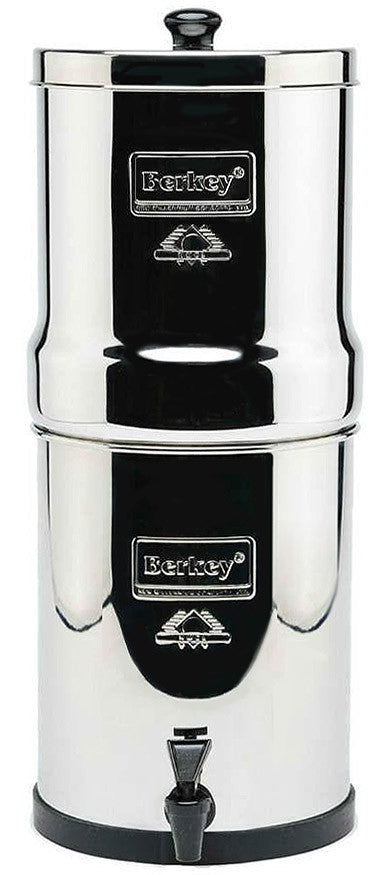
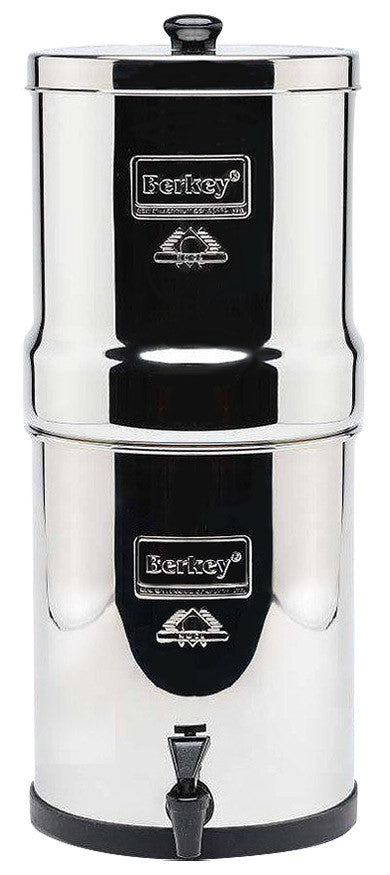
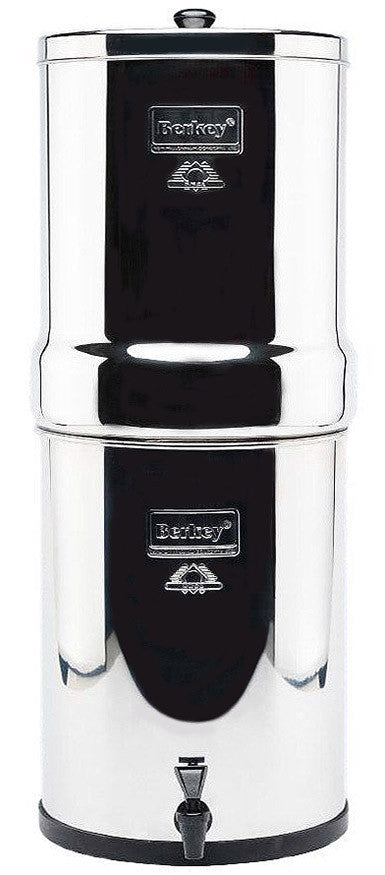
Berkey gravity-fed water filter systems are popular for households that want a countertop drinking water filtration option without electricity or plumbing installation. They may be useful for improving everyday drinking water quality when used according to the product instructions and within the limits of the filter elements.
Before using any water filter with private well water, test the well first. Then compare the test results with the product’s available performance information to determine whether the system is appropriate for your specific water concerns.
If your test results show a serious issue, contact your local health department, a certified water treatment professional, or a qualified well contractor before relying on any single filtration system.
Big Berkey Water Filter
The Big Berkey is one of the most popular Berkey systems for everyday home use. Its stainless steel design, countertop size, and gravity-fed operation make it a practical option for many households that want filtered drinking water without connecting a system to the plumbing.
View the Big Berkey Water Filter
Royal Berkey Water Filter
The Royal Berkey offers a larger capacity than the Big Berkey, making it a good fit for families or households with higher daily drinking water needs.
View the Royal Berkey Water Filter
Crown Berkey Water Filter
The Crown Berkey is the largest Berkey system and may be suitable for larger households, offices, group settings, or anyone who wants a higher-capacity countertop gravity water filter.

View the Crown Berkey Water Filter
Well Retirement: What to Do With an Old or Unused Well
An old or unused well can become a pathway for surface contamination to enter groundwater. It can also create a physical hazard on the property.
If a well is no longer in use, it should be properly decommissioned in accordance with state and local requirements. This usually requires a licensed well contractor because the well must be sealed correctly to protect groundwater and reduce liability.
Do not simply cover, bury, or ignore an old well. Contact your local environmental agency, water quality division, or health department to learn the proper procedure in your area.
Final Thoughts
Well water can be a dependable and valuable household water source, but it should be managed carefully. The most important step is regular testing. Clear-looking water is not enough. Taste and smell alone cannot confirm whether well water is suitable for drinking.
To make well water drinkable, start with a certified water test. Use the results to choose the right treatment system, maintain the well properly, protect the area around the well, and retest as recommended.
A quality drinking water filter may be helpful as part of your overall water plan, but it should work alongside proper well maintenance and professional guidance when needed.
With regular testing, responsible maintenance, and the right treatment approach, private well owners can better protect their household water and enjoy the benefits of having their own water source.
← Older Post Newer Post →