
Emergency Drinking Water: How to Store, Treat, and Use Water During a Crisis
During a storm, earthquake, flood, power outage, water main break, or local boil water advisory, clean drinking water can quickly become one of the most important supplies in your home.
The best emergency water plan starts before the emergency happens. Store enough water for your household, use clean containers, know how to boil or treat water when appropriate, and follow local public health guidance if your tap water may not be safe to use.
This guide explains how much water to store, how to choose containers, how to keep stored water clean, and what to do if you need emergency drinking water during a crisis.
How Much Emergency Water Should You Store?
The CDC recommends storing at least 1 gallon of water per person, per day, for at least 3 days. If possible, store a 2-week supply.
You may need more than 1 gallon per person per day if:
- You live in a hot climate
- Someone in the home is pregnant or nursing
- Someone is sick or medically vulnerable
- You have infants or young children
- You have pets
- You need extra water for cooking, hygiene, or basic cleaning
Commercially bottled water is the easiest option for emergency storage. Keep it sealed, store it in a cool place, and follow the expiration or “best by” date on the package.
Choosing Emergency Water Storage Containers
If you store tap water yourself, use food-grade water storage containers whenever possible. These containers are designed for drinking water and are available at camping, emergency preparedness, and outdoor supply stores.
A good water storage container should:
- Be food-grade
- Have a tight-fitting lid
- Be durable and hard to break
- Have a narrow opening to reduce contamination
- Be easy to pour from without touching the water
Do not use containers that previously held toxic chemicals, bleach, pesticides, fuel, cleaners, or non-food liquids.
How to Clean and Sanitize Water Storage Containers
Before filling a reusable container with emergency drinking water, clean and sanitize it first.
- Wash the container with dish soap and clean water.
- Rinse it thoroughly.
- Mix 1 teaspoon of unscented household chlorine bleach with 1 quart of water.
- Pour the solution into the container.
- Close the lid tightly and shake so the solution touches all inside surfaces.
- Wait at least 30 seconds.
- Pour out the solution.
- Let the container air dry.
- Fill it with clean water and close it tightly.
How to Store Emergency Water
After filling your containers, store them carefully so the water stays as clean as possible.
- Label each container “drinking water.”
- Write the storage date on the container.
- Replace self-filled water every 6 months.
- Keep containers in a cool, dark place.
- Keep water away from direct sunlight.
- Do not store water near gasoline, paint, pesticides, solvents, or household chemicals.
- Keep containers off the floor if stored in a basement or flood-prone area.
How to Use Stored Water Safely
Once you open a container, avoid touching the water or the inside of the container with your hands.
- Pour water out instead of dipping into the container.
- If you must use a scoop, use a clean one every time.
- Keep the lid closed when not in use.
- Use the open water within a reasonable time and keep it as clean as possible.
When Tap Water May Not Be Safe
After a disaster or water system problem, your tap water may not be safe for drinking, cooking, brushing teeth, making ice, washing dishes, preparing baby formula, or washing food.
Follow instructions from your local health department or water utility. They may issue one of several types of notices, such as a boil water advisory, do-not-drink advisory, or do-not-use advisory.
If chemical, fuel, floodwater, or radioactive contamination is suspected, boiling or adding disinfectant may not make the water safe. In those situations, use bottled water or another approved safe source.
Emergency Water Sources Inside the Home
If bottled water is not available, you may have other water sources inside the home. Use caution and follow local guidance.
- Water from your water heater tank, if it has not been contaminated
- Melted ice cubes made before the emergency
- Water from canned fruits or vegetables
- Water stored in clean containers before the emergency
Do not use water from toilets, radiators, boilers, water beds, swimming pools, or floodwater for drinking.
How to Boil Water in an Emergency
If bottled water is unavailable and local officials recommend boiling, it is one of the most reliable emergency methods.
- If the water is cloudy, filter it through a clean cloth, paper towel, or coffee filter first.
- Bring the clear water to a rolling boil.
- Boil for 1 minute.
- At elevations above 6,500 feet, bring to a boil and boil for 3 minutes.
- Let the water cool naturally.
- Store it in clean, sanitized containers with tight lids.
Boiled water can taste flat. To improve taste, pour it back and forth between two clean containers after it cools.
How to Disinfect Water With Bleach
If you cannot boil water, plain unscented household bleach may be used in some emergency situations. Use only bleach that contains 5% to 9% sodium hypochlorite. Do not use scented bleach, splashless bleach, color-safe bleach, or bleach with added cleaners.
Always follow current CDC, EPA, or local health department instructions for the correct amount. Mix well and wait at least 30 minutes before using the water.
Bleach disinfection is not suitable for water contaminated with fuel, chemicals, pesticides, radioactive materials, or floodwater of unknown quality.
Water Treatment Tablets
Water treatment tablets can be useful in emergency kits, travel bags, and camping supplies. Common options include chlorine dioxide, chlorine, or iodine-based tablets.
Read the product label carefully. Different tablets have different wait times, dosage instructions, and limitations. Iodine-treated water is not recommended for some people, including pregnant women, people with thyroid conditions, or people with iodine sensitivity.
Portable Water Filters
Portable water filters can be helpful in some emergency situations, especially for improving water clarity and addressing certain particles or contaminants. However, portable filters vary widely, and no single filter is right for every water source.
When choosing a portable filter, check:
- What the filter is designed to reduce
- The pore size or filtration rating
- Whether it requires batteries or pressure
- How often must parts be replaced
- Whether the filter is appropriate for your intended water source
Read and follow the manufacturer’s instructions. If the water source is suspected of contamination from chemicals, fuel, sewage, or flooding, use bottled water or follow official local guidance instead.
UV Light Treatment
Portable UV devices can treat small amounts of clear water when used correctly. These devices require batteries or another power source, and they work best with clear water. Cloudy water should be filtered first because particles can block UV exposure.
UV light does not remove sediment, chemicals, heavy metals, fuel, or salt.
Solar Disinfection
Solar disinfection uses sunlight and clear plastic bottles under specific conditions. It may reduce some biological concerns in clear water, but it is slow and has limitations.
It should not be used for chemically contaminated water, salty water, fuel-contaminated water, or floodwater of unknown quality. If you have better options, such as bottled water or boiling, use those first.
Planning for Drought, Floods, and Earthquakes
Drought and Extreme Heat
Drought can reduce available water supplies and make it harder to access clean water. During hot weather, your household may need more stored water than usual. Store extra water for drinking, cooking, hygiene, pets, and vulnerable family members.
Flooding
Flooding can damage water systems, contaminate private wells, and make stored supplies harder to access. If your well has been flooded, do not drink the water until it has been inspected, treated if needed, and tested in accordance with local guidance.
Earthquakes
Earthquakes can damage pipes, water mains, treatment plants, and roads. Keep water in several locations throughout your home so that a damaged area does not cut off your entire supply.
Should You Keep a Water Filter for Emergencies?
A water filter can be a helpful part of an emergency water plan, especially when paired with stored bottled water, clean containers, and a way to boil water. However, a filter should not replace official safety instructions or proper treatment when water is known or suspected to be contaminated.
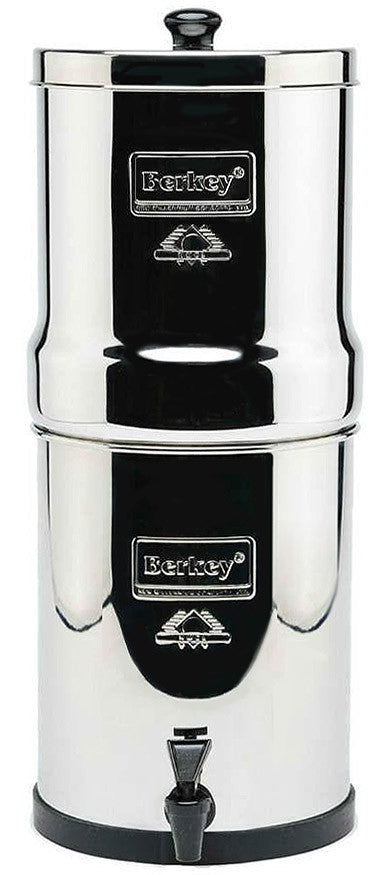
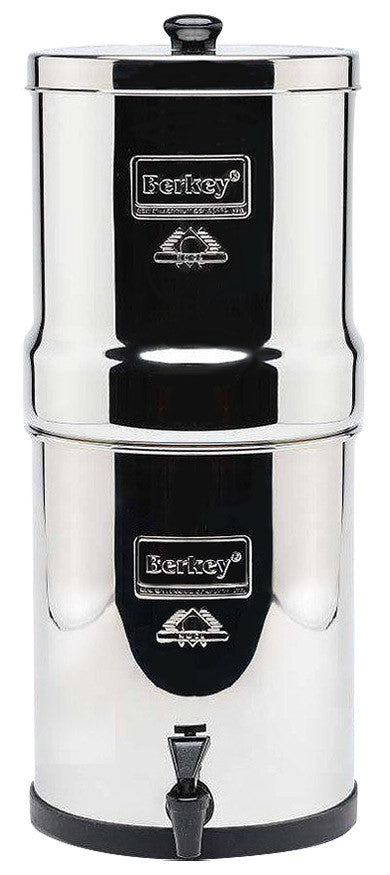
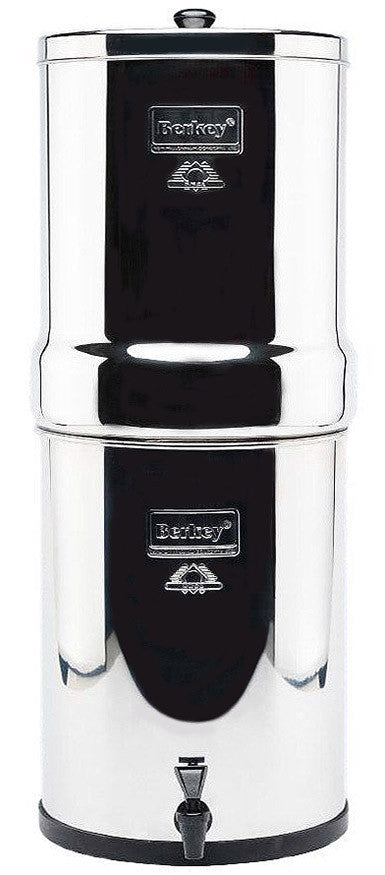
Gravity-fed systems are popular for emergency preparedness because they do not require electricity or plumbing. Berkey water filter systems are countertop, gravity-fed systems that can be used for everyday drinking water filtration and as a backup when used according to product instructions.
Shop Berkey Water Filter Systems
Emergency Water Checklist
- Store at least 1 gallon per person per day for 3 days.
- Try to store a 2-week supply if space allows.
- Use commercially bottled water or food-grade containers.
- Label containers with the storage date.
- Replace self-filled water every 6 months.
- Store unscented household bleach for emergency disinfection and cleaning.
- Keep a way to boil water without electricity.
- Keep clean containers with tight lids.
- Follow local health department instructions during advisories.
- Do not use water suspected of chemical or flood contamination unless local officials say it is safe.
Final Thoughts
Emergency drinking water preparation is simple, but it needs to be done before a crisis. Start with stored bottled water or properly filled food-grade containers. Keep enough for every person and pet in your home. Store it away from heat, sunlight, and chemicals.
If an emergency affects your water supply, follow local guidance first. Use bottled water when possible. Boil water when recommended. Disinfect only when appropriate. Use filters as part of a broader plan, not as the only layer of protection.
With stored water, clean containers, basic treatment knowledge, and a reliable backup plan, your household will be better prepared for the unexpected.
← Older Post Newer Post →