
The water you use every day may look the same once it reaches your glass, but where it comes from can make a meaningful difference. Some households receive water from a municipal system. Others rely on a private well. Both sources can serve a home well, but they are managed, monitored, and maintained in very different ways.
City water generally comes from a public water system. It may originate as surface water from rivers, lakes, or reservoirs, or from groundwater sources. Before it reaches homes, it undergoes municipal treatment and monitoring.
Well water is different. A private well draws groundwater from beneath the property or the surrounding area. In most cases, the homeowner is responsible for testing, maintenance, and selecting the right household water equipment for local conditions.
Understanding the difference between well water and city water can help you make better decisions about testing, storage, maintenance, and everyday drinking water filtration. This guide explains the key differences, what to look for, and how to think about household filtration without guessing.
What Is City Water?
City water, also called municipal water, is supplied by a public water system. It is collected, processed, monitored, and delivered through a network of pipes before reaching homes and businesses.
Municipal water often comes from large sources such as reservoirs, lakes, rivers, or shared groundwater supplies. Because those sources serve many people, city water systems are regulated and routinely monitored in accordance with public drinking water standards.
Many city water customers can review an annual Consumer Confidence Report, sometimes called a water quality report. This report usually explains where the water comes from, what was detected during testing, and whether the system met applicable standards during the reporting period.
What Is Well Water?

Well water comes from groundwater beneath the surface. A private well draws water from an aquifer and delivers it directly to the home through a pump and plumbing system.
Unlike city water, private well water is not typically monitored by a municipal utility. The quality of well water can vary from one property to another based on geology, soil, nearby land use, well construction, plumbing, and maintenance habits.
This does not mean that well water is automatically of poor quality. Many households have used private wells successfully for years. It simply means that testing and maintenance are especially important because responsibility usually rests with the homeowner.
City Water vs. Well Water at a Glance
| Category | City Water | Well Water |
|---|---|---|
| Source | Public supply from surface water, groundwater, or a combination of sources | Private groundwater source connected to a home or property |
| Oversight | Managed and monitored by a public water utility | Generally maintained and tested by the homeowner |
| Reporting | Annual water quality reports are commonly available | Homeowner arranges testing as needed |
| Common Concerns | Taste, odor, chlorine or chloramine, older plumbing, local water quality issues | Minerals, hardness, sediment, odor, local geology, and nearby land use |
| Filtration Approach | Often selected for taste, odor, and specific issues shown in reports or testing | Usually selected after water testing identifies household-specific conditions |
Common City Water Considerations

City water is treated and monitored before it reaches your home, but many households still choose to use an additional drinking water filter. The reason is often simple: taste, odor, confidence, and consistency.
1. Chlorine or Chloramine Taste
Many public water systems use disinfectants as part of the municipal process. Some households notice a taste or smell that reminds them of a pool, especially when the water is warm or has been sitting in plumbing for a while.
A drinking water filter may help improve taste and odor, depending on the filter type and your home's specific water conditions.
2. Plumbing and Older Homes
Even when water leaves the municipal system in good condition, it still travels through pipes before reaching the tap. Older homes, older service lines, or older fixtures may affect what comes out of the faucet.
If you live in an older home or have concerns about plumbing, testing at the tap can provide more useful information than relying on general citywide data alone.
3. Local Water Quality Concerns
Different communities may have different water quality topics of interest. Some households pay attention to hardness, taste, odor, naturally occurring minerals, PFAS discussions, or local infrastructure updates.
The best first step is to read your local water quality report and consider additional home testing if you want a clearer picture of your specific tap water.
Common Well Water Considerations

Well water conditions can vary widely. Two homes in the same neighborhood may have different water because their wells draw from different depths, soil layers, or groundwater paths.
1. Minerals and Hardness
Private wells often draw water through rock, sand, and soil. This can contribute to mineral content and hardness. Hard water may leave spots on dishes, scale on fixtures, or buildup in appliances.
A water softener may be helpful for some homes, but it should be chosen based on water testing and household needs.
2. Iron, Manganese, or Sulfur Odor
Some wells may have noticeable taste, staining, or odor issues. Orange staining may suggest iron. Dark staining may suggest manganese. A rotten-egg odor is often associated with sulfur-related conditions.
These issues are common in some well systems, but the right solution depends on the actual test results and the way the well is constructed.
3. Sediment
Some wells may produce visible particles, cloudiness, or fine sediment. A sediment filter or pre-filter is often used to protect plumbing and downstream water equipment.
Because sediment can have different causes, it is wise to check the well, pump, pressure tank, and plumbing if the issue changes suddenly.
4. Location-Specific Conditions
Nearby agriculture, septic systems, construction, flooding, industrial activity, and natural geology can all influence private well water. That is why well owners should not rely on appearance, taste, or smell alone.
Testing is the most reliable way to understand what your household is working with.
Testing: Who Is Responsible?
Testing responsibility is one of the biggest differences between city water and well water.
City Water Testing
For municipal water, the utility is responsible for routine system testing and reporting. As a customer, you can review the annual water quality report for your area.
However, that report reflects the public system as a whole. It may not fully reflect conditions inside your home’s plumbing. If you have an older home, a private service line, or specific concerns, a home tap test may still be useful.
Well Water Testing
For private wells, the homeowner is typically responsible for arranging water testing. A good routine is to test at least once a year and also after major changes, such as flooding, well repairs, plumbing changes, or sudden changes in taste, color, or odor.
A certified laboratory can help identify what should be tested based on your location and concerns. Common well-water tests may include pH, hardness, nitrates, total dissolved solids, iron, manganese, arsenic, and other local concerns.
How to Choose a Household Water Filter

The right filter depends on the water. This is especially important for well water, where conditions can change from property to property.
Instead of choosing a filter based only on advertising claims, start with three questions:
- What water source do I have?
- What does my water report or test show?
- What do I want to improve: taste, odor, sediment, hardness, or a specific tested concern?
For City Water Households
Many households on city water choose drinking water filters to improve taste and reduce common aesthetic concerns. Activated carbon is often used to improve taste and odor, especially when the chlorine taste is noticeable.
Some households use under-sink, countertop, pitcher, faucet, or whole-house systems. The best choice depends on whether you want filtered water only for drinking and cooking or throughout the entire home.
For Well Water Households
Well water often benefits from a more customized approach. Depending on test results, a home may need a sediment filter, softener, iron filter, carbon filter, point-of-use drinking water filter, or another system selected for a specific issue.
For private wells, avoid guessing. A test-first approach helps prevent buying the wrong system or missing an issue that requires a different solution.
Where Countertop Gravity Filters Fit
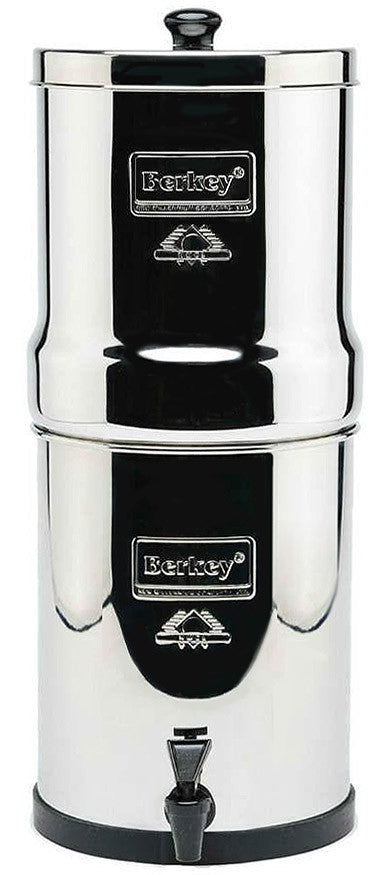
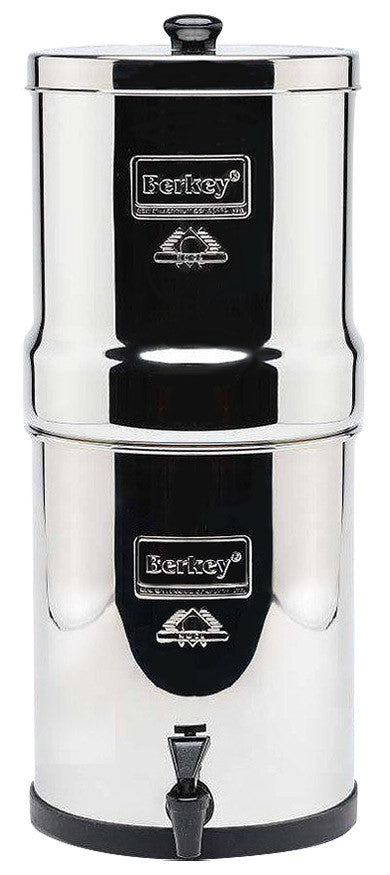
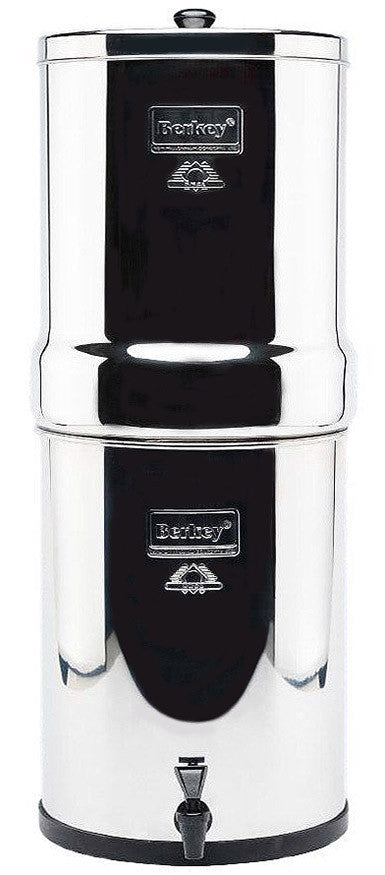
Countertop gravity filters are popular because they do not require plumbing or electricity. Many households like them for everyday drinking water because they are simple to set up, easy to refill, and convenient for kitchens, apartments, rentals, and homes where under-sink installation is not preferred.
For city water users, a countertop gravity system may be used as a drinking water option for taste and everyday household convenience.
For well water users, testing should come first. A countertop filter may be part of a broader household plan, but private well conditions vary. If your test results show specific concerns, choose equipment that is appropriate for those results and follow the manufacturer’s instructions carefully.
If you use a Berkey system, review the current product information, element details, maintenance instructions, and state availability before purchasing or making changes to your setup.
Best Practices for City Water Users
- Read your annual Consumer Confidence Report.
- Test the tap if you live in an older home or have plumbing concerns.
- Choose filters based on your actual goals, such as taste, odor, or a specific concern identified in testing.
- Replace filter elements or cartridges according to the manufacturer’s schedule.
- Flush taps after long periods of non-use, especially in older plumbing.
Best Practices for Well Water Users
- Test your well water at least once a year.
- Test again after flooding, well repairs, plumbing work, or sudden changes in taste, color, or odor.
- Keep the area around the well clean and properly maintained.
- Keep chemicals, fuels, fertilizers, and pesticides away from the well area.
- Match filtration equipment to your actual water test results.
- Keep records of test results so you can spot changes over time.
Which Is Better: Well Water or City Water?
There is no single answer that applies to every household. City water offers the advantage of public oversight, routine monitoring, and utility management. Well water offers independence from a municipal system, but it requires more responsibility from the homeowner.
The better choice depends on your location, home, plumbing, local water source, and willingness to test and maintain the system. In both cases, a thoughtful household water plan can help improve confidence and convenience.
Final Thoughts
Well water and city water differ in how they are sourced, monitored, and maintained. City water is managed by a public utility. Well water is generally managed by the homeowner.
For city water, start by reviewing your local water quality report and deciding whether you want additional filtration for taste, odor, or other household preferences. For well water, start with testing and use the results to guide your equipment choices.
The smartest approach is simple: know your water source, review the available information, test when needed, and choose filtration based on facts rather than assumptions.
Related Articles:
- The Best Water in the U.S.: Which City Has the Best Tap Water?
- Is Well Water Healthy?
- How Does Well Water Get Contaminated?
- How Water Filters Help the Environment
- The Cost of Clean Water
← Older Post Newer Post →