Volatile Organic Compounds (VOCs): Common Examples, Health Concerns, and Ways to Reduce Exposure

Volatile organic compounds, commonly called VOCs, are carbon-based chemicals that can evaporate into the air or, in some cases, dissolve into water. They are found in many everyday places, including household products, building materials, industrial emissions, fuel spills, and some drinking water sources.
Because VOCs are often invisible and may not always have a strong odor, many people do not realize they are being exposed. VOCs can come from paint, adhesives, furniture, cleaning products, gasoline, dry-cleaning chemicals, and certain water treatment byproducts.
This guide explains what VOCs are, where they come from, common examples, potential health concerns, and practical ways to reduce exposure in your home and drinking water.
What Are Volatile Organic Compounds?
Volatile organic compounds are organic chemicals that readily evaporate at room temperature. This is why some products have a strong smell when opened, such as paint thinner, gasoline, nail polish remover, permanent markers, or certain cleaning products.
Some VOCs occur naturally from plants and soil, while many others come from human activity, industrial processes, consumer products, and building materials.
Common Sources of VOCs
Indoor Sources
Indoor VOCs often come from products and materials used inside the home. Common sources include:
- Paints, stains, and varnishes
- Adhesives and sealants
- Pressed wood furniture and flooring
- Cleaning products
- Air fresheners and aerosols
- Craft supplies and permanent markers
- Dry-cleaned clothing
- Tobacco smoke
- Office equipment
Outdoor and Industrial Sources
Outdoor VOCs may come from transportation, industry, and fuel-related activities. Examples include:
- Vehicle exhaust
- Fuel storage and spills
- Industrial emissions
- Manufacturing facilities
- Solvent use
- Biomass burning
Water-Related Sources
VOCs may also be found in water due to fuel leaks, industrial releases, agricultural runoff, landfill leachate, or disinfection byproducts formed during water treatment.
In drinking water, VOC concerns can vary widely by region, water source, and local contamination history. Reviewing a local water quality report or having water tested by a certified laboratory is the best way to determine whether VOCs are a concern.
Examples of VOCs

Formaldehyde
Formaldehyde can be released from pressed wood products, furniture, adhesives, flooring, and some building materials. It is one of the more commonly discussed indoor VOCs.
Benzene
Benzene is associated with gasoline, vehicle exhaust, tobacco smoke, some solvents, and industrial processes. It is one of the VOCs often monitored because of health concerns associated with long-term exposure.
Toluene
Toluene may be found in paints, paint thinners, nail polish, adhesives, and some cleaning products. It is highly volatile and can contribute to indoor air quality issues when products are used without proper ventilation.
Xylene
Xylene is used in paints, varnishes, solvents, and some industrial products. Short-term exposure may cause irritation, dizziness, or headaches in some people.
Trichloroethylene
Trichloroethylene, often abbreviated as TCE, has been used as a metal degreaser and industrial solvent. It is a well-known groundwater contaminant in some areas.
Perchloroethylene
Perchloroethylene, also known as PCE or perc, has been used in dry cleaning and industrial cleaning. It can affect both indoor air and groundwater during releases.
Methylene Chloride
Methylene chloride has been used in paint strippers, adhesives, and industrial applications. Some uses have been restricted because of health concerns.
Vinyl Chloride
Vinyl chloride is used in the production of PVC plastics. It is a regulated contaminant and is associated with significant health concerns at certain exposure levels.
Chloroform
Chloroform can form as a disinfection byproduct when chlorine reacts with natural organic matter in water. It is one of the trihalomethanes commonly monitored in public water systems.
Health Concerns Associated With VOC Exposure

The health effects of VOC exposure depend on the specific compound, concentration, route of exposure, duration of exposure, and individual sensitivity.
Short-Term Exposure
Short-term exposure to elevated VOC levels may cause symptoms such as:
- Headache
- Dizziness
- Nausea
- Eye, nose, or throat irritation
- Fatigue
- Unpleasant odors or breathing discomfort
These effects are more likely when VOC-containing products are used indoors without adequate ventilation.
Long-Term Exposure
Long-term exposure to certain VOCs has been studied for possible links to more serious health concerns, including effects on the liver, kidneys, nervous system, respiratory system, and cancer risk.
Not all VOCs carry the same level of concern. Some are mainly associated with odor or irritation, while others are regulated due to stronger evidence of health risks.
Who May Be More Sensitive to VOCs?
Some groups may be more sensitive to VOC exposure or indoor air quality problems, including:
- Children
- Older adults
- Pregnant women
- People with asthma or respiratory conditions
- People with chemical sensitivities
- People with chronic health conditions
For these households, reducing indoor VOC sources and improving ventilation can be especially important.
How to Reduce VOC Exposure at Home

Improve Ventilation
Ventilation is one of the simplest ways to reduce indoor VOC buildup. Open windows when weather allows, use exhaust fans, and provide extra ventilation when painting, cleaning, or using products with strong odors.
Choose Low-VOC Products
When possible, choose products labeled low-VOC or no-VOC, especially for paints, stains, sealants, adhesives, and flooring materials.
Store Chemicals Properly
Keep paints, solvents, fuels, cleaners, and hobby supplies tightly sealed. Store them away from living spaces when possible and avoid keeping unnecessary chemicals indoors.
Use Products as Directed
Follow label instructions, avoid mixing cleaning chemicals, and use products only in well-ventilated areas.
Dispose of Chemicals Responsibly
Do not pour paints, solvents, fuels, or strong chemicals down the drain. Check local household hazardous waste collection programs for proper disposal options.
VOCs in Drinking Water
VOCs in drinking water may come from industrial activity, fuel leaks, landfills, agricultural chemicals, or disinfection byproducts. In some cases, VOCs can move from water into indoor air during showering, cooking, or other household water use.
If you are concerned about VOCs in your drinking water, start by checking your annual water quality report. Public water systems may report regulated VOCs and disinfection byproducts. Private well owners should consider laboratory testing if VOC contamination is possible in their area.
Can Filtration Reduce VOCs in Drinking Water?
Some filtration technologies can reduce certain VOCs in drinking water. Activated carbon is commonly used for reducing many organic compounds that affect taste, odor, and water quality.
Filter performance depends on the specific VOC, carbon type, contact time, flow rate, water chemistry, and maintenance schedule.
If VOCs are your concern, choose a filter based on documented performance information for the specific compounds you want to address.
Berkey Systems and VOC Concerns
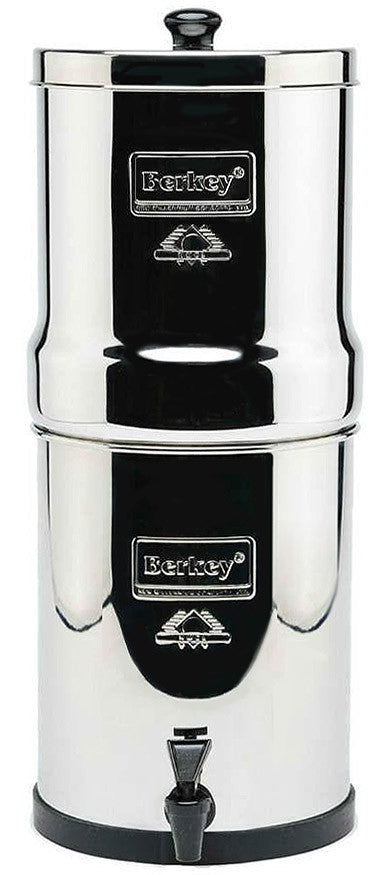
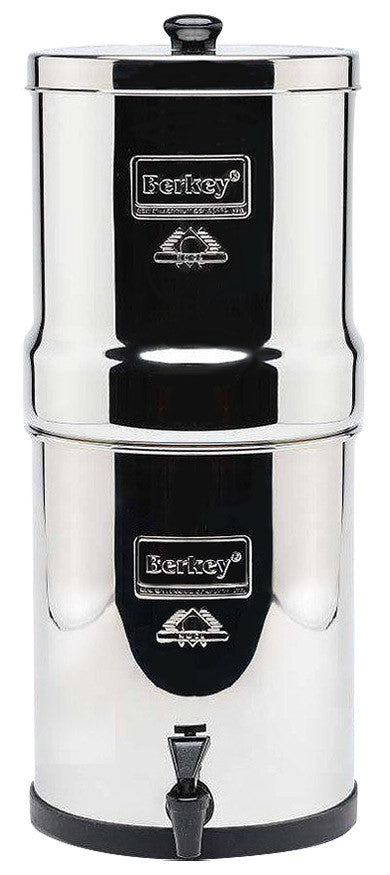
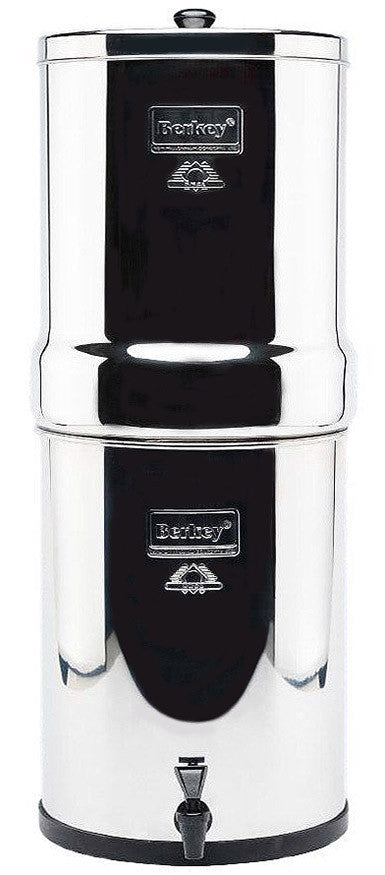
Many households choose countertop gravity-fed filtration systems to improve taste, odor, and overall drinking water quality. Depending on the filter elements used, Berkey systems may help address certain organic compounds, including some VOC-related concerns.
For current filter options, review product details for:
- Big Berkey Gravity-Fed Water Filter
- Black Berkey® Elements Replacement Filters
- Phoenix Gravity New Millennium Edition™ Filter Elements
Always compare your water report or lab results with the product’s current performance information and follow filter replacement instructions carefully.
Why Boiling Is Not the Best Solution for VOCs
Boiling water is not generally recommended as a VOC-reduction method. Because VOCs evaporate easily, heating water may release some compounds into indoor air rather than solving the problem.
For VOC concerns, laboratory testing and a filtration method designed for the specific contaminant are better starting points.
How to Know Whether VOCs Are in Your Water
VOCs cannot always be detected by taste, smell, or appearance. If you suspect VOC contamination, consider these steps:
- Review your local annual water quality report.
- Contact your water utility and ask about VOC testing.
- Check whether your area has known fuel leaks, industrial sites, or groundwater contamination.
- If you use a private well, ask a certified laboratory about VOC testing.
- Choose filtration only after identifying the likely contaminants.
Final Thoughts
Volatile organic compounds are common in modern life. They can come from household products, building materials, fuels, industrial processes, and sometimes drinking water sources.
While it is not realistic to avoid every VOC, households can reduce exposure by improving ventilation, choosing lower-emission products, storing chemicals carefully, and testing water when contamination is a concern.
For drinking water, activated carbon filtration is commonly used to address many organic compounds, but filter selection should be based on the specific VOCs identified in your water report or laboratory results.
Understanding where VOCs come from is the first step toward reducing unnecessary exposure and making better decisions about indoor air and household water quality.
← Older Post Newer Post →