```html

Arsenic in Drinking Water: What Homeowners Should Know
Arsenic is a naturally occurring element that can sometimes be found in groundwater and drinking water sources. While arsenic occurs naturally in rocks and soil, elevated concentrations in drinking water can be a concern in certain regions.
Many homeowners first learn about arsenic after reviewing a water quality report, testing a private well, or reading news reports about groundwater contamination. Understanding where arsenic comes from and how it may affect drinking water can help you make informed decisions about water testing and treatment.
This guide explains what arsenic is, how it can enter drinking water, why it matters, how to test for it, and what types of filtration options may help reduce arsenic under the right conditions.
What Is Arsenic?
Arsenic is a naturally occurring element found in the Earth’s crust. Small amounts may be present in rock, soil, air, and water. In drinking water discussions, arsenic is most often associated with groundwater and private wells.
Arsenic can exist in different chemical forms. Inorganic arsenic, commonly associated with groundwater contamination, is generally considered more concerning than the organic forms found in some foods.

How Does Arsenic Get Into Drinking Water?
Arsenic can enter groundwater when water moves through naturally occurring rock formations that contain arsenic-bearing minerals. In some areas, human activities such as mining, industrial operations, and historical pesticide use may also contribute to arsenic contamination.
Private wells may be more vulnerable because they are not monitored by municipal water utilities. If you use a private well, testing is the only reliable way to know whether arsenic is present at elevated levels.
Public water systems are regulated and monitored, but homeowners may still want to review their local Consumer Confidence Report to understand whether arsenic has been detected in their water supply.
Why Is Arsenic in Drinking Water a Concern?
Long-term exposure to elevated arsenic levels in drinking water has been associated with several health concerns. Because arsenic cannot usually be detected by taste, smell, or appearance, testing is especially important in areas where arsenic is known to occur.
Potential concerns associated with long-term exposure may include effects on the skin, circulatory system, nervous system, and other organs. Arsenic exposure has also been studied for its association with certain cancers.
If you believe you may have been exposed to unusually high levels of arsenic or are experiencing symptoms of poisoning, seek medical attention immediately. This article is for general water-quality education and is not a substitute for medical advice.
Where Is Arsenic Found?
Arsenic can be found in many parts of the world, but levels vary widely by region and local geology. Some areas have naturally higher arsenic levels in groundwater than others.
Arsenic may be associated with:
- Groundwater in certain geological regions
- Private wells
- Mining areas
- Industrial activity
- Historical pesticide use
- Some food sources, including rice and seafood
For drinking water, the most useful question is whether arsenic has been detected in your specific water source. Local testing and water quality reports are more useful than general assumptions.
Can You See, Smell, or Taste Arsenic in Water?
No. Arsenic is usually invisible in drinking water and does not typically create an obvious taste or odor. Clear-looking water can still contain dissolved contaminants, including arsenic.
This is why water testing matters. Without testing, homeowners cannot reliably determine whether arsenic is present.
How Do You Test for Arsenic in Drinking Water?
The only reliable way to determine whether arsenic is present in your drinking water is through testing. Homeowners can usually test for arsenic through certified laboratories, local health departments, or state environmental agencies.
If you use a private well, periodic testing should be part of your routine water quality monitoring. Testing may be especially important if your area is known for arsenic in groundwater or if nearby wells have shown elevated levels.
If you receive municipal water, start by reviewing your annual Consumer Confidence Report. You can also contact your local water utility and ask whether arsenic has been detected and at what levels.
Arsenic in Bottled Water
Bottled water is regulated, but arsenic has occasionally been reported in certain bottled water products. For this reason, consumers who rely heavily on bottled water may still want to review product quality information and stay aware of recalls or public notices.
For most households, the more practical long-term approach is to understand the quality of the water they use every day, whether it comes from a public water system, private well, or bottled source.
What Types of Water Filters Reduce Arsenic?
Several water treatment technologies may reduce arsenic under appropriate conditions. The right option depends on the form of arsenic present, the concentration, the water chemistry, the amount of water used, and how the system is maintained.
Common technologies used for arsenic reduction include:
- Reverse osmosis
- Activated alumina
- Ion exchange
- Specialized adsorption media
- Certain multi-stage filtration systems
Not every filter is designed for arsenic reduction. Before choosing a system, review product-specific performance information and compare it with your water test results.
Can Berkey Water Filters Help With Arsenic?
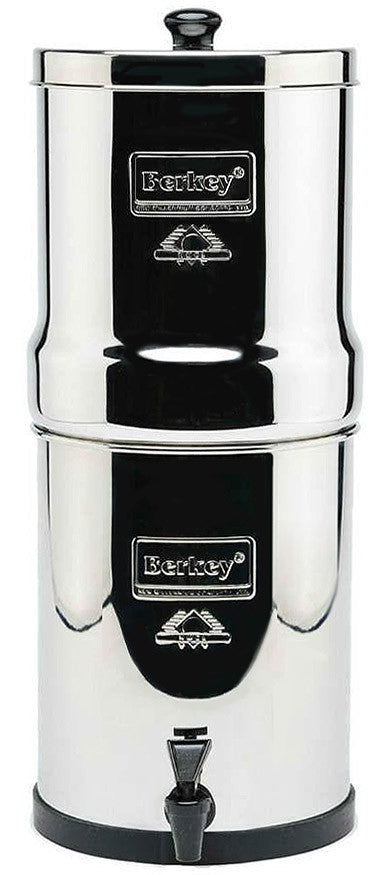
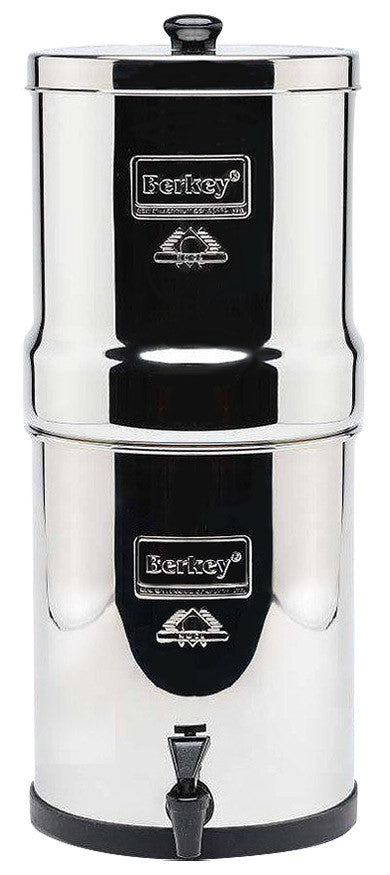
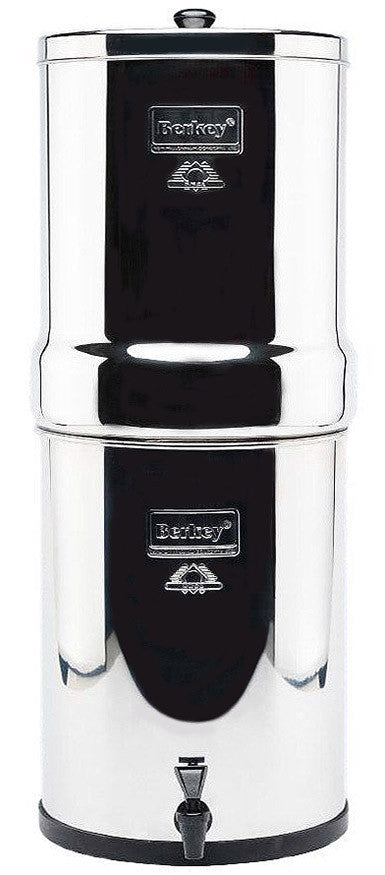
Berkey water filter systems are countertop gravity-fed systems designed for everyday drinking water filtration. They do not require electricity, water pressure, or plumbing, making them convenient for many households.
If arsenic has been identified in your water, review available treatment options and compare independent performance information before selecting a filtration system. Actual performance can depend on water chemistry, contaminant concentration, filter condition, and proper system setup and maintenance.
For households looking for a countertop gravity-fed filtration option, Berkey systems may be considered as part of a broader water-quality plan that starts with testing and proper maintenance.
Shop Berkey Water Filter Systems

What Should You Look for in an Arsenic Water Filter?
When comparing water filters for arsenic, look for clear product information rather than general claims. A good starting point is to match your water test results with the filter’s available performance information.
- Does the product specifically mention arsenic reduction?
- Was the system tested by an independent laboratory?
- Which form of arsenic was tested?
- What were the starting and final concentrations?
- How much water was treated during the test?
- How often must the filter be replaced?
- Does the system fit your household’s daily water use?
Filter maintenance is very important. A system that is not installed, primed, cleaned, or replaced according to instructions may not perform as expected.
Common Arsenic Reduction Technologies Compared
| Treatment Type | Common Benefits | Things to Consider |
| Reverse Osmosis | Often used for reducing many dissolved contaminants | Requires installation, water pressure, maintenance, and membrane replacement |
| Activated Alumina | Commonly used in arsenic treatment applications | Performance depends on pH, water chemistry, and replacement schedule |
| Ion Exchange | Can reduce certain charged contaminants under suitable conditions | Must be matched to water chemistry and maintained correctly |
| Gravity-Fed Filtration | No electricity, water pressure, or plumbing required | Review product-specific arsenic information and maintain filters as directed |
Steps Homeowners Can Take
If you are concerned about arsenic in drinking water, the following steps can help you make a more informed decision:
- Review your local Consumer Confidence Report if you use public water.
- Contact your water utility and ask whether arsenic has been detected.
- Test private well water through a certified laboratory.
- Compare your test results with product-specific filtration data.
- Choose a filtration system appropriate for your water source and household needs.
- Follow the filter replacement and maintenance schedule carefully.
- Retest if you want confirmation for your own water.
Frequently Asked Questions
Can boiling water remove arsenic?
No. Boiling water does not remove arsenic. In some cases, boiling may concentrate dissolved substances because some water evaporates.
Can you taste arsenic in drinking water?
No. Arsenic usually has no noticeable taste, smell, or appearance in drinking water. Testing is the only reliable way to know whether it is present.
Are private wells more likely to contain arsenic?
Some private wells may contain elevated arsenic levels depending on local geology. Unlike public water systems, private wells are not routinely monitored by a utility, so testing is the homeowner’s responsibility.
How often should well water be tested for arsenic?
Testing frequency can vary by location and local guidance. If your area is known for arsenic in groundwater, ask your local health department or state environmental agency how often testing is recommended.
Does a standard pitcher filter remove arsenic?
Not all pitcher filters are designed for arsenic reduction. Always review the product’s performance information to see whether arsenic is specifically addressed.
Should I test after installing a filter?
If arsenic is a confirmed concern in your water, post-filtration testing can help verify how the system performs with your specific water conditions.
Final Thoughts
Arsenic in drinking water is a concern in certain regions, especially where groundwater naturally contains elevated levels of arsenic. Because arsenic is often invisible, odorless, and tasteless, testing is the most important first step.
If arsenic is found in your water, compare treatment options carefully and choose a system that fits your water source, household needs, and maintenance preferences. Reverse osmosis, activated alumina, ion exchange, and certain specialized filtration systems may help reduce arsenic under appropriate conditions.
For households interested in a countertop gravity-fed filtration option, Berkey water filter systems may be worth considering as part of a broader drinking water plan based on testing, product information, and proper filter maintenance.
Shop Berkey Water Filter Systems
← Older Post Newer Post →