Plastic Numbers on Water Bottles: What They Mean and Which Plastics to Use Carefully

Plastic is part of everyday life. It appears in food containers, water bottles, household products, bags, packaging, toys, and many other items. Because plastics are so common, it helps to understand the recycling numbers printed on the bottom of bottles and containers.
These numbers do not automatically tell you whether a plastic is “safe” or “unsafe” in every situation. Instead, they identify the type of plastic resin used. Knowing the difference can help you make better choices for food storage, water bottles, recycling, and everyday household use.
This guide explains plastic recycling numbers 1 through 7, what they commonly mean, how they are used, and how to reduce unnecessary exposure to plastic.
What Do Plastic Recycling Numbers Mean?

The number inside the recycling triangle is called a resin identification code. It tells recyclers and consumers what type of plastic the product is made from.
The number does not guarantee that the item is accepted by your local recycling program. Recycling rules vary by city, county, and waste provider. Always check local guidelines before placing plastic in the recycling bin.
Quick Guide to Plastic Numbers
| Number | Plastic Type | Common Uses | General Notes |
|---|---|---|---|
| #1 | PET or PETE | Single-use water bottles, soda bottles, food containers | Commonly recycled; best for single use |
| #2 | HDPE | Milk jugs, detergent bottles, and some food containers | Widely recycled; generally considered a lower-concern plastic |
| #3 | PVC | Pipes, packaging, shower curtains, some older containers | Avoid food and drink storage when possible |
| #4 | LDPE | Plastic bags, wraps, and squeezable bottles | Flexible; recycling availability varies |
| #5 | PP | Yogurt cups, caps, food containers, medicine bottles | Often used for food containers; recycling availability is improving |
| #6 | PS | Foam cups, takeout containers, packing materials | Avoid hot food and drinks when possible |
| #7 | Other | Mixed plastics, polycarbonate, some reusable bottles | Varies widely; check for BPA-free labeling where relevant |
Plastic #1: PET or PETE
PET, or polyethylene terephthalate, is one of the most common plastics used for disposable water bottles, soda bottles, juice bottles, condiment containers, and many packaged beverages.
PET is lightweight, clear, strong, and widely accepted by recycling programs. It is generally intended for single-use packaging rather than repeated long-term reuse.
Common Uses
- Single-use water bottles
- Soda bottles
- Juice bottles
- Sports drink bottles
- Condiment containers
Practical Tips
- Do not leave PET bottles in hot cars or direct sunlight for long periods.
- Avoid reusing single-use bottles many times.
- Recycle empty PET bottles when your local program accepts them.
Plastic #2: HDPE
HDPE, or high-density polyethylene, is a durable plastic often used for milk jugs, detergent bottles, shampoo bottles, juice containers, and some food packaging.
HDPE is widely recycled and generally considered one of the lower-concern plastics for household use when used as intended.
Common Uses
- Milk jugs
- Juice bottles
- Detergent bottles
- Shampoo bottles
- Some food storage containers
Practical Tips
- Rinse containers before recycling.
- Check local recycling rules for caps and labels.
- Use food-grade HDPE only for food or drink storage.
Plastic #3: PVC
PVC, or polyvinyl chloride, is used in pipes, building materials, shower curtains, some packaging, and certain household products. It is less commonly recommended for food and drink storage.
PVC may contain additives such as plasticizers, depending on the product. For everyday food and water storage, it is usually better to choose other materials.
Common Uses
- Pipes and plumbing materials
- Vinyl flooring
- Shower curtains
- Some packaging
- Wire coatings
Practical Tips
- Avoid using PVC containers for food or beverages.
- Do not heat food in PVC packaging.
- Check local recycling rules, as PVC is not accepted everywhere.
Plastic #4: LDPE
LDPE, or low-density polyethylene, is flexible and often used for bags, wraps, squeezable bottles, and some packaging.
LDPE is generally considered to be of lower concern than some other plastics, but it is not accepted by all curbside recycling programs. Many grocery stores and collection points accept clean plastic bags and film separately.
Common Uses
- Plastic grocery bags
- Bread bags
- Plastic wrap
- Squeezable bottles
- Some flexible packaging
Practical Tips
- Reuse bags when possible.
- Recycle plastic film only through programs that accept it.
- Keep plastic bags out of curbside recycling unless your local program allows them.
Plastic #5: Polypropylene
Polypropylene, or PP, is a common plastic used for food containers, yogurt cups, bottle caps, medicine bottles, straws, and many reusable food storage containers.
PP is more heat-resistant than some other plastics, which is why it is often used for food packaging. Still, glass or stainless steel is usually a better choice for heating food.
Common Uses
- Yogurt containers
- Food storage containers
- Bottle caps
- Medicine bottles
- Takeout containers
Practical Tips
- Even if labeled microwave-safe, avoid overheating plastic when possible.
- Hand-wash reusable plastic containers to extend their life.
- Replace containers that are scratched, cloudy, warped, or stained.
Plastic #6: Polystyrene
Polystyrene, or PS, may be rigid or foamed. It is commonly used for disposable cups, takeout containers, foam trays, egg cartons, and packing materials.
Polystyrene is difficult to recycle in many communities and can break into small pieces that spread easily in the environment. It is best to avoid using it with hot food or beverages.
Common Uses
- Foam cups
- Takeout containers
- Foam food trays
- Egg cartons
- Packing peanuts
Practical Tips
- Avoid hot drinks in foam cups.
- Use reusable containers when possible.
- Check whether specialty recycling programs exist in your area.
Plastic #7: Other Plastics
Plastic #7 is a broad category. It may include polycarbonate, mixed plastics, bioplastics, nylon, acrylic, and other materials that do not fall into numbers 1 through 6.
Because #7 covers many different plastics, it is harder to make a general safety statement. Some older polycarbonate products may contain BPA, while many newer products are labeled BPA-free.
Common Uses
- Some reusable water bottles
- Large water cooler bottles
- Some food storage containers
- Mixed-plastic products
- Some bioplastics
Practical Tips
- Check whether the product is labeled BPA-free if that is a concern.
- Avoid heating #7 plastic unless the product instructions clearly allow it.
- Use glass or stainless steel for long-term water storage when possible.
Which Plastic Numbers Are Better for Water Bottles?
For single-use bottled water, #1 PET is common. It is lightweight and widely recycled, but not ideal for repeated long-term use.
For reusable bottles, many people prefer stainless steel, glass, or clearly labeled BPA-free reusable plastic. If choosing plastic, #2 HDPE and #5 PP are often considered lower-concern options when used as intended.
Try to avoid using plastic bottles that are scratched, worn, heated, or exposed to sunlight for long periods.
How to Use Plastic More Safely

- Do not microwave food in plastic unless the container is specifically labeled for that use.
- Avoid putting very hot liquids into plastic bottles.
- Do not leave plastic water bottles in a hot car.
- Replace scratched, cloudy, or damaged plastic containers.
- Use glass, stainless steel, or ceramic for hot foods and drinks.
- Choose reusable bottles when practical.
- Recycle according to local rules.
Plastic Bottles and the Environment
Plastic bottles are convenient, but they also create waste. Many bottles are not recycled properly, and some end up in landfills, waterways, or natural environments.
Simple ways to reduce plastic waste include:
- Using a reusable water bottle
- Refilling with filtered water at home
- Buying fewer single-use bottles
- Choosing larger containers instead of many small bottles when appropriate
- Recycling correctly
- Avoiding plastic bags and film in curbside recycling unless accepted locally
Filtered Water as an Alternative to Bottled Water
Many households use home filtration to reduce reliance on bottled water. A countertop gravity-fed filtration system can make drinking water more convenient without single-use plastic bottles.
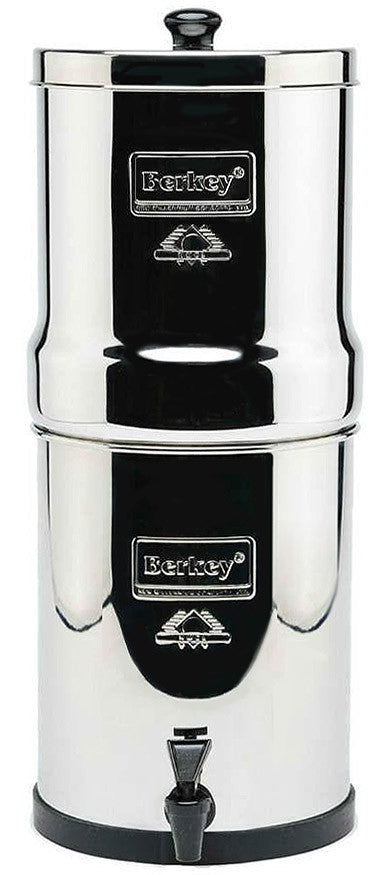
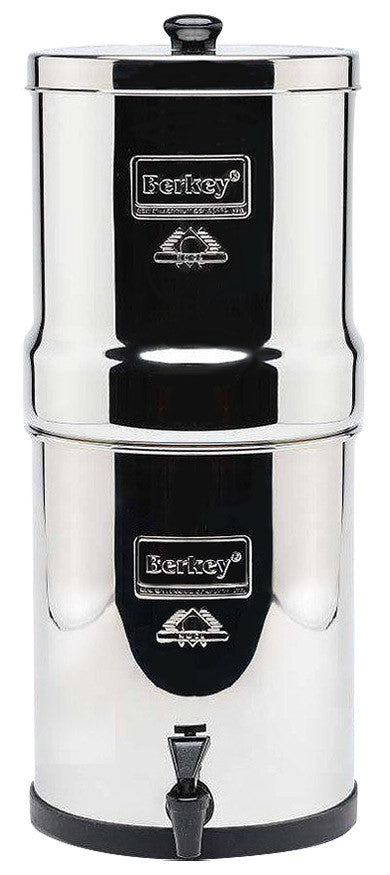
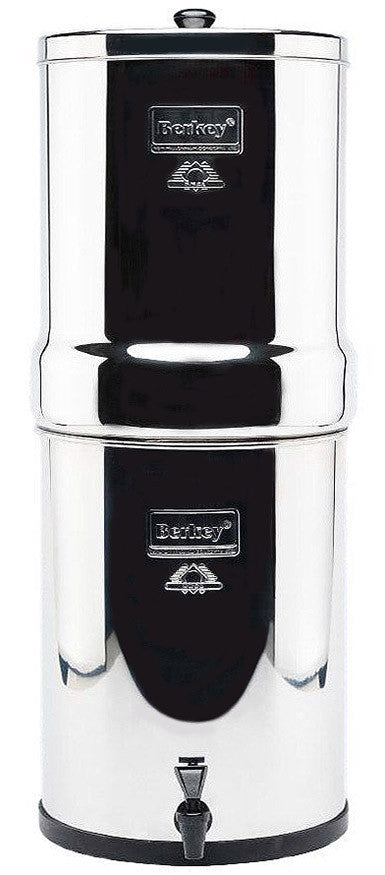
Berkey water filter systems are designed for everyday household drinking water use and do not require electricity or permanent plumbing installation. Big Berkey Water Filter System is one of our popular systems.
For current Berkey replacement filter options, review:
Always review current product details, compatibility, and performance information before choosing replacement elements.
Best Everyday Alternatives to Plastic Water Bottles
- Stainless steel bottles: durable, reusable, and travel-friendly.
- Glass bottles: Good taste and easy cleaning, but heavier and breakable.
- Ceramic mugs: Useful for hot beverages at home or work.
- Filtered water pitchers or countertop systems: Help reduce bottled water use at home.
Final Thoughts
Plastic recycling numbers help identify what type of plastic a bottle or container is made from. They can guide safer use, better recycling habits, and smarter purchasing decisions.
For water bottles, #1 PET is common for single-use bottles, while reusable stainless steel, glass, #2 HDPE, or #5 PP may be better choices depending on the situation. Avoid heating plastic, reusing damaged containers, or leaving bottles in hot environments.
The most practical goal is not perfection. It is to reduce unnecessary plastic use, recycle correctly, and choose durable, reusable options whenever possible.
← Older Post Newer Post →