
What Is the pH Level of Water? Tap, Pure, and Filtered Drinking Water Explained
The pH of water indicates whether it is acidic, neutral, or alkaline. It is measured on a scale from 0 to 14. A pH of 7 is neutral. A pH below 7 is acidic. A pH above 7 is alkaline, also called basic.
For drinking water, pH is usually more important for taste, plumbing, corrosion, and water treatment than for direct health effects. The World Health Organization notes that pH usually has no direct impact on water consumers, but it is an important operational water-quality parameter. :contentReference[oaicite:2]{index=2}
This guide explains what pH means, the typical pH of tap, pure, and filtered water, and how pH relates to alkalinity, plumbing, and home water filtration.
What is pH?
pH measures how acidic or alkaline a water-based solution is. The scale runs from 0 to 14:
- 0 to 6.9: Acidic
- 7: Neutral
- 7.1 to 14: Alkaline or basic
The pH scale is logarithmic. That means each whole number represents a tenfold change. Water with a pH of 6 is ten times more acidic than water with a pH of 7.
What Is the Recommended pH for Drinking Water?
The EPA’s recommended secondary standard for drinking water pH is 6.5 to 8.5. Secondary standards are not primary health-based limits. They are mainly used for taste, odor, color, corrosion, deposits, and other aesthetic or household effects.
Water with low pH may taste bitter or metallic and may be more corrosive to plumbing. Water with high pH may feel slippery, taste like baking soda, or leave deposits on fixtures.
Common pH Levels of Different Waters
| Type of Water | Typical pH Range | Notes |
| Tap Water | Usually around 6.5 to 8.5 | Can vary by water source, treatment, and plumbing |
| Pure Water | Theoretically 7 | Pure water can absorb carbon dioxide from the air and become slightly acidic |
| Distilled Water | Often slightly below 7 | Low mineral content and air exposure can affect pH |
| Filtered Water | Varies | Depends on source water and filter type |
| Alkaline Bottled Water | Often around 8 to 9+ | Check the label and avoid assuming higher pH means better water |
What Is the pH of Tap Water?
Tap water pH varies by location. Many public water systems aim to keep pH within the EPA’s recommended range of 6.5 to 8.5 because pH can affect corrosion, scaling, taste, and disinfection.
If your tap water tastes metallic, bitter, slippery, or unusually soda-like, pH may be one factor to check. However, taste alone cannot confirm pH or water quality. Use a pH test strip, a digital meter, or a laboratory test for a more accurate reading.
What is the pH of Pure Water?
Pure water is often described as having a neutral pH of 7. In real life, pure or distilled water can absorb carbon dioxide from the air, which may make it slightly acidic.
This is one reason pH readings can vary depending on how water is stored, exposed to air, or tested.
What is the pH of Filtered Water?
The pH of filtered water depends on the original water source and the type of filtration used. Some filters have little effect on pH. Others may slightly raise or lower pH depending on the filter media.
For example, a carbon-based filter may improve taste and odor without dramatically changing pH. Reverse osmosis water may have a lower pH because many dissolved minerals are removed. Alkaline filters may raise pH by adding or retaining alkaline minerals.
Does a Water Filter Change pH?
Some filters can change pH, but not all do. A filter’s effect on pH depends on:
- The source water chemistry
- The filter media
- Whether minerals are removed or added
- The water’s alkalinity
- How long does the water contact the media
If pH is important in your specific situation, test before and after filtration rather than guessing.
pH vs. Alkalinity: What Is the Difference?
pH and alkalinity are related, but they are not the same.
pH indicates how acidic or alkaline the water is at the time of testing.
Alkalinity is the water’s ability to resist changes in pH. It is sometimes called buffering capacity.
Water with higher alkalinity can better resist sudden pH swings. Water with low alkalinity can change pH more easily when acids or bases are introduced.
Why pH Matters for Drinking Water
For most drinking water, pH matters mainly because it can affect:
- Taste
- Corrosion of plumbing
- Lead and copper leaching risk from pipes or fixtures
- Scale buildup
- Water treatment performance
- Disinfection efficiency
Low-pH water can be more corrosive and may contribute to metallic taste or plumbing concerns. High-pH water can create scale, a slippery feel, or a baking-soda taste.
Is Alkaline Water Better?
Alkaline water has a higher pH than neutral water. Some brands and wellness trends promote alkaline water with broad health claims, but those claims should be treated carefully.
For most people, regular drinking water that meets quality standards is a practical choice. A higher pH does not automatically mean water is healthier, cleaner, or better for your body.
Your body tightly regulates blood pH through normal biological systems. Drinking water can affect taste and hydration habits, but it does not simply “change your body’s pH” in the way many marketing claims suggest.
Can Water pH Be Too Low?
Water with low pH may taste sour, bitter, or metallic. It may also be more corrosive to pipes and fixtures. In homes with older plumbing, corrosive water may increase the risk of metals entering the water.
If your water pH is below 6.5, consider testing for copper, lead, and other metals associated with plumbing, especially if you use a private well.
Can Water pH Be Too High?
Water with high pH may taste like baking soda, feel slippery, and leave deposits. It may also be related to high alkalinity or hardness.
If your water pH is above 8.5, consider testing for alkalinity, hardness, and total dissolved solids to better understand the cause of the high reading.
How to Test Water pH at Home

You can test pH in several ways:
- pH test strips: Affordable and easy to use, but less precise.
- Digital pH meters: More precise, but they require calibration and care.
- Laboratory testing: Best when pH is part of a larger water-quality concern.
For private wells, a laboratory test is often the best choice because pH can be related to other water chemistry issues, including corrosion, hardness, alkalinity, and metals.
How to Adjust Water pH
If your water pH is outside the recommended range, treatment depends on the cause and the water source.
Neutralizing Filters
Neutralizing filters are often used when the water is too acidic. They usually contain calcite, limestone, or similar media that can raise pH as water passes through.
Soda Ash Injection
Soda ash injection may be used for low-pH water, especially when a neutralizing filter is not the best fit. This is usually a point-of-entry treatment system and should be designed carefully.
Acid Injection
Acid injection may be used when the pH is too high, but it is a more specialized treatment. If high pH is a concern, contact a qualified water treatment professional.
Berkey Water Filters and pH
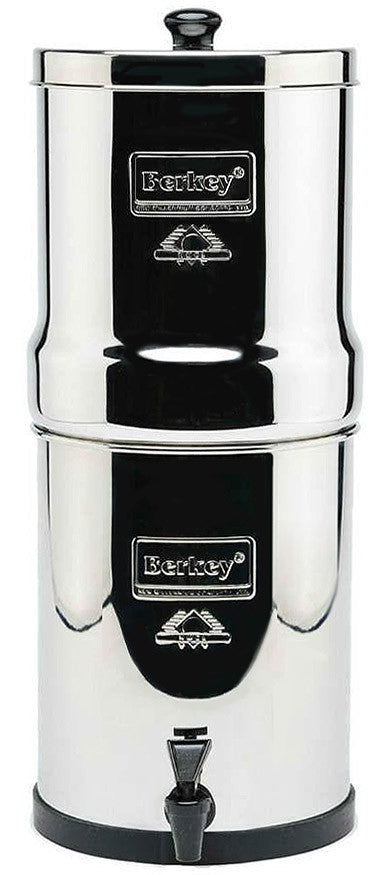
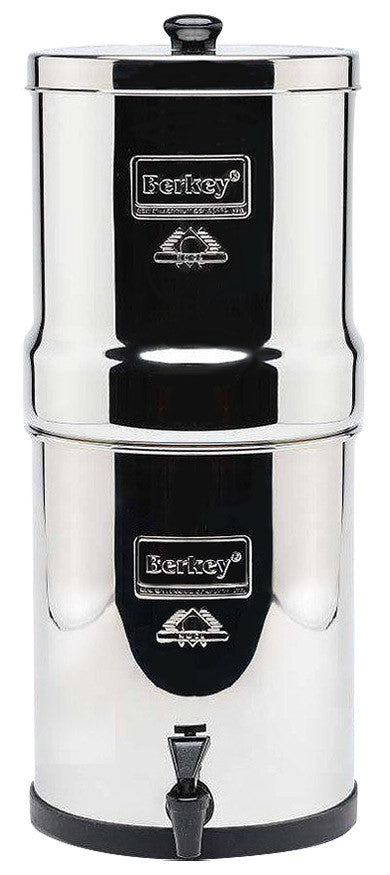
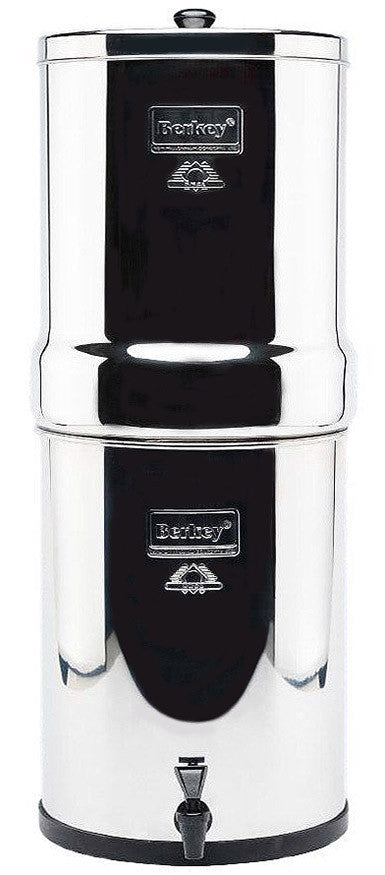
Berkey water filter systems are countertop, gravity-fed systems designed for everyday drinking water filtration. They are not primarily designed as pH adjustment systems.
The pH of water from a Berkey system can vary depending on the starting water and the filter elements used. If your goal is to solve a specific pH problem, test your water first and choose a treatment system designed for that issue.
For many households, Berkey systems are used for everyday drinking water taste, convenience, and filtration without electricity or plumbing.
Shop Berkey Water Filter Systems
Recommended Berkey Systems
Travel Berkey Water Filter
The Travel Berkey is a compact stainless steel system for individuals, couples, RVs, and smaller kitchens.
Big Berkey Water Filter
The Big Berkey is one of the most popular Berkey systems for everyday household drinking water.
Royal Berkey Water Filter
The Royal Berkey offers more capacity for families or homes that use more drinking water each day.

Final Thoughts
The pH of water indicates whether it is acidic, neutral, or alkaline. For drinking water, the EPA’s recommended secondary range is 6.5 to 8.5.
pH is not the same as overall water safety. It does not tell you whether water contains lead, PFAS, pesticides, VOCs, or other specific contaminants. Still, pH is useful because it can affect taste, corrosion in plumbing, scale, and treatment performance.
If you are concerned about your water’s pH, test it first. Then choose a treatment method that matches the actual issue. For everyday drinking water, a well-maintained filter can be a practical way to improve taste and convenience at home.
← Older Post Newer Post →