Why Water Filtration Matters: Understanding How Water Is Treated and Improved

Water is part of nearly every daily routine. We use it for drinking, cooking, preparing food, bathing, cleaning, and caring for our homes. Because water plays such an important role, the quality, taste, odor, and appearance of the water we use every day matter.
Before water reaches a home, it may go through several treatment steps depending on the source, local utility, and regional water-quality concerns. These steps may include screening, sediment removal, filtration, disinfection, and other treatment processes designed to meet public drinking water standards.
This guide explains how water treatment works, why filtration matters, and how different methods can improve the quality and taste of household water.
Why Water Quality Matters
Water can contain naturally occurring minerals, sediment, organic matter, treatment byproducts, metals from plumbing, and other substances that affect taste, odor, and appearance. The exact water profile can vary depending on geography, source water, treatment practices, and home plumbing.
Public water systems in the United States are regulated, but local water quality can still differ from place to place. Private wells require additional attention because homeowners are generally responsible for testing and maintenance.
For many households, water filtration is used to improve taste, reduce odors, address visible sediment, or target specific contaminants identified through a water report or laboratory test.

How Water Is Commonly Treated
Water treatment is not a single process. It usually involves multiple steps that work together to improve clarity, reduce unwanted substances, and support consistent water quality.
Screening and Pre-Filtration
Screening is often one of the first steps in water treatment. It helps remove larger particles, such as debris, leaves, sand, and other visible material, before water moves through additional treatment stages.
This step helps protect later equipment and improves the efficiency of the overall treatment process.
Sedimentation
Sedimentation allows heavier particles to settle at the bottom of a tank or basin. This helps separate suspended solids from the water before further treatment.
In larger treatment systems, sedimentation may be combined with coagulation and flocculation, which help small particles clump together so they can be removed more easily.
Filtration
Filtration helps remove particles and improve water clarity. Different filtration methods are used depending on the type of water system and the water-quality goals.
Common filtration media may include sand, gravel, activated carbon, ceramic materials, or other specialized media. Each type of media is designed for different functions.
Common Water Filtration Methods
Sand Filtration
Sand filtration has been used for many years in municipal and smaller-scale treatment systems. Water passes through layers of sand or similar media, which help capture suspended particles.
Slow sand filtration and rapid sand filtration are two common approaches. Slow sand filtration relies on gradual movement through the media, while rapid sand filtration is often used in larger treatment systems with additional treatment steps.
Activated Carbon Filtration
Activated carbon is widely used to improve the taste and odor of water. It works through adsorption, a process in which certain substances adhere to the surface of the carbon.
Activated carbon is commonly used to help reduce chlorine taste, certain organic compounds, and odors that affect the drinking experience.
Reverse Osmosis
Reverse osmosis systems use a semi-permeable membrane to reduce many dissolved substances. These systems are often installed under a sink and may include pre-filters and post-filters to protect the membrane and improve the final taste.
Reverse osmosis may also reduce beneficial minerals, which is why some systems include a remineralization or post-filtration stage.
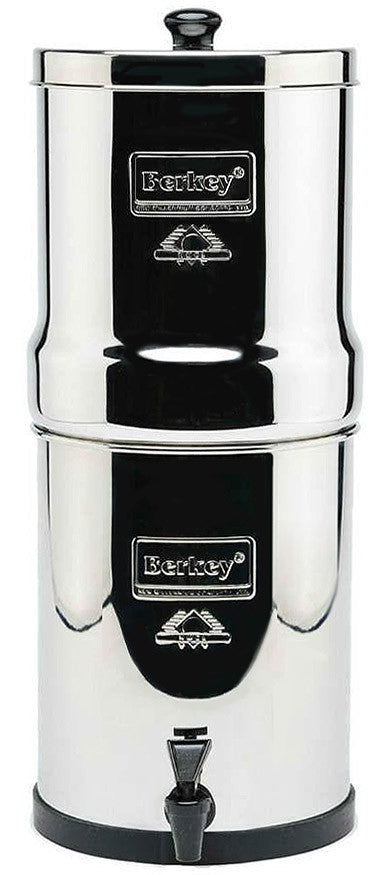
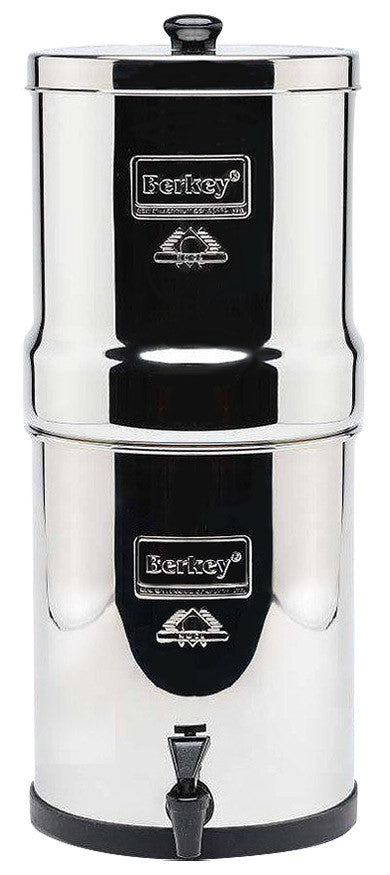
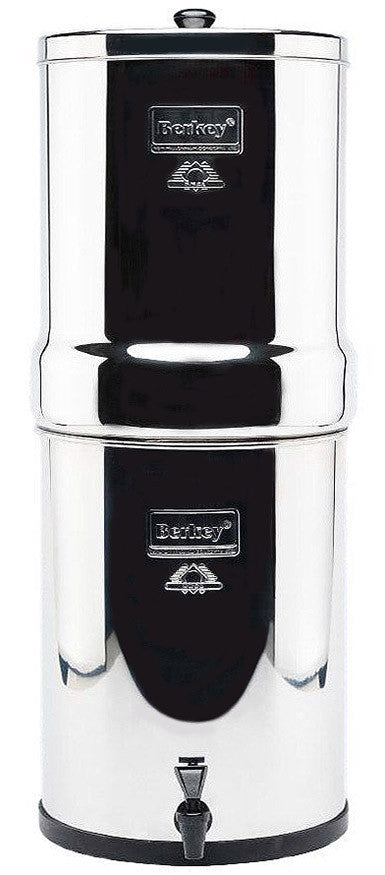
Gravity-Fed Filtration
Gravity-fed filtration systems use gravity rather than electricity or plumbing pressure to move water through filter elements. Many households choose this type of system because it is simple to use and does not require permanent installation.
Depending on the filter elements used, gravity-fed systems may help improve taste, reduce odors, and address certain common water-quality concerns.

Disinfection in Public Water Treatment
Public water systems often use disinfectants such as chlorine or chloramine as part of the treatment process. These disinfectants help maintain water quality as water travels through pipes to homes and businesses.
While disinfection is an important part of public water treatment, some people notice a chlorine-like taste or odor in their tap water. Activated carbon filtration is commonly used to improve this type of taste and smell.
Why Household Filtration Is Common
Even when water meets public drinking water standards, many households still choose filtration for taste, odor, appearance, or specific water-quality concerns.
Common reasons people use home water filters include:
- Reducing chlorine taste or odor
- Improving the flavor of drinking water
- Reducing visible sediment
- Addressing concerns identified in a water report
- Improving the water used for coffee, tea, cooking, and daily hydration
Understanding Your Local Water Quality
The best way to understand your water is to review your local water quality report or have your water tested by a qualified laboratory.
Public water customers can usually access an annual Consumer Confidence Report from their water provider. This report lists detected substances, regulated limits, and other useful information about the water supply.
Private well owners should test their water regularly because well water is not monitored in the same way as public water systems.
Choosing the Right Water Filter
No single filter is the right choice for every home. The best option depends on your water source, water-quality concerns, available space, maintenance preferences, and budget.
Before choosing a filter, consider these questions:
- Are you mainly trying to improve taste and odor?
- Do you have visible sediment or discoloration?
- Are you concerned about a specific contaminant?
- Do you use public water or a private well?
- Do you prefer a countertop, under-sink, whole-house, or gravity-fed system?
If you are concerned about a specific contaminant, choose a filtration option designed and tested for that contaminant.
Filtration and Everyday Water Use
Filtered water can make a noticeable difference in everyday routines. Many people prefer filtered water for drinking, coffee, tea, soups, sauces, ice, and food preparation because taste and odor can affect the final result.
For example, water with a strong chlorine taste may affect the flavor of tea or coffee. Water with visible sediment may also be unpleasant for drinking or cooking. A properly selected filter can help improve these everyday experiences.
Maintenance Matters
Water filters must be maintained to perform properly. Filter elements, cartridges, and other components should be replaced according to product instructions.
Neglecting maintenance can reduce flow rate, affect taste, and limit the filter’s ability to perform as intended.
Good maintenance habits include:
- Replacing filters on schedule
- Cleaning system parts as recommended
- Monitoring water taste, odor, and flow rate
- Using the system only as directed
- Keeping replacement filters available when needed
Conclusion
Water treatment and filtration have developed over many years, from simple sediment removal to advanced household systems. Today, families have many options for improving the taste, odor, and overall drinking experience of their water.
Understanding how water is treated, reviewing local water-quality information, and choosing the right filtration method can help homeowners make informed decisions about the water they use every day.
Whether you are addressing chlorine taste, sediment, odor, or specific concerns found in a water report, the right filtration approach starts with knowing what is in your water and selecting a system designed for your needs.
← Older Post Newer Post →