
9 Common Causes of Water Pollution and Practical Solutions
Water is essential for daily life. We use it for drinking, cooking, cleaning, bathing, farming, manufacturing, and supporting the natural environment around us. When water sources become polluted, the effects can reach people, wildlife, communities, and entire ecosystems.
Water pollution happens when unwanted substances enter rivers, lakes, oceans, groundwater, or other water sources. These substances may come from households, farms, factories, roads, construction sites, wastewater systems, or stormwater runoff.
The good news is that water pollution is not impossible to address. Understanding the main causes is the first step toward reducing pollution and protecting water resources for the future.
What Causes Water Pollution?

Water pollution usually does not come from a single source. In many places, it is the result of many small and large sources adding up over time. Below are nine common causes.
1. Rapid Urban Development
As cities grow, more land is covered by roads, buildings, parking lots, and other hard surfaces. These surfaces prevent rainwater from soaking naturally into the ground.
Instead, stormwater runs across streets and parking areas, carrying oil, fuel residue, brake dust, trash, sediment, lawn chemicals, and other materials into storm drains. In many communities, storm drains lead directly to streams, rivers, lakes, or coastal waters.
Urban development can also disturb soil, increase erosion, and place pressure on older water and wastewater infrastructure.
2. Improper Sewage Disposal
Sewage and wastewater must be properly collected, treated, and managed. When wastewater systems are overloaded, damaged, or poorly maintained, untreated or partially treated waste can reach waterways.
This can affect water quality and create problems for communities downstream. Household habits also matter. Flushing wipes, medications, grease, and other non-flushable items can strain wastewater systems and contribute to pollution.
3. Agricultural Runoff
Farms and gardens can contribute to water pollution when fertilizer, pesticides, animal waste, or loose soil wash into nearby waterways.
Excess nutrients such as nitrogen and phosphorus can encourage algal blooms. When algae grow rapidly and later break down, oxygen levels in the water may fall, creating stressful conditions for aquatic life.
Responsible fertilizer use, soil protection, buffer strips, and careful livestock management can help reduce agricultural runoff.
4. Industrial Discharge
Factories and industrial facilities may use water for processing, cooling, cleaning, or manufacturing. If waste materials are not properly treated and managed, pollutants can enter nearby water sources.
Industrial pollutants may include metals, solvents, oils, acids, and other chemical residues. Strict regulation, treatment systems, monitoring, and responsible waste handling are essential for reducing industrial water pollution.
5. Heavy Metals and Chemical Contamination
Heavy metals such as lead, mercury, cadmium, and arsenic can enter water through industrial activity, mining, older infrastructure, improper waste disposal, or natural deposits in soil and rock.
These substances are concerning because some can accumulate in the environment and move through the food chain. For example, mercury can accumulate in certain fish, which is why fish consumption advisories exist in some areas.
Preventing heavy metal contamination requires careful industrial controls, responsible waste management, infrastructure maintenance, and ongoing water testing.
6. Oil Spills and Petroleum Runoff
Large oil spills can cause serious damage, but smaller everyday sources also matter. Oil and petroleum residue from cars, trucks, boats, driveways, parking lots, and roads can wash into storm drains during rain.
Vehicle maintenance, proper disposal of used oil, quick cleanup of spills, and responsible boating practices can all help reduce petroleum pollution.
7. Plastic Waste
Plastic pollution is one of the most visible forms of water pollution. Plastic bags, bottles, packaging, fishing line, and other debris can travel through storm drains and rivers before reaching lakes or oceans.
Plastic can harm wildlife through entanglement or ingestion. Over time, larger plastic items can break into smaller fragments, making cleanup even more difficult.
Reducing single-use plastic, recycling correctly, reusing items, and keeping litter out of streets and waterways are practical steps everyone can take.
8. Invasive Species
Invasive species can affect water quality and aquatic ecosystems when introduced into places where they do not naturally occur. They may spread through ships, ballast water, boats, fishing gear, or aquarium releases.
Once established, invasive species can crowd out native plants and animals, alter habitats, clog water intakes, and change the balance of an ecosystem.
Cleaning boats and gear, never releasing aquarium plants or animals into waterways, and following local guidance can help reduce the spread of invasive species.
9. Sediment and Thermal Pollution
Sediment pollution occurs when soil, sand, or fine particles enter water in large amounts. This can happen during construction, deforestation, agriculture, streambank erosion, or poorly managed runoff.
Excess sediment can make water cloudy, cover habitats, and affect aquatic life. Construction controls, vegetation buffers, erosion management, and responsible land use can help reduce sediment runoff.
Thermal pollution happens when water temperature changes in a way that disrupts the environment. Heated water from power plants, industrial facilities, or warm urban runoff can raise the temperature of rivers, lakes, or coastal waters. Warmer water often holds less dissolved oxygen, which can stress aquatic life.
Effects of Water Pollution

Effects on Ecosystems
A healthy aquatic ecosystem depends on balance. Plants, fish, insects, birds, and other wildlife are connected through food webs and habitat relationships. When water quality declines, the effects can spread through the entire system.
Water pollution may lead to:
- Reduced oxygen levels
- Algal blooms
- Loss of habitat
- Declining fish populations
- Changes in migration and reproduction patterns
- Plastic ingestion or entanglement
- Accumulation of certain substances in the food chain
Effects on Human Communities
Water pollution can also affect people. Communities depend on water for drinking, farming, recreation, fishing, tourism, and industry. When water sources are polluted, treatment becomes more difficult and expensive.
Pollution can also lead to beach closures, fishing advisories, reduced recreational use, and higher costs for water utilities. In areas with aging infrastructure or private wells, households may need to pay closer attention to local water quality information and testing.
Heavy Metal Concerns
Heavy metals can be especially concerning because some can remain in the environment for a long time. Lead, arsenic, mercury, and cadmium may affect water sources through industrial activity, older pipes, mining, waste sites, or natural geology.
Households concerned about metals in drinking water should review local water quality reports, consider appropriate testing, and choose filtration options based on the specific substances of concern.
Plastic and Marine Debris
Marine debris can harm fish, birds, turtles, and other wildlife. Plastic bags, fishing line, packaging, and small plastic fragments can persist in the environment for years.
Reducing plastic waste at the source is often more effective than trying to remove it after it reaches waterways.
How to Help Prevent Water Pollution
Water pollution can feel overwhelming, but many solutions begin with everyday choices. Households, businesses, farms, communities, and governments all have roles to play.
At Home
- Do not pour oil, grease, paint, or chemicals down the drain.
- Use approved collection programs for hazardous household waste.
- Take unused medications to a drug take-back program when available.
- Pick up pet waste so it does not wash into storm drains.
- Use biodegradable or lower-impact cleaning products when possible.
- Reduce single-use plastic and recycle correctly.
- Fix vehicle leaks promptly.
- Keep leaves, grass clippings, and trash out of storm drains.
In the Yard and Garden
- Use fertilizers and pesticides carefully.
- Avoid applying lawn products before heavy rain.
- Plant trees, shrubs, and native plants to reduce erosion.
- Use mulch to help soil stay in place.
- Create buffer areas near streams, ponds, or drainage paths.
- Consider rain gardens or permeable surfaces to reduce runoff.
In the Community
- Join local cleanup events.
- Report illegal dumping or serious spills to local authorities.
- Support stormwater improvements and green infrastructure.
- Learn where your local drinking water comes from.
- Review your local water quality report.
- Support policies that protect rivers, lakes, wetlands, and groundwater.
At Work or in Business
- Measure waste and identify where it can be reduced.
- Recycle materials when possible.
- Reduce packaging waste.
- Train employees on proper disposal practices.
- Prevent spills and maintain equipment properly.
- Work with certified waste management providers when needed.
Water Conservation and Pollution Prevention Go Together
Using less water can also help reduce pollution. When households and businesses conserve water, they reduce pressure on water treatment systems and wastewater infrastructure.
Simple conservation habits include:
- Turning off the tap while brushing teeth
- Taking shorter showers
- Fixing leaks quickly
- Running full laundry and dishwasher loads
- Installing efficient fixtures
- Watering plants early in the morning or later in the evening
Conservation is not only about saving water. It also helps reduce energy use, lower utility costs, and protect local water sources.
Home Drinking Water and Filtration
Protecting water at the source is essential. At home, many families also choose point-of-use filtration for the water they drink and use for coffee, tea, and cooking.
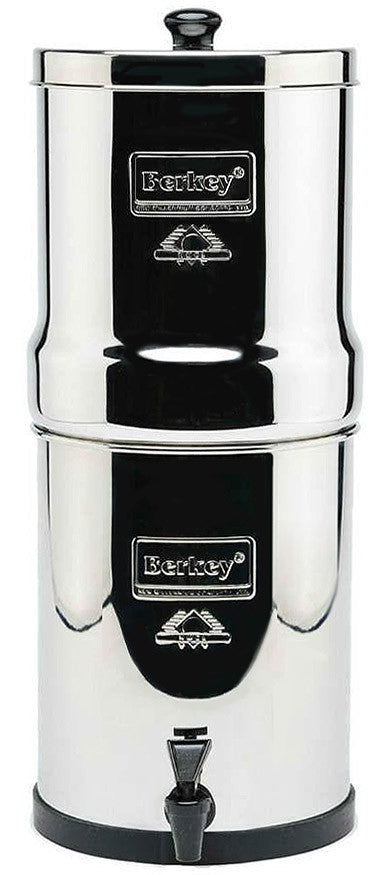
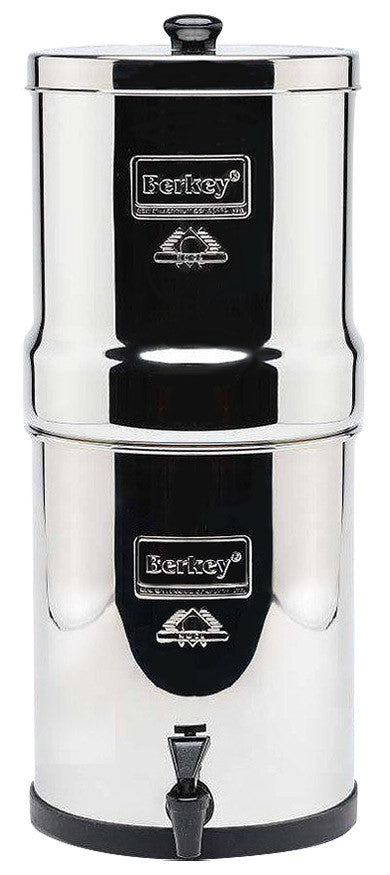
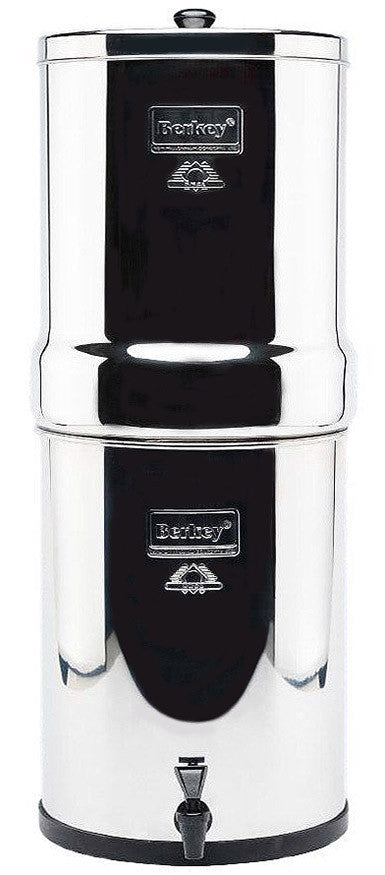
A countertop gravity-fed filtration system can be a practical option for daily drinking water. Berkey water filter systems are designed for everyday countertop use and can help reduce a broad range of unwanted substances from drinking water, depending on the filter elements used.
Popular options include:
- Travel Berkey® Water Filter for smaller households or limited countertop space
- Big Berkey® Water Filter for regular household use
- Royal Berkey® Water Filter for larger daily water needs
- Berkey Fluoride Filters PF-2 for fluoride reduction with compatible systems using Black Berkey® Elements
- Phoenix Gravity New Millennium Edition™ Filter Elements for compatible Berkey systems
Home filtration does not replace the need for clean rivers, strong infrastructure, and responsible pollution prevention. It simply gives households another way to manage the water they use every day.
FAQ: Causes and Solutions of Water Pollution
What is the biggest cause of water pollution?
There is no single cause everywhere. Common major sources include agricultural runoff, untreated or poorly treated wastewater, industrial discharge, urban stormwater runoff, plastic waste, and oil or chemical spills.
How does urban runoff pollute water?
Rainwater can wash oil, fuel residue, trash, fertilizers, pesticides, sediment, and other materials from roads and yards into storm drains. These drains may lead directly to nearby waterways.
How can households reduce water pollution?
Households can reduce pollution by properly disposing of chemicals, avoiding pouring grease down the drain, using fewer harsh lawn products, picking up pet waste, reducing plastic use, fixing car leaks, and keeping trash out of storm drains.
Why are plastics a problem in water?
Plastic can persist for a long time, harm wildlife, break into smaller fragments, and spread widely through rivers and oceans. Reducing plastic at the source is one of the most effective solutions.
Can water pollution be reversed?
Some polluted waterways can recover with strong cleanup efforts, better wastewater treatment, source control, habitat restoration, and long-term monitoring. Prevention is usually easier and less expensive than cleanup.
Conclusion

Water pollution is a serious issue, but it is not beyond our control. Cities, farms, industries, households, and communities all influence the quality of the water around them.
The most effective solutions begin with prevention: reducing waste, managing runoff, properly treating wastewater, limiting plastic pollution, maintaining infrastructure, and making responsible choices at home and at work.
Water connects every part of life. Protecting it today helps support healthier communities, stronger ecosystems, and better water resources for the future.
← Older Post Newer Post →