
Are you concerned about lead in your drinking water? Lead is one of the most important contaminants for homeowners to understand because it can enter tap water through older plumbing, service lines, solder, faucets, and fixtures.
The EPA sets the maximum contaminant level goal for lead in drinking water at zero. This is because lead can be harmful even at low exposure levels and can accumulate in the body over time.
In many cases, water may leave the treatment plant within required standards, but lead can enter the water later as it moves through older pipes or household plumbing. This is why lead can be a concern even in homes connected to a municipal water system.
Why Lead in Drinking Water Matters
Lead exposure is especially concerning for infants, young children, and pregnant women. The CDC states that no safe blood lead level has been identified for young children, and all sources of lead exposure should be controlled where possible.

In children, lead exposure has been associated with learning, attention, behavior, and developmental concerns. In adults, long-term exposure has been associated with increased blood pressure, kidney concerns, and other health effects.
Lead service lines and older plumbing are still present in many parts of the United States. For this reason, homeowners may choose to review local water quality reports, consider lead testing at the tap, and use a drinking water filter that has been tested for lead reduction.
How Does Lead Get Into Drinking Water?
Lead is rarely found naturally in source water. In most cases, contamination occurs after treated water leaves the municipal treatment facility and travels through plumbing systems.
Older homes may contain lead service lines, lead-containing solder, brass fittings, or plumbing fixtures that can release small amounts of lead into water over time. Corrosion can increase the likelihood of lead entering drinking water, particularly when water remains stagnant in pipes for extended periods.
Because lead contamination often occurs within plumbing infrastructure, water quality can vary significantly from one property to another, even when homes are served by the same municipal water system.
How Can You Tell If Your Water Contains Lead?
Lead is usually not visible, smelled, or tasted in drinking water. The only reliable way to determine whether lead is present is through water testing.
Homeowners can request information from their local water utility, use certified laboratory testing services, or purchase water testing kits designed to screen for lead contamination.
Testing may be especially worthwhile if your home was built before the late 1980s or if your area has known lead service lines.
Do Berkey Water Filters Reduce Lead?
Black Berkey® Elements have been independently tested for their ability to reduce lead and other heavy metals. Test results show a lead reduction of greater than 99.9% under the tested conditions.
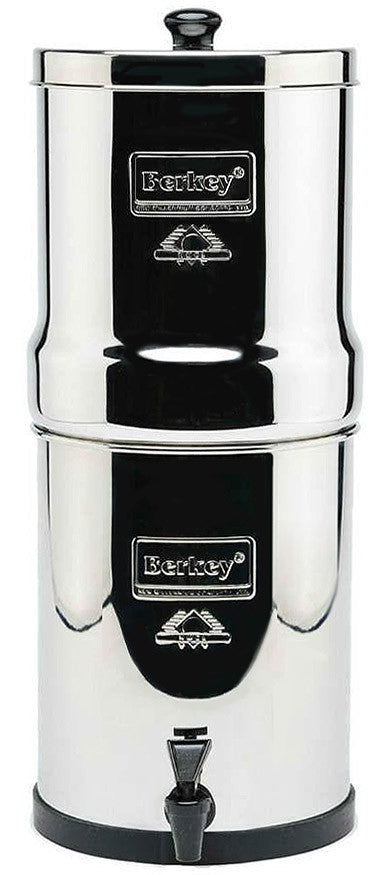
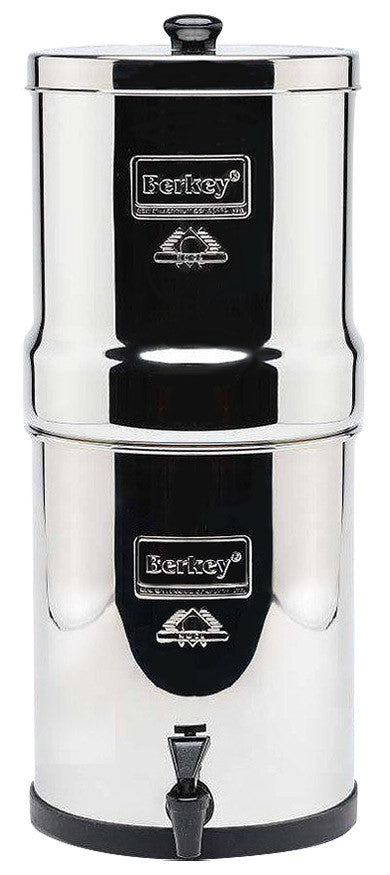
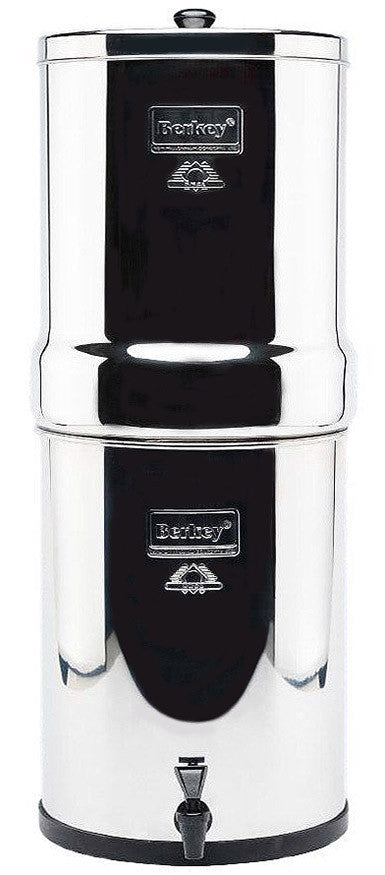
For customers concerned about lead in tap water, a Berkey® system equipped with Black Berkey® Elements can be a practical, gravity-fed countertop filtration option for everyday drinking and cooking water.
Shop the Big Berkey® Water Filter System


In one lead reduction test, the pre-filtered water contained lead at 1 part per million (1 ppm). This is a very high test concentration compared with the EPA lead action level. Under those test conditions, Black Berkey® Elements reduced lead by greater than 99.9%.
As with any filtration product, actual performance can vary depending on water chemistry, contaminant concentration, filter condition, and proper system setup and maintenance.
How Black Berkey® Elements Work
Black Berkey® Elements use a dense filter media structure designed to reduce a broad range of common drinking water contaminants. Water passes through the elements by gravity, which allows extended contact time with the filter media.

The filter media is designed with many tiny pathways that help reduce sediment, cloudiness, taste, odor, and certain tested contaminants. The elements also use adsorption and ion-exchange processes to reduce heavy metals such as lead, mercury, cadmium, chromium, copper, and aluminum under the tested conditions.
Unlike many pressurized filtration systems, Berkey® systems rely on gravity. This slower process gives the water more contact time with the filter media, which is one reason many customers choose Berkey® systems for countertop filtration.
What Should You Do If You Are Concerned About Lead?
If you are concerned about lead in your drinking water, consider these steps:
- Review your local water quality report.
- Check whether your home or neighborhood may have lead service lines.
- Test water from your own tap, especially if your home has older plumbing.
- Use a drinking water filter tested for lead reduction.
- Replace filters on schedule and follow setup instructions carefully.
For everyday drinking water, Berkey® systems equipped with Black Berkey® Elements offer a convenient, gravity-fed countertop filtration option for households concerned about lead and other commonly tested contaminants.
Shop Berkey® Water Filter Systems or view Black Berkey® Replacement Filters.
Which Homes Are Most At Risk?
Certain properties may be at higher risk of lead contamination in drinking water.
- Homes built before 1986
- Properties with older plumbing systems
- Neighborhoods with aging water infrastructure
- Buildings that have experienced plumbing corrosion issues
- Vacant homes where water has remained stagnant for extended periods
If any of these situations apply to your property, periodic water testing may help identify potential concerns.
Lead and Other Heavy Metals in Drinking Water
While lead often receives the most attention, it is not the only heavy metal that can appear in drinking water. Depending on local conditions, homeowners may also encounter contaminants such as mercury, chromium, cadmium, copper, or aluminum.
Many consumers choose filtration systems that have been tested against multiple heavy metals rather than focusing on lead alone.
Frequently Asked Questions
Can boiling water remove lead?
No. Boiling water does not remove lead. In fact, evaporation may increase the concentration of dissolved substances.
Does bottled water contain lead?
Bottled water is regulated differently from municipal water. Quality can vary depending on the source and treatment process.
Can lead affect children more than adults?
Children are generally considered more vulnerable to lead exposure because their bodies and nervous systems are still developing.
Should well owners test for lead?
Private well owners are responsible for monitoring their own water quality and may wish to include lead testing in a comprehensive water analysis.
Final Thoughts
Lead remains one of the most widely discussed drinking water contaminants in the United States because it can enter water through aging plumbing systems and household fixtures. Since lead is typically not detectable by sight, smell, or taste, testing and appropriate filtration are often important considerations for homeowners.
For households seeking a countertop gravity-fed filtration system, Berkey® systems equipped with Black Berkey® Elements have been independently tested for lead reduction and can provide a convenient option for everyday drinking and cooking water.
← Older Post Newer Post →