
How to Remove Iron From Water: The Best Ways to Treat Rusty, Metallic-Tasting Water
Iron is one of the most common water quality concerns for homes that use private wells. If your water has a rusty color, metallic taste, orange stains, brown sediment, or reddish buildup in sinks and toilets, iron may be part of the problem.
The best way to remove iron from water depends on the type of iron, the amount present, your water chemistry, and whether the issue is coming from groundwater, plumbing, or the well system itself.
This guide explains how iron enters water, the different types of iron, and the most common treatment options to reduce iron-related taste, staining, and sediment problems.
Is Iron in Water Dangerous?
Iron is an essential mineral in the human diet, but iron in drinking water is usually treated as an aesthetic water quality issue rather than a primary health concern. The EPA’s secondary standard for iron is 0.3 mg/L. Secondary standards are guidelines for issues such as taste, color, odor, staining, and sediment.
Even when iron is not considered a primary health concern at typical levels, it can still make water unpleasant to use. Iron can stain laundry, discolor fixtures, clog filters, affect appliances, and give water a metallic taste.
Common Signs of Iron in Water
- Metallic taste
- Rusty, yellow, orange, red, or brown water
- Reddish-orange stains in sinks, tubs, toilets, and showers
- Brown or black particles in water
- Stained laundry
- Clogged fixtures or reduced water flow
- Slime or reddish buildup in toilet tanks
These signs can point to iron, but testing is still important. Manganese, sediment, corrosion, low pH, and other water-quality issues can create similar symptoms.
How Does Iron Get Into Water?
Iron can enter water naturally as groundwater moves through soil and rock. It can also come from aging plumbing, corroded well components, steel pipes, or rusting fixtures.
Private wells are especially likely to have iron concerns because well water comes directly from groundwater. Heavy rain, snowmelt, local geology, plumbing materials, and well condition can all affect iron levels.
Test Your Water Before Choosing a Treatment
Before buying an iron filter, test your water. A good water test should help identify:
- Total iron level
- Type of iron present
- Manganese level
- pH
- Hardness
- Total dissolved solids
- Sulfur odor or hydrogen sulfide concerns
- Possible iron bacteria
If you use a private well, ask your local health department, county extension office, or a certified water testing laboratory for guidance. Treatment works best when it is matched to your actual test results.
The Three Main Types of Iron in Water
1. Ferric Iron
Ferric iron is oxidized iron. It is not dissolved in the water, so it often appears as visible rust-colored particles, sediment, or orange-brown water.
Ferric iron is usually easier to remove with sediment filtration, though large amounts may still require a more comprehensive whole-house treatment system.
2. Ferrous Iron
Ferrous iron is dissolved iron. Water with ferrous iron may look clear when it first comes out of the tap. After it sits and reacts with oxygen, it may turn yellow, orange, or brown.
Ferrous iron usually needs to be oxidized before it can be filtered effectively. Common treatment options include oxidation followed by filtration, aeration, catalytic media, or certain water softeners, depending on water conditions.
3. Iron Bacteria
Iron bacteria can create reddish-brown slime, unpleasant odors, and sticky buildup in plumbing, toilet tanks, and well components. This issue often requires professional well evaluation, cleaning, and sometimes shock chlorination.
If you see slime, recurring odors, or heavy buildup, contact a qualified well contractor before relying on a standard filter.
Best Ways to Remove Iron From Water
1. Sediment Filtration
Sediment filters can help capture visible rust particles, sand, dirt, and other suspended material. They are often used as a first stage before other treatment systems.
Sediment filtration may help with ferric iron, but it will not solve dissolved ferrous iron by itself.
2. Oxidation and Filtration
Many iron removal systems work by turning dissolved ferrous iron into solid ferric iron, then filtering out the particles. This is one of the most common approaches for well water with iron.
Oxidation methods may use air, chlorine, ozone, hydrogen peroxide, potassium permanganate, or catalytic media, depending on the system design and water chemistry.
3. Air Injection Systems
Air injection systems introduce oxygen into the water to help oxidize dissolved iron. Once oxidized, the iron can be captured by filter media.
These systems are often used for whole-house treatment and may also help with certain sulfur odor concerns, depending on the setup.
4. Catalytic Media Filters
Catalytic media filters are designed to help oxidize and capture iron, manganese, and sometimes hydrogen sulfide. Common media types include manganese dioxide-based media and other specialized filter media.
These systems must be selected based on pH, iron level, manganese level, flow rate, and other water chemistry factors.
5. Water Softeners
A water softener can sometimes help with low levels of dissolved ferrous iron, especially when hardness is also present. However, softeners are not the best choice for all iron problems.
If iron levels are high or if the water contains ferric iron or iron bacteria, a softener may clog, foul, or perform poorly. In many cases, iron should be treated before the water reaches the softener.
6. Shock Chlorination
Shock chlorination is often used when a well has bacterial contamination or shows symptoms of iron bacteria. It involves disinfecting the well and plumbing system with chlorine under controlled conditions.
This process should be done carefully and may be best handled by a qualified well contractor, especially if the well has recurring problems, flood exposure, or heavy slime buildup.
7. Phosphate Treatment
Phosphate treatment may be used in some water systems to help keep iron in suspension and reduce staining. It does not truly remove iron from the water. Instead, it helps control certain iron-related effects.
This approach may not be ideal for every home and should be discussed with a water treatment professional.
8. Dedicated Iron Removal Filters
Dedicated iron removal filters are designed specifically for iron problems. Many of them combine oxidation and filtration in one system.
These systems are often installed on the main water line, treating water before it reaches plumbing, fixtures, appliances, and drinking water filters.
Which Iron Treatment Is Best?
The best treatment depends on your test results.
| Water Problem | Possible Treatment |
| Visible rust particles or sediment | Sediment filter or iron removal filter |
| Clear water that turns orange after standing | Oxidation followed by filtration |
| Iron plus hardness | Water softener for low dissolved iron, or iron pre-treatment before softening |
| Reddish slime or recurring odor | Well inspection, cleaning, and possible shock chlorination |
| Heavy staining throughout the home | Whole-house iron removal system based on water test results |
Can a Countertop Water Filter Help With Iron?
A countertop drinking water filter may help improve the taste, clarity, and everyday drinking quality of water after the main iron issue is understood. However, heavy iron problems are often better treated before the water reaches the kitchen counter.
If your water has strong orange staining, heavy sediment, slime, or filters that clog quickly, start with whole-house or well-specific treatment. Then use a drinking water filter for your final point-of-use water routine.
Where Berkey Fits In
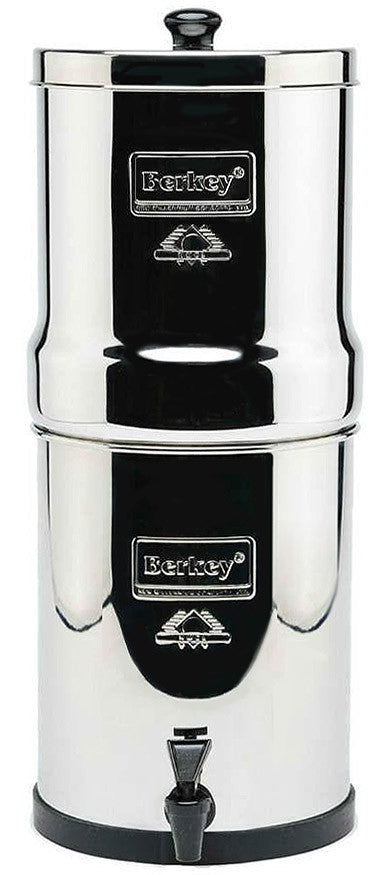
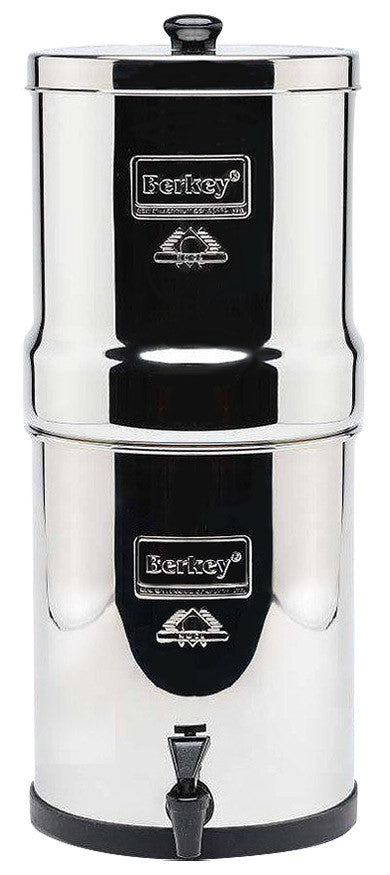
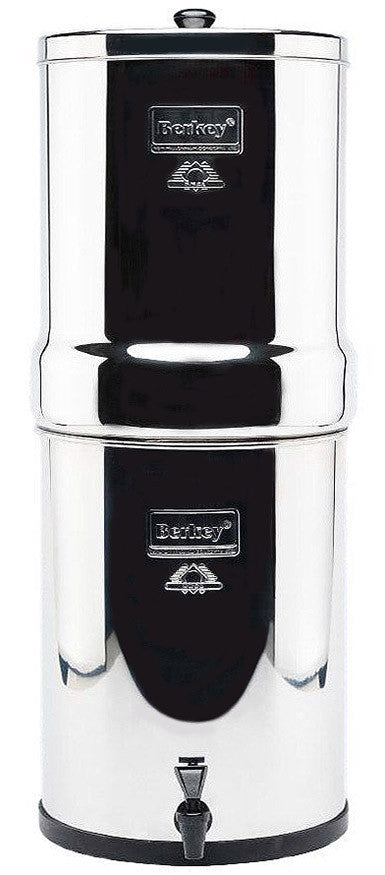
Berkey water filter systems are gravity-fed countertop systems that do not require electricity or plumbing. They are popular for everyday drinking water filtration because they are simple to use and easy to place in many kitchens.
If your concern is mild iron-related taste, sediment, or water appearance, a Berkey system may be a helpful drinking water option when used according to product instructions. For high iron levels, iron bacteria, or whole-house staining, test your water first and consider a dedicated iron treatment system before relying on any countertop filter.
Shop Berkey Water Filter Systems
Recommended Berkey Systems
Travel Berkey Water Filter
The Travel Berkey is a compact stainless steel system for individuals, couples, RVs, and smaller kitchens.
Big Berkey Water Filter
The Big Berkey is one of the most popular Berkey systems for everyday household drinking water.
Royal Berkey Water Filter
The Royal Berkey offers more capacity for larger families or homes that use more drinking water each day.

How to Prevent Iron Problems From Getting Worse
- Test private well water regularly.
- Inspect the well cap, casing, and visible components.
- Check plumbing for corrosion.
- Replace aging iron or steel pipes if needed.
- Clean toilet tanks and fixtures where iron buildup appears.
- Service water treatment equipment on schedule.
- Do not ignore reddish slime or sudden changes in the water's appearance.
Final Thoughts
Iron in water can create a rusty color, a metallic taste, sediment, and stubborn orange stains. While iron is usually treated as an aesthetic water quality issue, it can still cause real frustration around the home.
The best way to remove iron from water is to test first. Once you know whether the iron is ferric, ferrous, or related to iron bacteria, you can choose the right treatment method.
For light drinking water concerns, a gravity-fed countertop filter, such as a Berkey system, may be a convenient option. For high iron levels, heavy staining, slime, or recurring well problems, consider a dedicated iron treatment system selected from your water test results.
← Older Post Newer Post →