Is Your Tap Water Safe to Drink? How to Understand Water Quality Without a Lab Report
Tap water is easy to take for granted. You turn on the faucet, fill a glass, and assume the water is clean because it comes from a regulated public system.
In many U.S. communities, public tap water is treated and monitored under federal and state drinking water rules. Still, water quality can vary from place to place. Local source water, treatment methods, old service lines, home plumbing, nearby industry, agriculture, and temporary advisories can all affect what reaches your faucet.
You do not always need a laboratory report to start learning about your water. Public water reports, utility notices, state databases, and local testing programs can help you understand possible concerns and decide whether a home water filter makes sense for your household.

Why Tap Water Can Seem Safe but Still Deserves a Closer Look
Public water systems are regulated, but “regulated” does not mean every possible substance is removed from every water supply. Some contaminants are regulated by enforceable standards. Others may be monitored, studied, or addressed differently depending on the state and local water system.
Also, water quality can change after treatment. For example, water may leave the treatment plant within standards but pick up metals from older pipes, service lines, solder, or fixtures before it reaches your glass.
That is why the best approach is not to panic. It is awareness. Learn what is in your local water, pay attention to official notices, and choose filtration based on your actual concerns.
Common Tap Water Concerns
1. Lead
Lead usually enters drinking water through old service lines, household plumbing, solder, brass fixtures, or corrosion. Homes built before modern lead-free plumbing rules may have a higher risk.
Lead is especially important for infants, children, and pregnant women. If lead is a concern in your area or your home has older plumbing, review your local water report and consider testing your tap water directly.
Helpful habit: Use cold water for drinking and cooking, flush taps after long periods of non-use, and use a filter tested or certified for lead reduction when appropriate.
2. Chlorine and Chloramine
Many public water systems use chlorine or chloramine to disinfect drinking water. These disinfectants help protect water as it travels through pipes.
Some people dislike the taste or smell. In certain situations, disinfectants can also react with natural organic matter, forming disinfection byproducts. Your local water report may list disinfectant levels and byproducts if they are monitored in your system.
Helpful habit: If taste and odor are your main concern, a carbon-based drinking water filter may help. If your utility uses chloramine, choose a filter designed for chloramine reduction.
3. Nitrates
Nitrates can come from fertilizer, manure, septic systems, and agricultural runoff. They are especially important for private wells and rural areas near farms.
Households with infants, pregnant women, or private wells should take nitrate testing seriously. Private well owners are usually responsible for their own testing.
4. PFAS
PFAS are a large group of man-made chemicals sometimes called “forever chemicals.” They may be associated with industrial sites, firefighting foam, airports, military bases, landfills, and certain manufacturing processes.
PFAS concerns vary widely by location. Check your water utility, state environmental agency, or local health department to see whether PFAS testing has been done in your area.
5. Arsenic
Arsenic can occur naturally in groundwater in some regions. It can also be related to certain industrial or agricultural activities. Private well users in affected areas should ask a certified laboratory or local health department whether arsenic testing is recommended.
6. Hardness, Iron, and Sediment
Hardness minerals, iron, manganese, rust, or sediment may affect taste, staining, fixtures, and appliances. These concerns are often more noticeable than many health-related contaminants because they can create color, particles, scale, or metallic taste.
How Contaminants Can Enter Tap Water
Before Treatment
Source water can be affected before it reaches a treatment plant. Common sources include:
- Industrial discharge
- Agricultural runoff
- Septic system leaks
- Stormwater runoff
- Naturally occurring minerals or metals
- Landfills or waste sites
After Treatment
Water can also be affected after treatment as it moves through the distribution system and into your home. Possible issues include:
- Older lead service lines
- Corroded plumbing
- Old fixtures or solder
- Water main breaks
- Loss of pressure
- Building plumbing issues

Legal Limits vs. Personal Water Quality Goals
Public water systems must meet legal drinking water standards. These standards are important, but they do not imply that every customer will have the same preferences or the same level of concern.
Some households mainly want better taste. Others are concerned about older plumbing. Others may live near agriculture, industry, or known PFAS testing areas.
Instead of assuming your water is either “perfect” or “unsafe,” look at the details. Your local report can tell you what was detected, how levels compare to standards, and whether any violations occurred.
How to Research Your Local Tap Water Without a Lab Report
1. Read Your Consumer Confidence Report
If you use a public water system, your water utility should provide an annual Consumer Confidence Report, often called a CCR or water quality report.
This report usually includes:
- Your water source
- Detected regulated contaminants
- How levels compare with legal limits
- Any violations
- Required health information
- Contact information for your utility
Search your utility’s website for “water quality report” or “CCR.” If you cannot find it, call your water provider and ask for the latest report.
2. Check Current Water Advisories
Look for boil water notices, do-not-drink notices, water main break alerts, or treatment updates from your city, county, or water utility.
If an advisory is active, follow official instructions. Do not rely on a home filter to override a public health notice unless officials specifically say it is appropriate.
3. Use State Water Quality Resources
Many state environmental agencies publish additional water quality data, especially for emerging contaminants, private wells, PFAS, drought conditions, or local contamination concerns.
4. Review EPA Public Water System Information
EPA public water system resources can help you check violations, enforcement actions, and compliance history for many public water systems.
5. Search Local News and Public Records
Local newspapers and community groups often report on water main breaks, lead service line replacement, PFAS testing, drought issues, and local water infrastructure projects.
6. Ask About Building Plumbing
If you live in an older home, apartment, school, or office building, the building’s plumbing may matter as much as the utility report. Water can meet utility-level standards yet still be affected by old pipes or fixtures inside the building.
When You Should Consider Water Testing
Public reports are useful, but they may not tell you what is happening inside your own home. Consider direct testing if:
- Your home has old plumbing or possibly lead service lines.
- Your water suddenly changes color, taste, or smell.
- You use a private well.
- You live near agriculture, industry, mining, airports, military sites, or landfills.
- You have infants, pregnant women, or medically vulnerable people in the home.
- You want to confirm the presence of a specific contaminant before buying a filter.
Why TDS Meters Can Be Misleading
Total dissolved solids, or TDS, measures the amount of dissolved minerals, salts, metals, and ions in water. A TDS meter can be useful for certain systems, especially reverse osmosis, but it does not measure overall safety.
A low TDS reading does not prove water is free from contaminants. A higher TDS reading does not automatically mean water is unsafe. Minerals such as calcium and magnesium can raise TDS, while some substances of concern may have little effect on a TDS reading.
Use TDS as one clue, not as a complete water quality test.
What to Look for in a Reliable Water Filter

1. Match the Filter to Your Water Concern
Not all filters reduce the same substances. Some are designed mainly for taste and odor. Others are designed for lead, PFAS, VOCs, sediment, chlorine, chloramine, or other specific concerns.
Choose a filter based on your local report, test results, and household needs.
2. Review Product Performance Information
Look for clear product information, third-party testing, certifications, or performance data. Avoid vague claims that do not explain what the filter is designed to reduce.
3. Check Filter Life and Replacement Cost
A filter only works as intended when maintained properly. Check the replacement schedule, gallon capacity, and cost of replacement elements before buying.
4. Consider Daily Use
A filter should fit your routine. Consider countertop space, household size, refill frequency, flow rate, installation needs, and whether you rent or own your home.
Where Berkey Fits Into Everyday Water Filtration
Berkey water filter systems are countertop, gravity-fed systems. They do not require electricity, plumbing, or water pressure, which makes them practical for many homes, apartments, RVs, and offices.
For households that want a simple, everyday drinking water filter, a Berkey can be a convenient option when used according to the product instructions and properly maintained.
As with any water filter, compare your water concerns with the product’s current performance information before choosing a system.
Shop Berkey Water Filter Systems
Recommended Berkey Systems
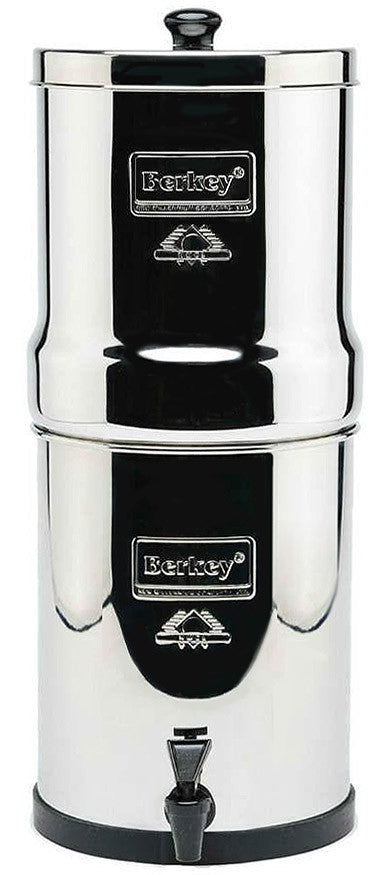
Travel Berkey Water Filter
The Travel Berkey is compact and well-suited for individuals, couples, RVs, apartments, and smaller kitchens.
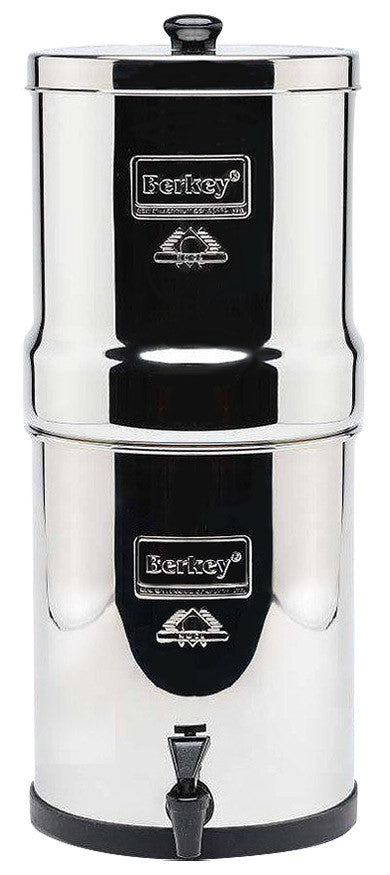
Big Berkey Water Filter
The Big Berkey is one of the most popular Berkey systems for everyday household drinking water.
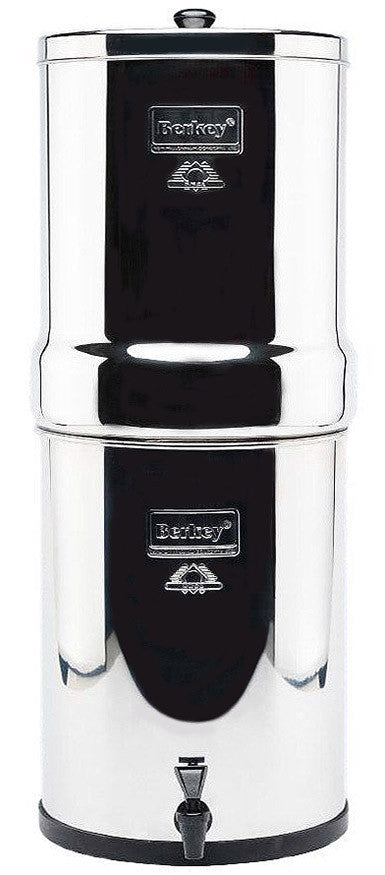
Royal Berkey Water Filter
The Royal Berkey offers more capacity for families or households that use more drinking water each day.

Simple Steps Families Can Take
- Read your local water quality report once a year.
- Check current water advisories after storms, main breaks, or service issues.
- Use cold water for drinking and cooking.
- Flush the tap after long periods of non-use.
- Test for lead if your home has older plumbing.
- Test private well water regularly.
- Use a filter that matches your specific water concerns.
- Replace filters on schedule.
- Store filtered water in clean containers.
Areas That May Deserve Extra Attention
Some homes and communities may have greater water-quality concerns because of local conditions. These can include:
- Older cities with legacy lead service lines
- Rural agricultural areas with nitrate concerns
- Industrial regions with chemical or PFAS testing concerns
- Private wells near septic systems or farms
- Drought-prone areas where water sources may change
- Buildings with aging internal plumbing
If you live in one of these areas, use local reports and targeted testing rather than guessing.
Final Thoughts

Tap water in the United States is often regulated and commonly safe, but water quality is still local. Your source water, utility, service lines, home plumbing, and neighborhood conditions all matter.
You do not need to become a water expert to make better decisions. Start with your water quality report. Watch for advisories. Test when your home or water source calls for it. Then choose a filter based on real concerns, not fear or guesswork.
A good water filter can be a practical part of your household routine, especially for taste, convenience, and added confidence. The best choice is the one that matches your water, your home, and your maintenance habits.
← Older Post Newer Post →