Chlorine in Drinking Water: Why It Is Used and How to Improve Taste and Odor

Chlorine is one of the most widely used disinfectants in public drinking water treatment. Municipal water systems use chlorine to help maintain water quality as treated water travels through pipes to homes and businesses.
While chlorination plays an important role in public water treatment, many people notice a chlorine-like taste or smell in tap water. Some households also want to better understand chlorine, chloramine, and disinfection byproducts such as trihalomethanes and haloacetic acids.
This guide explains why chlorine is used, what levels are regulated, why taste and odor issues occur, and how home filtration may help improve drinking water quality.
Why Is Chlorine Added to Drinking Water?
Chlorine has been used in U.S. drinking water treatment for more than a century. Its main purpose is to help control biological growth in public water systems and maintain water quality through the distribution network.
Before widespread disinfection, water-related illness outbreaks were a major public health concern. Chlorination became common because it gave water utilities an effective way to treat large volumes of water and maintain a disinfectant residual as water moved through pipes.
Today, water utilities carefully manage chlorine levels to balance treatment needs, taste and odor concerns, and regulatory requirements.
Chlorine vs. Chloramine
Some public water systems use chlorine, while others use chloramine, which is formed by combining chlorine with ammonia. Chloramine is often used because it lasts longer in distribution systems.
Both chlorine and chloramine can affect taste and odor. Chloramine may be more difficult to reduce than chlorine using basic filtration, so it is helpful to know which disinfectant your local water provider uses.
How Much Chlorine Is Allowed in Drinking Water?
The U.S. Environmental Protection Agency sets a maximum residual disinfectant level for chlorine in drinking water at 4.0 mg/L. Public water systems monitor disinfectant levels as part of their water-quality responsibilities.
If you are curious about chlorine or chloramine levels in your area, review your annual water quality report or contact your local water utility.
Why Does Tap Water Smell Like Chlorine?

A chlorine smell usually means the disinfectant is still present when water reaches your tap. This is expected in many public systems, but the odor may be more noticeable depending on local treatment practices, distance from the treatment plant, water temperature, and seasonal water conditions.
Common signs of chlorine or chloramine include:
- Bleach-like smell
- Swimming-pool-like odor
- Chemical taste
- Sharp or dry aftertaste
What Are Disinfection Byproducts?
Disinfection byproducts can form when disinfectants react with naturally occurring organic matter in source water. Two commonly discussed groups are:
- Trihalomethanes (THMs)
- Haloacetic acids (HAAs)
Public water systems monitor regulated disinfection byproducts and report them in annual water quality reports. Levels may vary by season, source water conditions, and treatment methods.
How to Check Chlorine and Disinfection Byproduct Levels
The best starting point is your local Consumer Confidence Report, also called an annual water quality report. This report usually includes disinfectant residuals and, when applicable, regulated disinfection byproducts.
You can also:
- Ask your water utility whether it uses chlorine or chloramine.
- Review reported levels of THMs and HAAs.
- Use a home chlorine test strip for a basic screening.
- Use a certified laboratory for more detailed water testing.
Can Home Filtration Reduce Chlorine Taste and Odor?
Yes. Activated carbon filtration is commonly used to improve chlorine-related taste and odor. Carbon works through adsorption, in which certain substances attach to the surface of the carbon medium.
Filter performance depends on the type of carbon, contact time, water flow rate, water chemistry, and maintenance schedule.
Filtration Options for Chlorine Concerns
Activated Carbon Filters
Activated carbon is one of the most common filtration methods for reducing chlorine taste and odor. It is used in many countertop, under-sink, pitcher, refrigerator, and whole-house filters.
Carbon Block Filters
Carbon block filters are made from compressed carbon and may provide longer contact time than loose granular carbon, depending on the design. They are commonly used to improve taste and odor.
Whole-House Carbon Systems
Whole-house systems may be considered when chlorine odor is noticeable in multiple areas of the home, including showers, laundry, and sinks. These systems require proper sizing and regular maintenance.
Gravity-Fed Filtration Systems
Gravity-fed systems are a countertop option that uses gravity rather than electricity or plumbing pressure. Depending on the filter elements used, they may help improve chlorine-related taste and odor in drinking water.
Berkey and Chlorine Taste Reduction

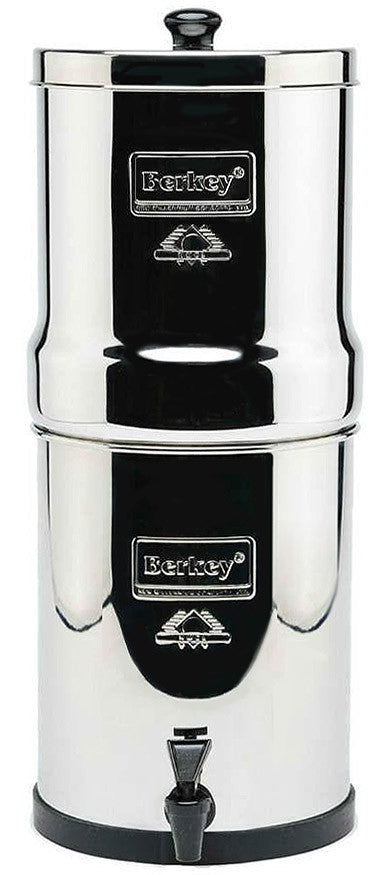
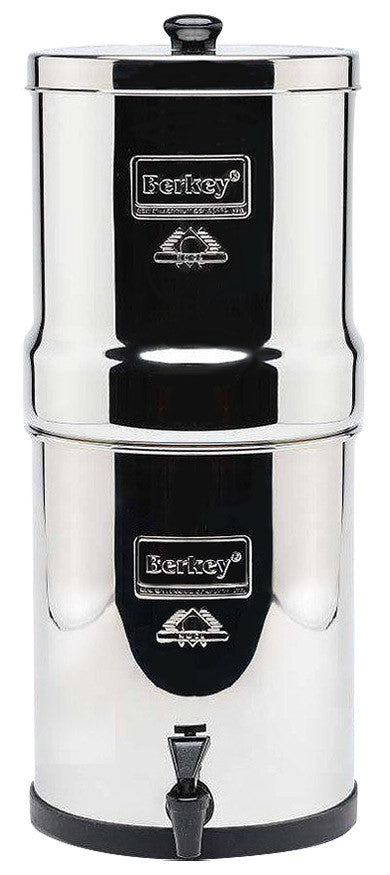
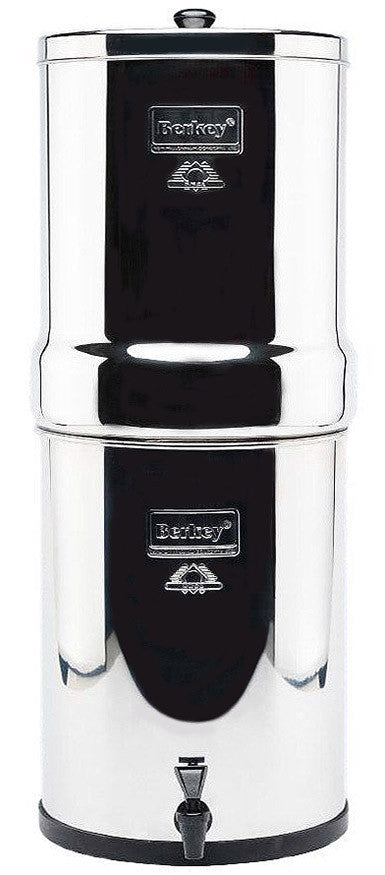
Berkey water filter systems are countertop, gravity-fed filtration systems designed for household drinking water. Many customers choose Berkey systems to improve the taste and odor of tap water, including chlorine-related taste concerns.
For current replacement options, customers may consider:
Always review the current product details, compatibility, and filter performance information before choosing replacement elements.
How to Choose a Filter for Chlorine or Chloramine
Before choosing a filter, identify your main concern. Chlorine, chloramine, THMs, HAAs, taste, odor, and specific contaminants may require different filtration approaches.
Helpful questions include:
- Does your utility use chlorine or chloramine?
- Are you mainly concerned about taste and odor?
- Are THMs or HAAs listed in your water quality report?
- Do you want filtration only for drinking water or for the whole home?
- What filter replacement schedule is required?
- Is the filter tested for the concern you want to address?
Maintenance Is Important
Even a high-quality filter needs proper maintenance. A filter that is used beyond its recommended life may lose performance, reduce flow, or affect taste.
Good maintenance habits include:
- Replacing filter elements on schedule
- Following the priming and installation instructions
- Cleaning system parts as recommended
- Monitoring taste, odor, and flow rate
- Using only compatible replacement elements
Should You Be Concerned About Chlorine in Tap Water?
For most public water systems, chlorine is carefully managed and regulated. However, it can still affect taste and smell. Some households are also interested in reducing disinfectant byproducts or improving the overall drinking experience.
The practical first step is to review your local water quality report. From there, you can decide whether a drinking water filter, a whole-house filter, or additional testing makes sense for your household.
Conclusion
Chlorine plays an important role in public drinking water treatment, but it can also create noticeable taste and odor concerns. Disinfection byproducts such as THMs and HAAs are also important to understand because they are monitored and regulated in public water systems.
If the taste or odor of chlorine bothers you, activated carbon filtration is one of the most common ways to improve the drinking experience. For Berkey customers, current filter-element options should be selected based on system compatibility, product details, and the specific water-quality concerns you want to address.
Start by checking your annual water quality report, then choose a filtration option that matches your household’s needs.
Also read: Understanding Tap Water in the U.S.
← Older Post Newer Post →