What Is Thermal Pollution?
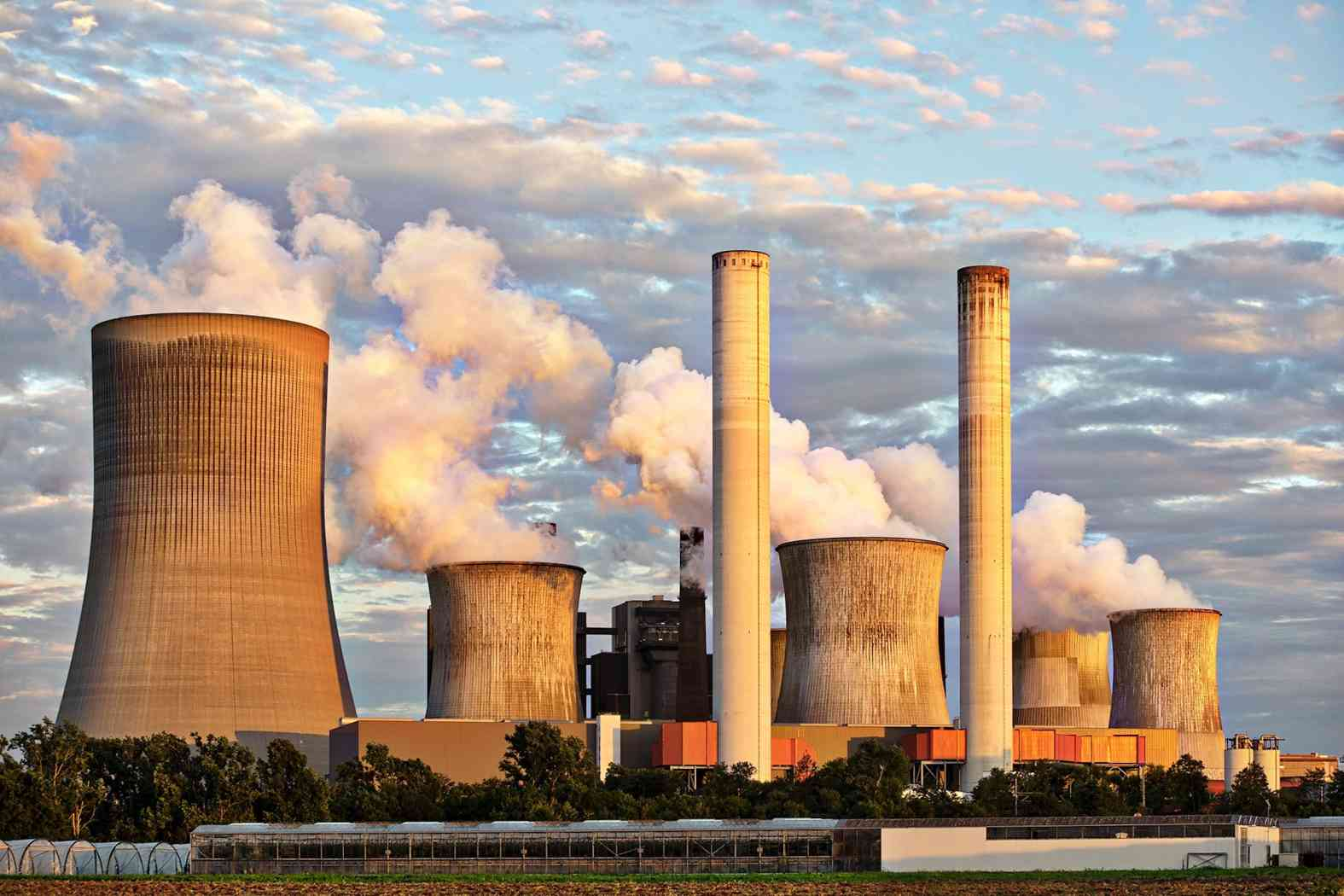
Thermal pollution happens when human activity changes the temperature of a natural body of water in a way that disrupts the local environment. It is most often associated with heated water discharged from power plants, industrial facilities, desalination plants, and other operations that use water for cooling.
Water temperature may sound like a small detail, but it plays a major role in aquatic ecosystems. Fish, insects, plants, algae, and other aquatic life are adapted to specific temperature ranges. When the water warms too quickly, it can reduce dissolved oxygen, alter feeding and reproductive patterns, and disrupt the ecosystem's balance.
Thermal pollution is not always visible, like plastic waste or oil spills. However, its effects can be serious, especially in rivers, lakes, reservoirs, and coastal areas that receive large volumes of heated discharge.
Why Water Temperature Matters
Temperature affects nearly every part of an aquatic environment. Warm water holds less dissolved oxygen than cooler water. Since many aquatic organisms depend on dissolved oxygen, even a moderate temperature increase can place stress on the ecosystem.
Temperature also affects:
- The growth rate of aquatic plants and algae
- The metabolism of fish and other aquatic animals
- Spawning and reproduction cycles
- Migration patterns
- The balance between species
- The chemical behavior of substances in water
In short, water temperature is part of the foundation of aquatic life. When it changes suddenly or repeatedly, the entire ecosystem may be affected.
Main Causes of Thermal Pollution
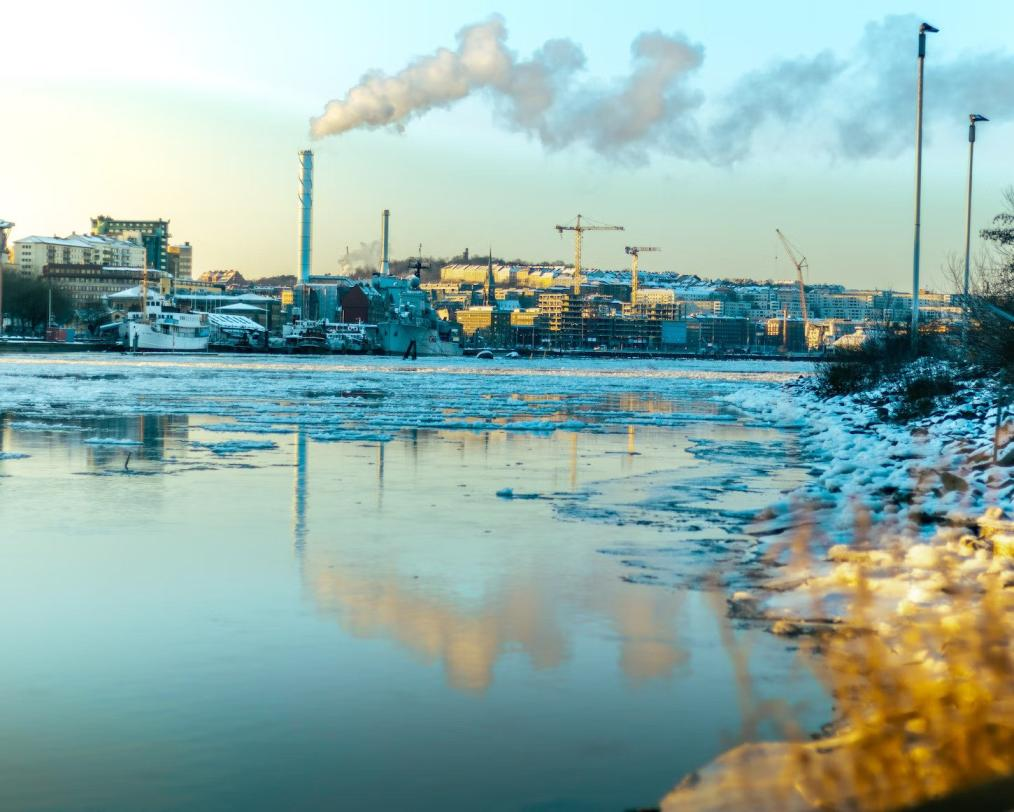
Thermal pollution can occur naturally in certain situations, such as volcanic activity, wildfires, or geothermal vents. However, most thermal pollution discussed today is related to human activity.
1. Power Plants and Industrial Facilities
Thermoelectric power plants often use large amounts of water to cool machinery and condense steam. These facilities may include coal, natural gas, nuclear, biomass, or other power generation plants.
In many cases, water is taken from a nearby river, lake, reservoir, or coastal area, used in the cooling process, and then returned at a higher temperature. If the water is released before it has cooled sufficiently, it can raise the temperature of the receiving water body.
Industrial facilities can also contribute to thermal pollution. Examples include:
- Petroleum refineries
- Pulp and paper mills
- Chemical plants
- Steel mills
- Manufacturing plants
Some facilities also discharge water that contains other substances in addition to heat. This can create a combined water quality concern involving both temperature and chemical composition.
2. Desalination Plants
Desalination plants remove salt from seawater to produce freshwater. Some desalination systems discharge warm, highly concentrated brine back into coastal waters.
When released in large quantities or in shallow areas with limited water circulation, this discharge can increase local water temperature and salinity. Both changes can affect marine life near the discharge area.
3. Stormwater, Wastewater, and Urban Runoff
Stormwater runoff from roads, rooftops, parking lots, and developed land can be warmer than nearby streams, especially during hot weather. When this heated runoff enters waterways, it can raise water temperature.
Wastewater discharge can also influence temperature, depending on the source and treatment process. In urban areas, large amounts of paved surfaces absorb heat and transfer that heat to runoff during storms.
4. Deforestation and Loss of Streamside Vegetation
Trees and plants along riverbanks provide shade that helps keep streams cooler. When vegetation is removed for development, agriculture, logging, or erosion control failures, more sunlight reaches the water surface.
This can warm streams and rivers, especially shallow waterways. Loss of vegetation can also increase erosion, widen stream channels, and reduce the natural protection that helps maintain cooler water temperatures.
Major Effects of Thermal Pollution
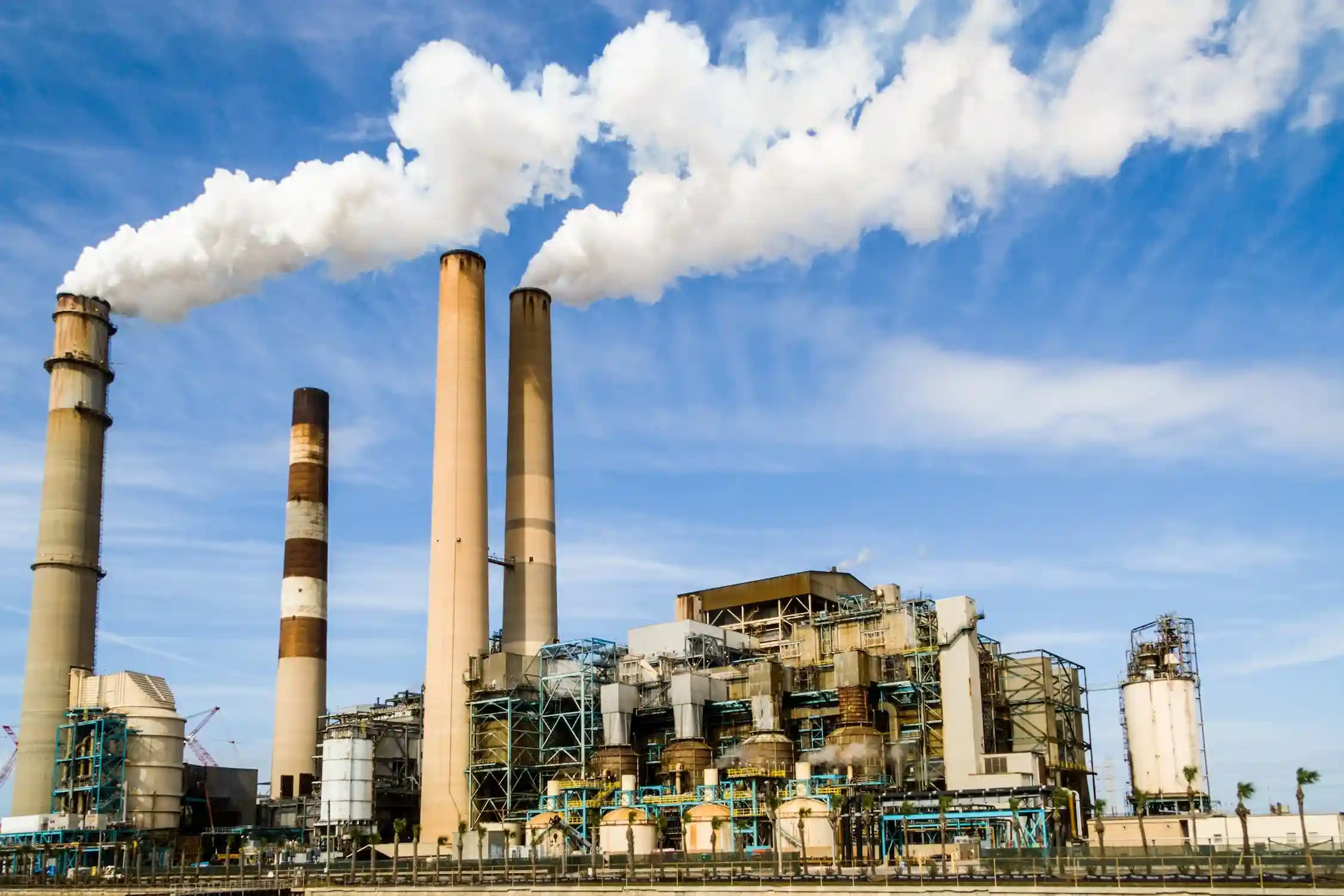
The effects of thermal pollution vary with the magnitude of the temperature change, the size of the water body, the season, the species present, and the frequency of heated discharge. Below are some of the most important impacts.
1. Lower Dissolved Oxygen Levels
Warm water holds less dissolved oxygen than cold water. When oxygen levels drop, fish and other aquatic organisms may become stressed. Some species may move away, while others may struggle to survive if they cannot adapt quickly.
Lower oxygen levels can also affect the balance of the entire food web. Species that need cooler, oxygen-rich water may decline, while species more tolerant of warmer conditions may increase.
2. Changes in Fish and Wildlife Behavior
Aquatic animals often respond to warmer water by moving to cooler areas. This migration can disrupt established habitats, feeding patterns, and reproduction cycles.
If fish move away from an area, birds and other wildlife that depend on them for food may also be affected. In this way, a temperature change in water can influence life beyond the water itself.
3. Algae Growth and Water Quality Changes
Warmer water can support faster algal growth under certain conditions, especially when nutrients such as nitrogen and phosphorus are also present. Excessive algae growth can reduce water clarity, affect oxygen levels, and disturb aquatic habitats.
Not every increase in algae is caused by thermal pollution alone. Nutrient runoff, slow-moving water, sunlight, and seasonal conditions also play a role. However, higher water temperatures can worsen these problems.
4. Loss of Biodiversity
Different species tolerate different temperature ranges. When water becomes too warm, species that require cooler conditions may decline or disappear from the area.
This can reduce biodiversity and change the structure of the ecosystem. In some cases, more tolerant or invasive species may become more dominant, further disrupting the natural balance.
5. Thermal Shock
Thermal shock occurs when water temperature changes too quickly for organisms to adjust. Sudden releases of heated water can stress or kill sensitive species, especially eggs, larvae, insects, and fish that cannot move away fast enough.
Thermal shock can be especially harmful in smaller streams or confined water bodies where heated discharge is not diluted quickly.
6. Reproductive Effects
Water temperature can influence spawning, egg development, and the survival of young aquatic life. If temperatures shift outside a species’ preferred range, reproduction may be reduced or delayed.
Even small changes can matter when they occur during sensitive life stages, such as egg laying, hatching, or early growth.
7. Increased Metabolic Stress
Warmer water can increase the metabolic rate of some cold-blooded aquatic animals. This means they may need more oxygen and more food to maintain normal activity.
If the warmer water also contains less dissolved oxygen or fewer food resources, the animals may face additional stress. Over time, this can affect growth, survival, and population stability.
Thermal Pollution and Human Communities
Thermal pollution is mainly an ecological concern, but it can also affect human communities. Healthy waterways support recreation, fishing, tourism, agriculture, and local quality of life.
If water quality declines, communities may face challenges such as:
- Reduced fish populations
- Changes in recreational water use
- Higher costs for water management
- Damage to sensitive habitats
- Greater pressure on local environmental agencies
Protecting water temperature is part of broader water stewardship. It supports ecosystems and helps maintain the natural services that rivers, lakes, wetlands, and coastal waters provide.
How Thermal Pollution Can Be Reduced
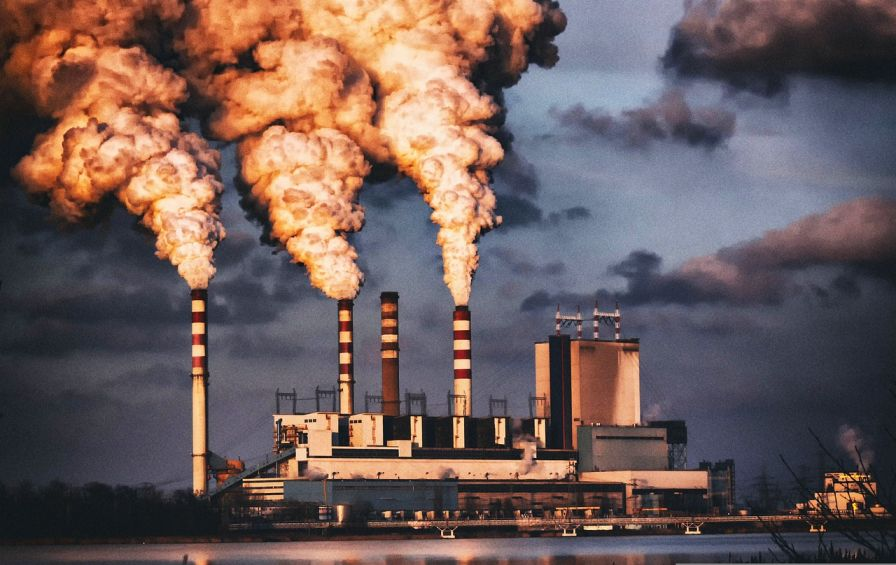
Thermal pollution can be managed through regulation, better technology, improved facility design, and protection of natural landscapes. The goal is to reduce the amount of heated water released into natural water bodies and minimize sudden temperature changes.
Cooling Towers and Cooling Ponds
Industrial facilities and power plants can use cooling towers or cooling ponds to reduce water temperature before discharge. These systems allow heat to dissipate before water returns to rivers, lakes, or coastal areas.
Closed-Loop Cooling Systems
Closed-loop cooling systems reuse water within a facility rather than continuously withdrawing and discharging large volumes of water. This can reduce both water use and thermal discharge.
Heat Recovery and Reuse
In some cases, waste heat can be reused for other industrial processes, district heating, greenhouse operations, or desalination support. Reusing heat can reduce waste and improve overall efficiency.
Stronger Discharge Monitoring
Facilities that discharge heated water should monitor discharge temperature, volume, and receiving water conditions. Effective monitoring helps regulators and facility operators understand environmental impact and respond when limits are exceeded.
Protecting Streamside Vegetation
Trees and plants along waterways help shade streams, stabilize banks, reduce erosion, and support cooler water temperatures. Restoring riparian vegetation can be a practical way to reduce warming in smaller waterways.
Reducing Energy Demand
Because power generation is a major source of thermal discharge, reducing energy waste can indirectly help. Efficient appliances, better building insulation, smart energy use, and cleaner energy planning can all reduce pressure on power systems.
What Individuals Can Do
Thermal pollution is mostly managed at the industrial, regulatory, and community-planning levels. However, individuals can still contribute to better water protection through everyday choices.
- Use energy efficiently at home.
- Support clean energy and responsible infrastructure planning.
- Plant trees or support riparian restoration projects.
- Reduce runoff by using permeable landscaping where practical.
- Participate in local watershed or river cleanup programs.
- Learn where your local water comes from and how it is managed.
- Support policies that protect rivers, lakes, wetlands, and groundwater.
Small household choices cannot solve thermal pollution alone, but they can support broader conservation and water-quality goals.
How Home Water Awareness Fits In
Learning about thermal pollution is part of understanding the many ways water quality can be affected before it reaches homes and communities. Temperature, runoff, aging infrastructure, source water conditions, and local land use can all influence water systems.
For everyday drinking water, many households choose point-of-use filtration to improve taste and add another layer of control over the water they drink and use for coffee, tea, and cooking.
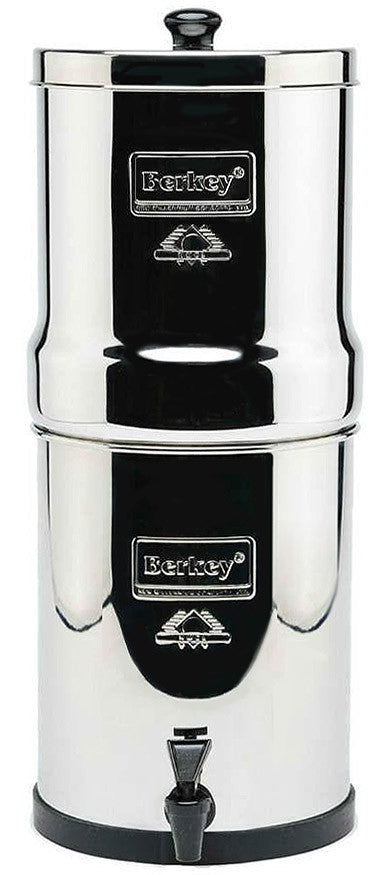
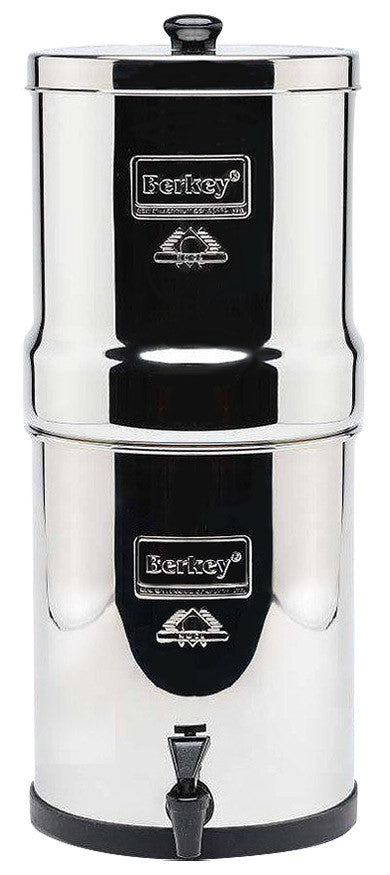
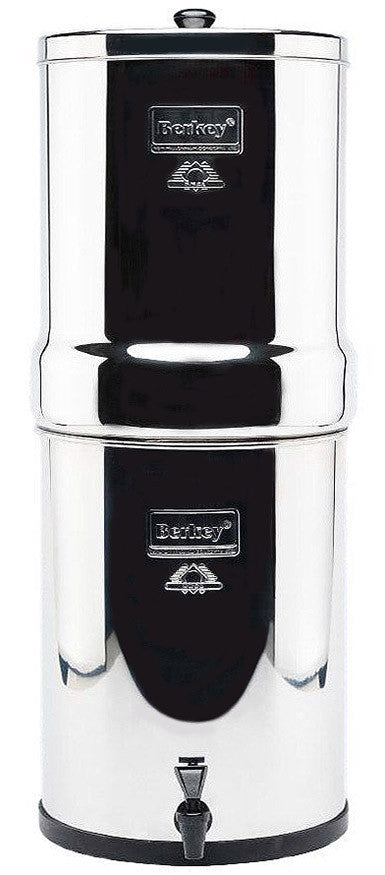
Berkey water filter systems are countertop gravity-fed filtration systems designed for daily household use. Depending on the filter elements used, they can help reduce a broad range of unwanted substances from drinking water while keeping the setup simple and convenient.
Popular options include:
- Big Berkey® Water Filter for everyday household use
- Travel Berkey® Water Filter for smaller households or limited countertop space
- Royal Berkey® Water Filter for larger daily water needs
- Berkey Fluoride Filters PF-2 for fluoride reduction with compatible systems using Black Berkey® Elements
- Phoenix Gravity New Millennium Edition™ Filter Elements for compatible Berkey systems
Home filtration does not address thermal pollution at its source. However, it can be part of a larger household approach to water awareness, conservation, and daily drinking water quality.
FAQ: Thermal Pollution
What is thermal pollution?
Thermal pollution is a change in the temperature of a natural body of water caused by human activity. It often happens when heated water from power plants or industrial facilities is discharged into rivers, lakes, reservoirs, or coastal waters.
Why is thermal pollution harmful?
Thermal pollution can reduce dissolved oxygen, stress aquatic life, change migration and reproduction patterns, increase algae growth, and disrupt the balance of aquatic ecosystems.
What are the main sources of thermal pollution?
Major sources include power plants, industrial facilities, desalination plants, wastewater discharge, warm urban runoff, and loss of shade from deforestation or removal of streamside vegetation.
Can thermal pollution happen naturally?
Yes. Natural events such as volcanic activity, geothermal vents, and wildfires can change water temperature. However, most thermal pollution concerns stem from human activity.
How can thermal pollution be reduced?
It can be reduced through cooling towers, cooling ponds, closed-loop systems, heat recovery, discharge monitoring, protection of streamside vegetation, and better energy efficiency.
The Bottom Line
Thermal pollution may not always be visible, but it can have major effects on aquatic ecosystems. When heated water enters rivers, lakes, reservoirs, or coastal areas, it can change oxygen levels, stress aquatic life, alter reproduction, and disturb the balance of local habitats.
Reducing thermal pollution requires responsible industrial practices, effective regulation, improved technology, and protection of natural landscapes. Individuals can also help by conserving energy, supporting water protection efforts, and learning more about the local water systems that serve their communities.
Water temperature is a key part of water quality. Protecting it helps protect ecosystems, communities, and the long-term health of shared water resources.
← Older Post Newer Post →