
Why Drinking Filtered Water Matters for Everyday Health, Taste, and Convenience
Water is part of nearly every daily routine. We drink it, cook with it, brew coffee and tea, fill reusable bottles, and serve it to family and guests. Because water feels so ordinary, it is easy to overlook how much its taste, smell, and overall quality can affect everyday life.
Filtered water matters because it can make drinking water more pleasant, reduce dependence on single-use plastic bottles, and give households more confidence in the water they use every day. For many families, a home water filter is not about fear. It is about comfort, consistency, and convenience.
This guide explains why filtered water matters, how common filtration methods work, and how to choose a water filter that fits your household’s needs.
Why Filtered Water Matters
Drinking enough water is one of the simplest daily habits that supports overall wellness. Water helps the body maintain normal hydration, supports digestion, helps regulate temperature, and plays a role in many everyday body functions.
Still, many people do not drink as much water as they would like. One common reason is taste. Tap water can sometimes have a noticeable chlorine taste, a metallic note, an earthy smell, or a mineral flavor. These qualities do not always mean the water is unsafe, but they can make people less likely to drink it.
Filtered water can help improve the drinking experience. When water tastes and smells better, it becomes easier to reach for a glass of water instead of soda, juice, or other sweetened drinks.
Filtered Water vs. Bottled Water
Many households turn to bottled water because it feels convenient. It is easy to buy, store, and carry. Over time, though, bottled water can become expensive and create a large amount of plastic waste.
A home water filter can reduce the need for bottled water by giving families a convenient source of better-tasting water at home. You can refill reusable bottles, prepare meals, make coffee or tea, and keep cold water in the refrigerator without constantly buying cases of plastic bottles.
For many families, this is one of the biggest benefits of filtered water. It can save space, reduce waste, and make everyday hydration more convenient.
How Do Water Filtration Systems Work?
Water filters work in different ways depending on the type of filter and the water-quality concerns they are designed to address. Some filters focus mainly on taste and odor. Others are designed to reduce specific substances when used according to the manufacturer’s instructions.
Physical Filtration
Physical filtration uses a barrier or filter media to help capture particles as water passes through. This may include sediment, fine particles, or visible material that can affect clarity.
Activated Carbon Filtration
Activated carbon is one of the most common filter materials used in home water systems. It is often used to improve taste and odor and may help reduce chlorine and certain organic compounds, depending on the filter design and certification.
Reverse Osmosis
Reverse osmosis systems use pressure to move water through a very fine membrane. These systems are often installed under the sink and are typically used for drinking and cooking water.
Ion Exchange
Ion exchange is commonly used in water softeners. It helps address hardness minerals such as calcium and magnesium, which can contribute to scale buildup on fixtures and appliances.
Distillation
Distillation heats water and then collects the condensed steam. This process separates water from many substances that do not evaporate at the same temperature. It can be useful in certain situations, but it is slower and less convenient than many modern home filtration options.
Benefits of Drinking Filtered Water
1. Better Taste and Smell
One of the most noticeable benefits of filtered water is improved taste. Many people dislike the taste of chlorine, minerals, or metallic notes in tap water. A properly selected filter can make water taste cleaner and more refreshing.
Better-tasting water can also improve the taste of coffee, tea, soups, rice, pasta, and other foods prepared with water.
2. More Convenient Hydration
When filtered water is available at home, drinking water becomes easier. You do not need to carry heavy bottled water from the store or remember to restock cases every week.
3. Less Dependence on Plastic Bottles
Filtered water can help reduce the number of single-use plastic bottles your household buys. This can lower household waste and reduce the storage space needed for bottled water.
4. A Practical Long-Term Choice
Bottled water may seem inexpensive one bottle at a time, but the cost adds up quickly. A home filtration system often becomes more economical over time, especially for families that drink water daily, cook at home, or refill bottles often.
5. Better Water for Cooking and Beverages
Water affects more than what you drink from a glass. It can change the taste of coffee, tea, broth, ice cubes, oatmeal, rice, pasta, and other foods prepared with water.
6. More Awareness of Household Water Quality
Installing a water filter often encourages families to pay closer attention to their water. They may start reading local water quality reports, checking filter replacement dates, and learning more about factors that affect taste and odor.
Choosing the Right Water Filter for Your Home
The best water filter depends on your water source, your goals, your budget, and how much maintenance you are willing to do.
Start With Your Water Source
If you use municipal water, your local utility should provide an annual water quality report. If you use a private well, consider periodic testing through a qualified lab. Well water quality can vary by location, depth, plumbing, and surrounding land use.
Decide What You Want the Filter to Do
Some people mainly want better taste and odor. Others are looking for a system designed to reduce specific substances. These are different goals, and they may require different types of filters.
Consider Maintenance
Every filter requires maintenance. Cartridges, elements, membranes, or media need to be replaced or cleaned according to the manufacturer’s instructions. A neglected filter may not perform as intended.
Think About Daily Use
Ask yourself how your household will use filtered water. Do you only need drinking water at the kitchen sink? Do you want water for cooking? Do you want a countertop system that does not require plumbing? Do you prefer an under-sink system that stays out of sight?
Common Types of Home Water Filters
| Filter Type | Common Use | Good For | Considerations |
|---|---|---|---|
| Pitcher Filter | Small households and refrigerator use | Convenience, taste, and basic daily use | Limited capacity; frequent refilling |
| Faucet-Mounted Filter | Kitchen sink use | Easy installation and direct tap access | May not fit every faucet style |
| Countertop Filter | Daily drinking water | No major plumbing changes; visible reminder to drink water | Uses counter space |
| Under-Sink System | Drinking and cooking water | Out-of-sight installation and higher capacity | May require installation and scheduled maintenance |
| Reverse Osmosis System | Point-of-use drinking water | Broad reduction goals, depending on system design | Uses space; may produce wastewater; requires membrane replacement |
| Whole-House Filter | Water entering the home | Housewide taste, odor, or sediment concerns | Higher cost; professional installation may be needed |
Where Berkey Fits Into a Household Water Routine
Many households choose a countertop gravity-fed system because it does not require electricity or plumbing. This can make it convenient for kitchens, apartments, offices, RVs, and other spaces where a plumbed-in system is not preferred.
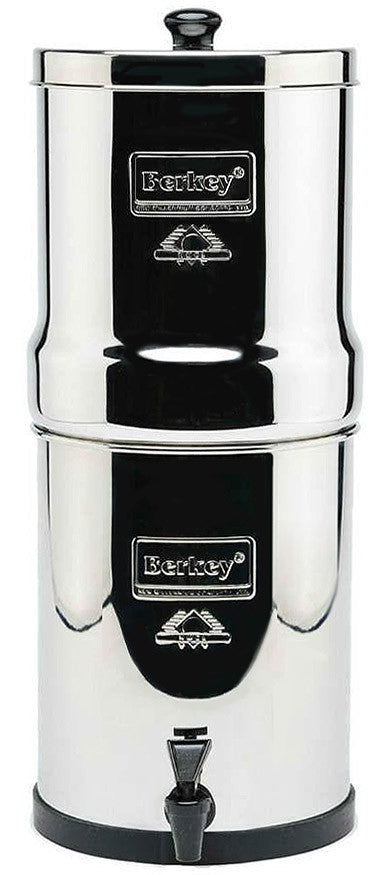
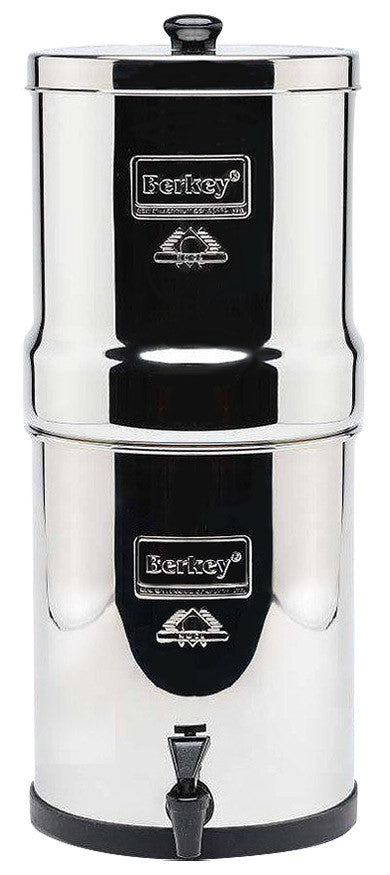
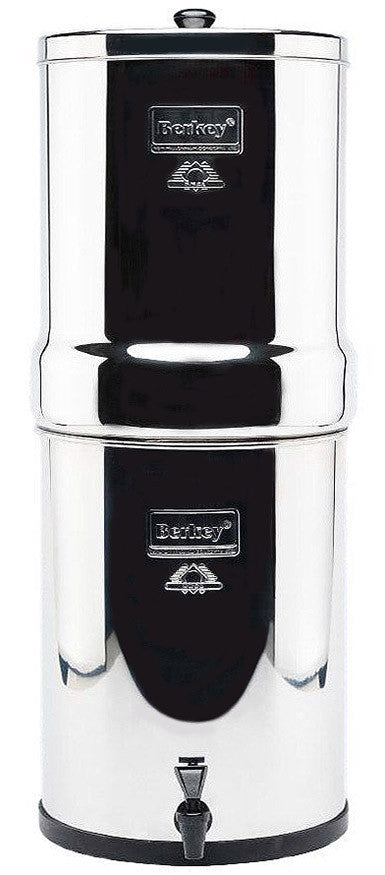
Berkey water filter systems are often chosen by people who want a countertop option for everyday drinking water. They are designed for simple daily use: fill the upper chamber, allow gravity to move the water through the filter elements, and dispense water from the lower chamber.
As with any water filtration product, users should review the manufacturer’s current performance information, follow setup instructions, and maintain the system according to the recommended schedule.
Recommended Berkey Systems
Travel Berkey Water Filter
The Travel Berkey is a compact option for smaller spaces, travel, RVs, and individuals or couples who want a portable gravity-fed system.
Big Berkey Water Filter
The Big Berkey is one of the most popular sizes for everyday home use. It offers a practical balance of capacity and countertop footprint for many households.
Royal Berkey Water Filter
The Royal Berkey offers more capacity than the Big Berkey, making it a strong choice for larger families or households that use more drinking water each day.
Filtered Water and Daily Wellness
Filtered water does not need to be promoted with fear. The strongest reason to use it is simple: people are more likely to drink water when it tastes good and is easy to access.
Good hydration habits support daily routines, exercise, digestion, concentration, and overall comfort. A home water filter can support those habits by making water more appealing and more convenient.
Simple Tips for Getting More From Your Water Filter
- Read the product instructions before first use.
- Replace filters or elements on schedule.
- Keep refillable bottles clean.
- Store filtered water in clean containers.
- Use filtered water for coffee, tea, and cooking when taste matters.
- Check your local water report if you use municipal water.
- Test private well water periodically if your household uses a well.
Final Thoughts
Filtered water can make a meaningful difference in everyday life. It can improve taste, reduce dependence on bottled water, support better hydration habits, and give households a simple way to take more control over their drinking water routine.
The best filter is not always the most complicated one. It is the one that matches your water source, household needs, budget, and willingness to maintain it properly.
Whether you choose a pitcher, faucet filter, under-sink system, reverse osmosis unit, whole-house system, or countertop gravity-fed filter, the goal is the same: make drinking water easier, better-tasting, and more convenient for your home.
← Older Post Newer Post →