Pee After Drinking Water: How Long Does It Take?

How long does it take to pee after drinking water? For many people, the urge to urinate may happen within 30 minutes to a few hours, depending on hydration level, bladder size, recent meals, activity, caffeine intake, and overall health.
There is no single “normal” time for everyone. If you are already well hydrated, your body may send extra fluid toward the kidneys sooner. If you are dehydrated, your body may use more of that water first before producing much urine.
Understanding where water goes after you drink it can make everyday hydration feel a little less mysterious. For a deeper look at the body’s hydration process, you can also read where water goes after drinking it.
Where Does Water Go When You Drink It?
Water begins its trip through the body as soon as you swallow. It travels down the esophagus and into the stomach, where absorption can begin. Unlike food, water does not need to be broken down in the same way before your body can use it.
From the stomach, water moves into the small intestine, where much of it is absorbed into the bloodstream. Once in circulation, water helps carry nutrients, supports digestion, helps regulate body temperature, and contributes to normal cell function.
Your body is constantly balancing how much water it keeps, uses, and releases. That balance is one reason your need to pee can change from day to day.
How Fast Is Water Absorbed?
Water absorption can begin within minutes, especially when you drink on an empty stomach. If you have recently eaten a large meal, water may move through the stomach more slowly because digestion is already underway.
Several factors can affect how quickly water moves through your system:
- Hydration level: If you are already hydrated, your body may release extra fluid sooner.
- Food intake: Drinking water with or after a meal may slow how quickly it leaves the stomach.
- Activity level: Exercise increases fluid loss through sweat and may change how much urine your body produces.
- Caffeine or alcohol: These can increase urination for some people.
- Medications and health conditions: Some medicines and medical conditions can affect urination patterns.
How Water Becomes Urine
After water enters the bloodstream, the kidneys help regulate fluid balance. They filter the blood, keep what the body needs, and send extra fluid and waste products to the bladder as urine.
Once urine reaches the bladder, it collects there until the bladder stretches enough to signal that it is time to pee. This is why drinking water does not always create an immediate bathroom trip. Your bladder has to fill to a certain point first.
If you drink a large amount of water quickly, you may feel the urge sooner. If you sip water slowly throughout the day, the effect may be more gradual.
How the Body Gets Rid of Water
Through Urination
Urination is one of the main ways the body releases extra water. The amount and frequency can vary widely. Many healthy adults urinate several times per day, but what is normal for one person may not be normal for another.
If your urination pattern suddenly changes, or if frequent urination is accompanied by pain, blood in the urine, fever, unusual thirst, or discomfort, it is a good idea to speak with a healthcare professional.
Through Stool
Water also helps support healthy bowel movements. In the large intestine, water helps soften stool and supports regular digestion. Too little fluid can contribute to harder stools for some people.
Through Sweat and Breathing
Your body also loses water through sweat and through moisture in your breath. Exercise, hot weather, fever, and dry air can all increase fluid loss. This is one reason hydration needs often rise during warmer months or active days. For seasonal tips, see how to stay hydrated during summer heat.
Factors That Affect How Soon You Pee After Drinking Water

Your Hydration Level
If your body needs fluid, more of the water you drink may be used before much is released as urine. If you are already hydrated, the extra fluid may move through more quickly.
Bladder Size and Sensitivity
Some people naturally feel the urge to pee sooner than others. Bladder size, sensitivity, and daily habits can all play a role.
What You Ate
Meals, especially larger meals, can slow the movement of water through the stomach. Foods with higher water content, such as fruit and soup, also add to your total fluid intake.
Caffeine Intake
Coffee, tea, and some soft drinks may increase urination in some people. If you notice that you pee more often after caffeine, your body may be especially responsive to it.
Activity and Temperature
When you sweat more, your body may produce less urine because more fluid is leaving through the skin. This can happen during exercise, hot weather, or time spent in warm indoor environments.
What Urine Color Can Tell You

Urine color can offer a general clue about hydration, though it is not a complete health test. Pale yellow urine often suggests that you are taking in enough fluids. Dark yellow or amber urine may mean you need more water, especially if you have been sweating or have not had much to drink.
Clear urine can happen when you drink more water than your body needs at that moment. Occasional clear urine is usually not a concern, but excessive water intake is not necessary for most people.
Some foods, supplements, and medications can change urine color. Beets may cause pink or red urine; some vitamins may make urine bright yellow; and certain medications can create orange, blue, or green tones.
Talk with a healthcare professional if urine changes are persistent, unexplained, painful, accompanied by fever, or if you notice blood or a strong, unusual odor.
How Often Should You Pee?
Many adults urinate about four to ten times in a 24-hour period, but the range can vary. Fluid intake, caffeine, activity, medications, pregnancy, sleep habits, and medical history can all influence frequency.
Frequent urination is not always a problem. However, it may be worth checking with a healthcare professional if it is sudden, disruptive, or painful, or accompanied by unusual thirst, fatigue, cloudy urine, fever, back pain, or frequent nighttime trips that interrupt sleep.
If nighttime urination is your main concern, you may also find this article on drinking water before bed helpful.
Practical Hydration Tips
- Drink water steadily throughout the day instead of saving most of it for one sitting.
- Pay attention to thirst, urine color, activity level, and weather.
- Drink more during hot weather or after sweating.
- Limit fluid intake right before bed if nighttime bathroom trips are a problem.
- Include water-rich foods such as fruits, vegetables, soups, and smoothies as part of your routine.
- Speak with a healthcare professional if changes in hydration or urination feel unusual for you.
Choosing Water You Enjoy Drinking

One simple way to support better hydration habits is to make water easier and more pleasant to drink. If your tap water has a noticeable taste or odor, a countertop gravity-fed filtration system may help improve the drinking experience.
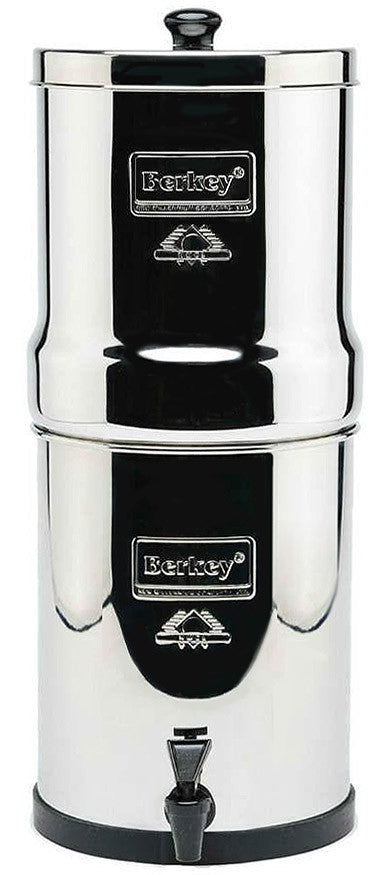
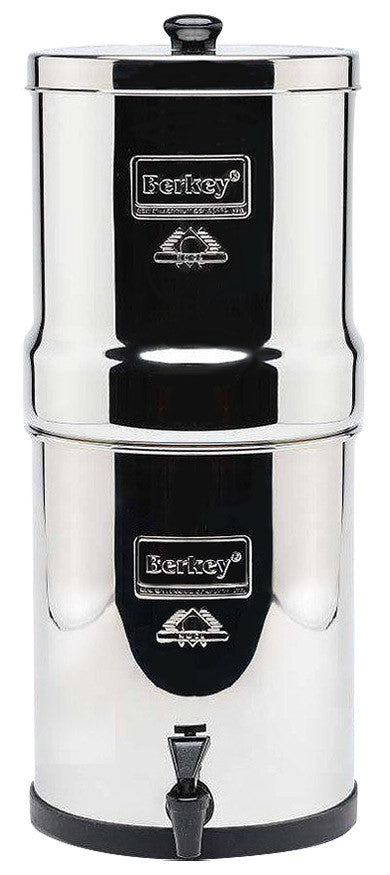
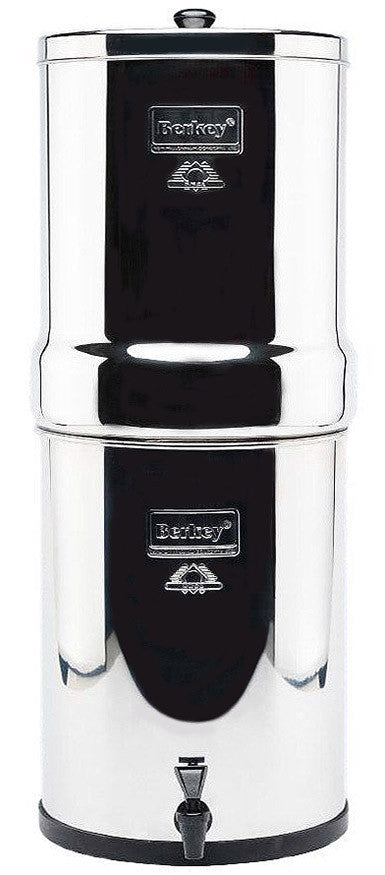
Berkey water filter systems are designed for everyday home use and can help improve taste and odor while reducing certain unwanted substances, depending on the filter elements used.
Popular options include the Big Berkey® Water Filter, Travel Berkey® Water Filter, and Royal Berkey® Water Filter. Travel Berkey®, Big Berkey®, and Royal Berkey® Systems are NSF/ANSI 42 and NSF/ANSI/CAN 372 certified when equipped with Phoenix Gravity New Millennium Edition™ Filter Elements.
If fluoride reduction is part of your household’s filtration goals, you can also learn about Berkey Fluoride Filters PF-2.
FAQ: Peeing After Drinking Water
How long does it take for water to reach the bladder?
It varies. Water can begin to be absorbed within minutes, but the time it takes to become urine and collect in the bladder depends on hydration level, recent meals, kidney function, bladder capacity, and how much fluid you drank.
Is it normal to pee soon after drinking water?
Yes, it can be normal, especially if you were already hydrated or drank a large amount quickly. If it happens frequently or is accompanied by discomfort, excessive thirst, or other symptoms, consider speaking with a healthcare professional.
Why do I pee more after coffee or tea?
Caffeine can increase urination for some people. The effect varies based on your caffeine tolerance, hydration habits, and how much you drink.
Does clear urine mean I am perfectly hydrated?
Not always. Clear urine can simply mean you recently drank more water than your body needed. Pale yellow is often a useful general sign of balanced hydration, but urine color is only one clue.
When should I worry about frequent urination?
Check with a healthcare professional if frequent urination is sudden, painful, disruptive, or paired with blood in urine, fever, back pain, unusual thirst, fatigue, or persistent nighttime urination.
The Bottom Line
So, how long does it take to pee after drinking water? For many people, it may happen within 30 minutes to a few hours, but the timing depends on your body, your hydration level, and your daily routine.
Rather than aiming for a perfect bathroom schedule, focus on steady hydration, paying attention to your body’s signals, and choosing water you enjoy drinking. If your urination pattern changes suddenly or feels unusual, a healthcare professional can help you understand what is going on.
← Older Post Newer Post →