
The Journey of Water and Our Lives: How the Water Cycle Affects Us
Water is constantly moving. It rises from oceans, lakes, rivers, soil, and plants, forms clouds in the atmosphere, falls back to Earth as rain or snow, and eventually returns to rivers, groundwater, and the ocean. This continuous movement is known as the water cycle, or hydrologic cycle.
The water cycle affects nearly every part of life on Earth. It provides freshwater, supports plant growth, shapes weather patterns, transports nutrients, replenishes groundwater, and helps regulate the climate.
Understanding the water cycle can also help us appreciate why water conservation and pollution prevention matter. The water we use every day is part of a much larger natural system.
What Is the Water Cycle?
The water cycle is the continuous movement of water on, above, and below the Earth’s surface. Water changes form as it moves through the environment. It can exist as liquid water, water vapor, ice, snow, clouds, rain, rivers, lakes, groundwater, and ocean water.
The major stages of the water cycle include:
- Evaporation
- Transpiration
- Condensation
- Precipitation
- Runoff
- Infiltration
- Groundwater movement
Water never truly disappears. It changes location and form as it circulates through the atmosphere, land, plants, animals, and bodies of water.
Why the Water Cycle Matters
The water cycle is essential because it helps distribute water across the planet. Without it, freshwater would not be renewed in rivers, lakes, soil, and groundwater.
The water cycle helps:
- Provide rain and snow for freshwater supplies
- Support plants, crops, forests, and ecosystems
- Replenish rivers, lakes, wetlands, and aquifers
- Move nutrients through soil and waterways
- Influence local and global climate patterns
- Support drinking water sources for communities
Although the Earth has a large amount of water, most of it is saltwater. Only a small portion is available as freshwater for everyday human use. That makes the movement, protection, and conservation of freshwater especially important.
How the Water Cycle Affects Us
The water cycle affects people in many direct and indirect ways. It influences the water we drink, the food we grow, the weather we experience, and the health of the environment around us.
Rainfall supports crops and forests. Snowpack can store water during colder months and release it slowly as temperatures rise. Groundwater helps supply wells, springs, rivers, and wetlands. Evaporation and condensation help regulate temperature and weather patterns.
When the water cycle is disrupted by pollution, deforestation, drought, overuse, or climate shifts, communities may experience water shortages, flooding, lower crop yields, reduced water quality, or stress on local ecosystems.
Main Stages of the Water Cycle

The water cycle is often explained through three familiar stages: evaporation, condensation, and precipitation. These are important, but the full cycle also includes runoff, infiltration, groundwater flow, and plant transpiration.
Evaporation
Evaporation happens when liquid water changes into water vapor. Heat from the sun provides the energy that allows water molecules to rise from oceans, lakes, rivers, soil, and other surfaces into the atmosphere.
Oceans contribute much of the water vapor in the atmosphere because they cover most of the Earth’s surface. Lakes, rivers, wetlands, soil, and plants also contribute to atmospheric moisture.
Factors That Affect Evaporation
Evaporation is influenced by several conditions:
- Temperature: Warmer temperatures usually increase evaporation.
- Surface area: More exposed water surface allows more evaporation.
- Humidity: Dry air can hold more water vapor, so evaporation often increases when humidity is low.
- Wind: Wind moves moist air away from the surface, allowing more water to evaporate.
- Sunlight: More solar energy can increase evaporation from land and water surfaces.
Evaporation also helps cool the environment. This is why sweating helps cool the body and why bodies of water can influence local temperature.
Transpiration
Transpiration is the movement of water from plants into the atmosphere. Plants absorb water through their roots and release water vapor through tiny openings in their leaves.
Together, evaporation and transpiration are sometimes called evapotranspiration. This process is important because forests, crops, grasslands, and other vegetation all help move water from the land back into the atmosphere.
When large areas of vegetation are removed, local moisture patterns can change. This is one reason forests and healthy landscapes play an important role in the water cycle.
Condensation
Condensation happens when water vapor cools and changes back into liquid droplets. This is how clouds form.
As warm, moist air rises, it cools. When it cools enough, water vapor condenses around tiny particles in the atmosphere, forming cloud droplets or ice crystals.
You can see condensation in everyday life when water droplets form on the outside of a cold glass or when bathroom mirrors fog after a hot shower. In the atmosphere, the same basic process helps create clouds.
Factors That Affect Condensation
Condensation depends on several factors:
- Water vapor content: Air with higher moisture content has greater potential for condensation.
- Temperature: Cooling air promotes water vapor condensation.
- Air pressure and elevation: Rising air cools, which can help clouds form.
- Particles in the air: Tiny particles can provide surfaces for water droplets to form.
Condensation is a key step because it prepares water vapor to return to Earth as precipitation.
Precipitation
Precipitation occurs when water droplets or ice crystals in clouds become heavy enough to fall back to Earth. Precipitation can take several forms, including rain, snow, sleet, and hail.
Precipitation replenishes rivers, lakes, wetlands, soil moisture, glaciers, snowpack, and groundwater. It is one of the most visible parts of the water cycle and one of the most important for people, farms, and ecosystems.
Factors That Affect Precipitation
Different places receive different amounts of precipitation because of climate, geography, wind patterns, and elevation.
- Latitude: Some regions, such as tropical areas, receive more frequent rainfall than others.
- Distance from oceans: Coastal areas often receive more moisture than inland areas.
- Mountains: Air rising over mountains can cool and produce precipitation on the windward side.
- Temperature: Temperature helps determine whether precipitation falls as rain, snow, sleet, or hail.
- Weather systems: Storms, fronts, and seasonal patterns strongly influence rainfall and snowfall.
Runoff, Infiltration, and Groundwater
After precipitation reaches the ground, it does not all follow the same path. Some water flows across the surface as runoff. Some soaks into the soil through infiltration. Some is absorbed by plants. Some move deeper underground and become groundwater.
Runoff
Runoff occurs when water flows over land into streams, rivers, lakes, and oceans. Runoff can carry soil, nutrients, trash, oil, fertilizers, and other materials into waterways, especially in areas with pavement, bare soil, or poor drainage.
Infiltration
Infiltration happens when water soaks into the ground. Healthy soil, forests, wetlands, and natural landscapes help water infiltrate rather than rush away as runoff.
Groundwater
Groundwater is water stored beneath the Earth’s surface in soil and rock. It can feed wells, springs, streams, wetlands, and rivers. In many communities, groundwater is an important source of drinking water.
Protecting groundwater matters because pollutants that enter the ground can be difficult and expensive to remove.
The Water Cycle Moves More Than Water
The water cycle also helps move nutrients and materials through the environment. Rainfall and runoff can transport carbon, nitrogen, phosphorus, sulfur, sediment, and organic matter from land to waterways.
This movement is natural, but human activity can change the balance. Too much fertilizer, soil erosion, wastewater, or industrial discharge can overload waterways with nutrients or unwanted substances.
That is why water conservation and pollution prevention are connected. Protecting water means protecting the entire system around it.
Water and the Environment
Human activity can affect the water cycle in many ways. Agriculture, urban development, industrial activity, wastewater discharge, deforestation, and pollution can all change how water moves and how clean it remains.
For example, paved surfaces reduce infiltration and increase runoff. This can make flooding worse and send more pollutants into storm drains. In contrast, forests, wetlands, grasslands, and healthy soils help slow water down, filter it naturally, and recharge groundwater.
Deforestation and the Water Cycle
Deforestation can have a major effect on the water cycle. Trees absorb water through their roots and release moisture through transpiration. They also provide shade, protect soil, reduce erosion, and help rainwater soak into the ground.
When trees are removed, several things can happen:
- Less water vapor may return to the atmosphere through transpiration.
- Soil may dry out faster.
- Runoff may increase during storms.
- Erosion may worsen.
- Streams may become warmer and more sediment-filled.
- Local drought and flooding risks may increase.
Protecting forests and planting trees near waterways can help support healthier water movement and better water quality.
Water in Our Daily Lives

The water cycle helps renew freshwater sources, but it does not mean freshwater is unlimited. Only a small portion of Earth’s water is readily available for human use, and that water must be protected.
Everyday activities can affect water quality. Fertilizers, pesticides, litter, oil, household chemicals, and poorly managed waste can all enter runoff, groundwater, or waterways.
Families can help protect the water cycle by:
- Conserving water at home
- Fixing leaks quickly
- Using water-efficient fixtures
- Keeping trash and yard waste out of storm drains
- Using fertilizers and pesticides carefully
- Planting native plants and trees
- Disposing of chemicals and medications properly
- Learning where local drinking water comes from
For more practical ideas, read: A Guide to Water Conservation.
How Home Water Filtration Fits In
The water cycle renews water naturally, but water can still pick up unwanted substances as it moves through soil, pipes, runoff, and local infrastructure. This is one reason many households choose point-of-use filtration for everyday drinking water.
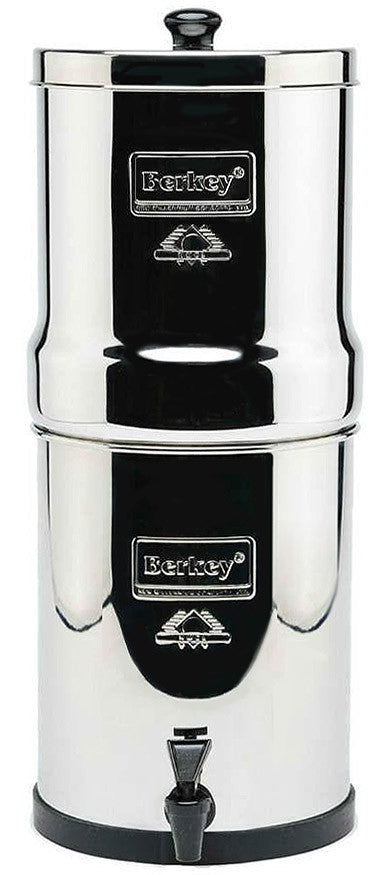
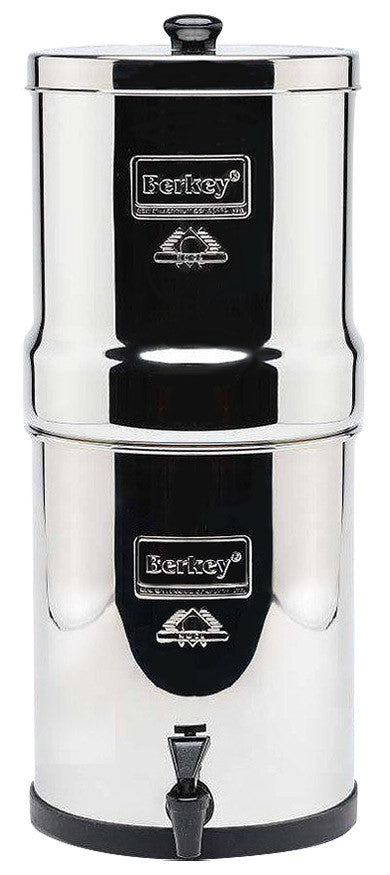
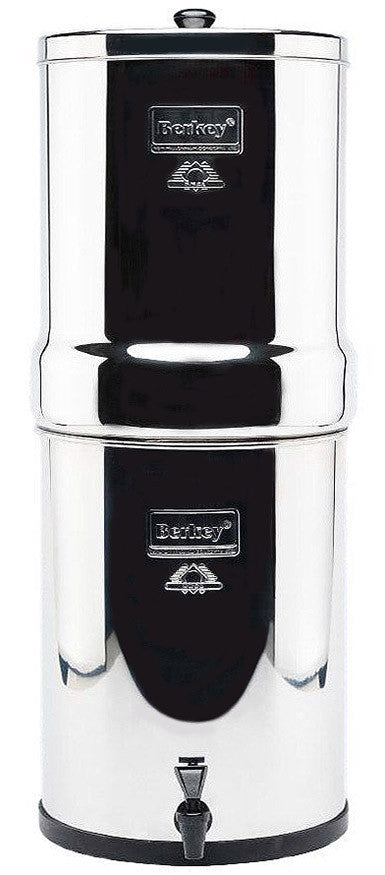
A countertop gravity-fed filtration system can be a practical option for drinking water, cooking, coffee, tea, and filling reusable bottles. Berkey water filter systems are designed for everyday countertop use and can help improve the taste and quality of drinking water, depending on the filter elements used.
Popular options include:
- Travel Berkey® Water Filter for smaller households or limited countertop space
- Big Berkey® Water Filter for regular household use
- Royal Berkey® Water Filter for larger daily water needs
- Berkey Fluoride Filters PF-2 for fluoride reduction with compatible systems using Black Berkey® Elements
- Phoenix Gravity New Millennium Edition™ Filter Elements for compatible Berkey systems
Home filtration does not replace the need to protect rivers, lakes, wetlands, groundwater, or public water infrastructure. It simply gives households another way to manage the water they drink and use every day.
FAQ: The Water Cycle and Daily Life
What are the main stages of the water cycle?
The main stages include evaporation, transpiration, condensation, precipitation, runoff, infiltration, and groundwater movement.
Why is the water cycle important?
The water cycle renews freshwater sources, drives rainfall, helps regulate the climate, replenishes groundwater, transports nutrients, and supports plants, animals, and people.
Does the water cycle clean water?
Natural processes such as evaporation, soil filtration, and wetland movement can help reduce certain impurities, but the water cycle does not remove all unwanted substances. Pollution prevention and water treatment are still important.
How do humans affect the water cycle?
Humans affect the water cycle through land development, deforestation, agriculture, pollution, groundwater use, wastewater discharge, and changes to rivers, wetlands, and natural landscapes.
How can families help protect the water cycle?
Families can conserve water, reduce runoff, dispose of chemicals properly, plant trees, prevent litter, use lawn products carefully, and learn about their local water source.
The Bottom Line
The water cycle is one of the most important natural systems on Earth. It moves water through the atmosphere, land, plants, rivers, lakes, groundwater, and oceans. It supports life, shapes weather, renews freshwater sources, and connects every part of the environment.
Because we depend on this cycle every day, we also have a responsibility to protect it. Conserving water, reducing pollution, protecting forests and wetlands, and making thoughtful choices at home can all help support healthier water systems.
Water is always moving. The better we understand its journey, the better we can protect it for our homes, communities, and future generations.
← Older Post Newer Post →