
Water is essential for everyday health. It supports your cells, helps regulate body temperature, carries nutrients, assists digestion, cushions joints, and helps the body remove waste.
But after you take a sip, where does that water actually go? Water does not need to be “digested” the same way food does. Instead, it moves through the digestive system, is absorbed into the bloodstream, and is delivered throughout the body where it is needed.
This guide explains how water travels through your body, how it is absorbed, how your body uses it, and how excess water leaves the body.
How Much of the Human Body Is Water?
Water makes up a large portion of the human body, although the exact amount varies depending on age, body composition, and overall health. Newborns generally have a higher percentage of body water, while older adults typically have a lower percentage. People with more muscle mass also tend to have a higher water percentage than those with more body fat, because muscle contains more water than fat.
Water is found in several areas of the body:
- Inside the cells
- In the space between cells
- In the blood
- In organs, muscles, and other tissues
Major organs such as the brain, lungs, heart, liver, and kidneys contain a significant amount of water. Even bones contain water, although at a lower percentage than soft tissues.
Water’s Journey Through Your Body
After you drink water, it travels through several parts of the body before it is absorbed and used.

1. Water Enters Through the Mouth
The process begins in your mouth. As you drink, your mouth and throat help send signals to the brain that fluid is coming in. This is one reason a glass of water can begin to ease thirst before the water has fully reached your bloodstream.
This early signal helps the body regulate drinking behavior. Without it, people might drink more than they need before their bodies have time to absorb and use the water.
2. Water Moves Down the Esophagus
After swallowing, water travels down the esophagus, the tube that connects the mouth to the stomach. This step is quick, and no major absorption happens here.
3. Water Reaches the Stomach
Once water reaches the stomach, a small amount may begin to be absorbed. However, most water absorption happens later in the intestines.
How quickly water leaves the stomach depends partly on whether you have eaten recently. Water usually moves through the stomach more quickly when consumed on an empty stomach. If you drink water after a large meal, absorption may happen more slowly because the stomach is also processing food.
4. Most Water Is Absorbed in the Small Intestine
The small intestine is where much of the water you drink is absorbed into the bloodstream. From there, water can be carried throughout the body to support cells, organs, and normal body functions.
Water also helps transport nutrients from food and supports digestion as it moves through the digestive tract.
5. The Large Intestine Reabsorbs Water
The large intestine helps recover water and electrolytes from digestive material before waste leaves the body. This is one reason hydration can affect stool consistency and digestive comfort.
When the body needs to conserve water, the large intestine can absorb more. When there is enough fluid, waste usually passes more comfortably.
How the Body Uses Water
Once absorbed, water supports many important functions throughout the body.
Water Supports the Kidneys
The kidneys help filter waste from the blood and remove it through urine. Water is important for this process because it helps the kidneys efficiently remove waste products from the body.
Urine color can give a general clue about hydration. Pale yellow urine often suggests adequate hydration, while darker yellow urine may mean you need more fluids. However, urine color can also be affected by supplements, medications, foods, and certain health conditions.
Water Supports the Brain
The brain depends on proper hydration to function well. Even mild dehydration may affect concentration, alertness, mood, and short-term memory for some people.
Drinking enough water throughout the day can help support mental performance, especially during warm weather, exercise, or long periods of work.
Water Helps Regulate Body Temperature
Your body uses water to help control temperature through sweating and respiration. When you are hot or physically active, you lose more fluid through sweat, which is why your water needs may increase.
Water Supports Joints and Tissues
Water helps keep tissues hydrated and supports the fluids that cushion and lubricate joints. Good hydration alone will not solve every joint issue, but it is one part of maintaining normal joint and tissue function.
Water Helps Digestion
Water helps food move through the digestive system. It is especially important when eating high-fiber foods, because fiber absorbs water and helps support regular bowel movements.
How Does Water Leave the Body?
After the body uses the water it needs, excess water leaves in several ways:
- Urine: The kidneys remove water and waste from the body.
- Sweat: The skin releases water to help cool the body.
- Breath: Small amounts of water vapor leave the body when you exhale.
- Stool: Some water leaves the body through bowel movements.
How Much Water Should You Drink?
There is no single perfect amount of water for everyone. Your needs depend on age, body size, activity level, climate, diet, and overall health.
Many people can meet their needs by drinking when thirsty and paying attention to signs of hydration. You may need more water when:
- The weather is hot
- You are exercising or sweating
- You are eating a high-fiber diet
- You are sick with fever, vomiting, or diarrhea
- You spend long periods outdoors
For children, water needs vary by age, size, and activity level. A simple rule is to encourage regular water breaks, especially during sports, warm weather, and active play.
Can You Drink Too Much Water?
Yes. Although water is essential, drinking extreme amounts in a short time can be dangerous. Too much water can dilute sodium levels in the blood, a condition known as hyponatremia.
This is uncommon for most healthy adults, but it can happen in certain situations, especially when someone drinks large amounts of water quickly without replacing electrolytes.
People Who May Be More at Risk
- Athletes who drink excessive amounts during endurance events
- People with certain kidney, heart, or liver conditions
- People taking medications that affect fluid balance
- People with conditions that cause excessive thirst or fluid intake
Possible Symptoms of Overhydration
Symptoms can vary, but may include headache, nausea, confusion, weakness, balance problems, vomiting, or, in severe cases, seizures. Anyone with serious symptoms should seek medical attention promptly.
Tips for Healthy Hydration

Drink Gradually Throughout the Day
Sipping water steadily is usually better than waiting until you are very thirsty and drinking a large amount at once. Keeping a bottle or glass nearby can make this easier.
Drink More During Heat and Exercise
If you are sweating, exercising, or spending time in warm weather, drink water before, during, and after activity. For long or intense exercise, electrolytes may also be helpful.
Pair Water With Meals
Drinking water with meals can support digestion and help high-fiber foods move through the digestive system more comfortably.
Add Flavor Naturally
If plain water feels boring, try adding lemon, cucumber, mint, berries, or other fruit slices. This can make water more enjoyable without relying on sugary drinks.
Be Careful With Too Much Salt
Sodium is an important electrolyte, but most people already get enough from food. Adding salt to water is not necessary for everyday hydration unless advised by a healthcare professional or needed for specific endurance activities.
Choosing Water for Everyday Drinking
Since water plays such an important role in the body, many households look for practical ways to improve the taste and quality of their drinking water.
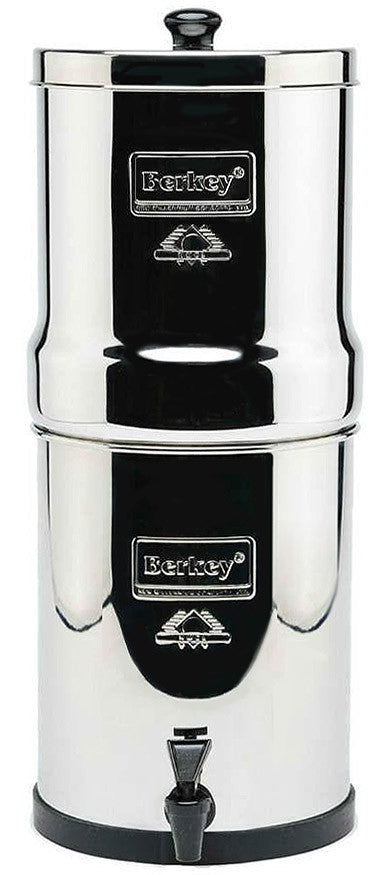
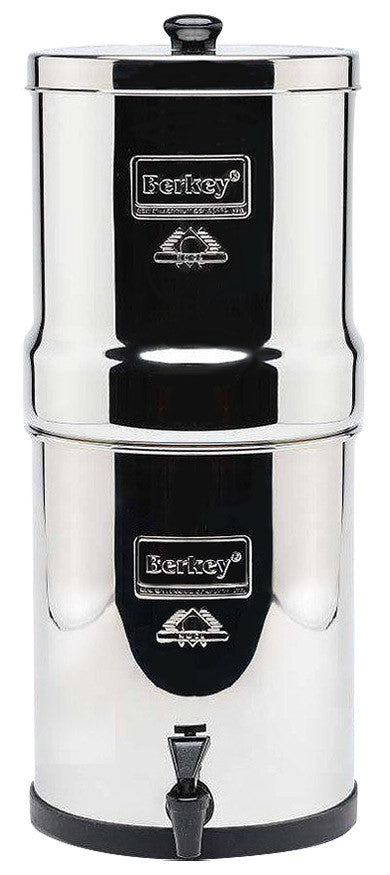
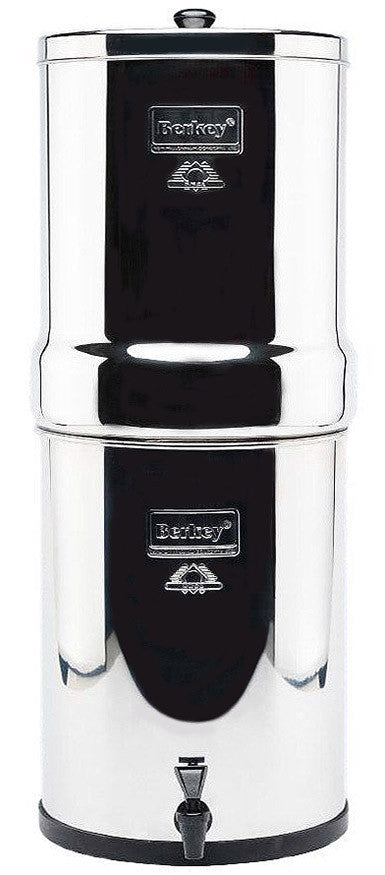
A countertop gravity-fed filtration system can be a convenient option for daily use at home. Berkey water filter systems are designed for countertop use and can help reduce a broad range of unwanted contaminants from drinking water, depending on the filter elements used.
Popular options include:
- Big Berkey® Water Filter for everyday household use
- Travel Berkey® Water Filter for smaller spaces and portability
- Berkey Fluoride Filters PF-2 for fluoride reduction when used with compatible Black Berkey® Elements
For more information, you may also find these related articles helpful:
- How to Remove Chlorine and Chloramine From Drinking Water
- Does Berkey Water Filter Remove Lead From Drinking Water?
The Bottom Line
After you drink water, it travels from your mouth to your stomach and intestines, where it is absorbed into your bloodstream and distributed throughout your body. From there, it supports your cells, brain, kidneys, digestion, joints, and temperature regulation.
Drinking enough water does not have to be complicated. Pay attention to thirst, drink more during heat or exercise, and choose water you enjoy drinking regularly. Good hydration is one of the simplest daily habits for supporting overall wellness.
← Older Post Newer Post →