Alkalinity of Water: What It Means for Drinking Water, pH, and Water Quality

Alkalinity is an important water-quality measurement, but it is often confused with pH or alkaline water. In simple terms, alkalinity describes water’s ability to neutralize acids and resist sudden changes in pH.
This buffering ability matters in lakes, rivers, wells, plumbing systems, irrigation water, and water treatment. When alkalinity is too low, water may become more vulnerable to pH swings and corrosion. When it is very high, it may contribute to scaling or other water-management issues.
This guide explains what alkalinity means, how it differs from pH, how it is measured, why it matters, and what homeowners should know about alkaline water claims.
What Is Alkalinity in Water?
Alkalinity is the capacity of water to neutralize acid. It is mostly caused by bicarbonate, carbonate, and hydroxide ions dissolved in the water.
In most drinking water and natural freshwater, bicarbonate is the main contributor to alkalinity. These compounds usually come from minerals in rocks and soil, especially limestone and other carbonate-rich materials.
Alkalinity vs. pH: What Is the Difference?
Alkalinity and pH are related, but they are not the same thing.
- pH measures how acidic or basic water is at a specific moment.
- Alkalinity measures how well water can resist becoming more acidic.
For example, two water samples can both have a pH of 7, but one may have very low alkalinity while the other has high alkalinity. If acid is added to both samples, the low-alkalinity water may drop in pH quickly, while the higher-alkalinity water may resist that change.
Why Alkalinity Matters
Alkalinity matters because it helps stabilize water chemistry. This is important for both natural ecosystems and household water systems.
For Lakes, Rivers, and Streams
In natural water bodies, alkalinity helps protect fish, plants, and other aquatic organisms from sudden changes in pH. Water with very low alkalinity may be more vulnerable to acid rain, runoff, or other acidic inputs.
For Drinking Water Systems
In drinking water systems, alkalinity can influence corrosion control, pipe stability, and water treatment. Low alkalinity may make water more corrosive, while high alkalinity may contribute to scale buildup.
For Irrigation
In gardening and agriculture, alkalinity can affect soil pH and nutrient availability. Water with high alkalinity may gradually raise the pH of growing media, making some nutrients less available to plants.
What Affects Alkalinity?
Alkalinity is influenced by several natural and human-related factors.
Geology and Soil
Water that passes through limestone, dolomite, or other carbonate-rich rocks often has higher alkalinity. Water from areas with granite or carbonate-poor soils may have lower alkalinity.
Rainfall and Runoff
Rainfall, runoff, and changing land use can influence alkalinity in streams and lakes. Urban development, mining, and soil disturbance may also affect the minerals entering water systems.
Wastewater and Treatment Processes
Wastewater treatment and household wastewater can add bicarbonates, carbonates, and other compounds that affect alkalinity. Alkalinity also plays a role in some wastewater-treatment processes.
How Is Alkalinity Measured?

Alkalinity is commonly measured by titration. In this process, a known acid is added to a water sample until it reaches a specific endpoint pH. The amount of acid needed shows how much buffering capacity the water has.
Alkalinity is usually reported as milligrams per liter (mg/L) as calcium carbonate.
Typical Alkalinity Levels
Freshwater alkalinity can vary widely depending on local geology and water source.
| Alkalinity Level | General Meaning |
|---|---|
| Below 10 mg/L | Very low buffering capacity; pH may change more easily |
| 20–200 mg/L | Common range for many freshwater sources |
| 100–200 mg/L | Often provides stronger pH stability in natural waters |
| Above 200 mg/L | May contribute to scaling or irrigation concerns depending on use |
Alkalinity and Water Hardness
Alkalinity and hardness are related but different measurements.
Hardness mainly measures calcium and magnesium. Alkalinity measures acid-neutralizing capacity, mostly from bicarbonates and carbonates.
In areas with limestone or dolomite, hardness and alkalinity may both be high because the same minerals contribute to both. However, they are measured separately and mean different things.
The pH Level of Drinking Water

The pH scale ranges from 0 to 14. A pH below 7 is acidic, a pH of 7 is neutral, and a pH above 7 is basic or alkaline.
Drinking water pH is usually managed for taste, corrosion control, and treatment performance. Low-pH water may be more corrosive to plumbing, while high-pH water may contribute to scale buildup or a slippery feel.
pH alone does not tell the full story. Corrosiveness also depends on alkalinity, hardness, temperature, dissolved solids, and plumbing materials.
Testing Alkalinity in Well Water
Private well owners should consider testing water periodically for common water-quality parameters, including pH, alkalinity, hardness, iron, manganese, nitrates, and any local contaminants of concern.
For the most reliable results, use an accredited laboratory. Home test kits may provide a general screening, but laboratory testing is more useful for making water-treatment decisions.
What Is Alkaline Water?
Alkaline water usually refers to water with a pH above 7. Some alkaline waters are naturally alkaline because they pass through mineral-rich rocks. Others are artificially made through ionization or mineral addition.
Alkaline water is often marketed with health claims, but many of these claims are not strongly supported by scientific evidence.
Does Alkaline Water Have Proven Health Benefits?
Some small studies have explored alkaline water for specific topics such as acid reflux or hydration markers. However, broad claims about anti-aging, detoxification, cancer prevention, weight loss, or immune support are not well established.
For most healthy people, regular drinking water remains a practical and appropriate hydration choice.
Risks and Side Effects of Alkaline Water
Drinking alkaline water in normal amounts is generally not a major concern for most people. However, very high-pH water or excessive intake may cause digestive discomfort in some individuals.
People with kidney disease, people taking medications that affect mineral balance, and those with specific medical conditions should ask a healthcare professional before making major changes to their drinking water habits.
Natural vs. Artificial Alkaline Water
Natural alkaline water becomes alkaline as it passes through rocks, picking up minerals. Artificial alkaline water is often produced by ionizers or mineral additives.
Artificially increasing pH does not automatically improve water quality. The quality of the original water still matters. If water contains unwanted contaminants, raising the pH does not necessarily address those concerns.
Can Water Filters Change Alkalinity?
Some water filters may affect pH, mineral content, or alkalinity depending on the filter media used. Others are designed mainly to reduce taste, odor, sediment, or specific contaminants and may have little effect on alkalinity.
If your goal is to understand alkalinity, pH, or mineral content, test your water before and after treatment.
Can You Change the Alkalinity of Water?
Yes. Water alkalinity can be adjusted to suit the intended use. Municipal treatment plants, industrial facilities, aquariums, swimming pools, and agricultural operations often adjust alkalinity to help maintain stable water chemistry.
Common methods for increasing alkalinity include adding materials such as sodium bicarbonate, calcium carbonate, or other alkaline compounds. Lowering alkalinity typically requires specialized treatment and should only be performed when appropriate for the application.
For homeowners, altering alkalinity is usually unnecessary unless a specific water-quality concern is identified through laboratory testing.
Should You Test Your Water?
Testing your water provides a much clearer picture than relying on taste or appearance alone. Water that looks clear can still have characteristics that affect plumbing, appliances, or overall water quality.
Testing is especially worthwhile if you:
- Use a private well
- Have noticed changes in taste, odor, or appearance
- Have recently moved into an older home
- Experience plumbing corrosion or scale buildup
- Are you selecting a water treatment system
Common water quality tests include:
- pH
- Alkalinity
- Hardness
- Total dissolved solids (TDS)
- Iron and manganese
- Nitrate
- Lead, where appropriate
- Local contaminants of concern
How to Test Alkalinity
Alkalinity can be measured using home test kits or by sending a water sample to a certified laboratory.
Home Test Kits
Home kits are useful for obtaining a general estimate of alkalinity and pH. They are relatively inexpensive and can be helpful for routine monitoring.
However, results may not be as accurate as laboratory testing, particularly when precise measurements are needed.
Laboratory Testing
Certified laboratories provide more detailed and accurate water analyses. In addition to alkalinity, a laboratory can test for hardness, metals, nutrients, and many other water-quality parameters.
If you are planning to install a water treatment system, laboratory testing often provides the best information for selecting appropriate equipment.
Does High Alkalinity Mean Better Water?
Not necessarily.
Higher alkalinity simply means water has a greater ability to resist changes in pH. It does not automatically indicate better drinking water quality.
Water with very high alkalinity may:
- Leave mineral deposits on fixtures
- Contribute to the scale inside the plumbing
- Reduce the efficiency of water heaters
- Affect irrigation water for certain plants
Conversely, water with very low alkalinity may be more susceptible to corrosion and pH fluctuations.
The ideal alkalinity depends on how the water will be used.
Can Alkalinity Affect Taste?
Alkalinity itself has very little taste.
However, the minerals that contribute to alkalinity, particularly bicarbonates and carbonates, may slightly influence how water tastes.
Many people describe mineral-rich water as:
- Smooth
- Crisp
- Slightly mineral-like
Taste preferences vary considerably from person to person.
Alkalinity and Household Plumbing
Alkalinity plays an important role in protecting plumbing systems.
Water with adequate alkalinity helps stabilize pH, reducing the likelihood of corrosion in pipes and fixtures.
Extremely low alkalinity may contribute to more aggressive water chemistry, while excessively high alkalinity may encourage mineral scale formation.
Water utilities often consider alkalinity alongside pH, hardness, and other factors when managing corrosion control programs.
Alkalinity and Water Treatment
Many municipal treatment plants monitor alkalinity because it influences several treatment processes.
Maintaining appropriate alkalinity can help:
- Improve treatment efficiency
- Support stable pH
- Reduce corrosion potential
- Optimize disinfection performance
- Protect distribution infrastructure
Treatment professionals evaluate multiple water-quality characteristics together rather than relying on alkalinity alone.
Choosing a Water Filter
If you are considering a drinking water filter, begin by identifying your actual water-quality concerns rather than selecting equipment based solely on pH or alkalinity.
Questions to consider include:
- Are you trying to improve taste or odor?
- Do you have hard water?
- Are you concerned about a specific contaminant?
- Have you reviewed your local water quality report?
- Have you tested your water?
A laboratory water test often provides the best foundation for choosing an appropriate treatment system.
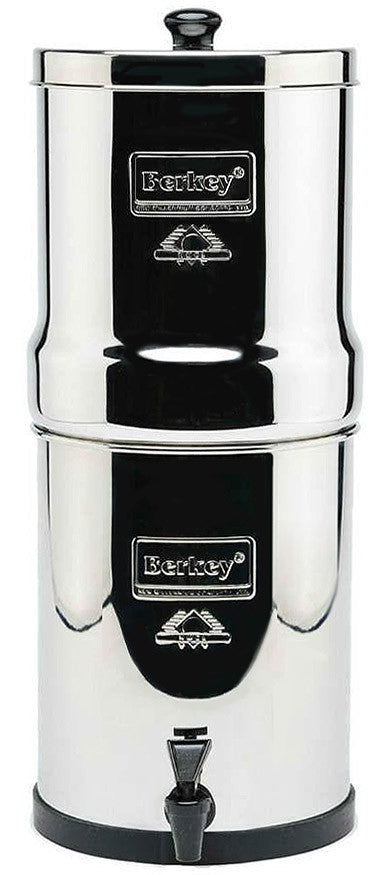
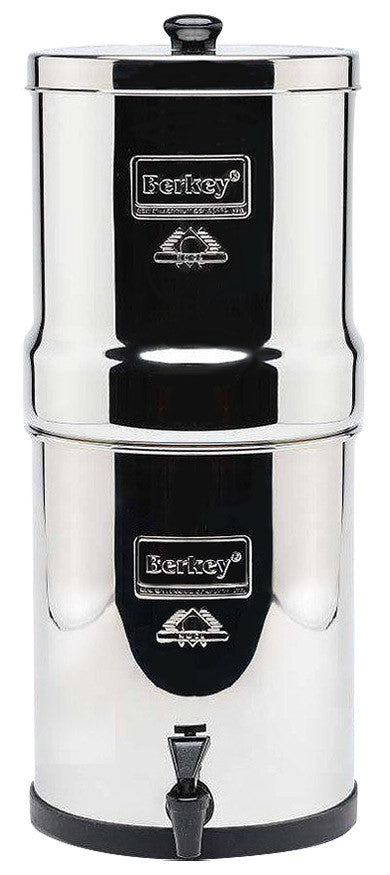
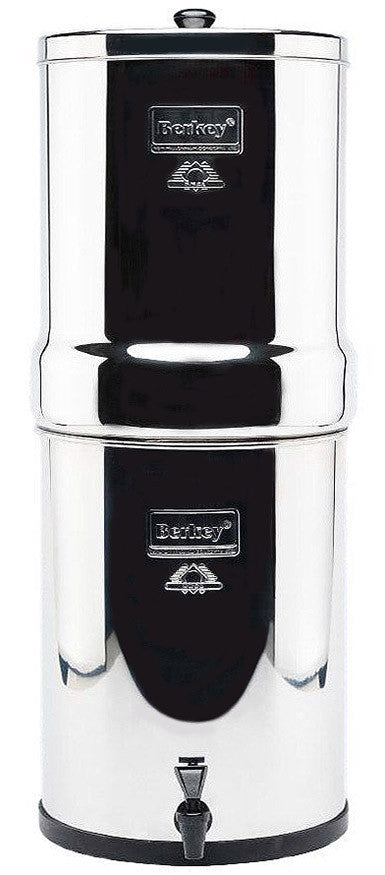
Berkey Gravity-Fed Water Filtration Systems
Berkey water filter systems are countertop gravity-fed filtration systems designed for everyday household drinking water.
Depending on the filter elements used, Berkey systems may help improve the taste and odor of drinking water while addressing certain common water-quality concerns.
For current replacement elements, see:
- Black Berkey® Elements Replacement Filters
- Phoenix Gravity New Millennium Edition™ Filter Elements
- Berkey PF-2 Fluoride and Arsenic Reduction Filters
Always review current product information and follow installation and maintenance instructions to help ensure proper filter performance.
Shop Big Berkey Water Filter System
Frequently Asked Questions
Is alkaline water the same as high-alkalinity water?
No. Alkaline water refers to water with a higher pH, while alkalinity measures water’s buffering capacity. A water sample can have a relatively high pH but low alkalinity, or vice versa.
Can boiling water change alkalinity?
Boiling may cause minor changes in dissolved carbon dioxide and can slightly affect pH under some conditions, but it does not significantly change the overall alkalinity of most drinking water.
Is high alkalinity harmful?
Not necessarily. High alkalinity is primarily a water chemistry characteristic rather than a direct health concern. However, very high alkalinity may contribute to scale formation or affect certain industrial, agricultural, or household applications.
Should private well owners test alkalinity?
Yes. Alkalinity is one of several useful measurements for understanding well water chemistry and, if needed, selecting appropriate treatment equipment.
Final Thoughts
Alkalinity is an important but often misunderstood aspect of water quality. Rather than measuring how "alkaline" water is, alkalinity measures how well water can resist changes in pH.
Understanding the difference between alkalinity, pH, hardness, and total dissolved solids can help homeowners make more informed decisions about their drinking water.
If you have questions about your home’s water quality, start by reviewing your local water quality report or having your water tested through a certified laboratory. Once you understand your water’s characteristics, you can choose treatment options based on actual water-quality needs instead of marketing claims.
← Older Post Newer Post →